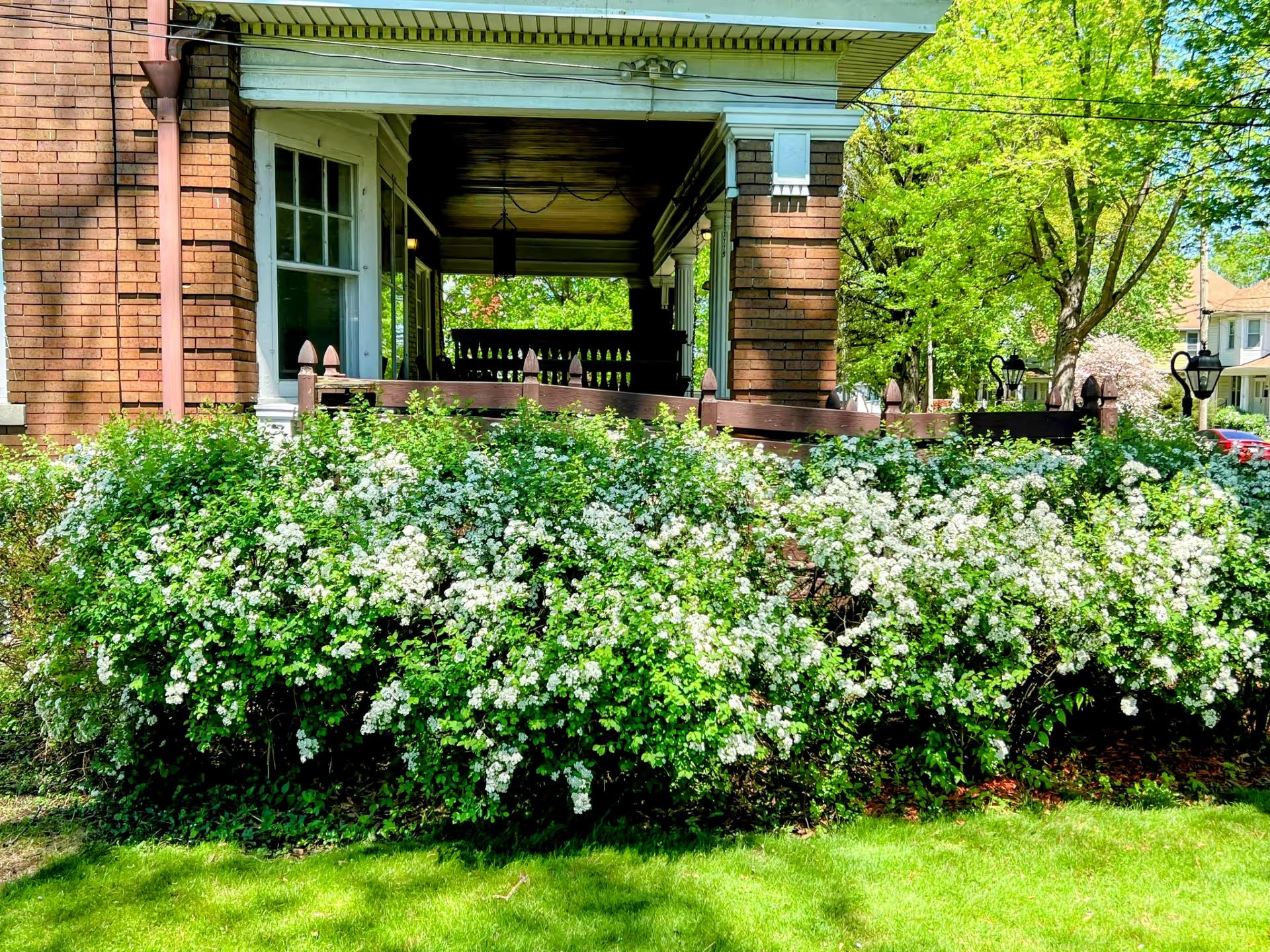
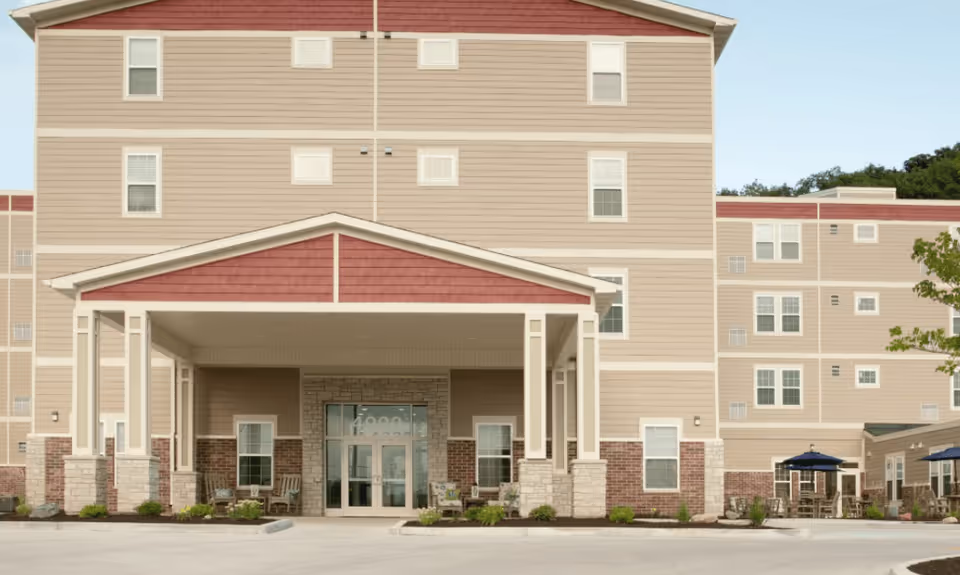
St Augustine Manor is portrayed as an older, well-preserved not-for-profit assisted living setting with a number of built-in services and community features. Reviewers commonly emphasize the property's cleanliness, period-appropriate furnishings, and well-maintained common areas. The facility offers a broad set of on-site amenities — an elevator and covered garage, on-site grocery room without mark-ups, laundromat, beauty parlor, and a chapel that offers daily Mass — which support a self-contained living experience.
Staff and care-related commentary is largely positive. Many accounts describe staff as welcoming, helpful, and accommodating during move-in and day-to-day interactions; several specific staff members are named favorably. The environment is frequently described as warm and home-like, with residents characterized as friendly and outgoing and the community as close-knit. These impressions point to generally strong interpersonal dynamics and a supportive social atmosphere.
Dining and events are available but have mixed operational characteristics. The facility provides on-site meals and catered food and organizes outings and social events (for example, weekly shopping trips). Some reviewers note that meals and certain services carry additional fees; prospective residents should confirm cost structures and meal-inclusion details. Activity programming appears uneven: scheduled outings and group events exist, but the dedicated activity space is described as underutilized and some residents found the activity schedule limited.
Facility and unit-level notes are practical and detail-oriented. Apartments range down to small studios that are described as clean and efficient but may be limiting for residents with many possessions; most units have step-in showers and full-size refrigerators, though ovens are located outside units. A recurring operational concern is temperature control: common areas are sometimes warm because central air is limited, and many units rely on window A/C units. Location-related issues include a steep approach and an entrance configuration that some find difficult, as well as perceptions about neighborhood safety and walkability.
Management and policy patterns are mixed. Move-ins and transitions are often described as smooth, with management helpful during admission. However, there are accounts that indicate variability in family communication and in how access to resident belongings is handled; these comments suggest potential inconsistency in some administrative or visitation procedures. Pricing is generally described as reasonable for a not-for-profit facility, but families should confirm what services are included versus billed separately.
Recommendations for prospective residents and families: visit during different times of day to assess temperature in common areas, review the fee schedule for meals and ancillary services, inspect unit sizes and storage to ensure they meet needs, inquire about activity calendars and how the activity room is used, and clarify policies for family access to resident rooms and personal belongings. Overall, the facility appears to offer a staffed, community-oriented environment with solid basic services, but attention to climate control, activity programming, and administrative consistency will help set appropriate expectations.