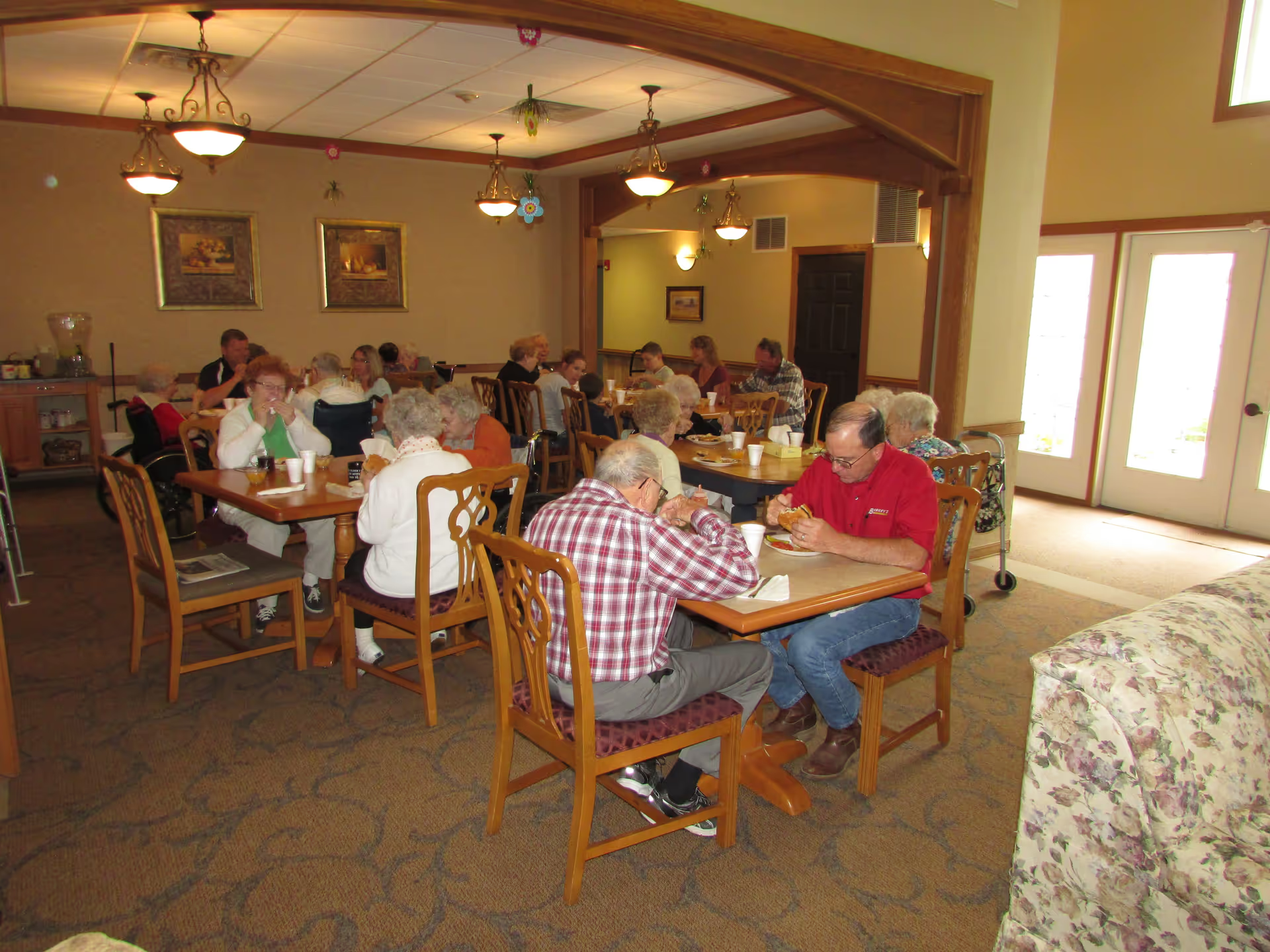
Overall impression: Reviewers highlight a facility with clear strengths at the frontline — many comments praise nursing staff, CNAs, and therapy teams for compassionate, hands-on care and effective rehabilitation. Housekeeping and general cleanliness of common areas are consistently described as strong, and the facility presents as orderly and comfortable. Dining and social meals are also noted as a positive aspect for resident socialization.
Care and clinical services: Positive feedback centers on direct-care workers and therapists who engage residents and support recovery. At the same time, several reviewers described operational gaps that affect clinical safety and daily care: concerns about falls and transfer safety, episodes of delayed toileting or incontinence-care, and variability in how quickly staff respond to resident needs. Those patterns suggest inconsistent adherence to some basic care routines and monitoring practices rather than uniformly poor clinical capability.
Staff, teamwork and social services: Comments reflect a split between individual staff strengths and broader team- and culture-level issues. While particular CNAs and therapists receive strong praise for their professionalism, reviewers also cite inattentiveness, hallway socializing during shifts, and instances of gossip or poor interpersonal conduct among staff. Social-work or case-management supports are described as limited or ineffective by some families, contributing to frustration around care coordination and planning.
Family communication and property concerns: A recurring theme is uneven communication with families — frequent back-and-forths, delayed follow-up, and difficulty obtaining timely information. There are also concerns about personal-property safeguards; one review referenced an allegation of belongings being taken, and others expressed unease about influence from outside family members. These observations point to potential gaps in visitor policies, documentation, and property-management practices.
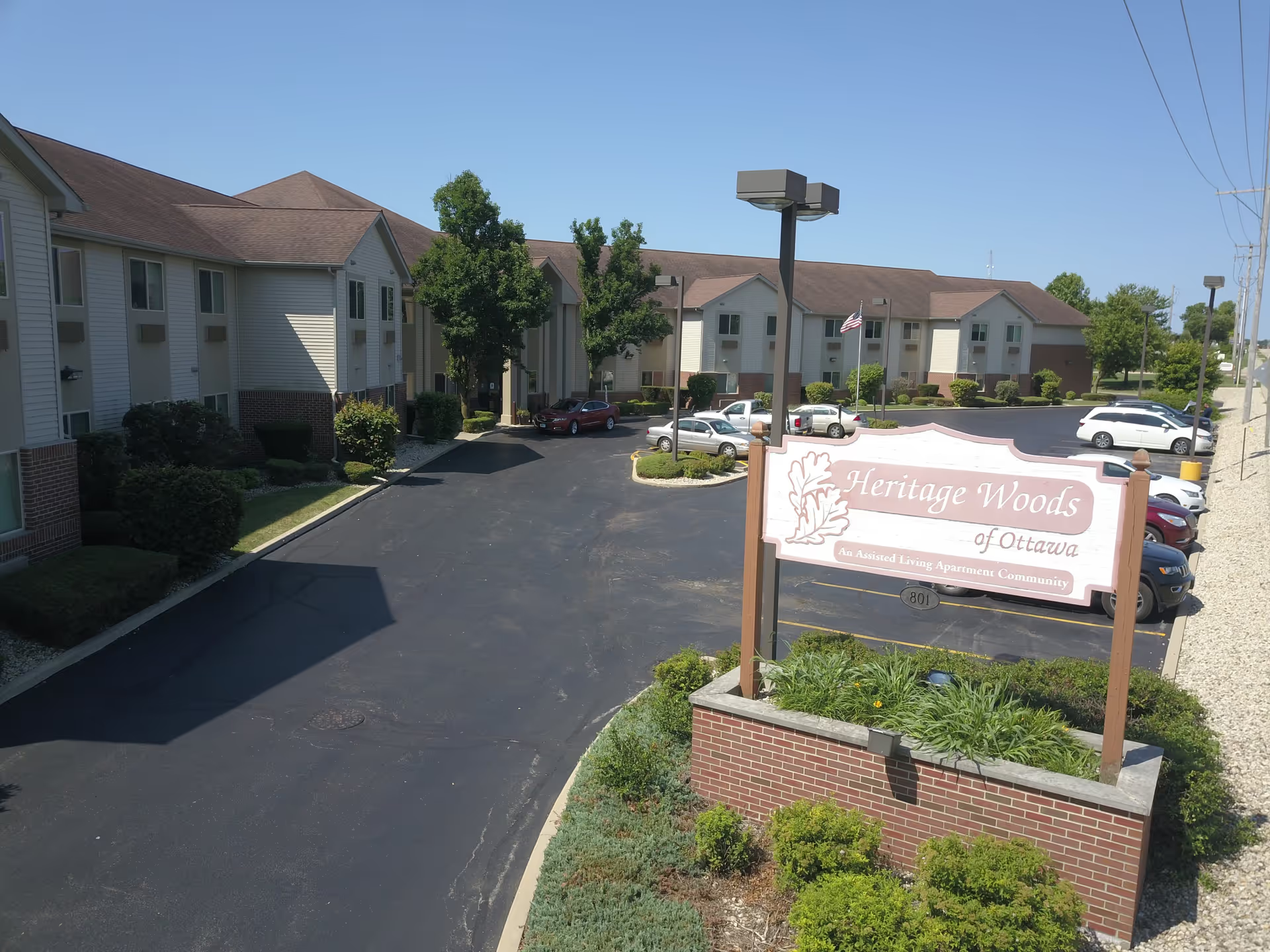
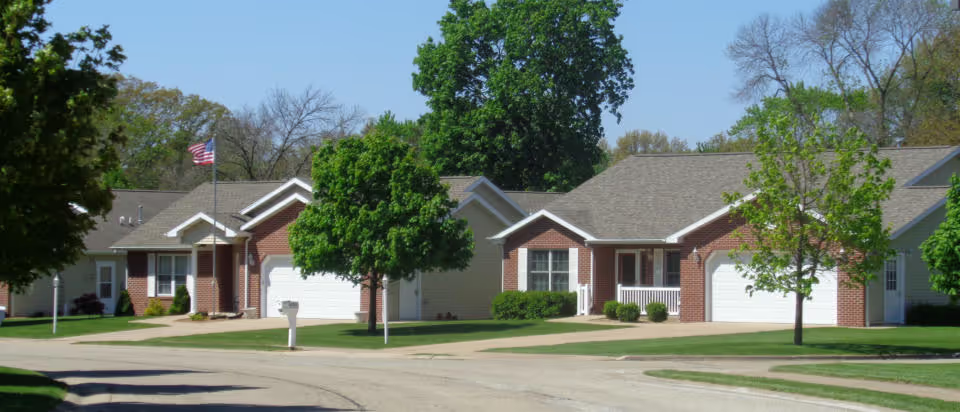
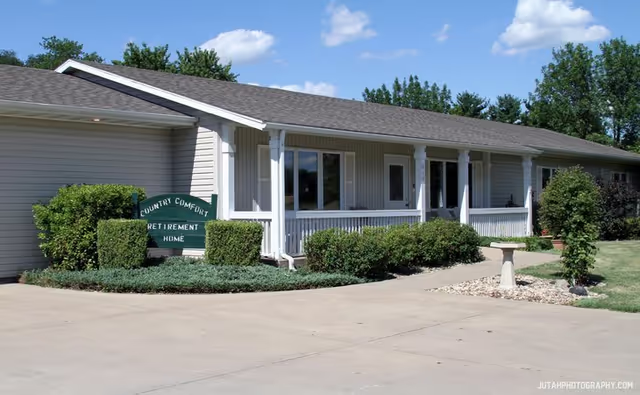
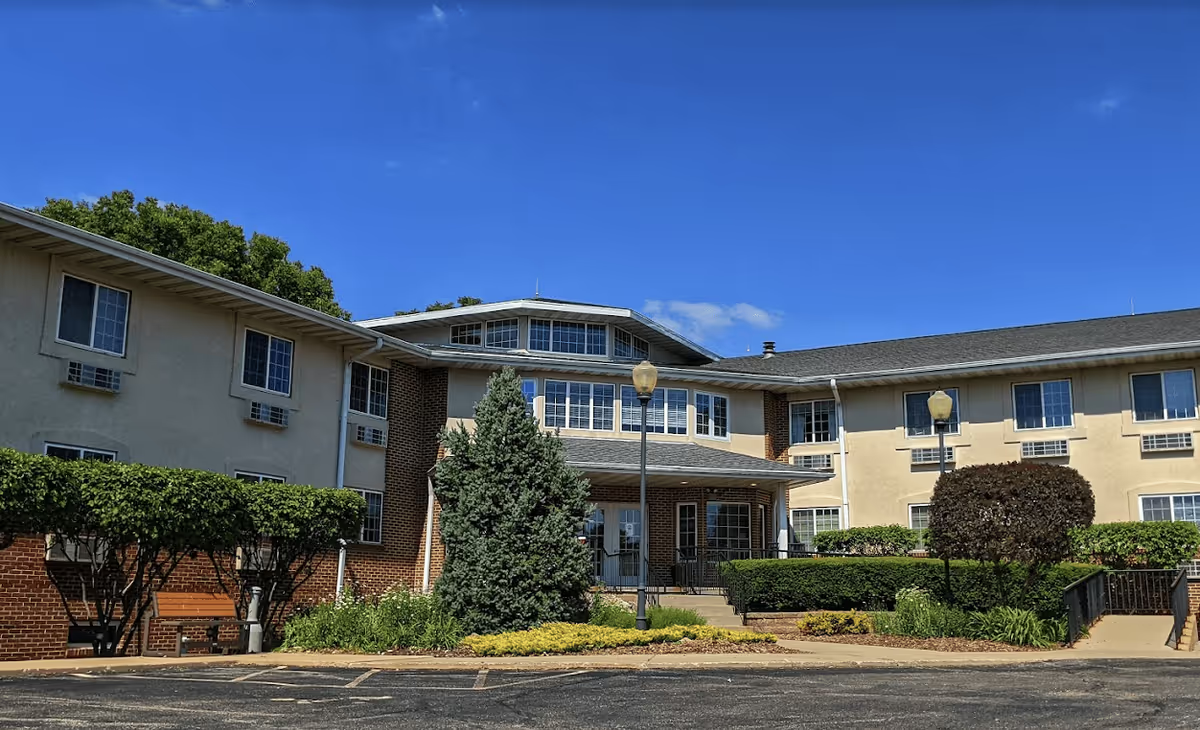
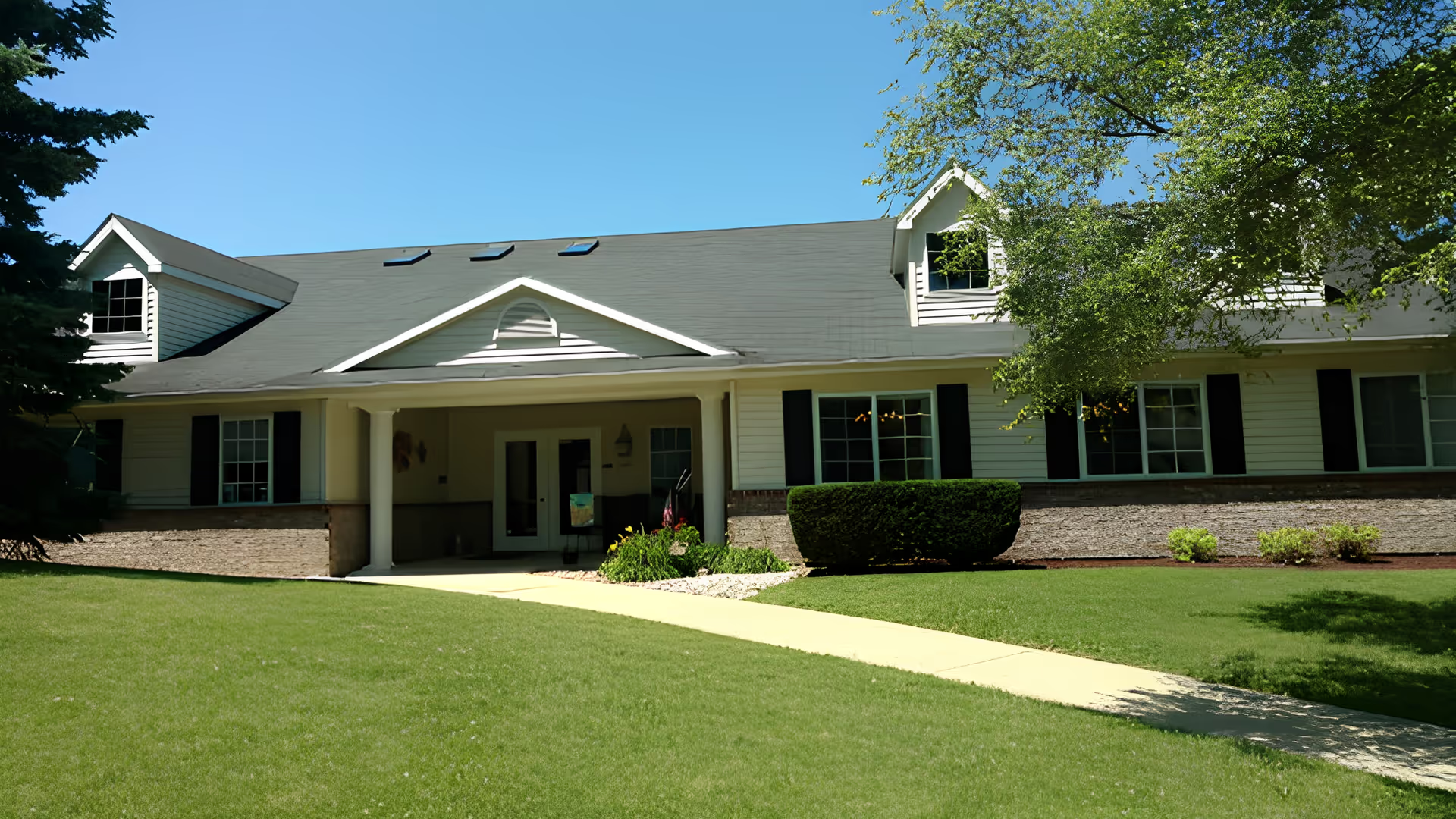
Facilities, dining and value: The building is generally described as clean and well-maintained, with comfortable resident rooms and a pleasant dining environment. However, reviewers also note that parts of the facility could benefit from cosmetic updates and that room pricing — particularly for shared rooms — may feel high relative to perceived value. Dining is viewed positively from a social and culinary perspective by several families.
Management and oversight: Impressions of management are mixed. Some administrative staff are described as competent and helpful, but there are broader concerns about corporate oversight and administrative responsiveness when issues arise. These concerns align with the operational themes above (communication lapses, team cohesion, and safety-practice inconsistencies).
Bottom line for families: The facility appears to offer strong frontline caregiving, therapy services, housekeeping, and an engaging activity and dining program. Prospective residents and families should balance those strengths against noted operational weaknesses — especially fall-prevention practices, incontinence-care timeliness, family-communication processes, personal-property safeguards, and the condition of some areas of the building. Asking targeted questions about staffing patterns, fall-prevention protocols, social-work involvement, property-management policies, and what is included in fees may help clarify whether the facility’s strengths match a family’s priorities.