Elevate Care Riverwoods presents as a largely well-appointed, therapy-oriented memory- and skilled-care environment with many families highlighting strong interpersonal care and extensive programming. Reviewers consistently emphasize compassionate, attentive caregivers and a fairly consistent staff presence; several accounts name nursing and CNA staff, social services, and activity coordinators as sources of reassurance. Clinical strengths cited include effective wound care, robust PT/OT services, a large therapy gym, and professional nursing support. The admissions process and ongoing communication were frequently described as clear and transparent, contributing to family confidence and peace of mind.
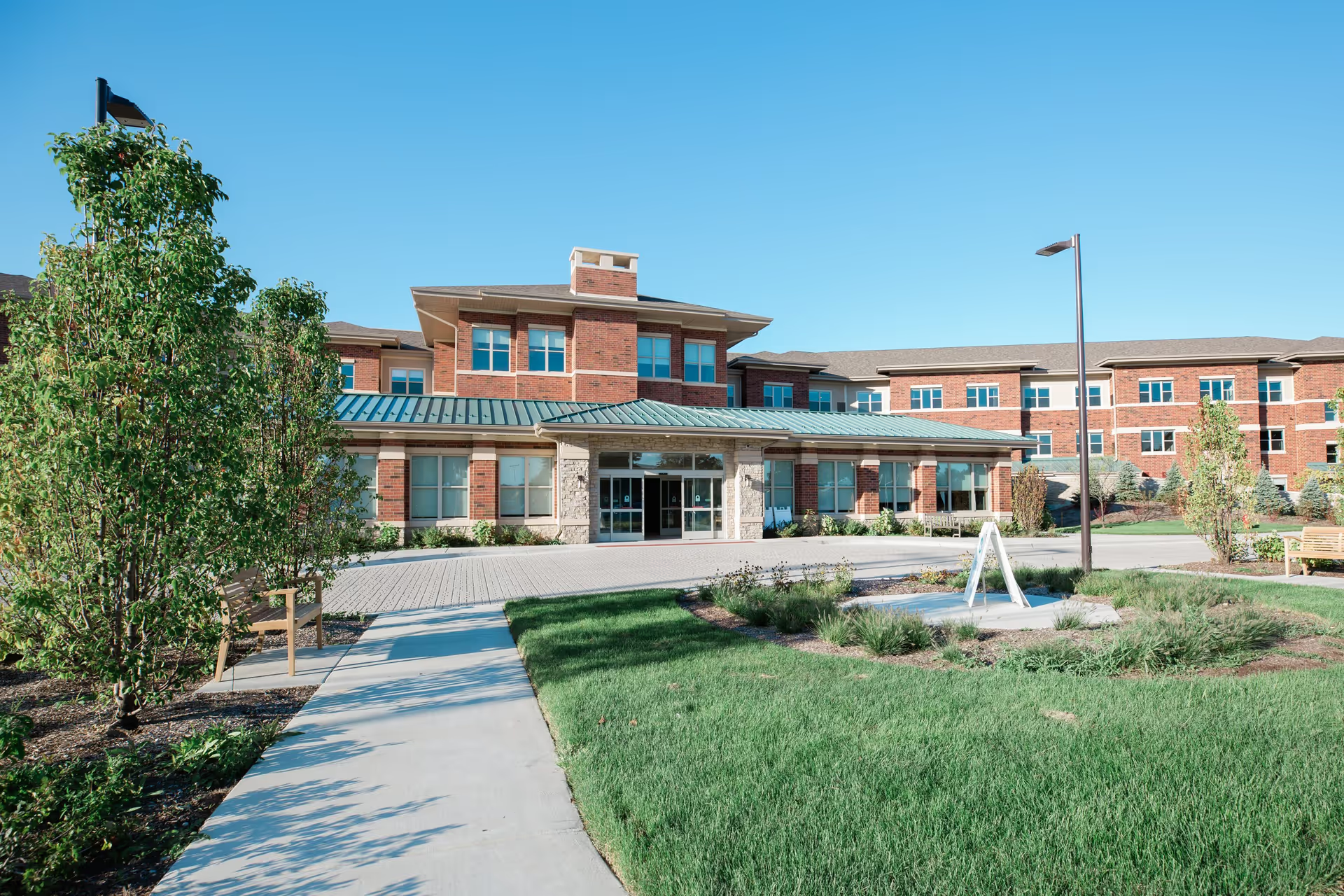
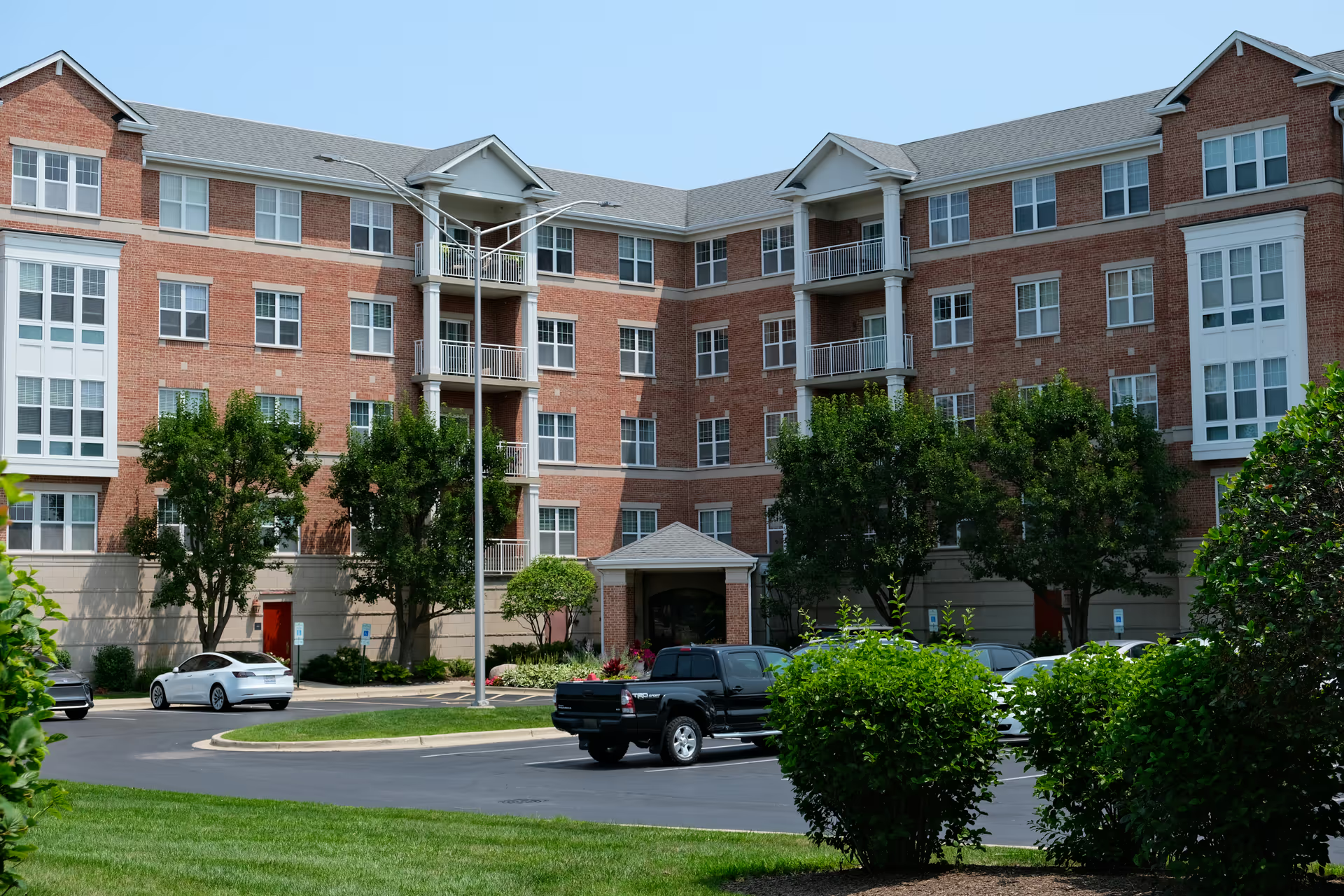
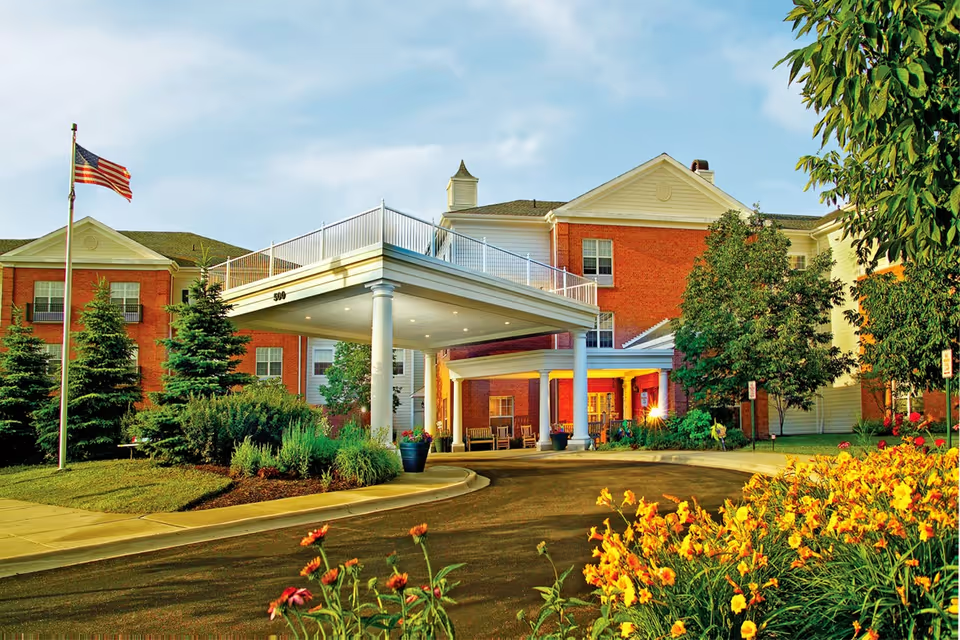
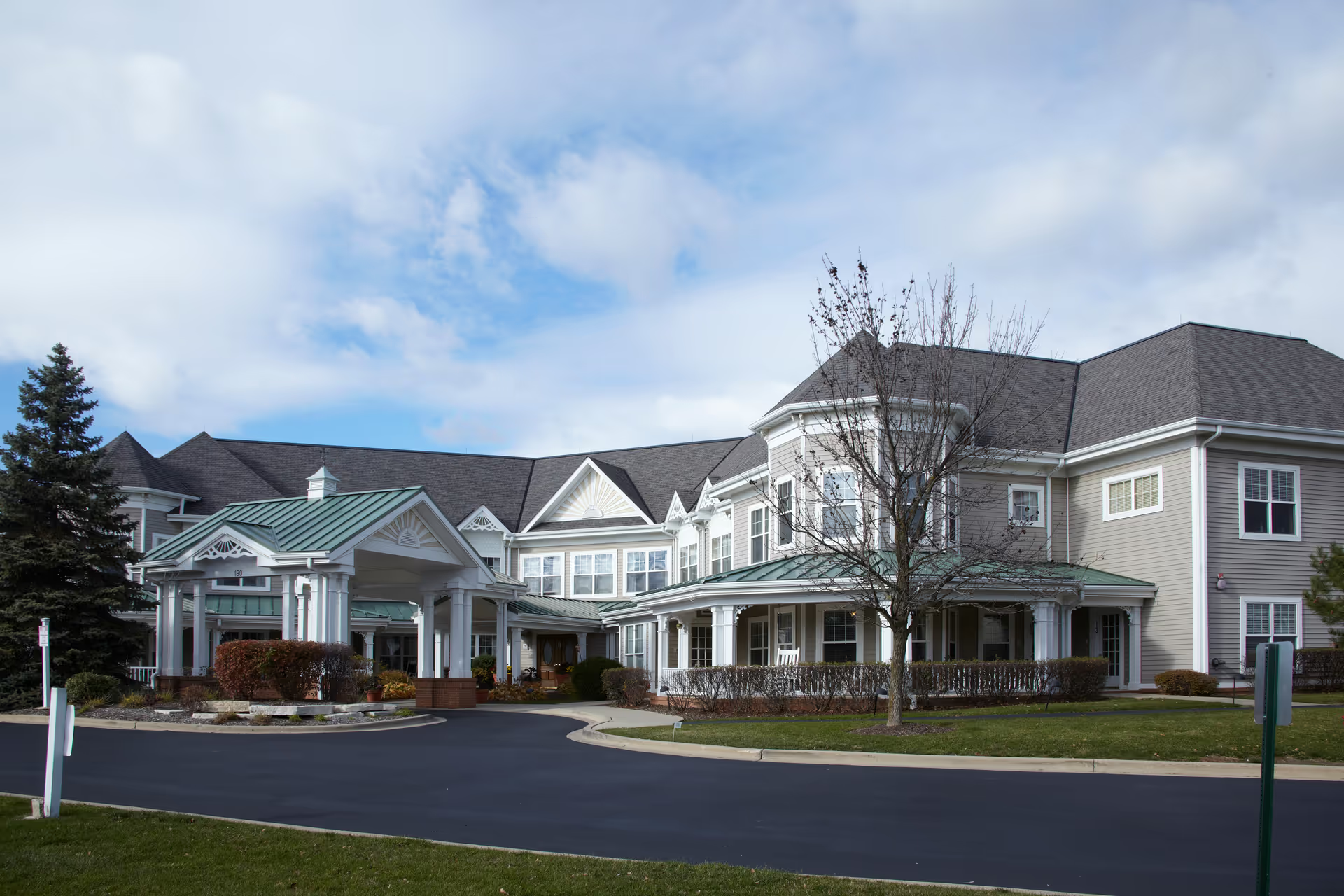
Activity and social programming are a clear strength. The facility offers individualized one-on-one activities and a diverse calendar that includes cognitive and creative options (reading, puzzles, crafts, flower arranging, bingo), and families report active engagement by a visible social director. Physical amenities include remodeled rooms, accessible patios and grounds, a library, lounge spaces, dining room, hair parlor, and laundry services, all contributing to a more home-like presentation for many residents. Safety and infrastructure investments — new roof, updated sprinkler system, and visible cameras — were also noted.
Areas of operational inconsistency emerge alongside these positives. Several accounts point to variability in sanitation and room odor control, with some rooms smelling pleasant and others described as having odor concerns. Dining received mixed feedback: while some reviewers praised restaurant-style meals and meals delivered to rooms, others raised concerns about meal quality and safety. A subset of families raised serious concerns about clinical responsiveness and medication-management practices; these descriptions suggest intermittent gaps in personal-care execution and delays in attending to needs, which prospective families should probe further. Staff workload and occasional responsiveness delays were also mentioned as factors that may affect daily care consistency.
Other practical considerations include restrictive outdoor-access policies after certain hours and a clinical or hospital-like atmosphere that some residents found less home-like. Infection-control constraints related to communicable illness (noted in the context of COVID precautions) influence visitation and access at times. A few reviewers expressed questions about perceived value and pricing transparency, and the facility’s payment/insurance handling should be clarified during intake discussions.
For prospective residents and families: many reviewers describe strong interpersonal care, effective therapy services, and an engaged activity program, but there are recurring operational themes worth confirming on a tour. Ask about room-specific odor-control and sanitation protocols, dining safety and dietary accommodation processes, medication-administration checks and staffing levels at different shifts, outdoor-access policies, and current infection-control procedures. Request examples of routine care-communication (frequency and format of updates) and, when possible, speak with the clinical director about any specific clinical-safety protocols you consider critical. Doing so will help balance the facility’s evident strengths in person-centered programming and therapy with the operational inconsistencies some families experienced.