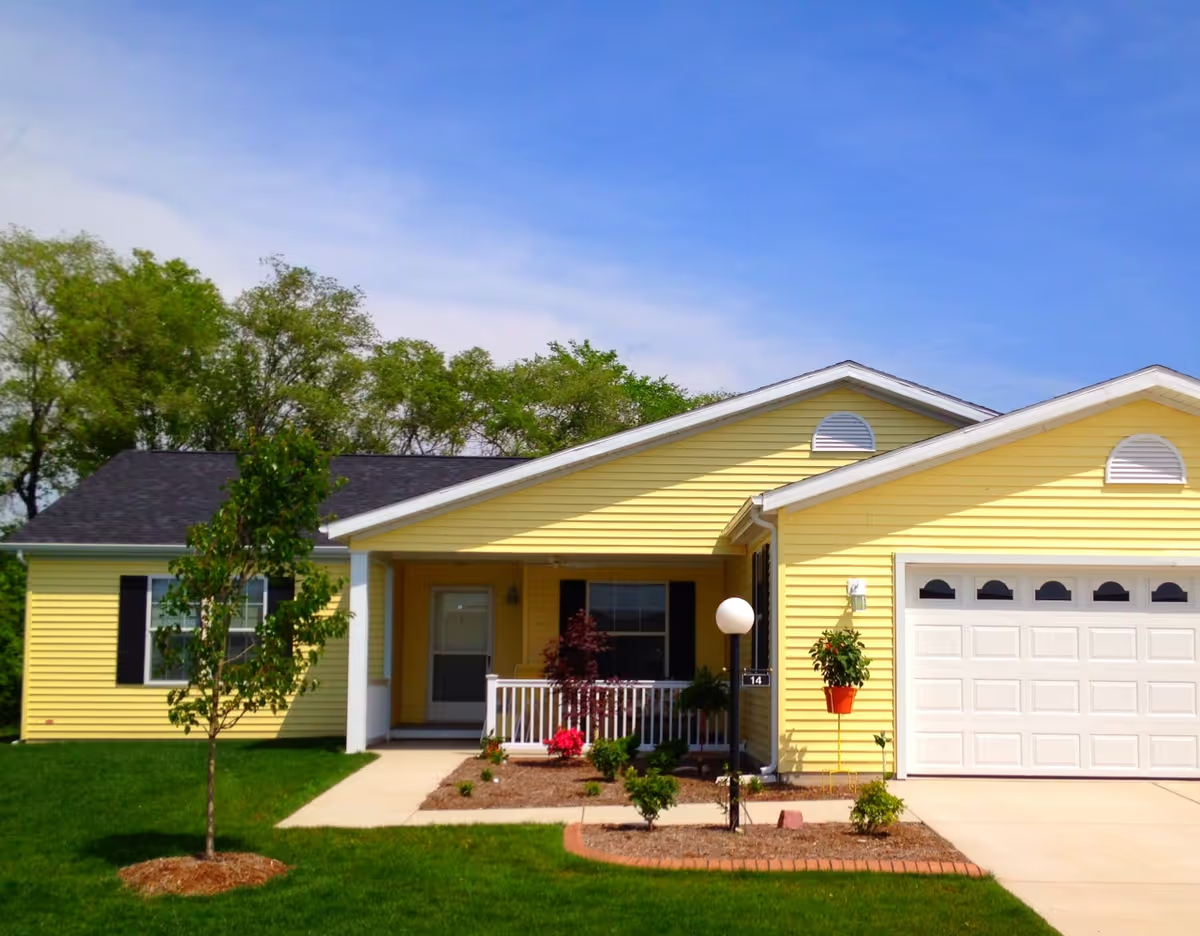
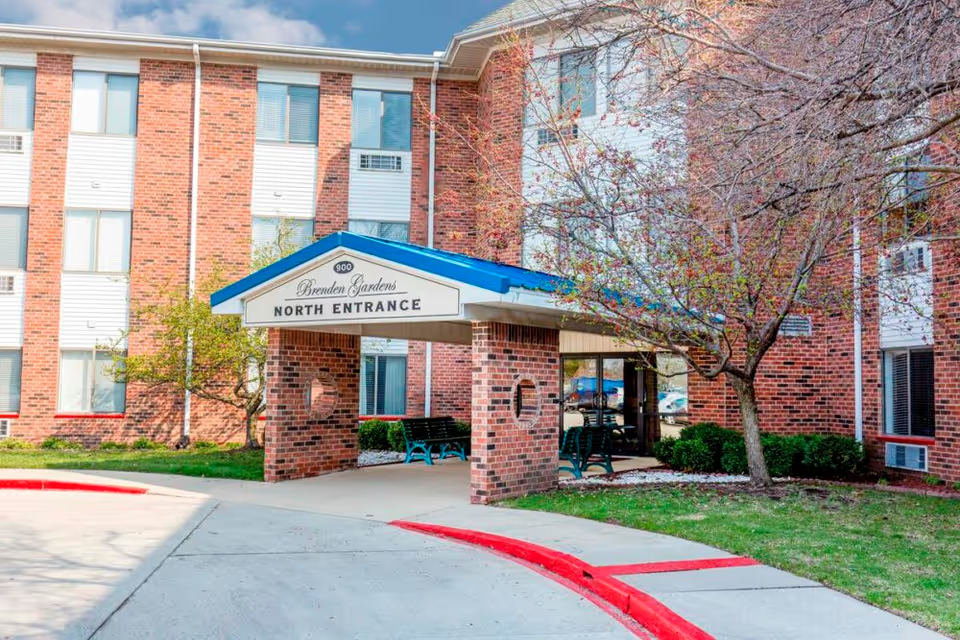
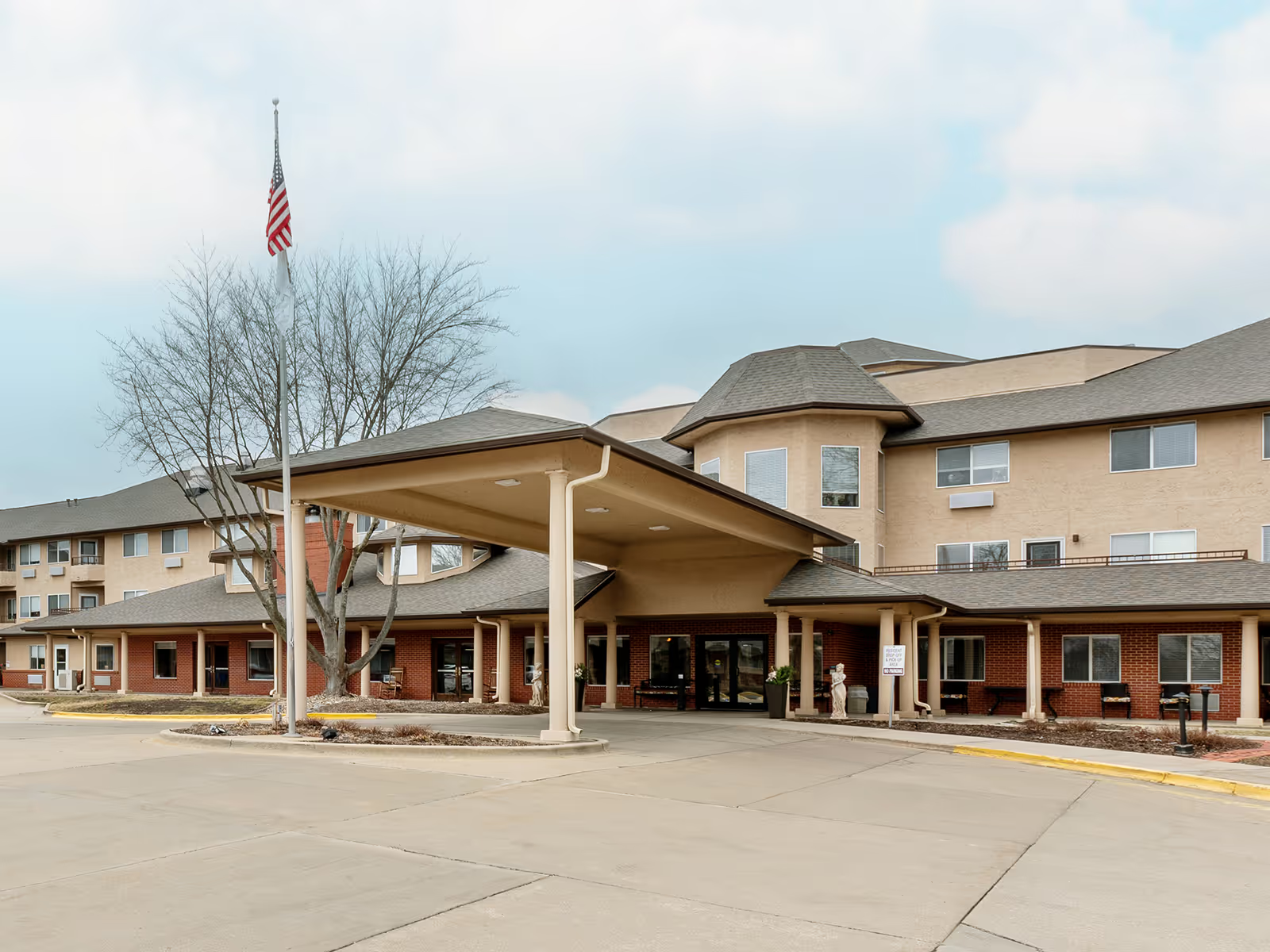
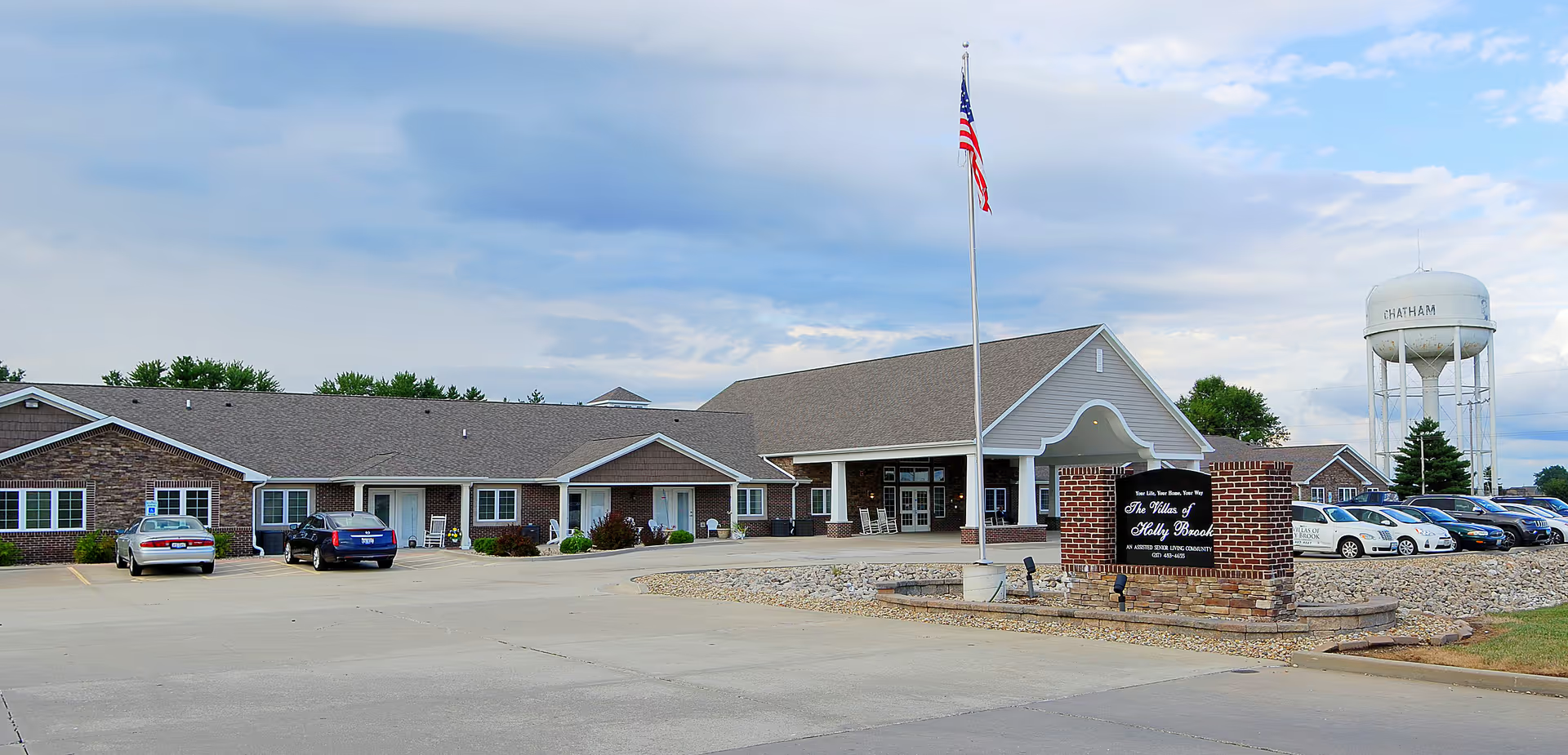
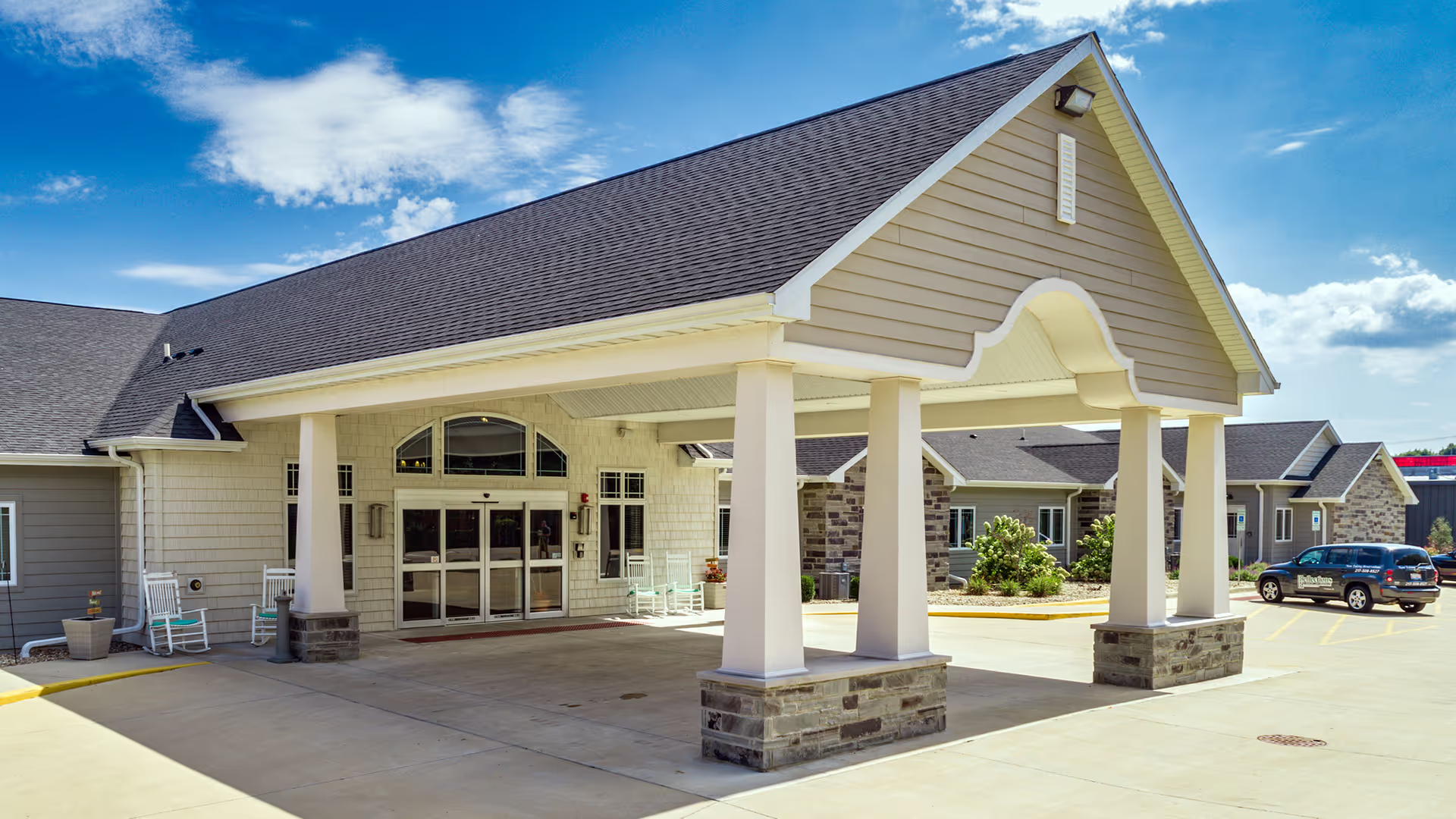
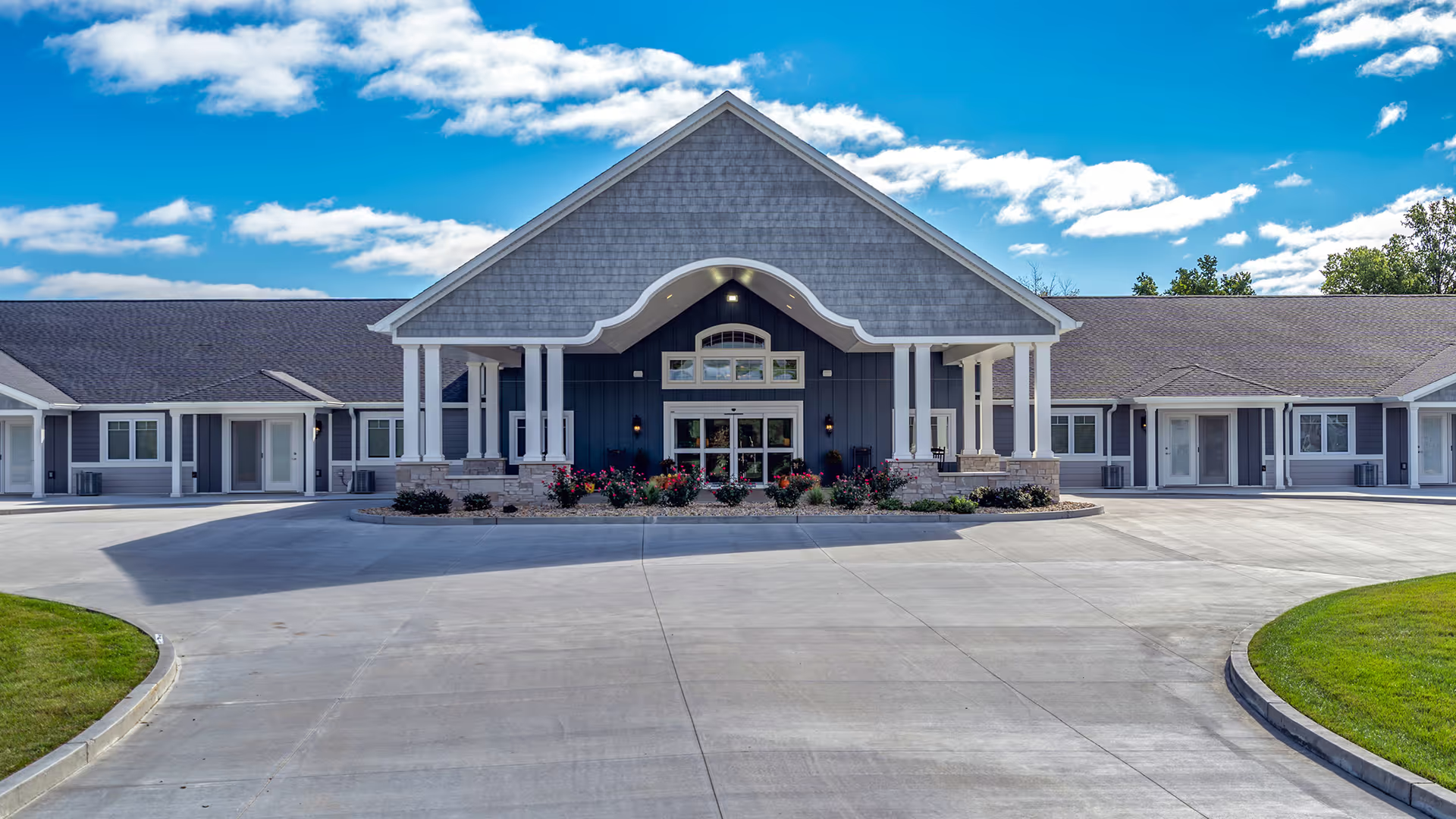
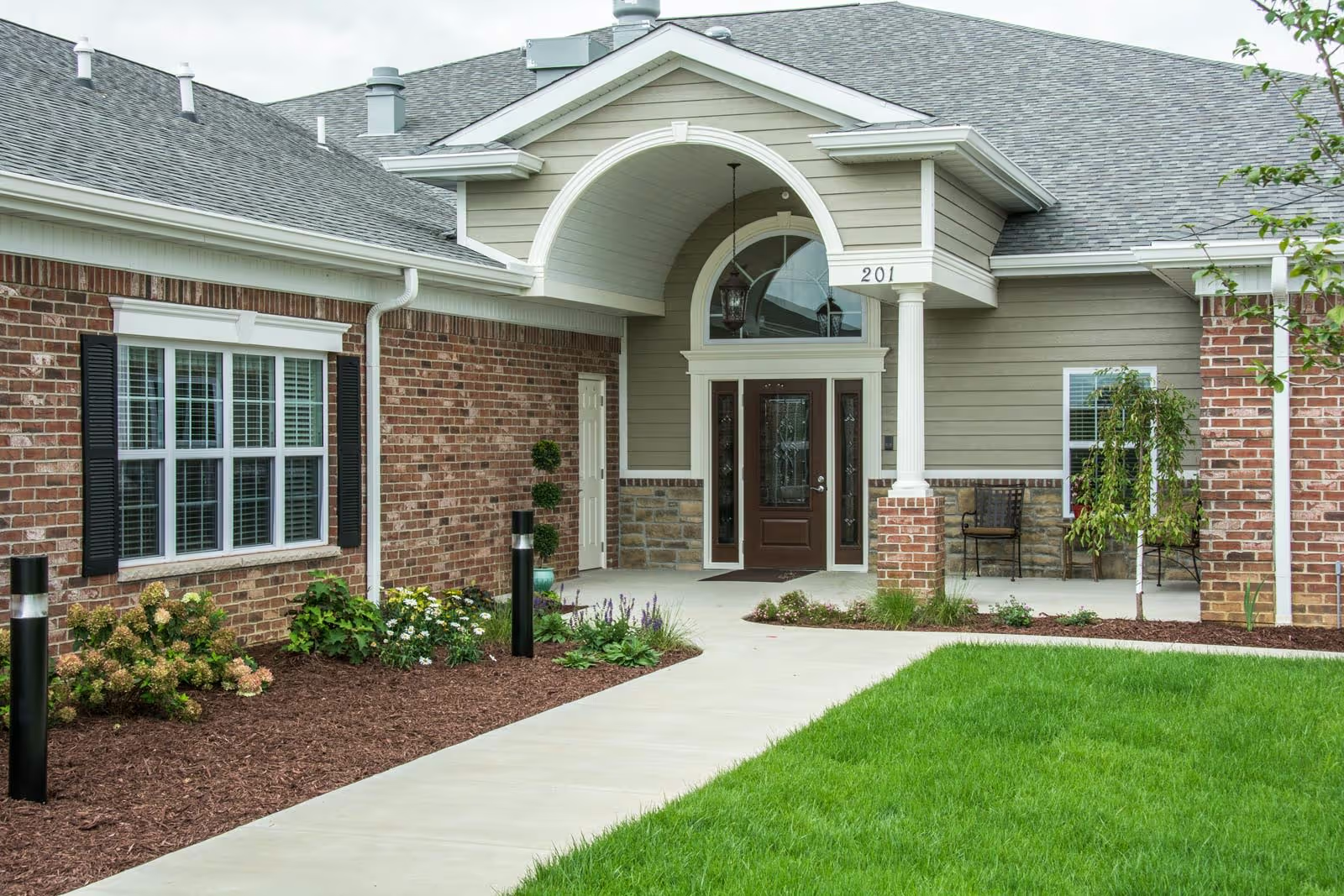
Overview: Rochester Estates presents as a small, well-maintained senior community in a rural setting. Physical features that attract families include spacious, single-level apartments with large bathrooms, ample storage and kitchen space, an outdoor garden and walking path, and an updated dining/common area. The community emphasizes a home-like, family atmosphere and offers a continuum of care from independent living through hospice, as well as flexible housing arrangements such as furnished studios and respite-to-permanent transitions. Transportation services and a pet-friendly policy are other practical advantages noted by families.
Care quality and staff: Staffing and hands-on caregiving receive consistently positive remarks: reviewers describe CNAs and caregivers as kind, attentive, communicative, and responsive, with frequent check-ins and good family communication. Leadership presence is variable in the accounts—some families praise the executive director and recent nursing leadership, while others noted periods when management or the head clinician was not readily available. There are also isolated but important concerns about clinical oversight and nursing responsiveness; these suggest prospective residents should clarify nursing coverage, supervision, and escalation procedures before moving in.
Dining and food service: Dining experiences are a clear mixed pattern. Several reviewers praised a talented, health-conscious chef, menu variety, dietary accommodations, and special occasion meals. At the same time, recurring criticisms center on inconsistent meal quality: complaints include food that tastes processed, lacks flavor, and is sometimes served cold or late. These comments point to an operational weakness in meal preparation and service continuity rather than a lack of menu planning. Prospective families may want to inquire about current kitchen staffing, sample menus, and service timing.
Activities and social life: The community atmosphere is frequently described as warm and family-like, with examples of porch and patio visits and resident socialization. However, activity programming appears inconsistent: some observers found residents to be active and engaged, while others reported little visible programming. This variability suggests activity options may depend on resident mix, staffing, or scheduling; families should ask for a current activity calendar and examples of regular programs.
Facilities and maintenance: Overall cleanliness and upkeep are strong points, and many spaces have been recently updated. That said, some reviewers noted areas that need refreshment — paint, carpet, and furniture were specifically mentioned — and there is a perception that some outdoor land could be better utilized. Room availability is occasionally limited, so timing can affect placement options.
Management and notable patterns: Management behavior is described in both positive and mixed terms: several families found leadership accommodating and communicative, while a few indicated intermittent availability or a need for more upfront disclosure about services and limits of care. The most consistent pattern across reviews is a split between strong, compassionate caregiving staff and operational weaknesses in dining and certain aspects of clinical oversight. For prospective residents or family members considering Rochester Estates, practical questions to pursue during a tour include current nurse staffing and supervision, meal service processes and samples, activity schedules, plans for amenity maintenance, and clarity about what level of care the community is set up to provide.
Bottom line: Rochester Estates will likely appeal to people seeking a small, home-like community with spacious single-level apartments, attentive caregiving staff, and reasonable rates. Families prioritizing consistent, higher-end dining or robust, guaranteed activity programming should verify current practices in those areas during the decision process. Clarify nursing coverage and management responsiveness to ensure the facility’s operational model aligns with the prospective resident’s clinical and social needs.