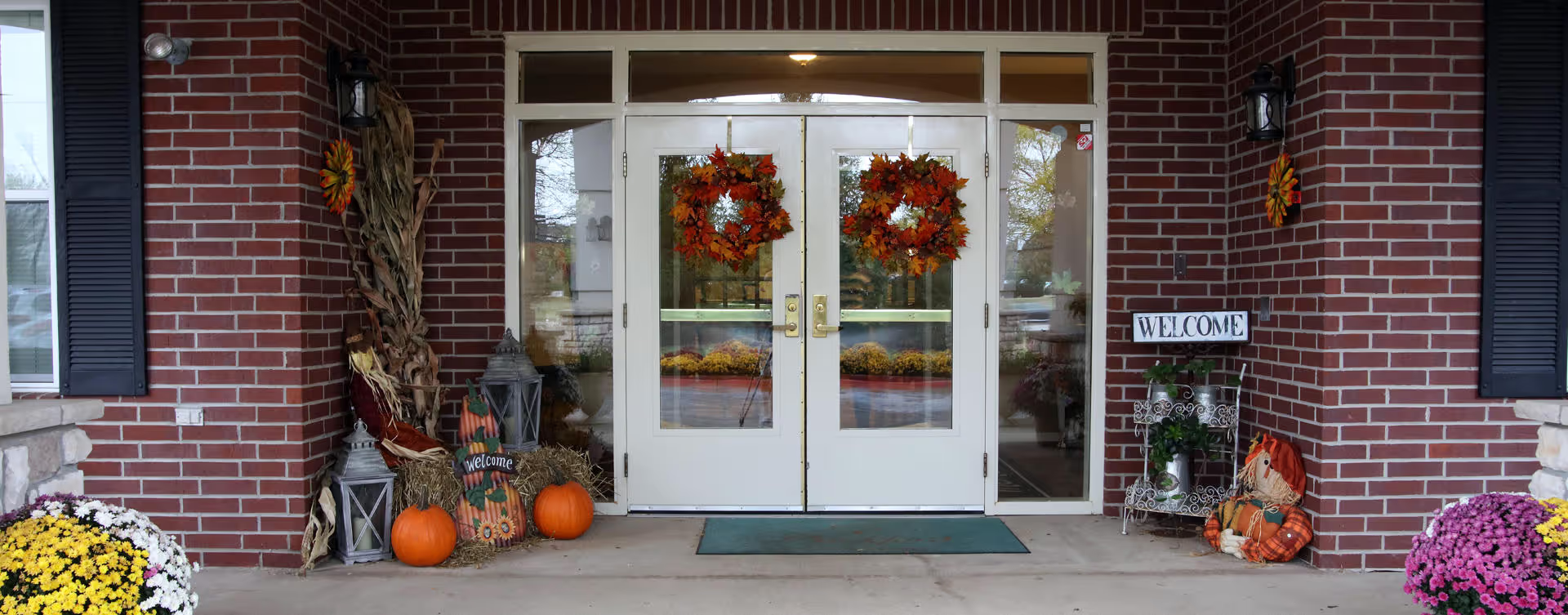
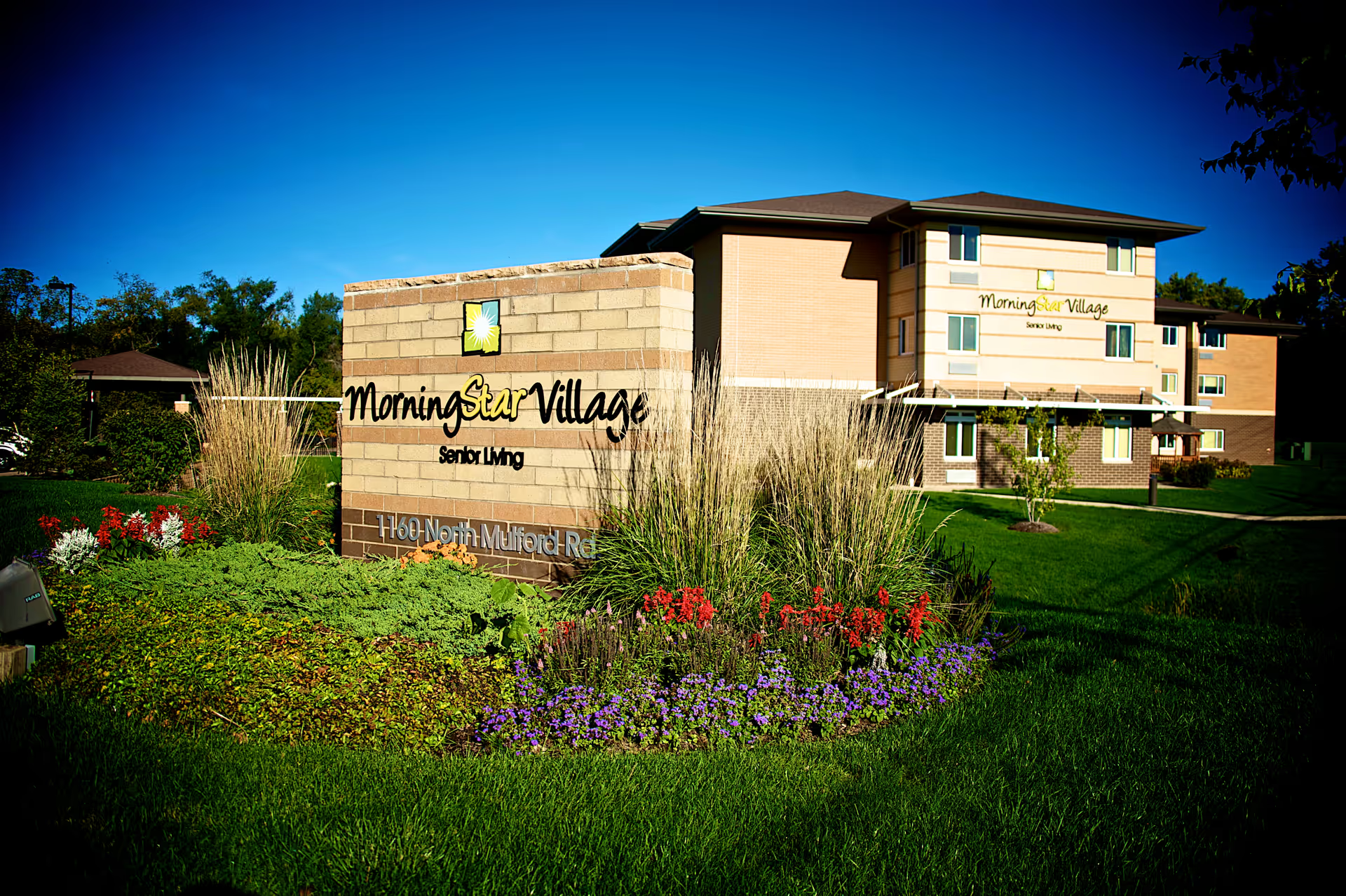
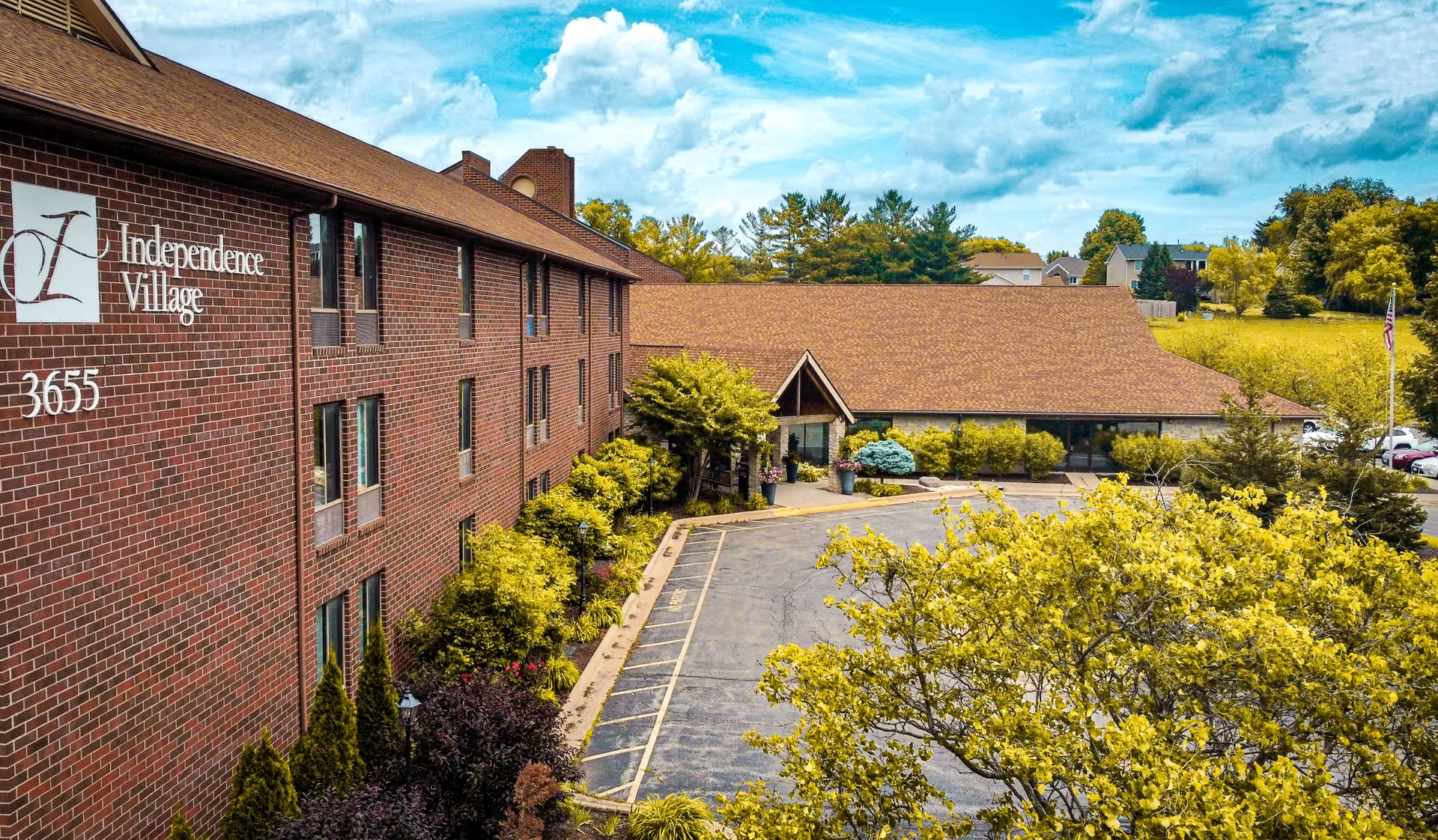
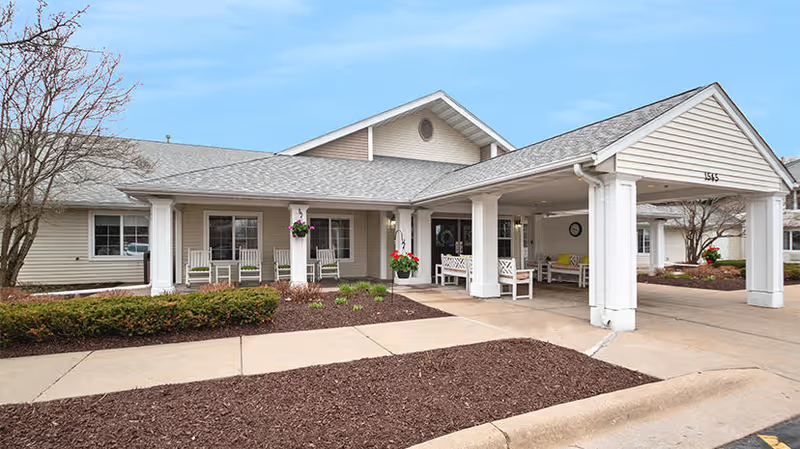
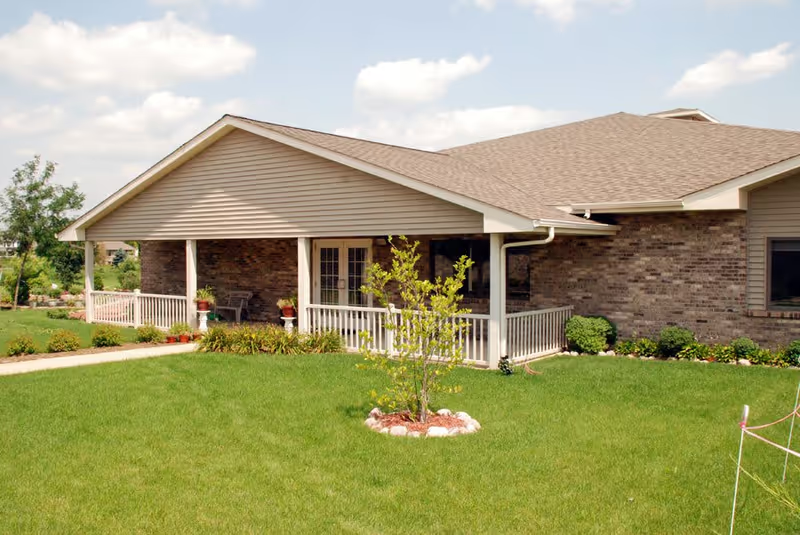
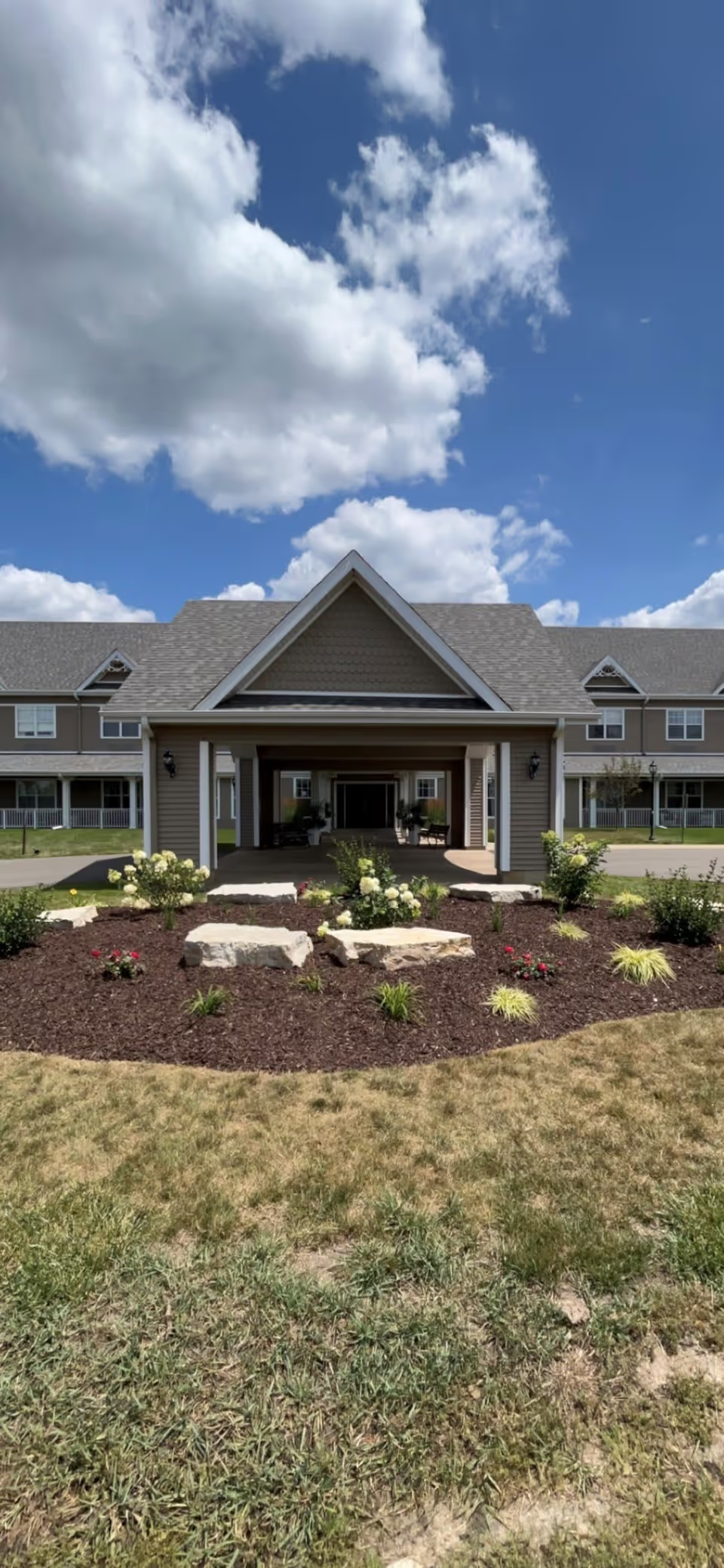
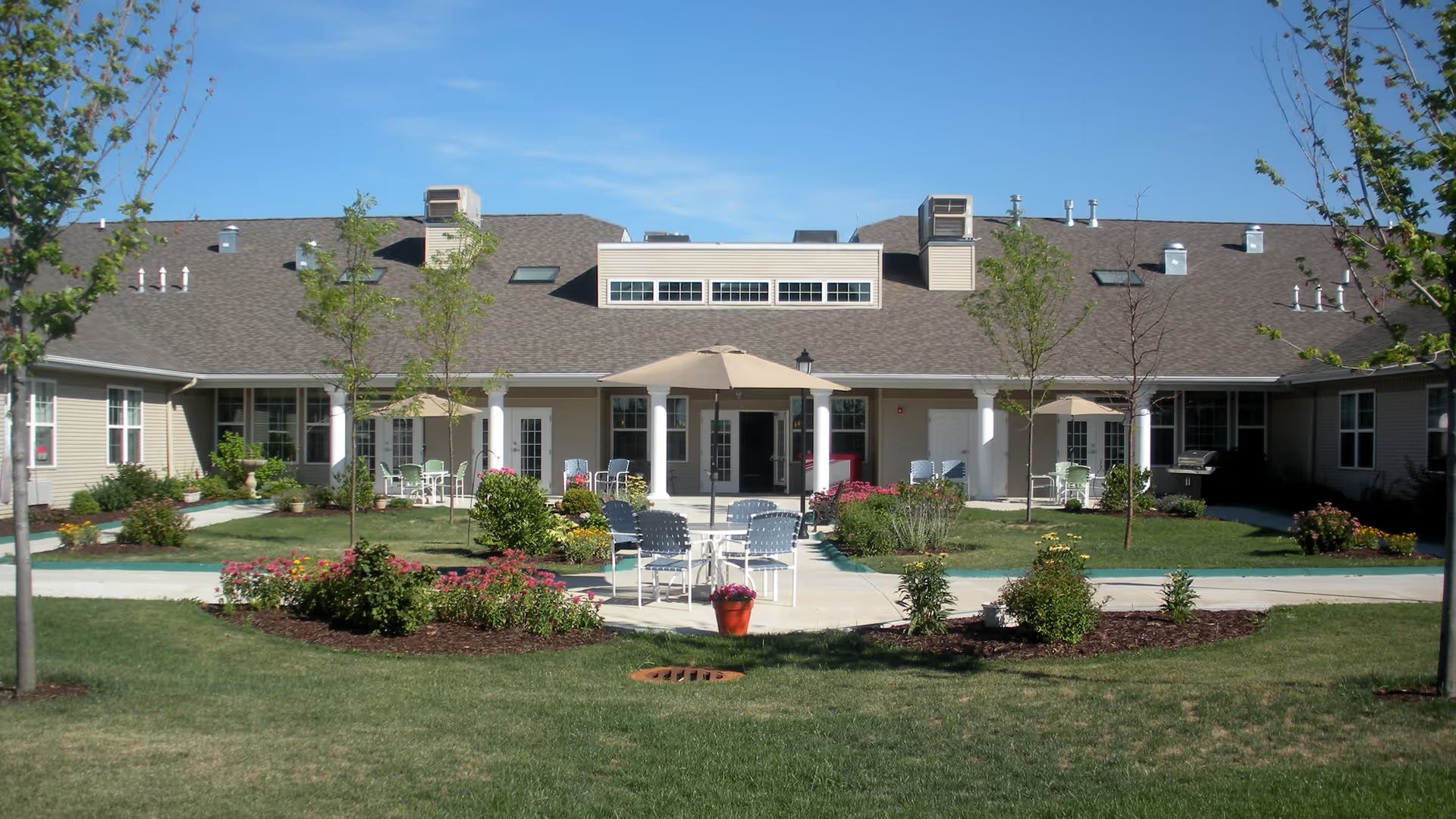
Grand Regency of Rockford Supportive Living presents as a renovated, hotel-like assisted living option with several operational strengths and notable weaknesses. Many reviewers describe attractive common areas, clean grounds, and private rooms with kitchenettes that appeal to residents seeking a residential feel. The community accepts Medicaid and positions itself as a value-oriented option; multiple accounts mention affordable rates and an active finance office that helps families with paperwork.
Care quality and staffing perceptions are mixed. Numerous comments praise nursing staff, CNAs, and individual caregivers as compassionate, attentive, and willing to go the extra mile; some families specifically commended responsive administrators and helpful finance personnel. At the same time, there are recurring concerns about inconsistent responsiveness from clinical staff, gaps in nursing coverage (including limited weekend nurse presence), and uneven medication-administration and medical-record communication. These patterns suggest variation in day-to-day clinical operations and family communication.
Dining and dietary accommodations receive generally favorable remarks for menu variety and resident satisfaction, though there are concerns about additional out-of-pocket requirements for special dietary items (for example, lactose-free milk) that are not covered in the standard monthly fee. A few comments noted specific food-preparation preferences (texture/crust) but overall many residents find the meals acceptable.
Programming and activities are a clear strength: memory-care programming, puzzles, crafts, exercise classes, movies, baking sessions, and holiday events are described as engaging and well-staffed. Families seeking an active social environment will likely find the community offers a steady schedule of group and memory-supportive activities.
Facilities are generally described as clean and orderly, but there are countervailing sanitation and pest-control concerns raised in some accounts. Housekeeping and laundry processes are reported as inconsistent by some families (missed laundry, cleaning commitments not met), and there are explicit references to pest-control issues that prospective families should clarify during a tour.
Management and conduct-related issues are an important pattern in the feedback. While some families praised prompt, effective responses when concerns were raised, others described poor communication, difficulty getting phone responses, and worries about staff tone and conduct. More serious are allegations of staff theft and financial impropriety cited by a subset of reviewers; these claims elevate the importance of asking about property safeguards, staff supervision, visitor access, and incident reporting during a decision-making visit.
Suitability for residents with cognitive impairment is mixed: the community offers structured memory-care activities and a hospitable environment for many residents, but a few families indicated the setting may not be appropriate for individuals with more advanced cognitive or behavioral needs. Prospective residents with higher-acuity memory-care needs should ask for specifics about staffing ratios, clinical oversight, and transfer/step-down procedures.
In sum, Grand Regency of Rockford offers many attributes families often seek — renovated rooms, active programming, Medicaid acceptance, and several compassionate staff members — but also exhibits operational variability in clinical coverage, communication, housekeeping, and property safeguards. Prospective families should tour in person, observe staffing levels at different times (including weekends), ask about pest-control and laundry protocols, confirm how dietary accommodations are handled and charged, and request documentation of incident-response and property-protection policies before deciding.