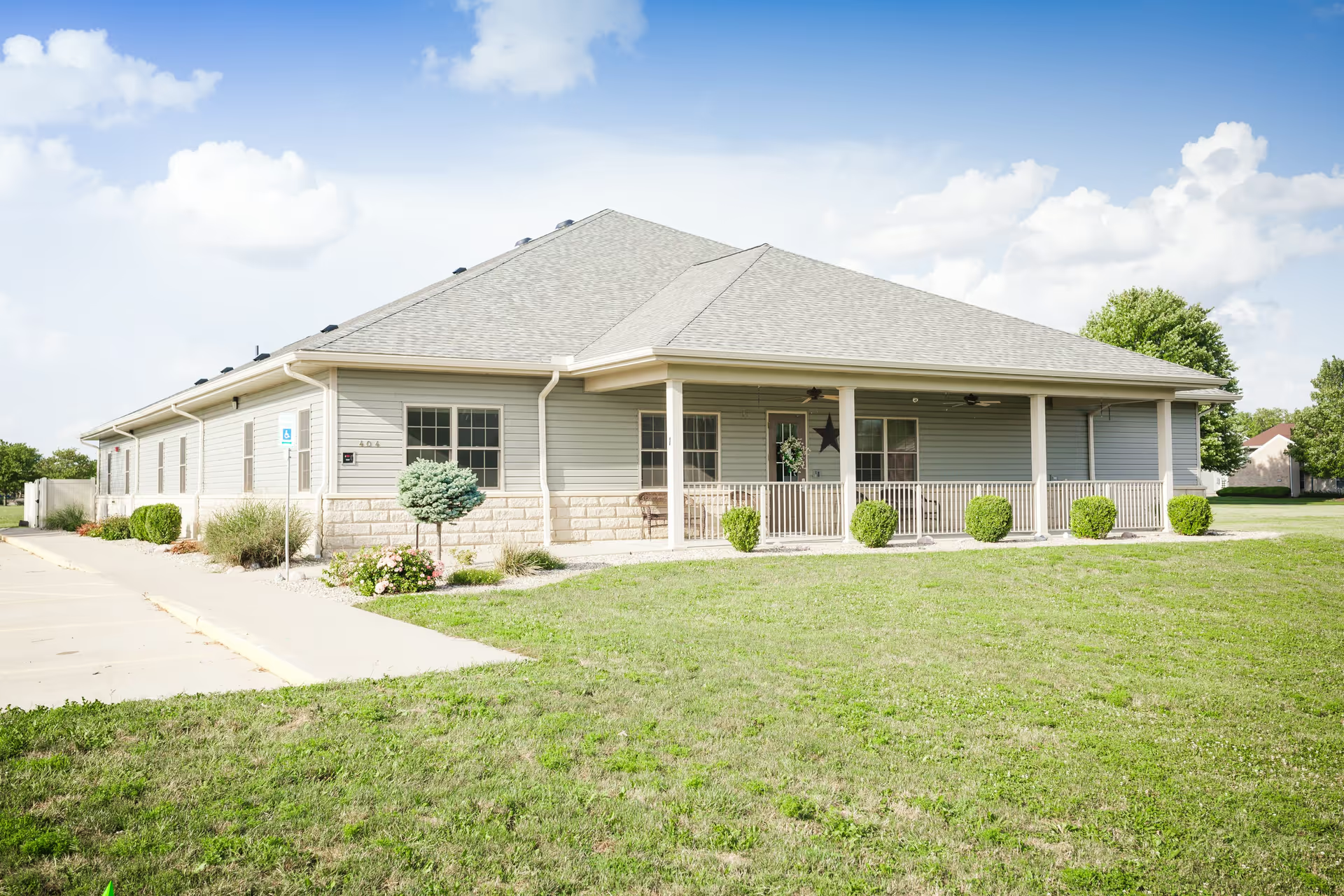
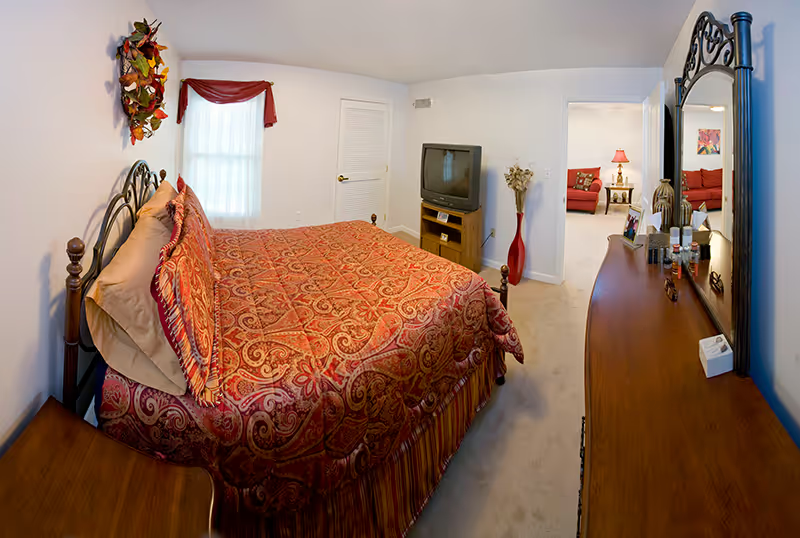
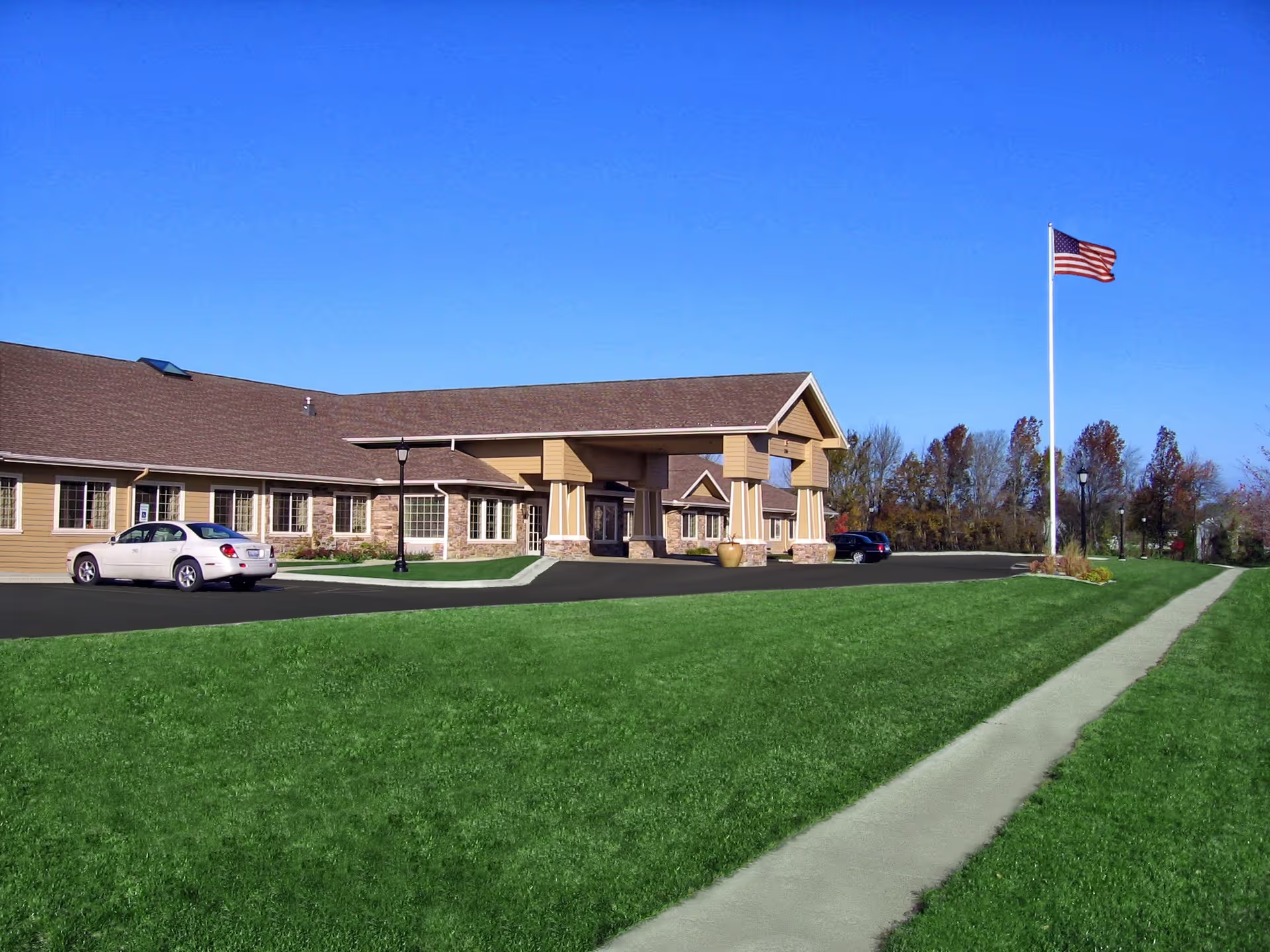
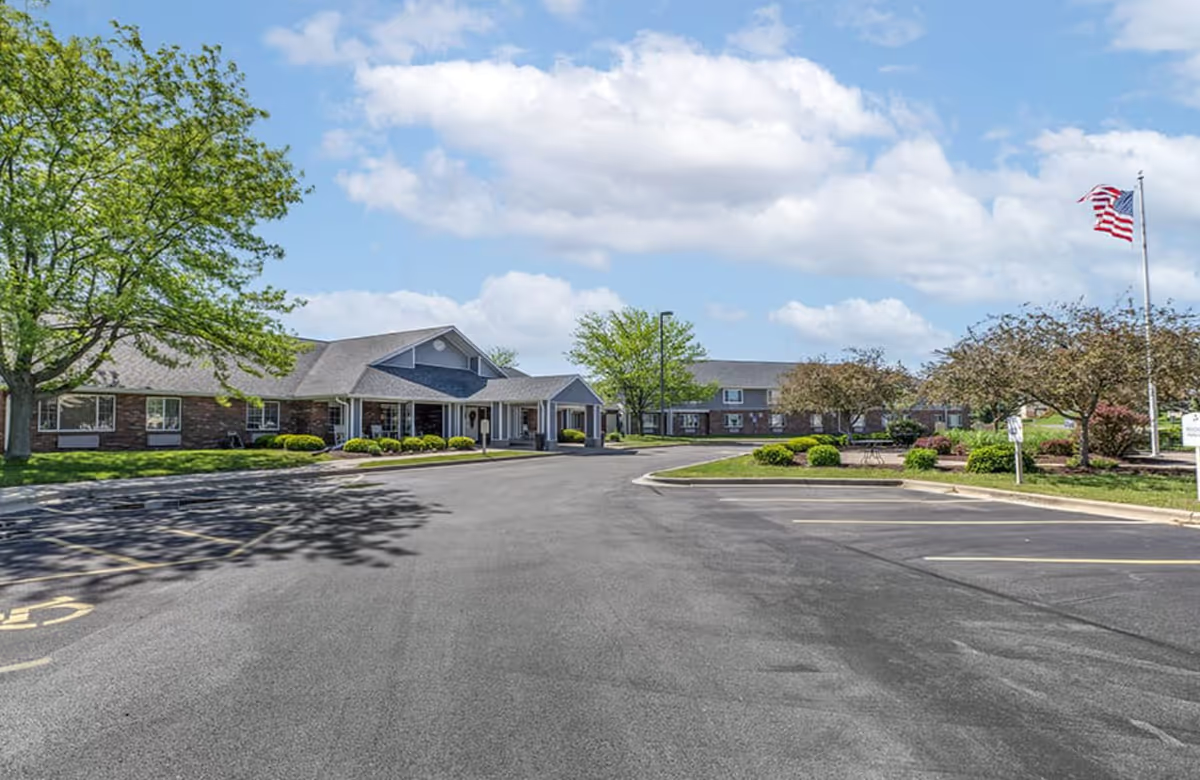
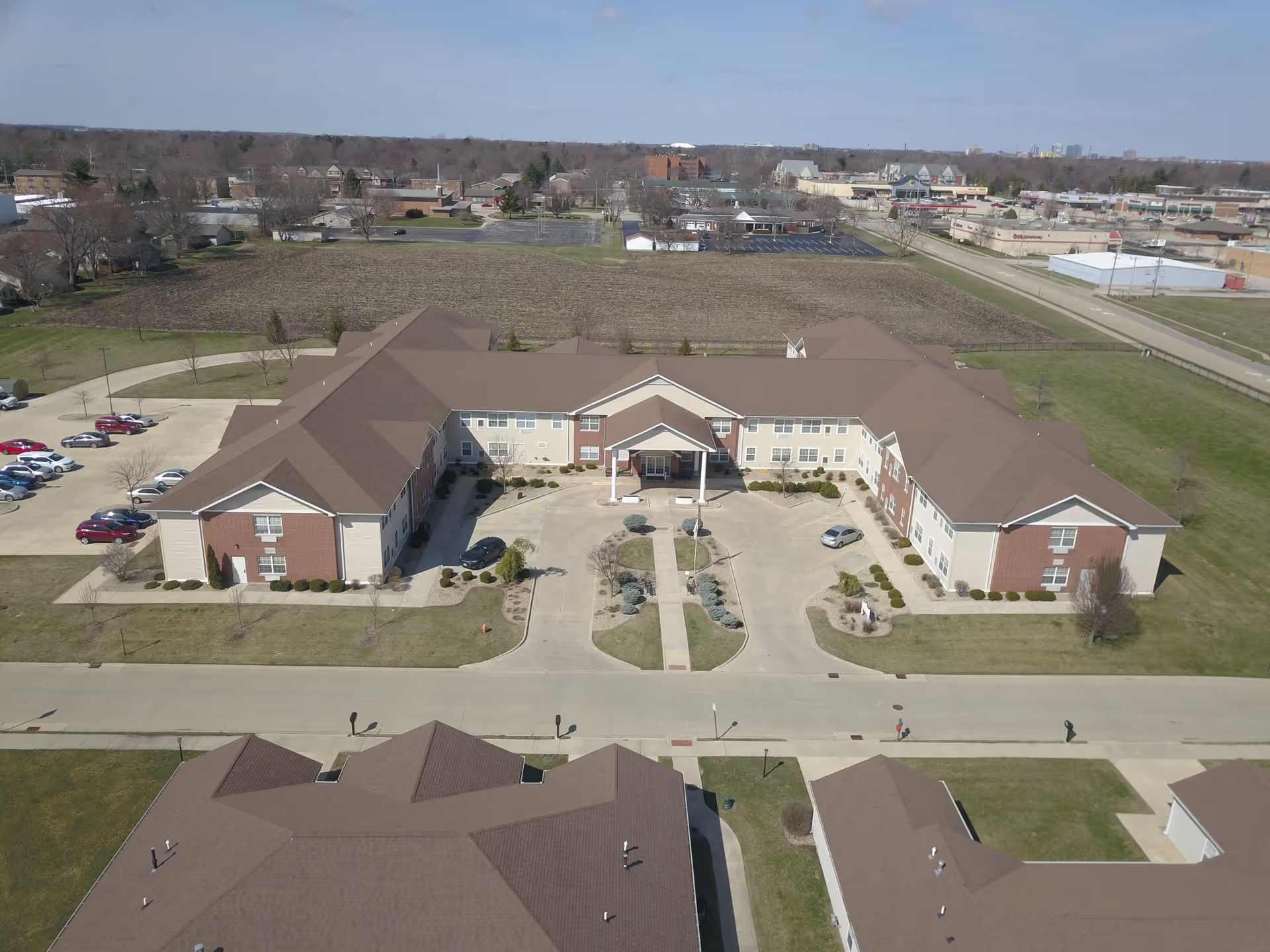
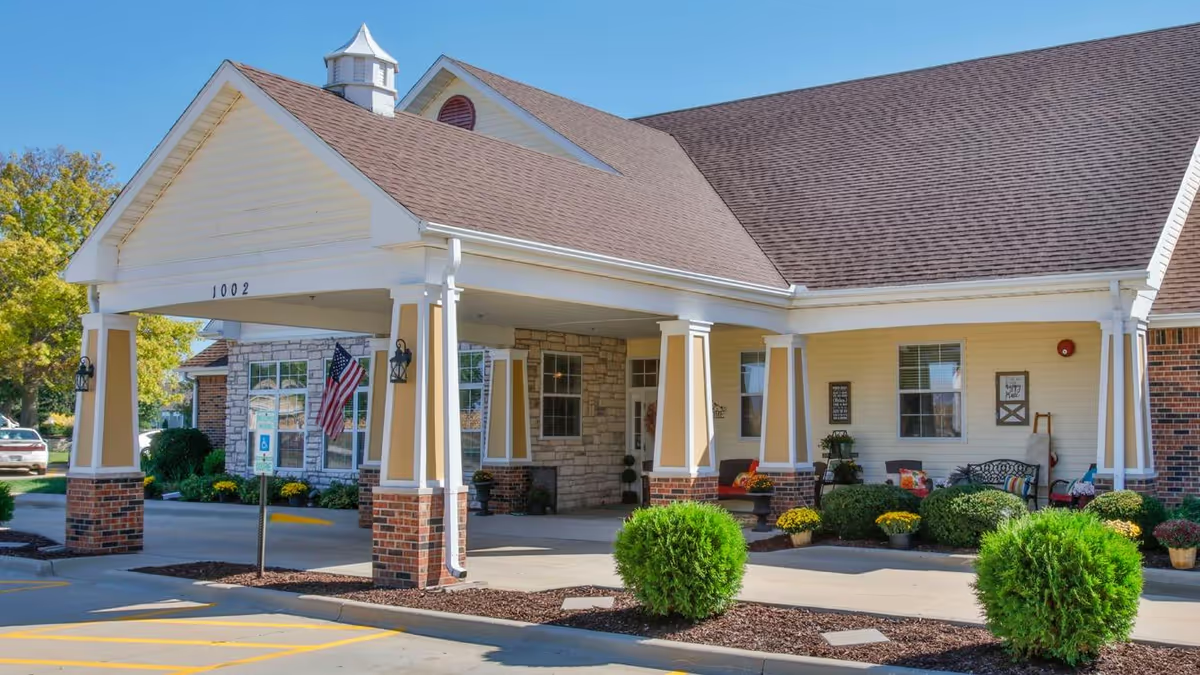
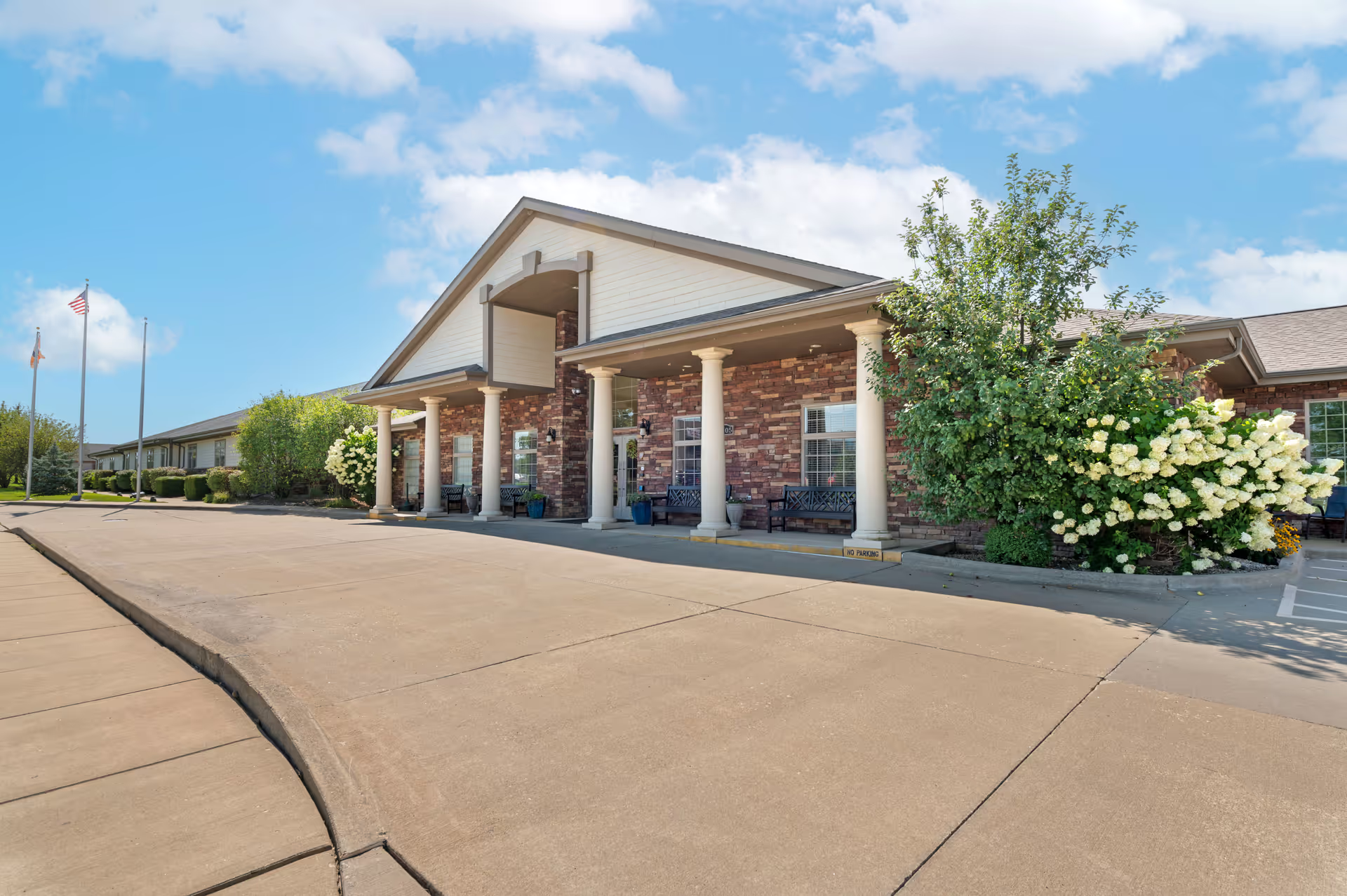
Overall impression: Reviews convey a largely positive resident environment characterized by clean, well‑kept facilities, comfortable apartment layouts, and pleasant outdoor and community spaces. Many reviewers praised the physical plant — light, airy rooms, nice one‑bedroom suites with walk‑in showers, attractive common areas and a well‑maintained courtyard and walkways. Value for money and a welcoming touring experience (including meals during visits) were also noted as strengths.
Care and staff: The caregiving culture is frequently described as warm and compassionate. Reviewers highlighted staff who know residents by name, perform safety checks, respond promptly to calls for help, and provide attentive assistance. Several comments identified strong leadership and dependable cross‑department teamwork; a named leader was singled out positively. At the same time, there are recurring concerns about inconsistency in clinical follow‑through — for example, gaps in implementing care plans and uneven clinical oversight — which have led some families to feel they must actively monitor medical care. There are also isolated but notable reports of unsatisfactory conduct from frontline staff, indicating variability in staff performance rather than a uniform pattern.
Dining: Dining is generally viewed as a positive amenity, with buffet‑style service, variety and generous portions cited by many. That said, multiple reviewers described variability in meal quality and consistency, and a few characterized the dining as below expectations. Prospective families should sample current menus and ask about meal‑service consistency and dietary accommodations.
Activities and programming: The community offers a range of activities (cards, Bingo, social events, and special amenities) and several reviewers praised an engaged activities staff. However, a number of comments referenced limited programming at times and recent turnover in activities leadership; the community indicates steps to expand offerings. Expect a program that is active but potentially variable as new staff and schedules are established.
Management and notable patterns: Management involvement and communication received mixed feedback. Many reviewers appreciated executive engagement, community relations outreach, and strong communications; others raised concerns about administrative follow‑through and leadership consistency. Operationally, the most significant patterns to watch are inconsistent clinical oversight and a reliance on families to advocate for and monitor medical care, plus variability in staff conduct and programming continuity. These are trait‑level issues rather than uniform failures, meaning experiences can differ by unit, shift, or period.
Guidance for prospective families: The facility displays clear strengths in environment, basic caregiving warmth, amenities and affordability. When evaluating the community in person, consider asking specific questions about clinical oversight protocols, staffing ratios and turnover, medication‑management processes, current activity schedules, and examples of how care plans are audited and communicated to families. Sampling a meal and observing an activity can help verify current consistency. These targeted inquiries will help determine whether the facility’s strengths align with a prospective resident’s clinical and social needs, particularly if advancing care needs or continuous medical oversight are anticipated.