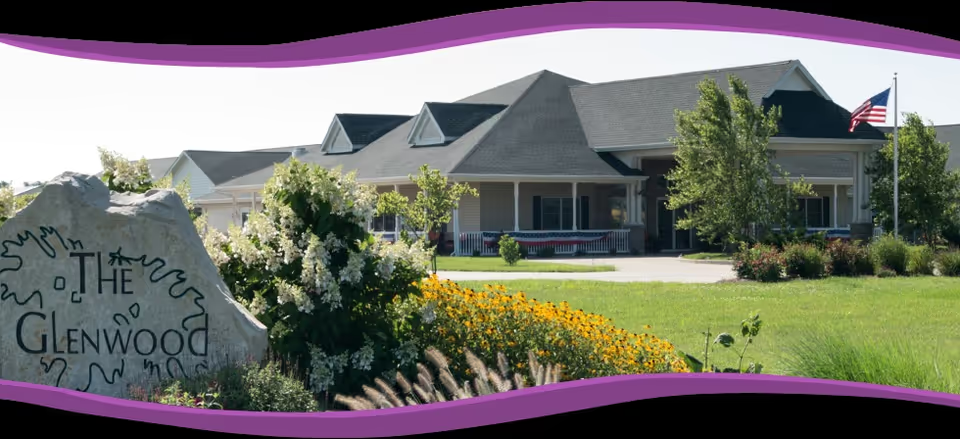
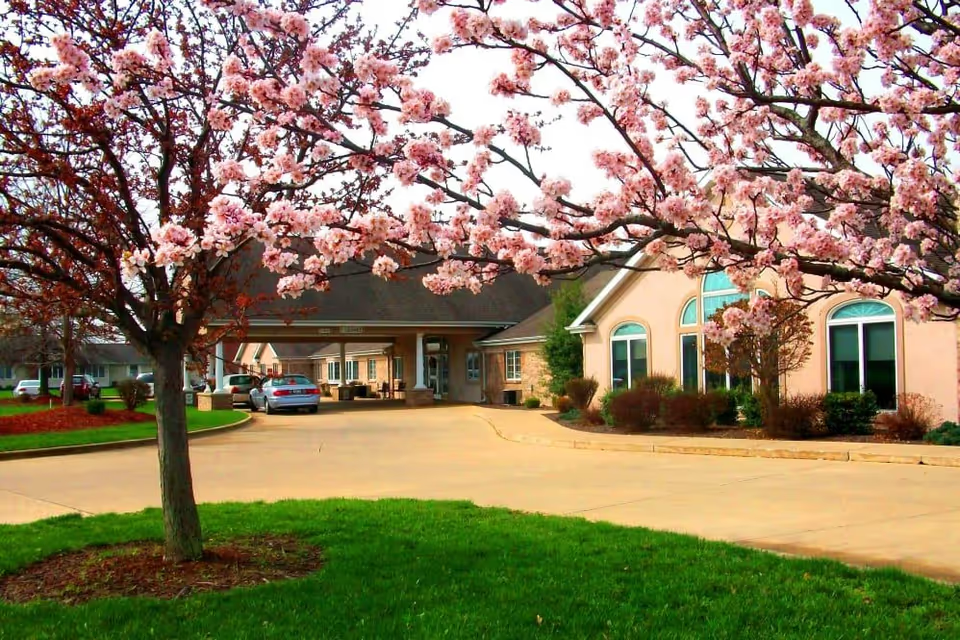
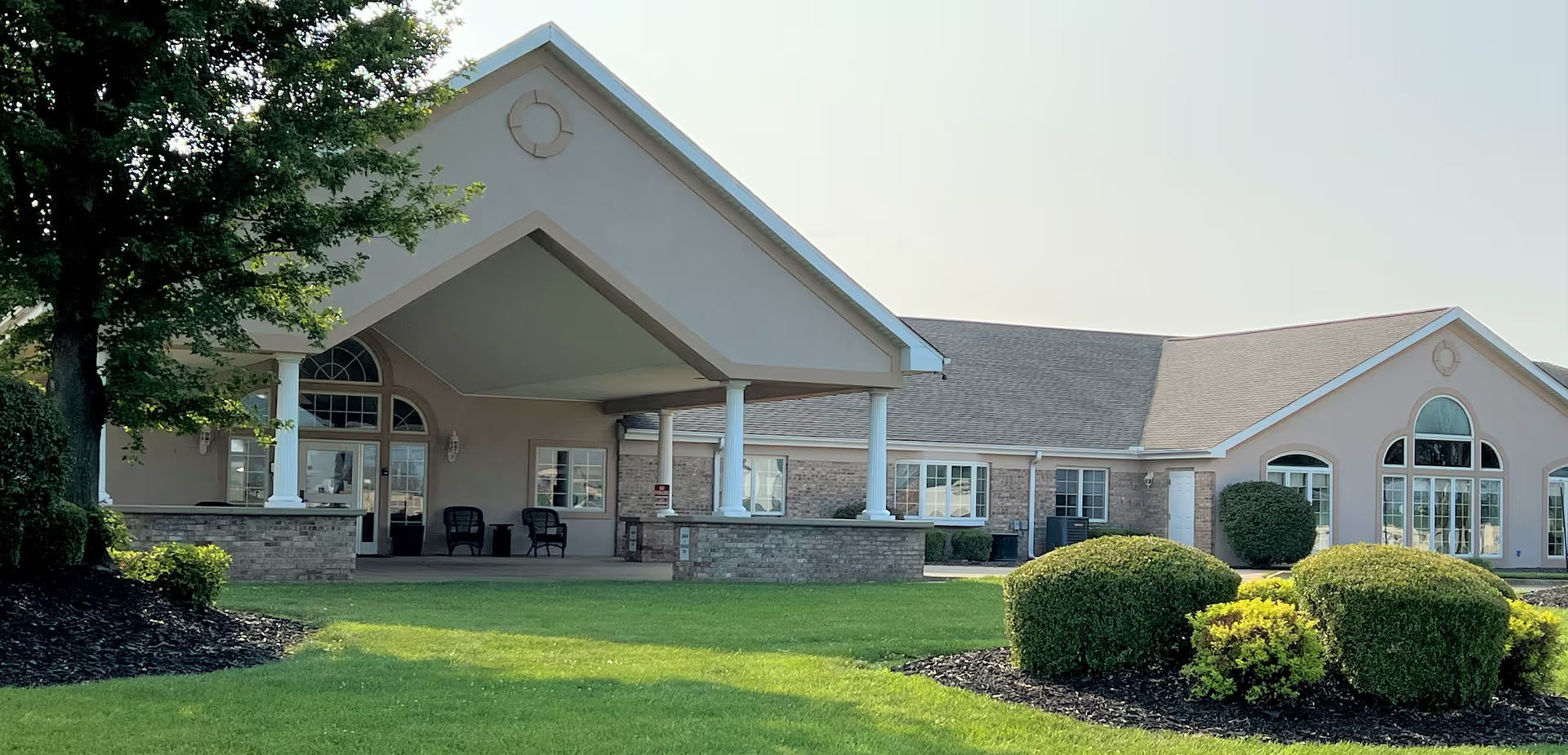
Villas of Holly Brook Shelbyville presents as a well-appointed, community-minded senior living option with a broad range of amenities. The property is frequently described as bright, attractive, and well-maintained, with lakeside grounds, an enclosed courtyard that includes a fireplace and gazebo, and a hotel-like lobby and dining room. Apartment layouts are generally regarded as updated and customizable, and on-site amenities such as a movie room, activity spaces, and outdoor gathering areas support an active social calendar and regular community events. Many accounts highlight a positive visitor impression and frequent resident participation in outings, local events, and celebratory functions.
Dining and activities are clear strengths for many residents: reviewers describe fresh, home-style meals, a pleasant dining environment, regular desserts or special treats, and a robust schedule of activities and off-site trips. The staff is often characterized as warm, caring, and engaged — involved in resident life, community events, and family interactions. Several families specifically cited compassionate caregivers, helpful administrative staff, and infection-control measures that contributed to a sense of safety and peace of mind. The community’s pet-friendly policy and emphasis on social engagement are additional benefits noted by residents and families.
Despite these positive patterns, there are notable operational concerns that prospective residents and families should evaluate. One cluster of comments points to inconsistent housekeeping and sanitation standards and occasional delays in waste-management or room-cleaning processes; these are described as intermittent but significant when they occur. Another pattern concerns responsiveness and staffing: reviewers described delays in attending to resident requests, variability in staff training and professionalism, and occasional communication breakdowns between staff and families. A subset of feedback indicates that the facility may have limits in its capacity to manage higher-acuity clinical needs, making it more suitable for residents requiring lower- to moderate-level care rather than complex skilled-nursing services. There is also one notable allegation of a privacy breach; while this appears to be an isolated but serious concern, it highlights the importance of asking about privacy safeguards and staff oversight.
Management and consistency emerge as a mixed picture. Some reviewers describe recent improvements in management, training, and food quality, while others express frustration with perceived lapses in oversight or follow-through. Dining quality is reported as generally good but variable over time according to some accounts. Affordability is another recurring theme — rent increases were mentioned as a concern by at least one family and should be clarified during financial discussions.
Recommendation: prospective residents and families will likely appreciate the facility’s amenities, active programming, and many positive staff interactions, but should conduct a targeted tour and interview. Key questions to raise include current staffing levels and training programs, housekeeping and sanitation protocols (including incontinence-care procedures and waste removal timelines), the facility’s capability to manage higher-acuity care, specific privacy safeguards and incident-reporting practices, recent management changes and their demonstrated effects, dining menus and consistency, and policy on fees and rent increases. Verifying these operational details will help match the community’s strengths with an individual resident’s care needs and expectations.