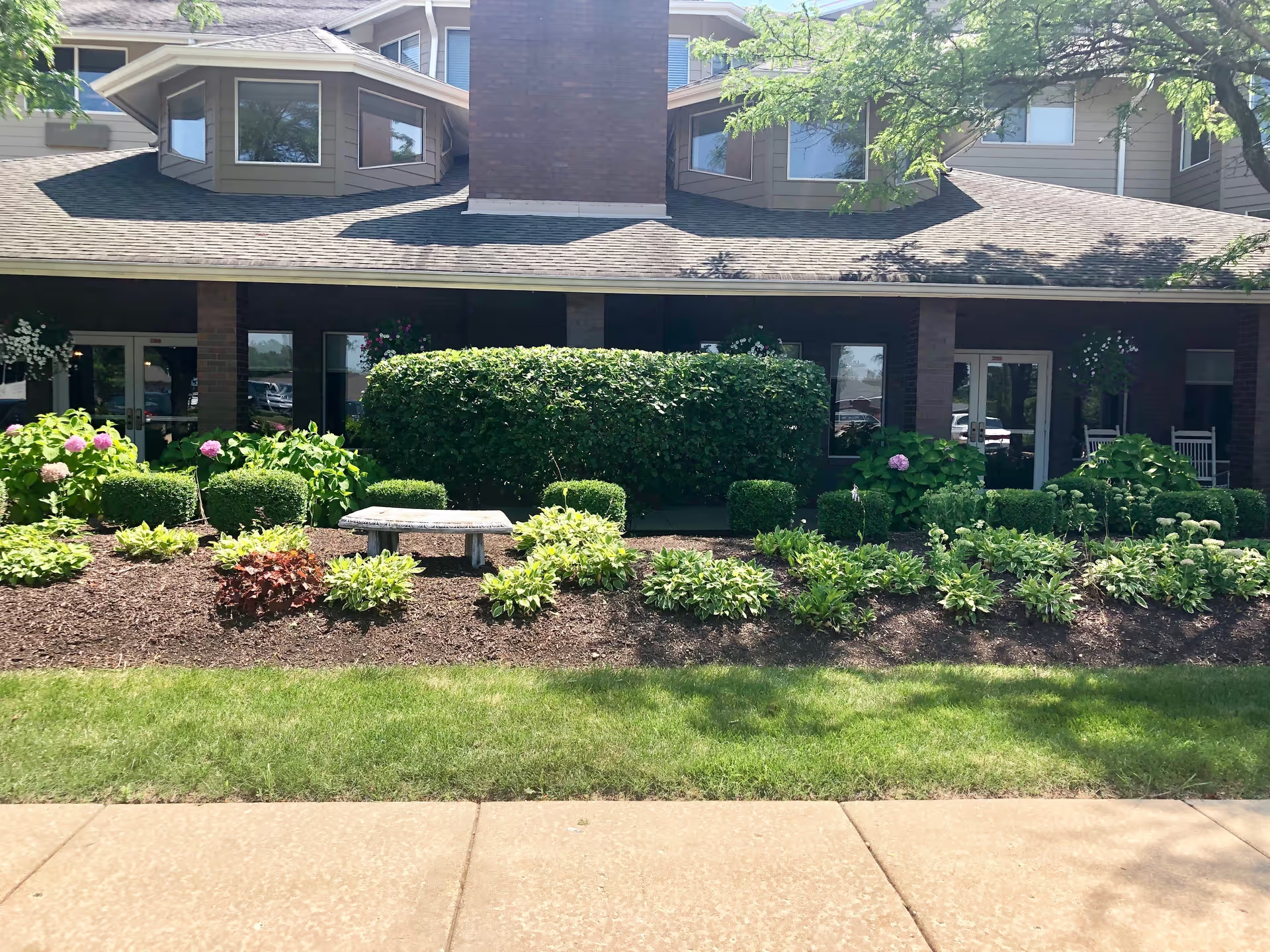
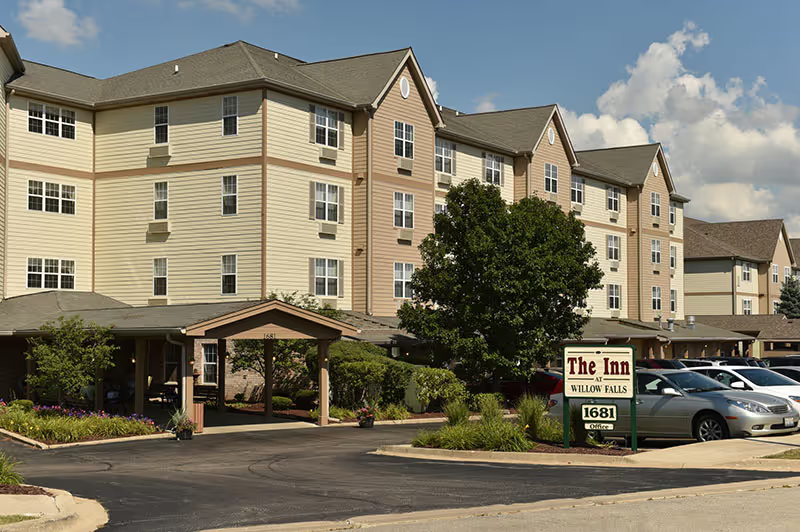
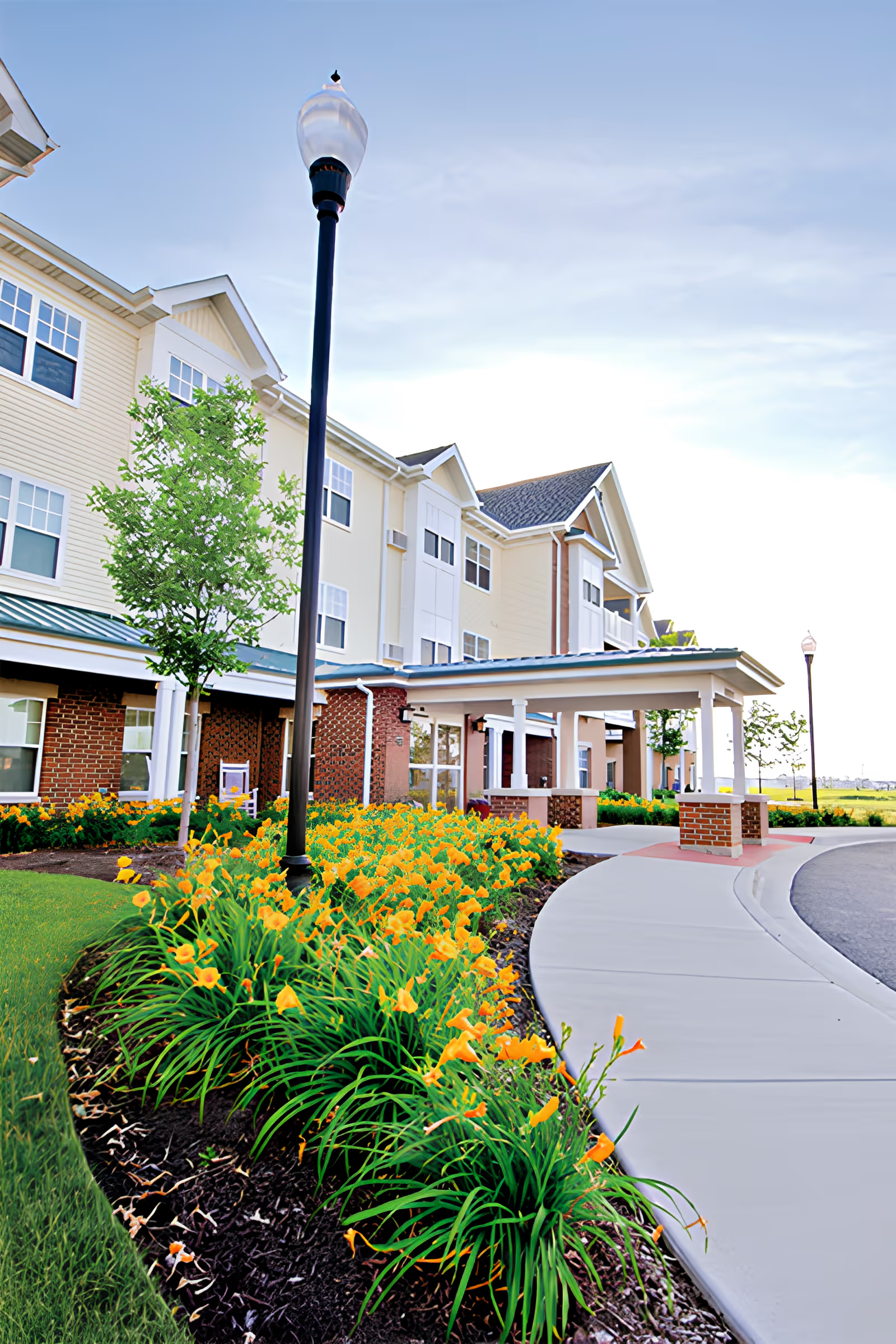
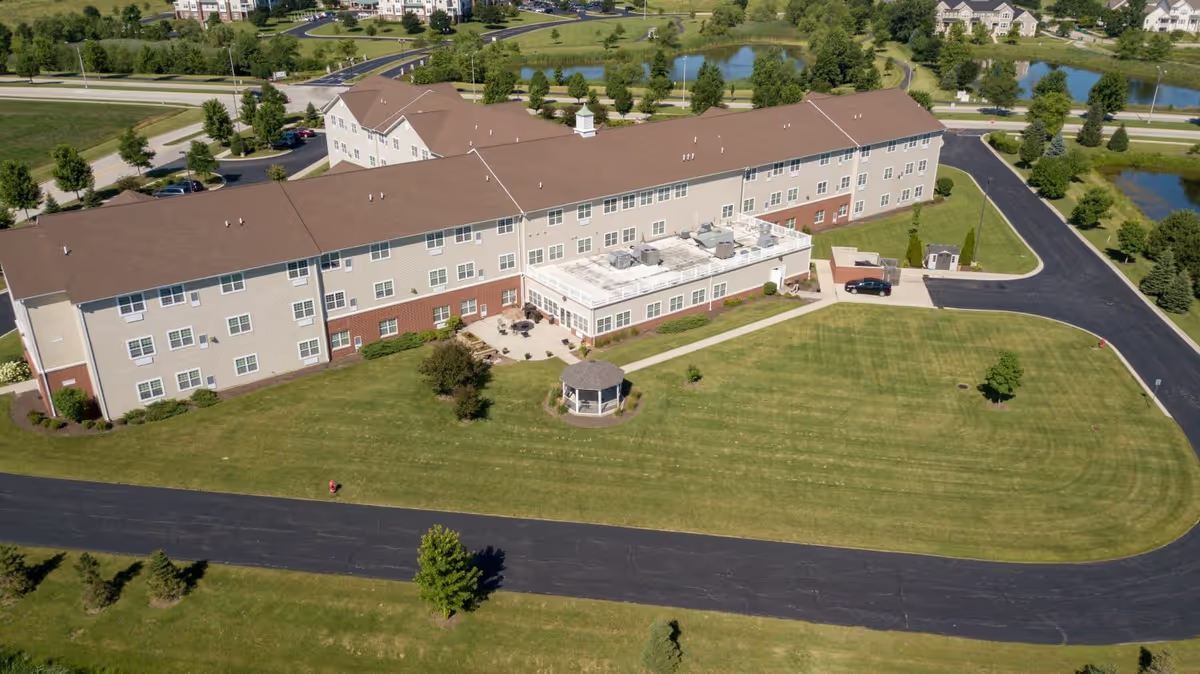
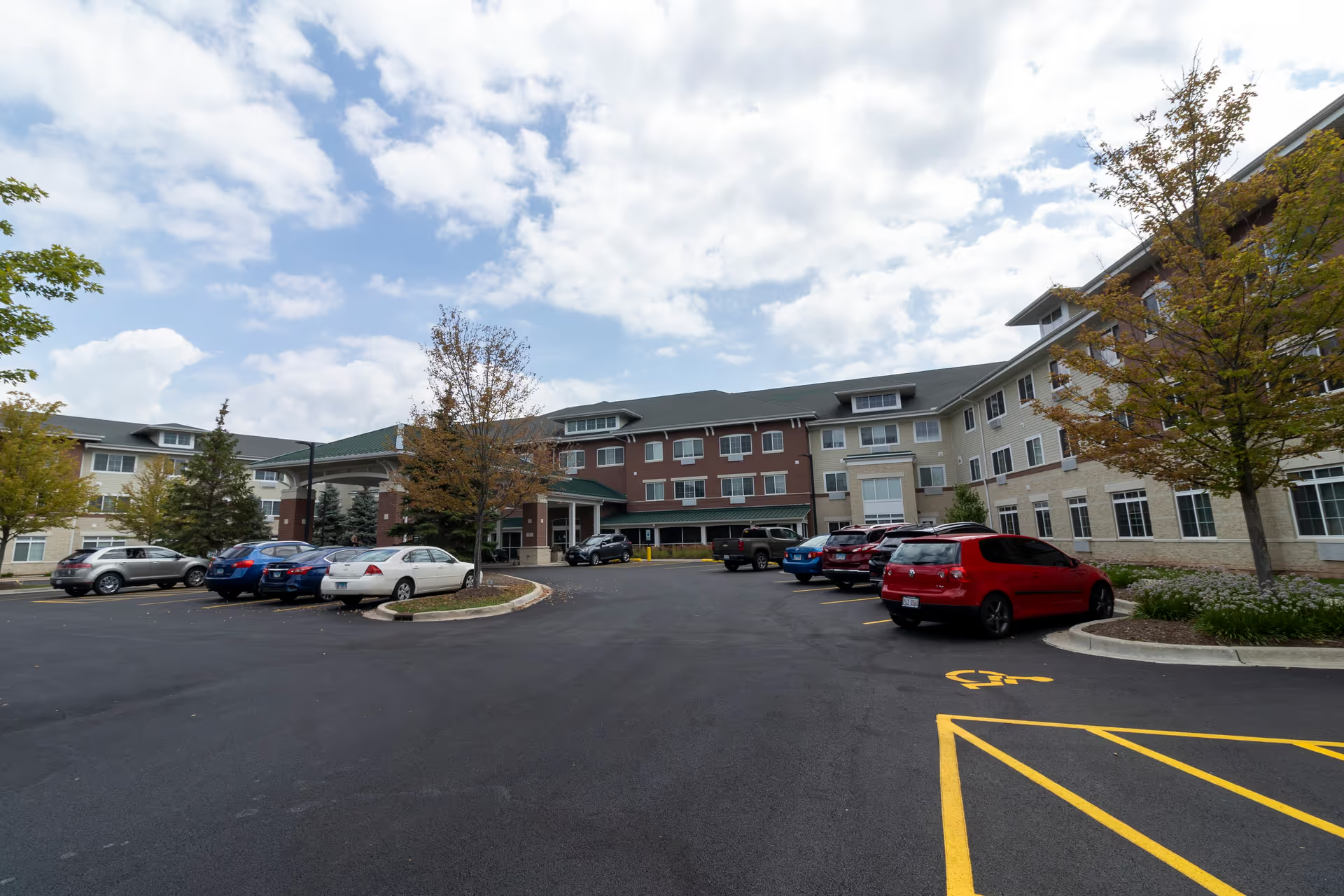
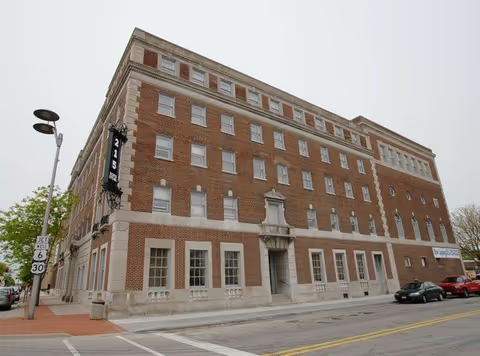
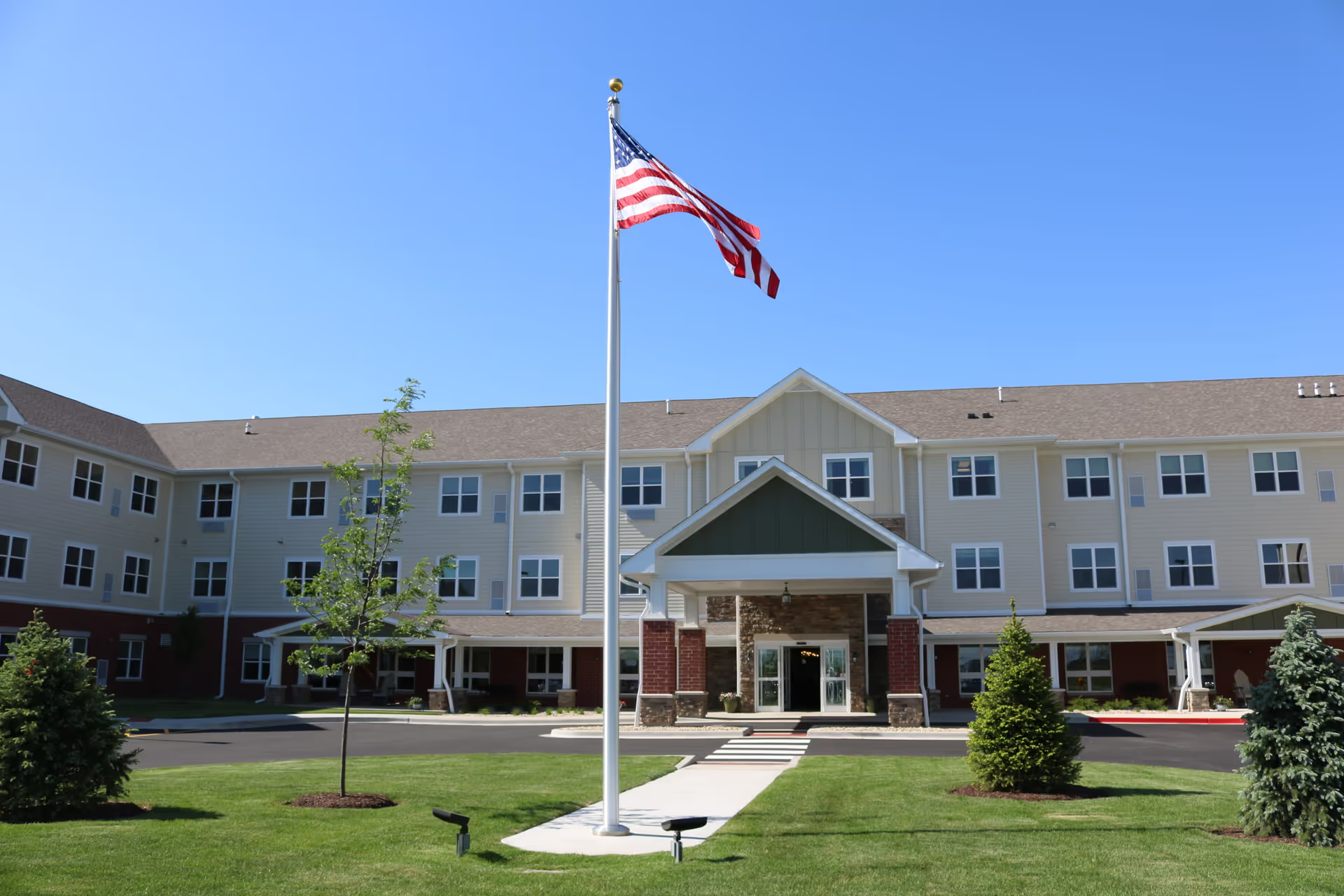
Reviewers describe a facility with clear strengths alongside notable operational inconsistencies. Positively, many families praise compassionate nursing staff and a therapy team that achieves measurable rehabilitation progress. Physical and occupational therapy are frequently described as effective and instrumental to recovery. The facility environment is often characterized as clean and well‑maintained, with attractive rooms (private and semi‑private) and reliable housekeeping and laundry services. Dining is commonly cited as a strength—meals described as high quality with an appealing dining room experience. Programming is robust, including daily religious services, bingo and other activities, memory-care options, and therapy-animal visits that support resident engagement.
At the same time, a recurring pattern in reviews points to operational weaknesses that affect day‑to‑day care reliability. The most consistent concern is unpredictable frontline staffing: CNAs are sometimes described as overextended, and families report slow or delayed responses to call bells. These delays are linked to incontinence‑care concerns and to missed or delayed assistance with toileting, bathing and mobility. Reviewers also describe intermittent shortages of basic supplies and irregular housekeeping frequency—issues that undermine the otherwise clean environment.
Clinical-process concerns appear in several areas. Some families raise questions about medication-administration consistency and timing, and there are reports of therapy appointments or discharge plans being rescheduled or poorly communicated. Transfer and mobility practices are another area of concern, with several accounts implying room for improvement in safe-transfer protocols. Additionally, a few reviewers describe billing and care-plan follow-up as problematic, and there are comments suggesting that staff responsiveness can improve when external oversight is present.
Management impressions are mixed: some reviewers commend proactive, professional administrative coordination and note prompt complaint handling, while others describe inconsistent follow‑through and communication lapses between shifts or during transitions of care. There are also isolated, serious allegations related to end‑of‑life care and clinical incidents that families raised; these individual claims warrant direct inquiry with facility leadership and, if appropriate, regulatory review.
In sum, Alden Estates of Shorewood presents many of the qualities families seek—clean facilities, strong therapy services, engaging programming and dedicated staff members—yet the experience appears more variable than uniformly reliable. Prospective residents and families would benefit from focused questions during tours about staffing levels, average call response times, toileting and transfer protocols, medication-administration procedures, and how the facility manages therapy scheduling and discharge coordination.