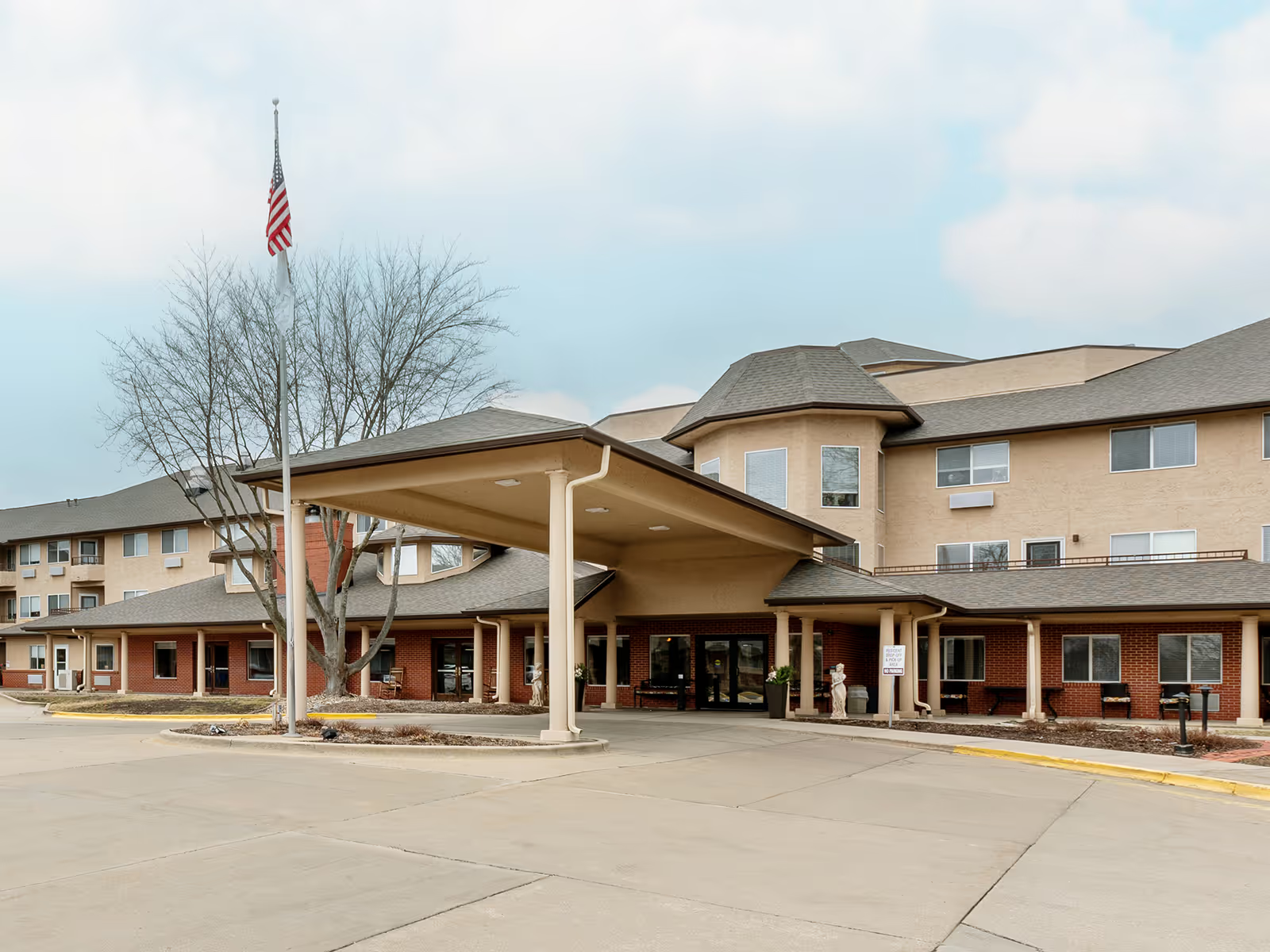
Trustwell Living of Springfield elicits a mixed but strongly polarized set of impressions. Many families emphasize warm, attentive caregiving and hands-on administrative support, while other accounts highlight recurring operational weaknesses. The facility's physical environment and program offerings score well in numerous reviews: recent renovations, spacious apartment-style units with private bathrooms and kitchenettes, an attractive garden/sitting area, and on-site amenities such as a beautician and transportation are frequently praised. Residents and families also cite a robust activities program (music, bingo, Bible studies, therapy-based programming) and the ability to customize meals, which contributes to a sustained sense of independence for many residents.
Care quality is described unevenly. Positive narratives describe individualized attention, regular nurse check-ins, helpful care transitions, and staff who "go above and beyond." Conversely, a number of families raised operational concerns that affect clinical reliability: missed or delayed medications, lost medication records during transfers, irregular showering and grooming assistance, and inconsistent supervision in memory care during overnight hours. One family-level complaint prompted contact with public-health authorities regarding nighttime memory-care supervision. These contrasting accounts suggest that clinical performance may vary by unit, shift, and period of staff turnover.
Staff strengths and leadership earn repeated commendation. Individual caregivers and managers (several staff members named by families) are credited with smoothing moves, answering questions, and maintaining positive family relationships. However, reviewers also describe staffing shortages, especially on weekends and overnight, plus frequent turnover that undermines consistency. Administrative responsiveness is similarly mixed: many reviewers praise on-site leaders for being reachable and proactive, while others describe difficulty contacting the director or corporate office and delays in resolving billing or scheduling issues.
Dining and resident services are a notable strength for many residents: reviewers frequently cite well-balanced menus, the ability to order off-menu or make accommodations, and generally enjoyable meals. At the same time, there are repeated operational complaints about meal delivery and timing — dishes arriving cold, meals running out, or extended wait times — indicating variability in kitchen service continuity.
Activities and social programming are available and appreciated when delivered as intended; families report meaningful engagement, peer socialization, and therapeutic offerings. Still, other reviewers perceive low activity levels or uneven implementation of programs. Cleanliness and maintenance are generally highlighted as positive after renovations, but isolated sanitation and waste-management issues (including pest-control concerns tied to trash handling) and uneven room cleaning were also raised.
Notable patterns: (1) experiences appear to cluster — many families report excellent, personalized care tied to specific staff and managers, while others describe operational failures that significantly affect day-to-day quality; (2) variability is often linked to staffing levels, shift coverage, and recent turnover; and (3) memory-care operations drew some of the most serious family concerns about supervision and consistency.
For prospective residents and families: clarify staffing ratios and overnight coverage, ask about medication-administration safeguards and transfer protocols, request examples of meal-service timing and backup plans, tour memory-care areas during different times of day if possible, and review contract, billing, and refund policies in writing. These targeted questions can help assess whether the facility’s current operational profile matches the level of reliability and oversight your loved one requires.