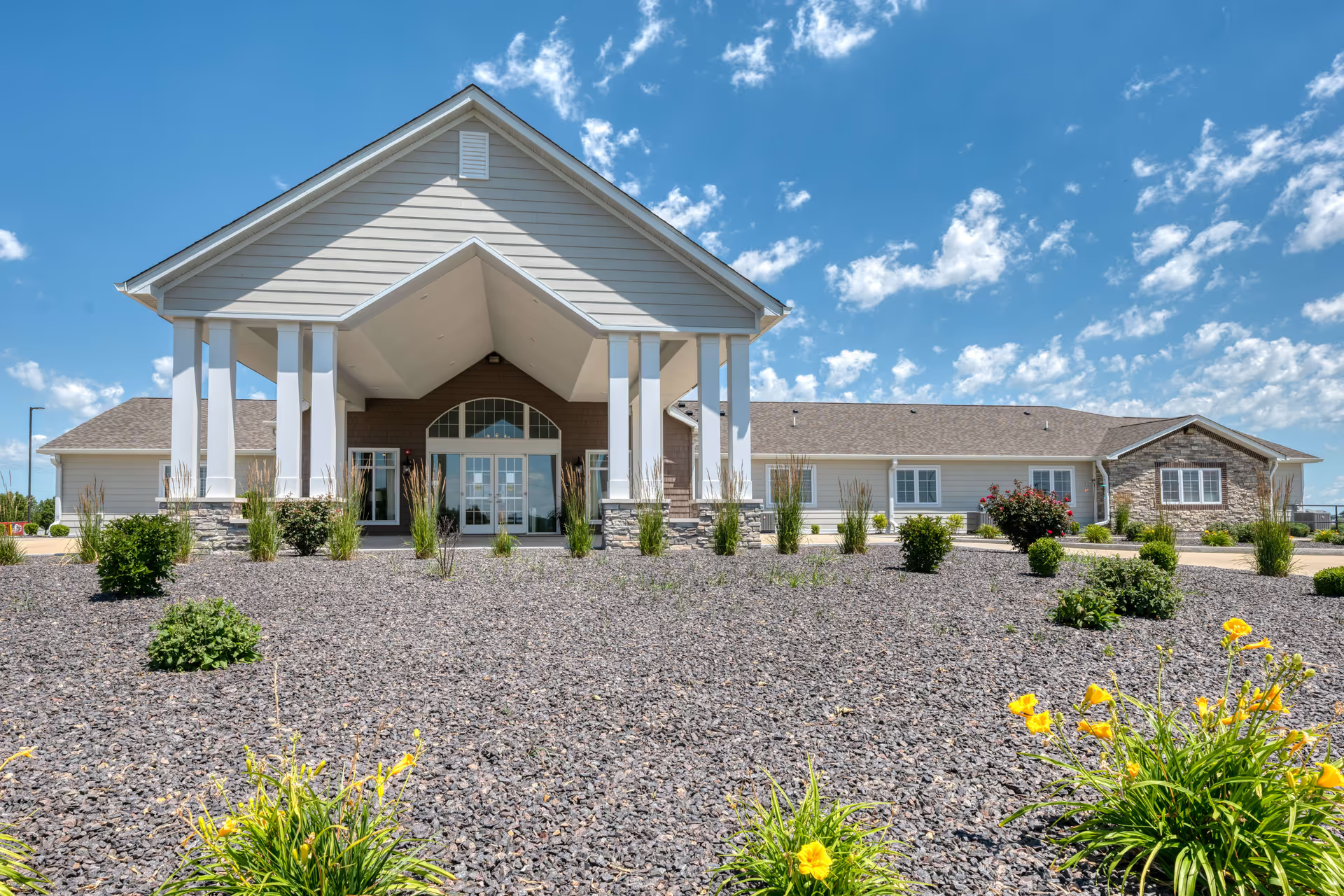
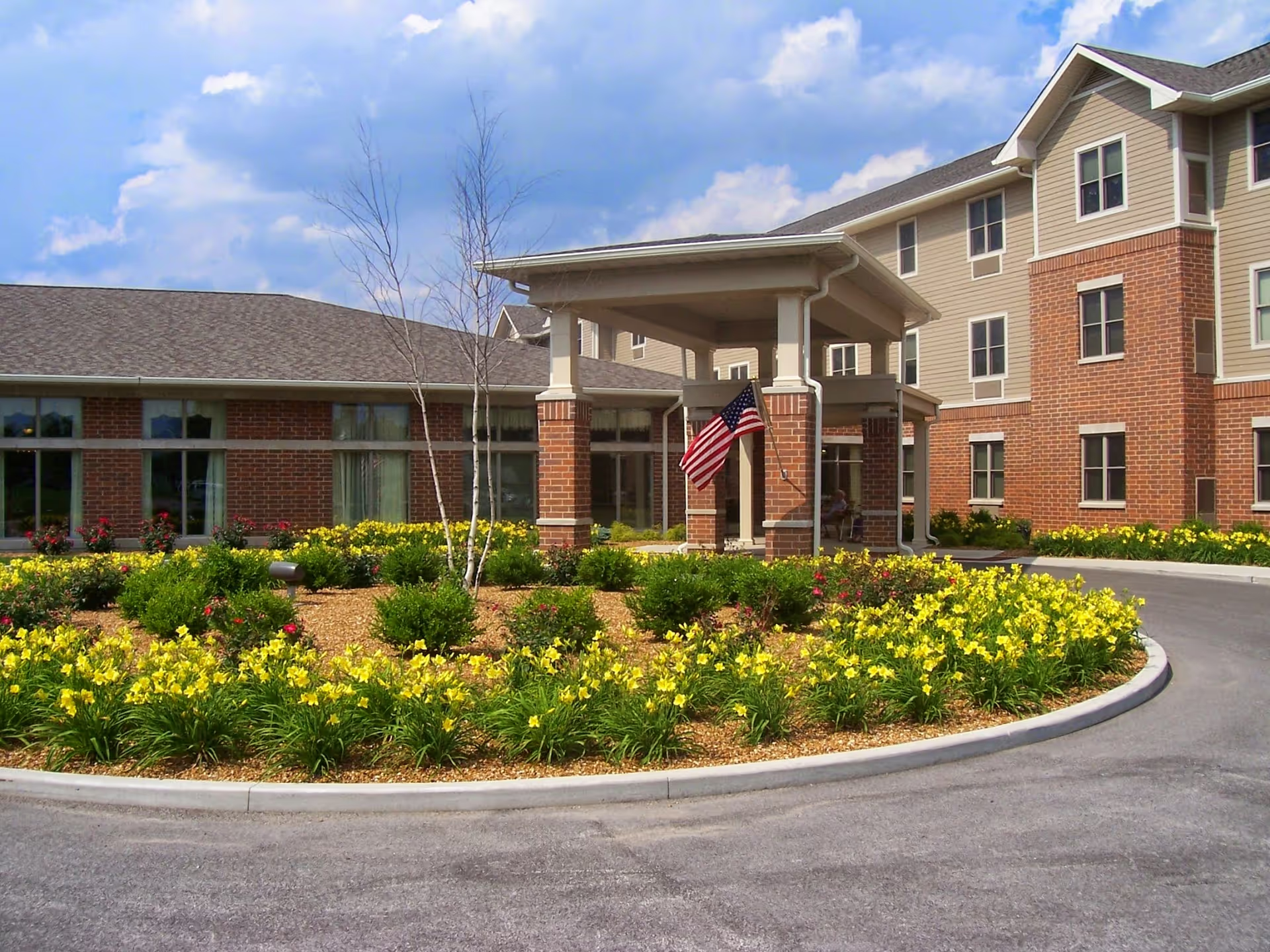
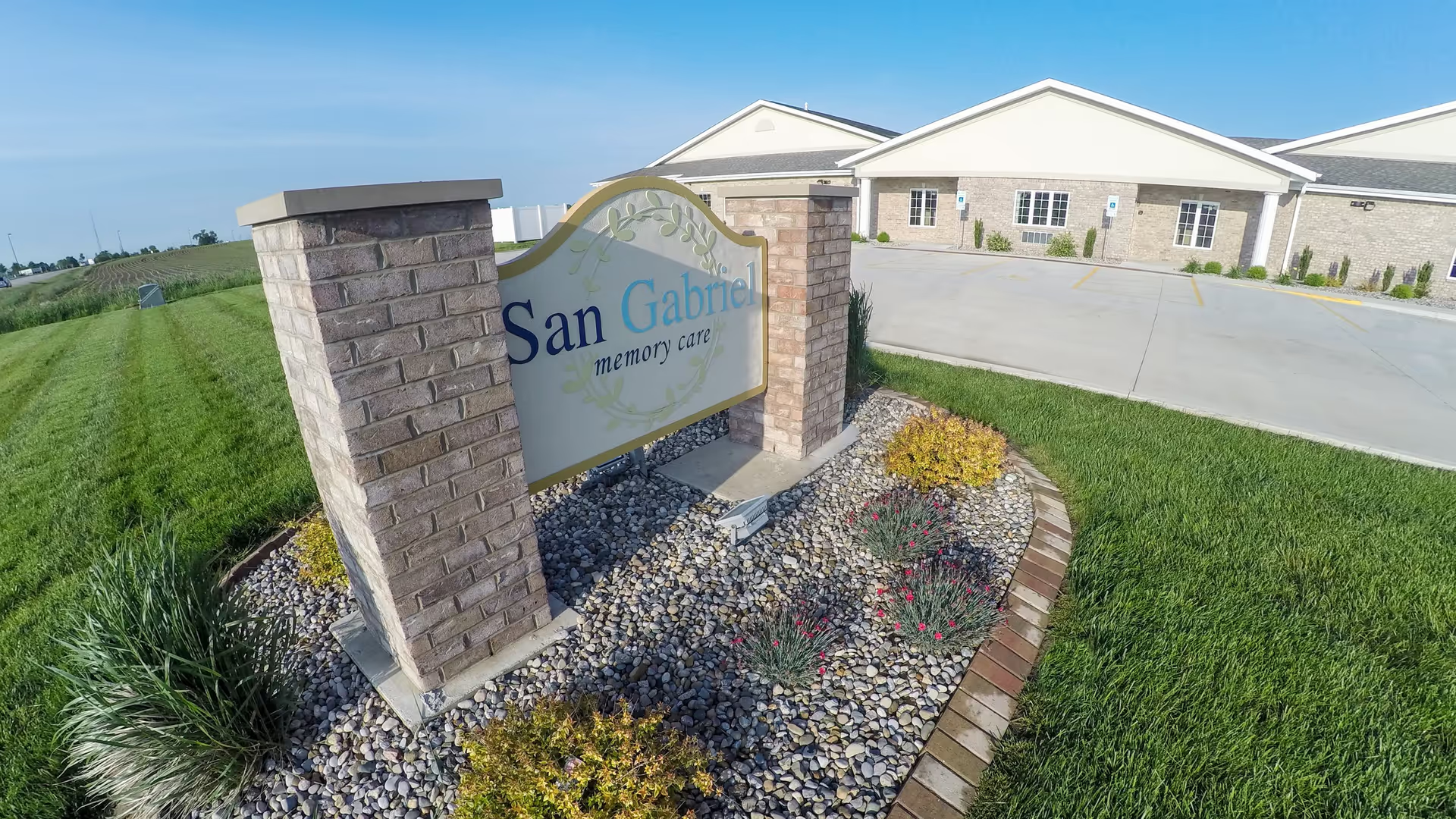
The Glenwood Supportive Living of Staunton is described by families and residents as a generally well-run assisted-living option with a strong emphasis on day-to-day caregiving and social engagement. Many reviewers highlight the compassion and responsiveness of frontline staff and praise the local administration — with the facility administrator named specifically for personalized attention. Care-related strengths include medication supervision, nursing-style assistance, and available in-house therapy, which families cited as contributing to a sense of safety and continuity for residents.
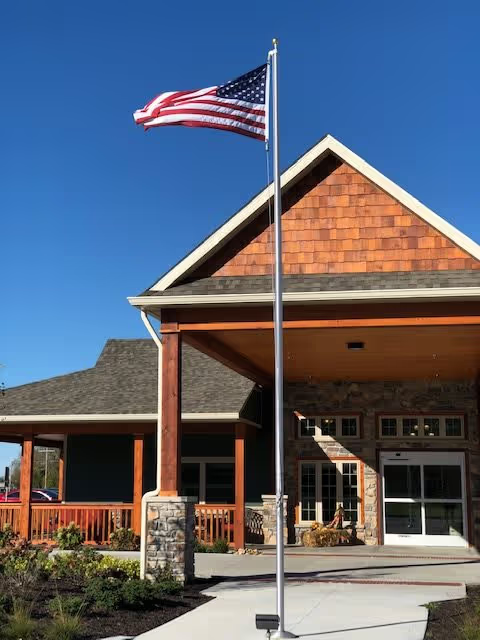
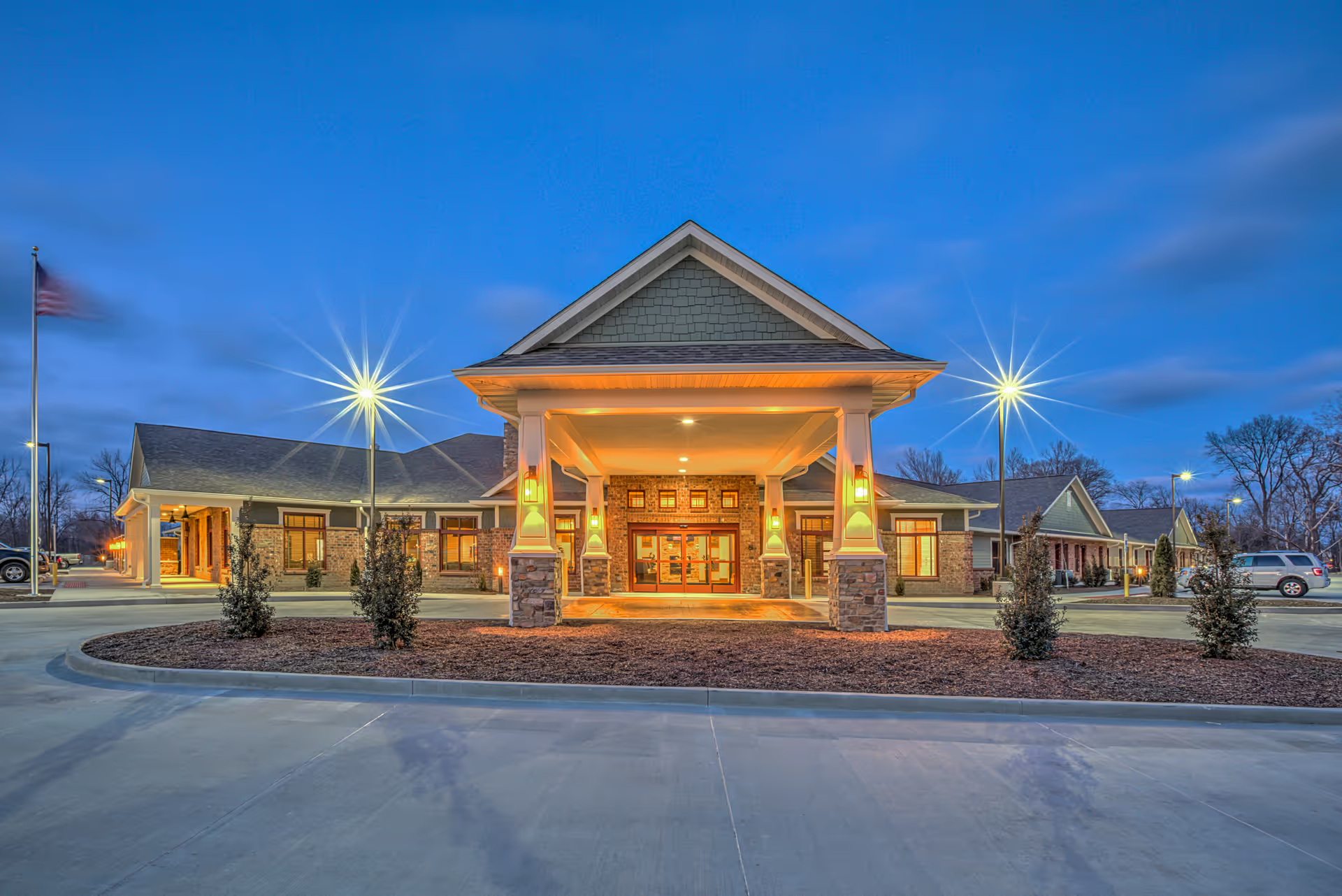
Dining and social programming are consistent positives. Multiple reviews emphasize enjoyable meals and frequent, varied activities: scheduled group programming, live entertainment, trips out of the building, games such as bingo, and other opportunities for socialization. The physical environment is described as clean, recently updated, and apartment-like, with private studios or one-bedroom layouts, in-unit conveniences (microwave), communal laundry and coffee areas, and an atmosphere that many residents characterize as homelike. Several reviewers indicated long-term satisfaction, including residents who have lived at the community for many years.
Operational and management patterns warrant careful consideration. Reviewers noted intermittent understaffing and consequential delays in responding to assistance requests; this can affect timeliness of care even when individual staff are described as caring and attentive. There are also remarks about occasional housekeeping or maintenance lapses in common areas. On the organizational side, families described friction or communication gaps between the local facility team and the broader corporate structure; this was framed as a frustration when attempting higher-level problem resolution. Practical preparedness is another area to assess: a number of reviewers mentioned repeated power outages and the need for improved backup power solutions.
In summary, Glenwood of Staunton appears to offer strong, resident-focused day-to-day care, engaging activities, and a well-maintained apartment-style environment at a competitive price point. Prospective residents and families should weigh these strengths against operational considerations such as staffing patterns, responsiveness during peak demand, corporate-level communication processes, and facility emergency preparedness. Visiting the community at different times of day, speaking with the local administration (including the named administrator), and asking about staffing ratios and emergency power plans will help determine whether this community’s strengths align with the prospective resident’s priorities.