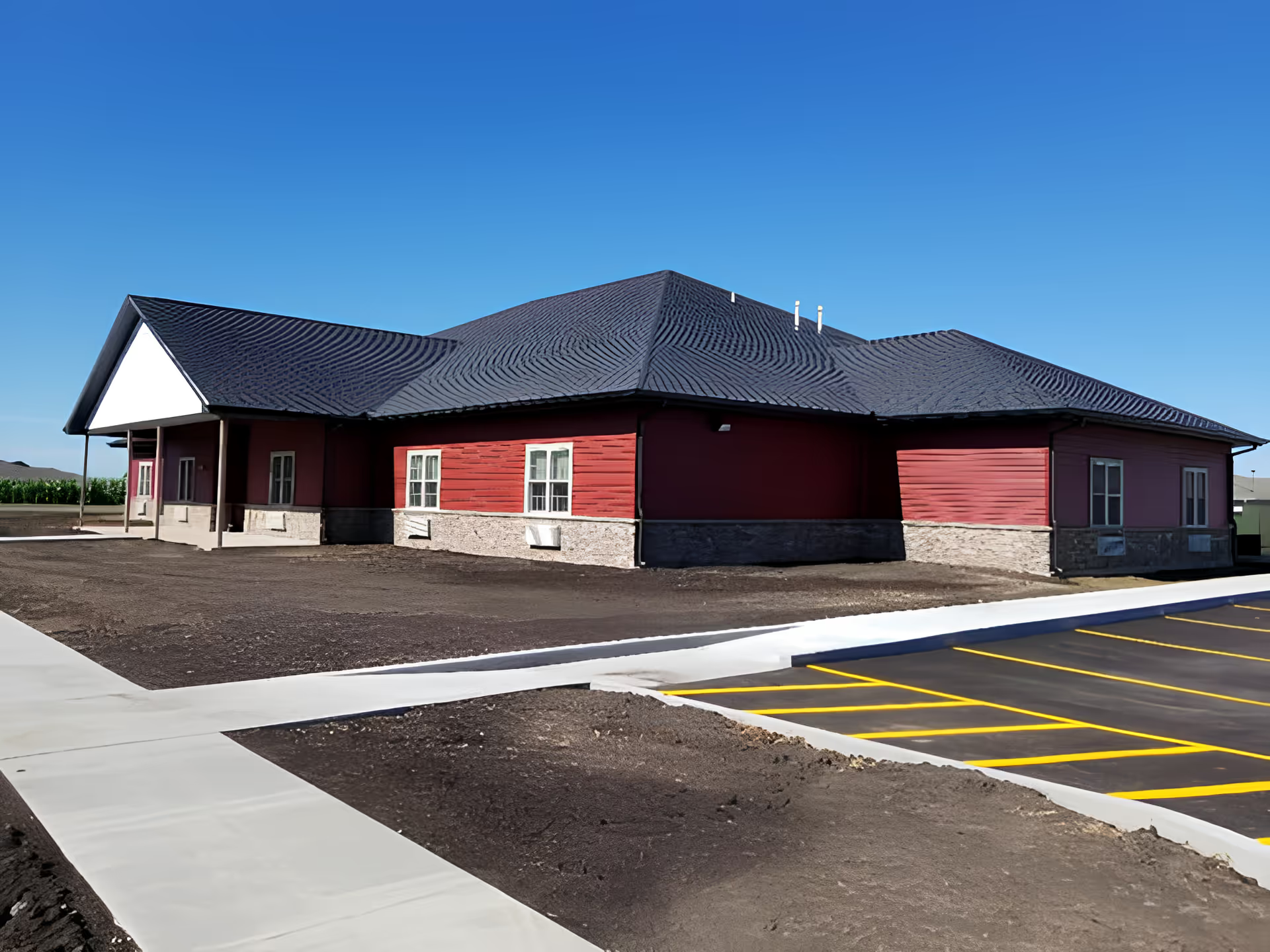
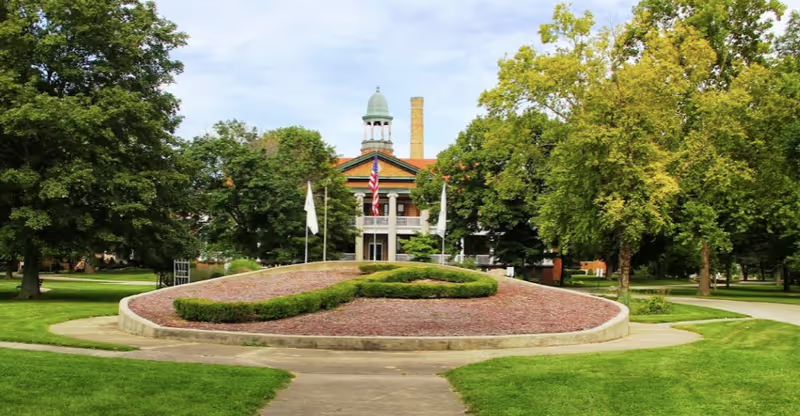
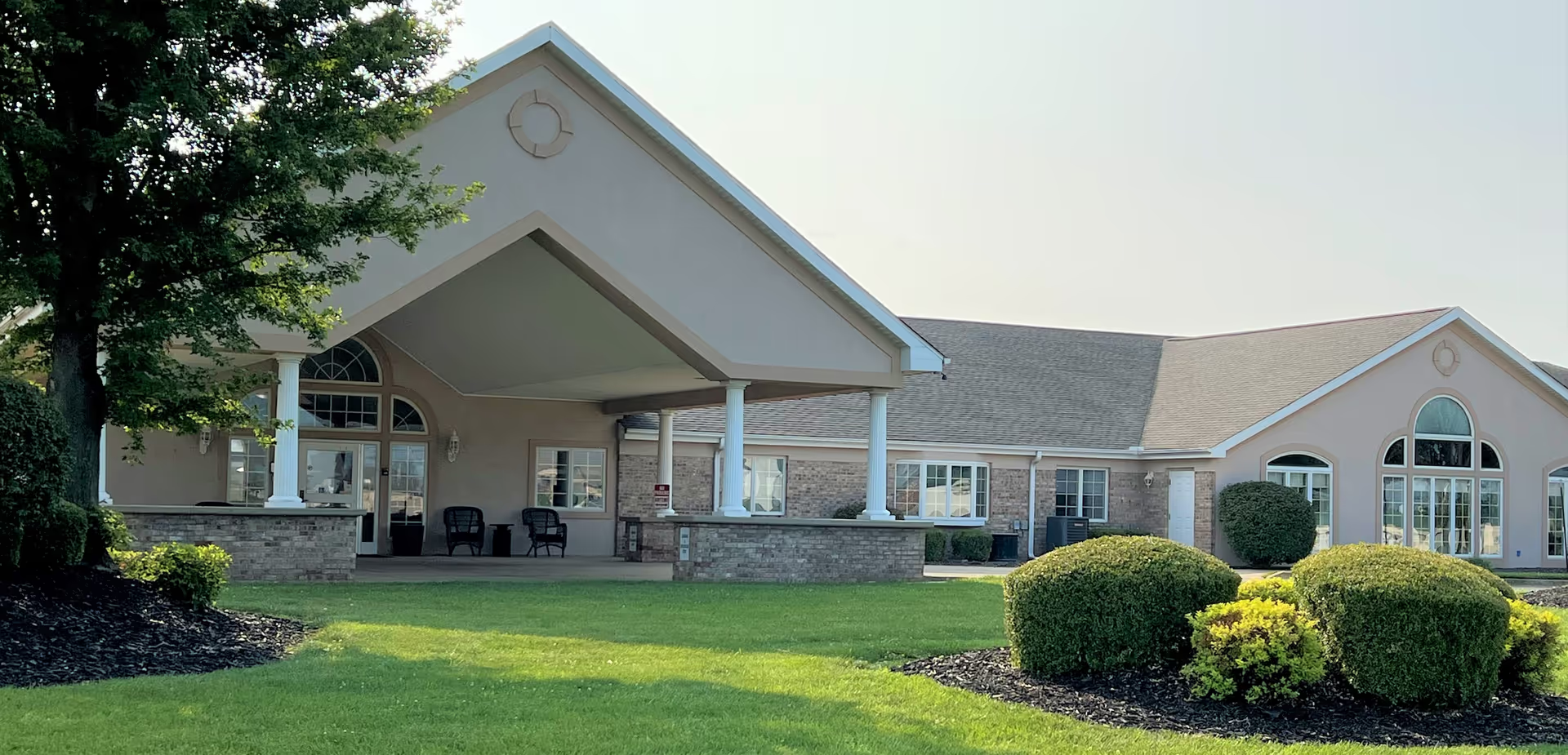
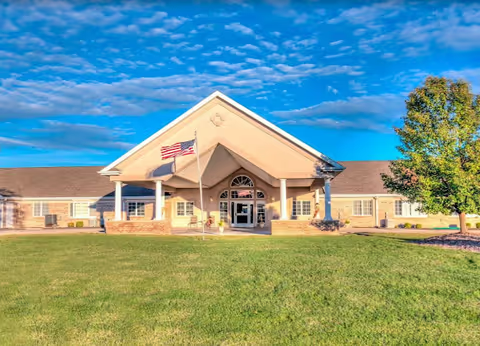
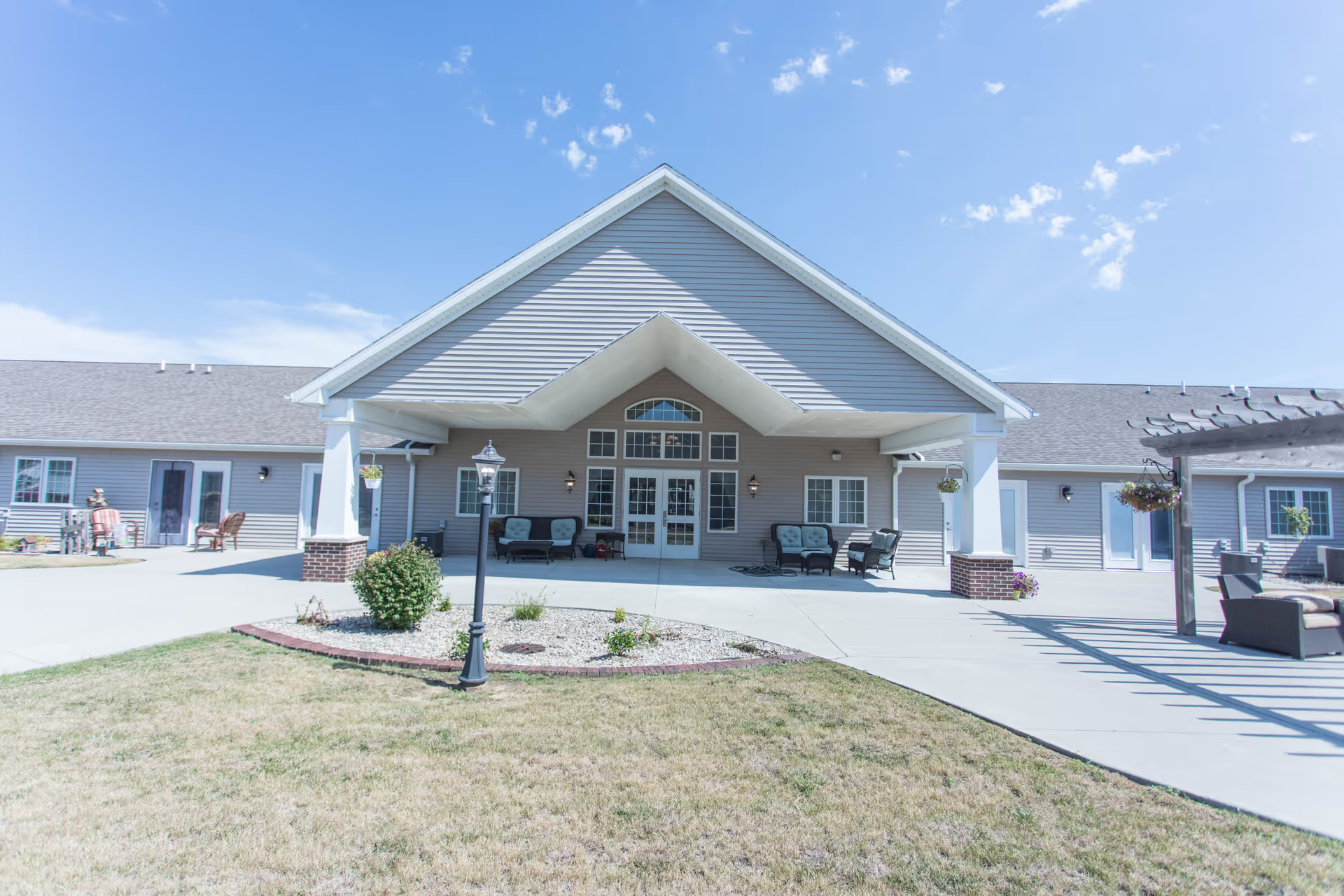
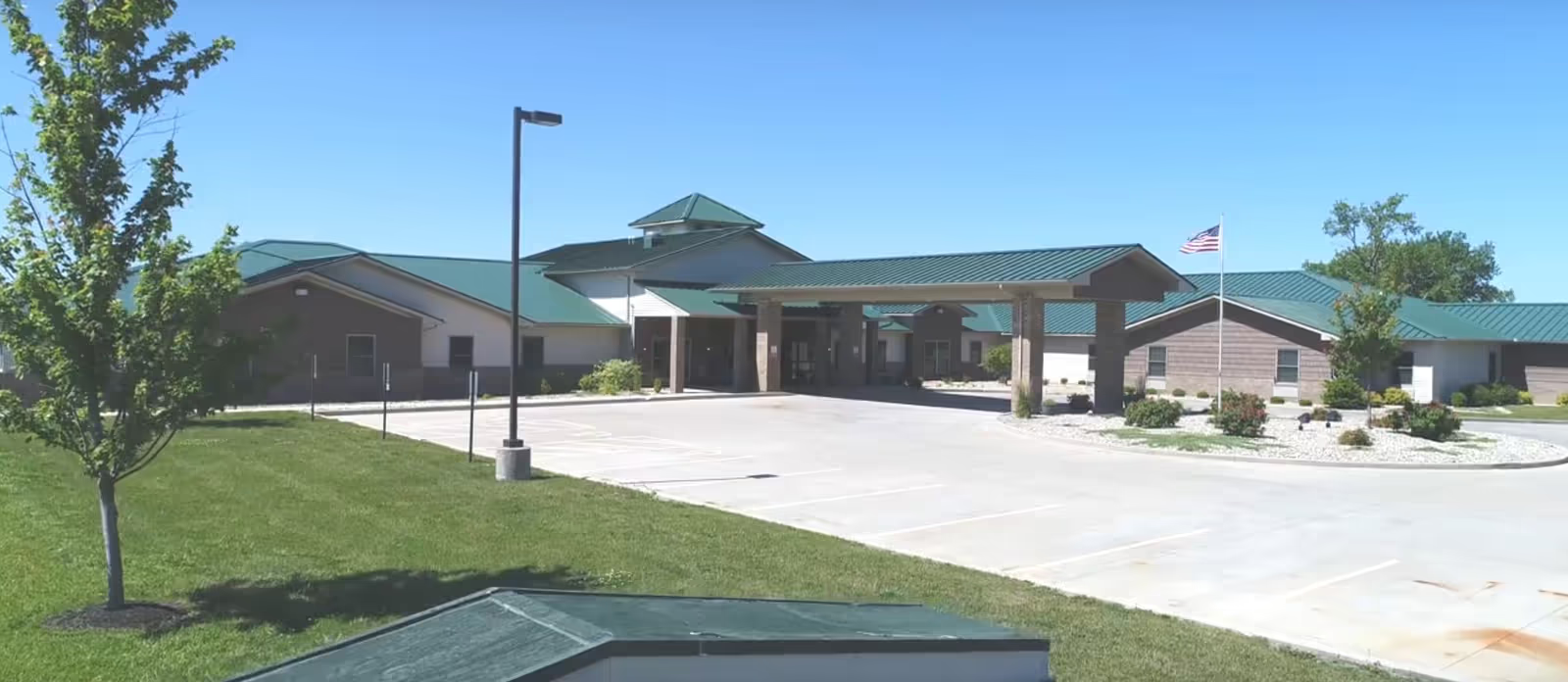
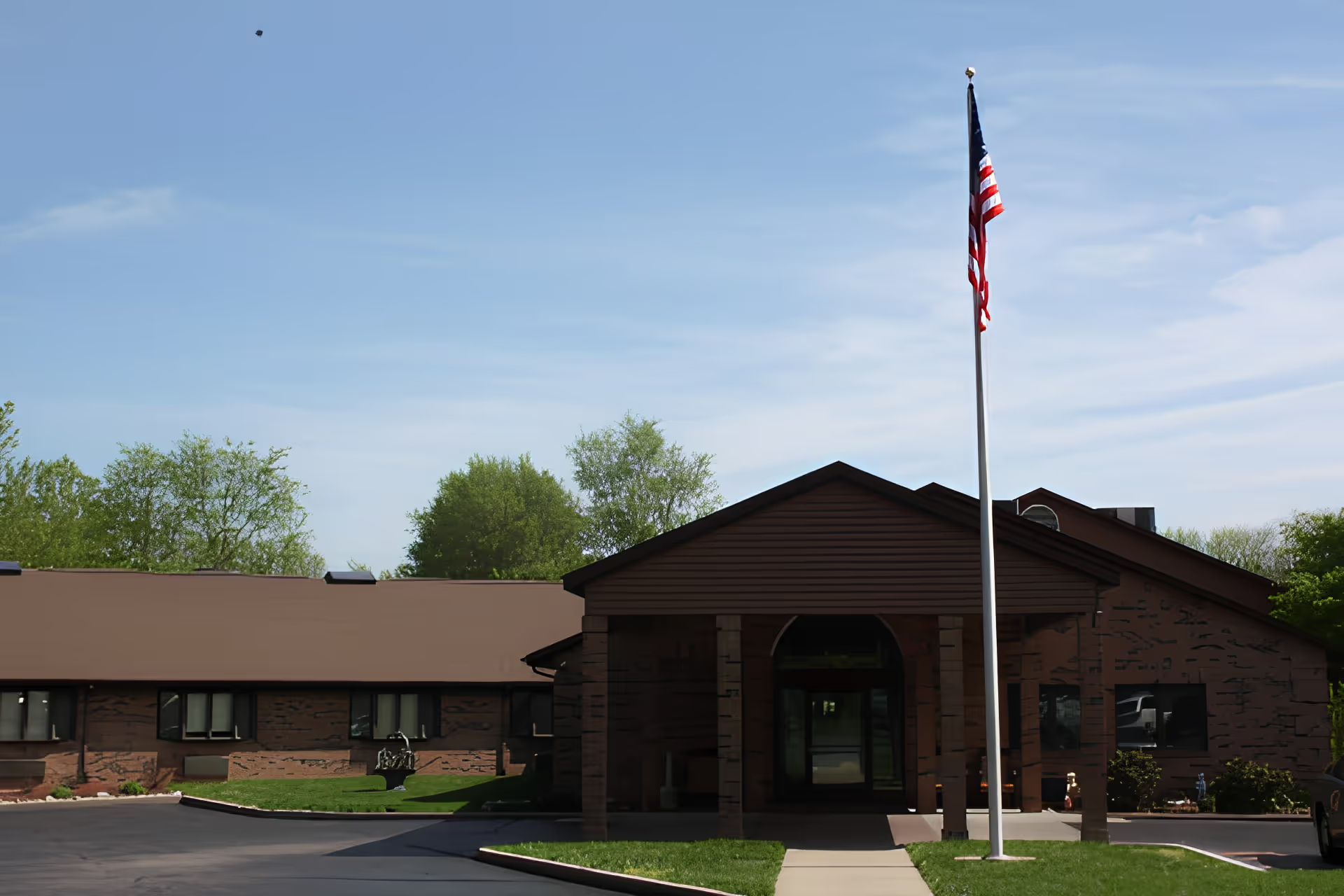
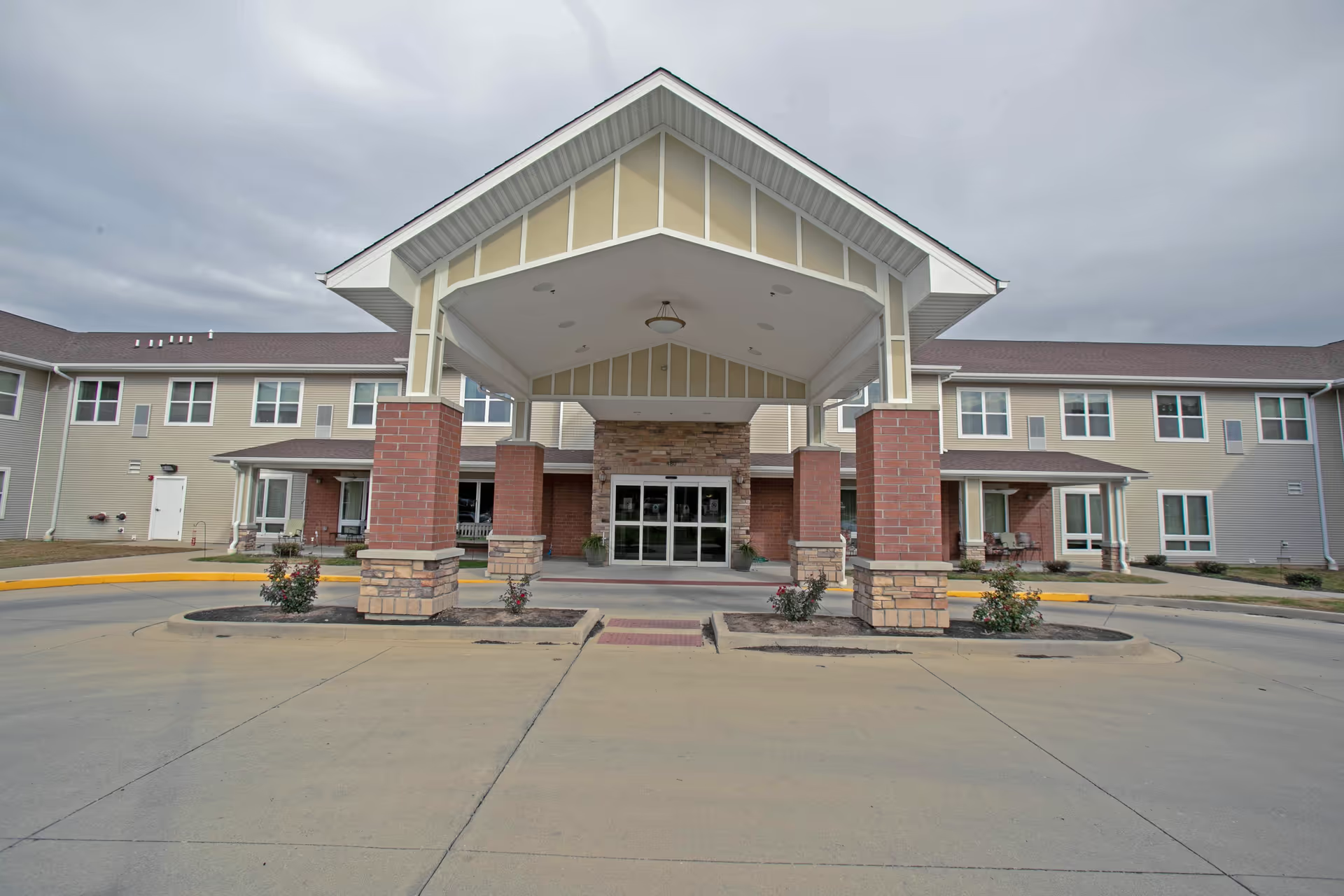
Aspen Creek of Sullivan is described by many families as a small, home-style memory-care residence that delivers a warm, family-like environment and focused dementia care. Positive accounts emphasize a 12-resident scale that supports individualized attention, an open kitchen/dining area that promotes social interaction, and consistently praised home-cooked meals prepared by on-site chefs. Reviewers frequently highlight compassionate, attentive aides and nurses, collaborative relationships with hospice partners, and practices intended to support residents’ dignity and quality of life.
Care and staffing are often cited as strengths: staff are characterized as loving, patient, and proactive in communicating with families. Several accounts note examples of high engagement such as staff staying with residents during acute needs, accompaniment to hospital visits, and adjustments to staffing levels when needs increased. Families report that the team can be flexible with refusals and personalize routines, and that medication-management processes and clinical responsiveness are effective for many residents.
At the same time, a pattern of inconsistent experiences emerges. Some families describe concerns about care quality, safety oversight, and staffing adequacy; these accounts point to instances of low staff-to-resident ratios and variability in how well operational standards are maintained. There are also specific concerns about privacy and monitoring policies, including use of cameras, and about the tone of staff–resident interactions in certain situations. In a small number of cases these issues have escalated to formal attention, and the presence of such allegations suggests prospective families should review regulatory history and incident follow-up documentation.
Dining, activities, and physical setting are commonly viewed positively. The facility’s communal spaces and pleasant neighborhood setting, along with the presence of on-site pets, are reported to contribute to resident engagement and comfort. Families appreciate the sense of purpose residents gain through participation in daily routines and shared meals.
Management and administrative practices show mixed impressions. Several families praise outreach staff and owners who assist with insurance matters and go above and beyond for residents; others describe contractual disagreements, delayed or disputed refunds, and periods when management visibility or responsiveness was limited. These operational inconsistencies point to the importance of clarifying contract terms, refund policies, and decision-making authority before move-in.
Overall, Aspen Creek of Sullivan appears to offer a strong, small-scale memory-care model with notable strengths in caregiving, dining, and resident-centered routines. However, variability in staffing, management responsiveness, privacy practices, and a limited number of serious complaints indicate a need for careful due diligence. Prospective residents and families should verify current staffing ratios, review monitoring and privacy policies, examine recent state inspection and incident records, and obtain clear, written contract terms addressing refunds and service expectations prior to admission.