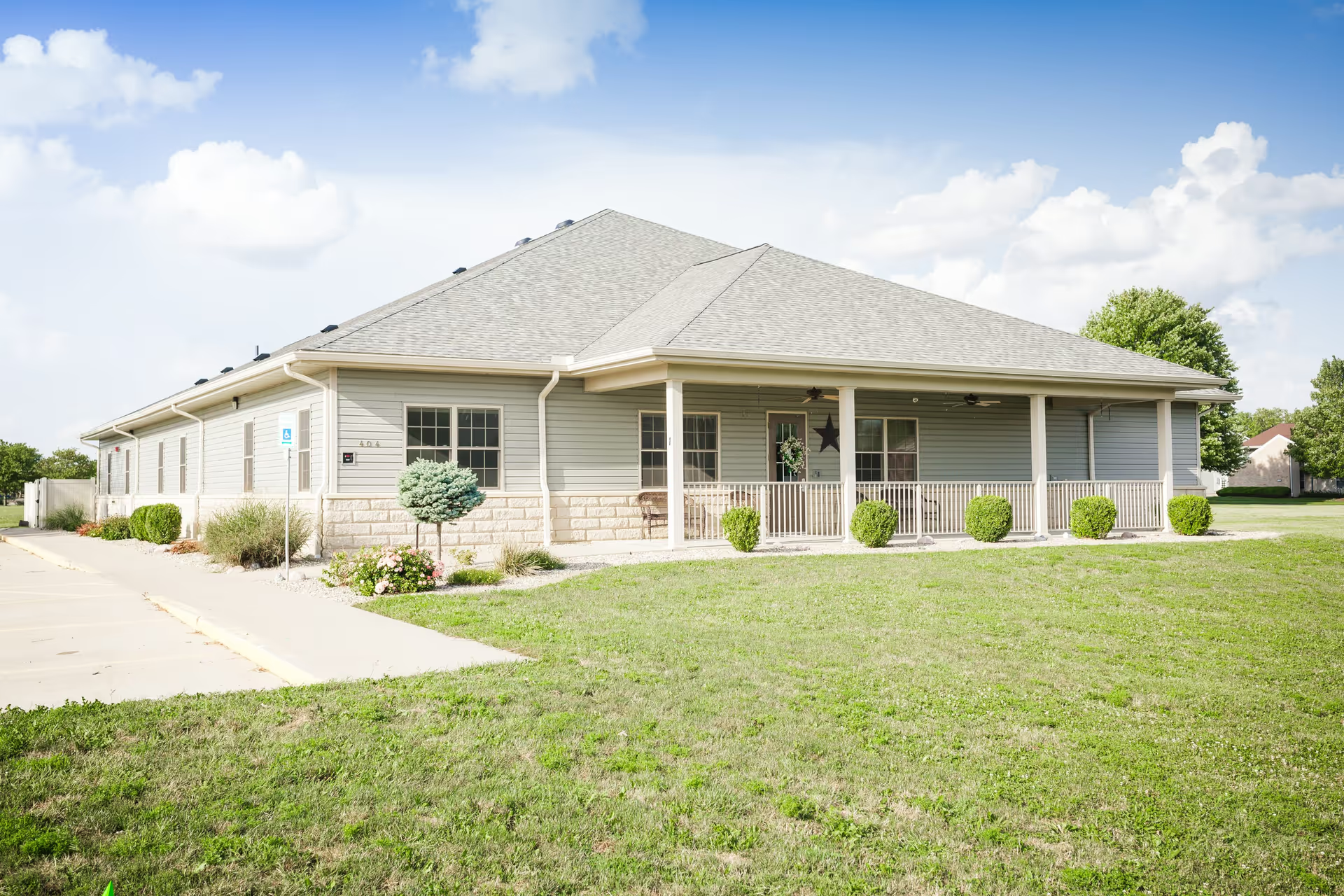
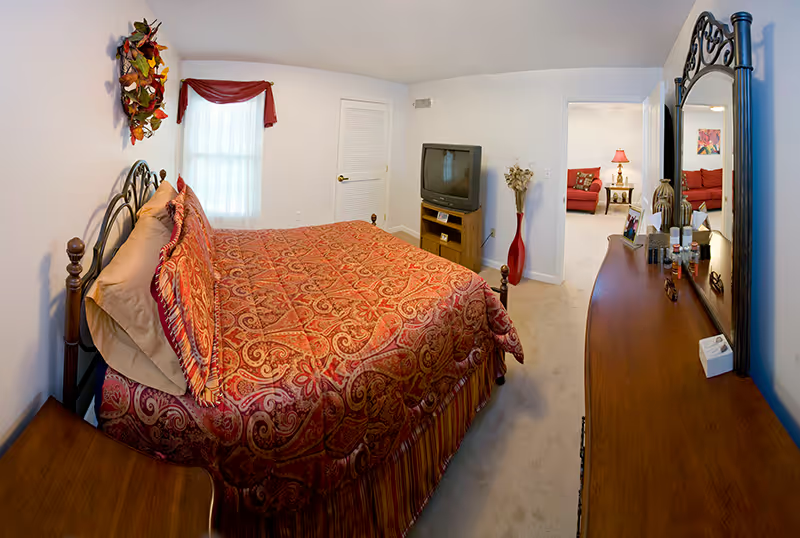
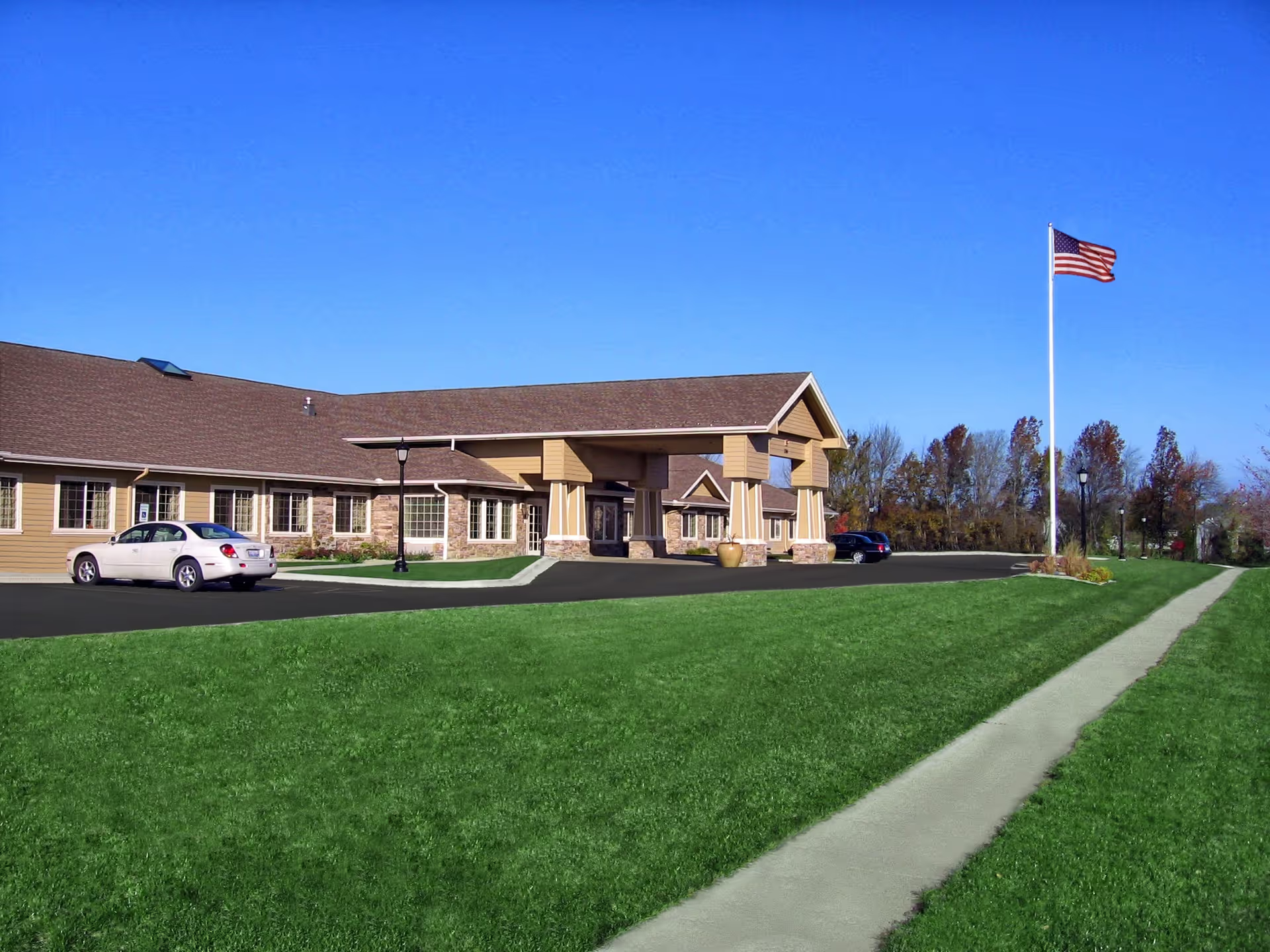
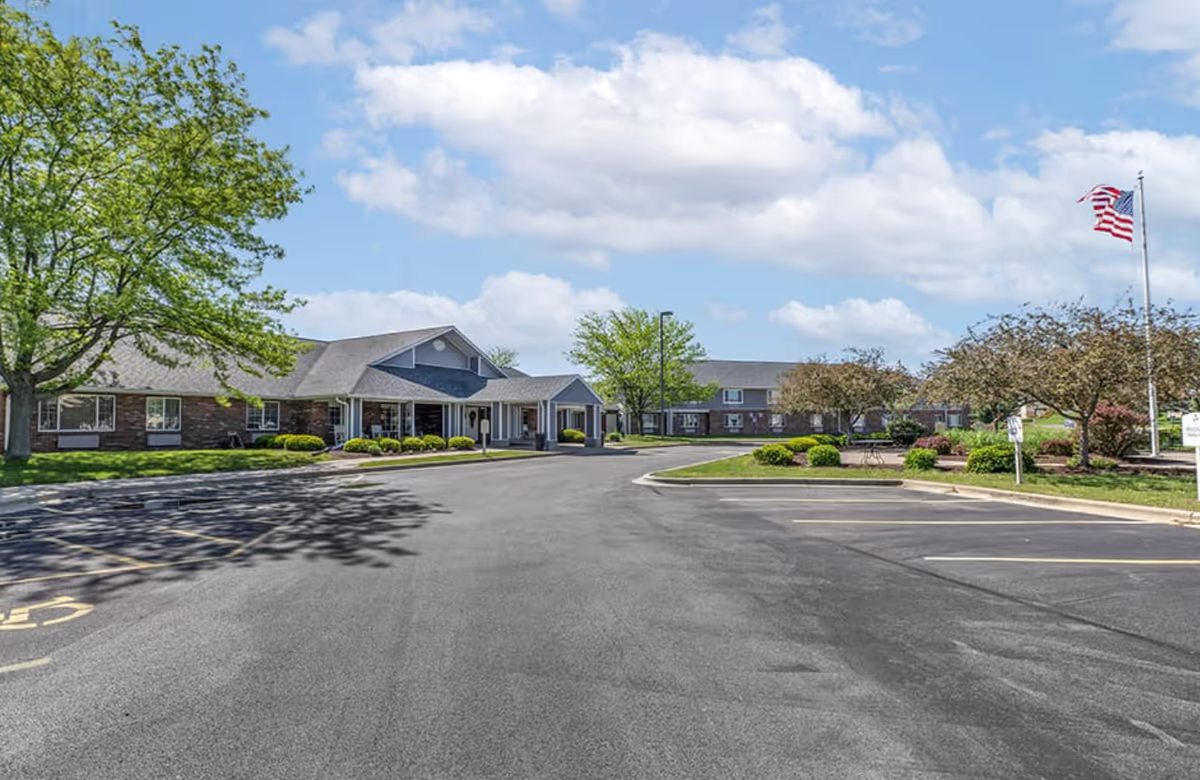
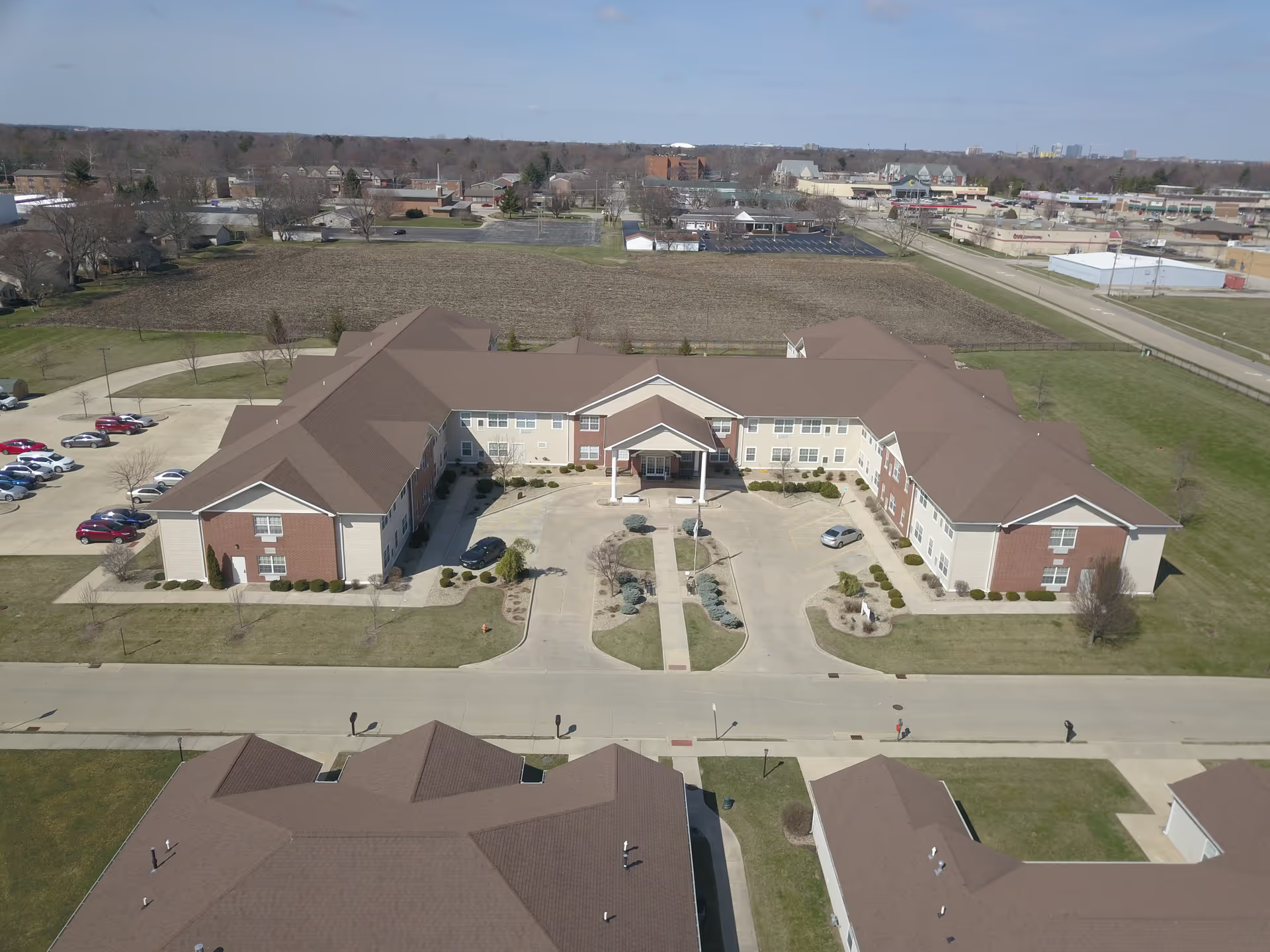
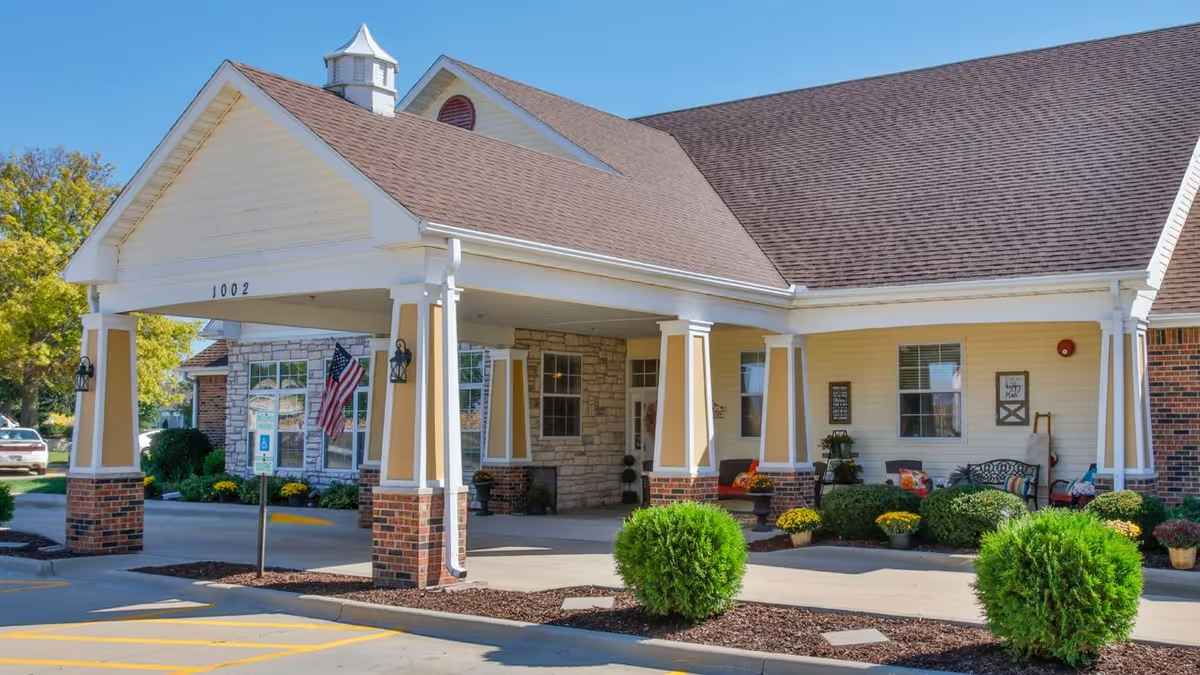
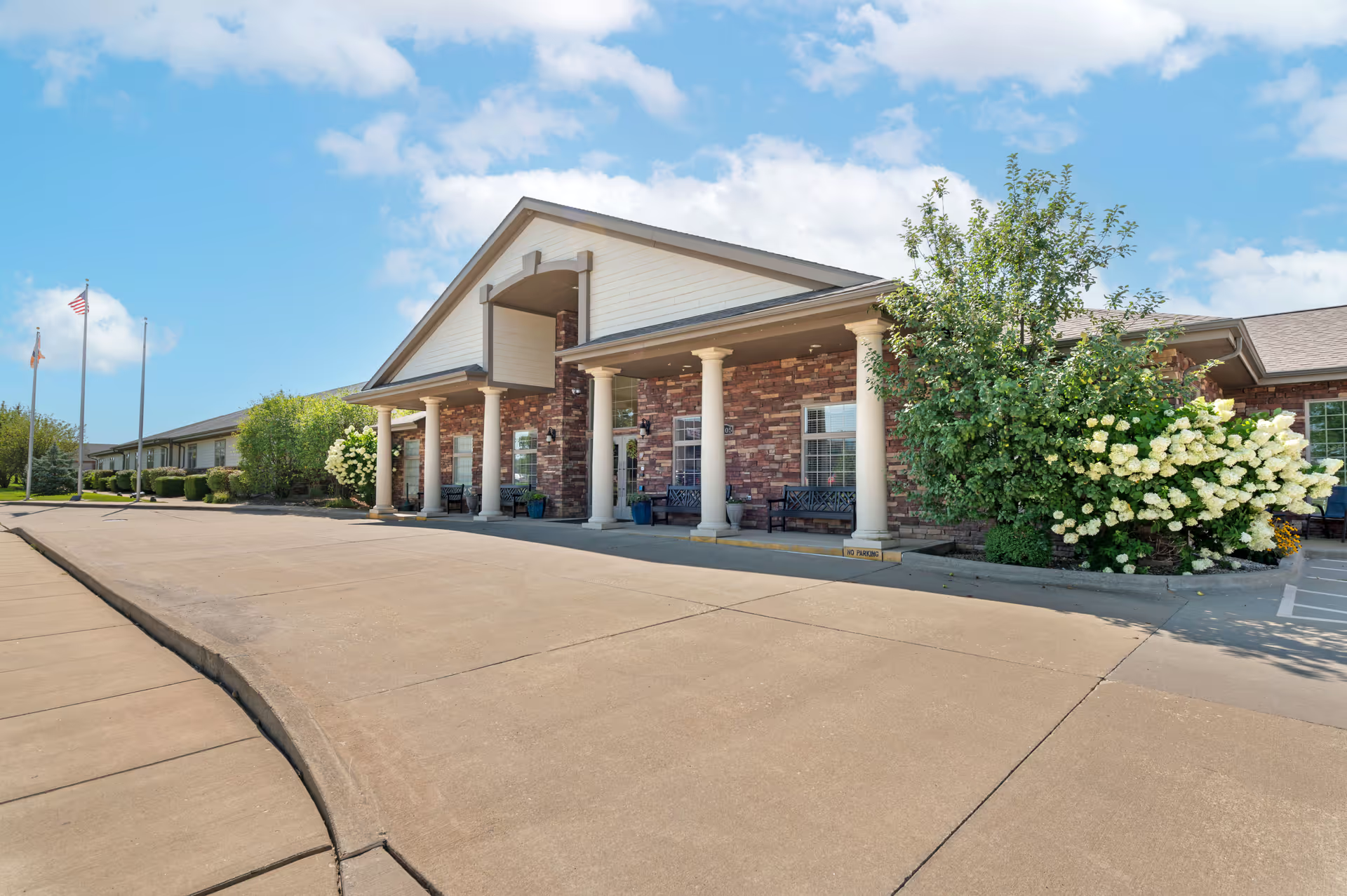
Overall impression: The facility is consistently described as a small, home-like memory-care community with attractive common areas and resident rooms. Many families emphasize the facility’s comforting atmosphere and the sense of peace that comes with a memory-care focus. The physical environment, including a modern kitchen and pleasant gathering spaces, is a recurring positive theme.
Care and staff: Reviewers frequently highlight compassionate, attentive interactions from aides and nurses; staff are described as gentle, caring, and knowledgeable about residents’ individual needs. That dedication appears to be a core strength and a reason families recommend the community. At the same time, the staff are often characterized as overworked. There are recurring operational concerns about staffing shortages and workload pressures that contribute to delays in responsiveness at times. This has produced variability in the day-to-day care experience — many families report exemplary, personalized care while others report slower response times or less consistent attention during certain shifts.
Dining and activities: Dining and culinary facilities receive favorable comments — the kitchen is described as appealing and meals look appetizing. The activity program is another strong point: residents have access to a variety of engagement options such as games, crafts, planting and gardening, movies, music groups, and family events. These social opportunities contribute to the home-like feel and are mentioned as enhancing quality of life.
Facilities and logistics: The physical plant and resident accommodations are regularly praised for being well-maintained and welcoming. One practical consideration for prospective families is location: some reviewers noted that the facility’s distance from town makes visitation less convenient. Visitors should factor travel time and access when evaluating fit.
Management and notable patterns: While direct-care staff earn consistent praise for compassion and dedication, there are isolated but notable concerns about leadership and management communication — including comments about an inexperienced or poorly communicative executive-level presence. These management issues, together with staffing constraints, can magnify variability in responsiveness and administrative follow-through. Prospective families would benefit from asking targeted questions about current staffing levels, shift coverage, leadership stability, and specific response protocols during a tour.
Bottom line: Arbor Rose of Tolono appears to offer a caring, memory-focused, and family-oriented environment with attractive facilities and a robust activities program. The primary operational weaknesses to probe further are staffing levels, consistency of response across shifts, and leadership communication. A focused tour and direct conversations with clinical and administrative staff can help families assess whether the facility’s strengths fit their priorities and whether current operational arrangements address the noted concerns.