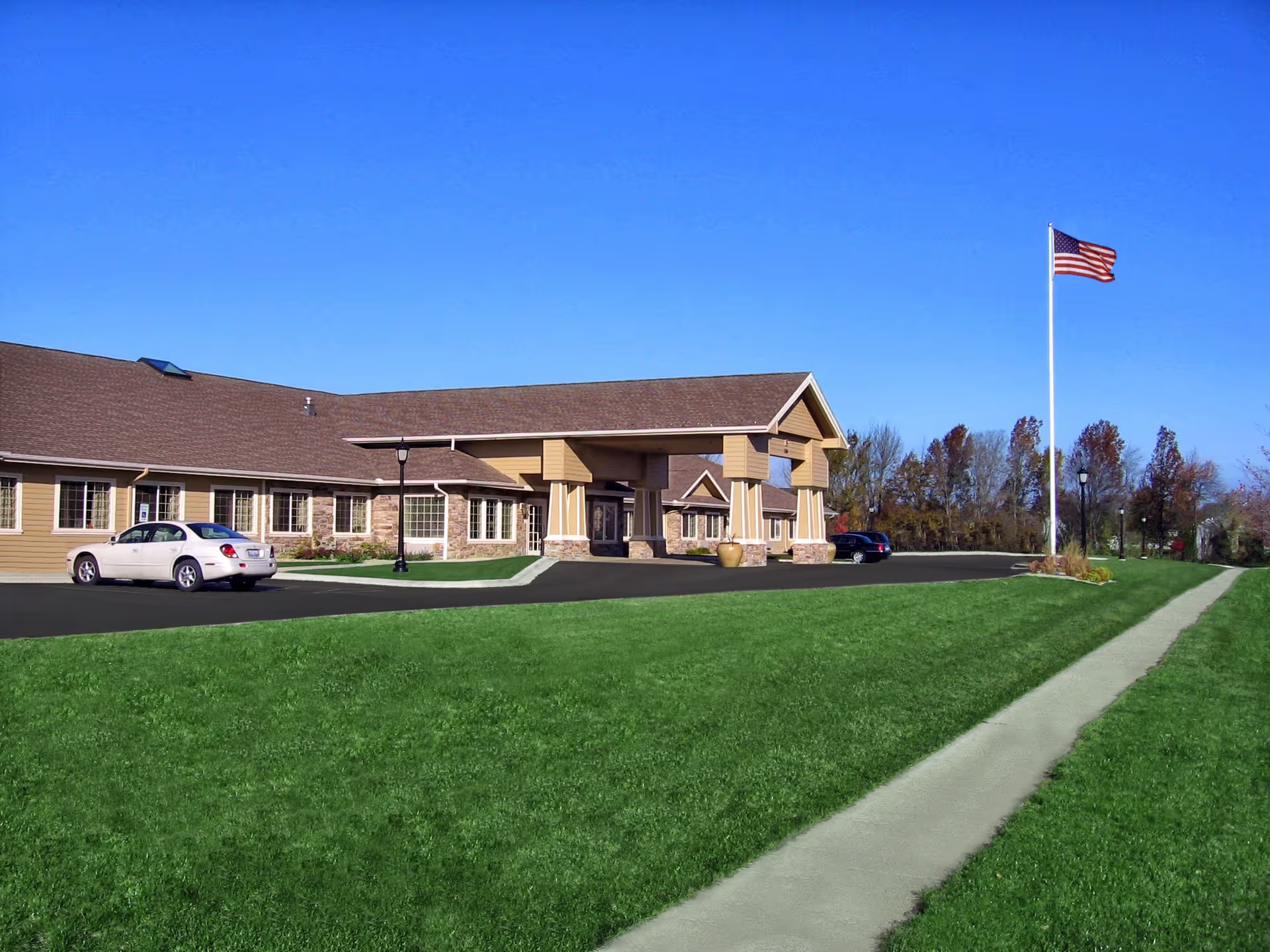
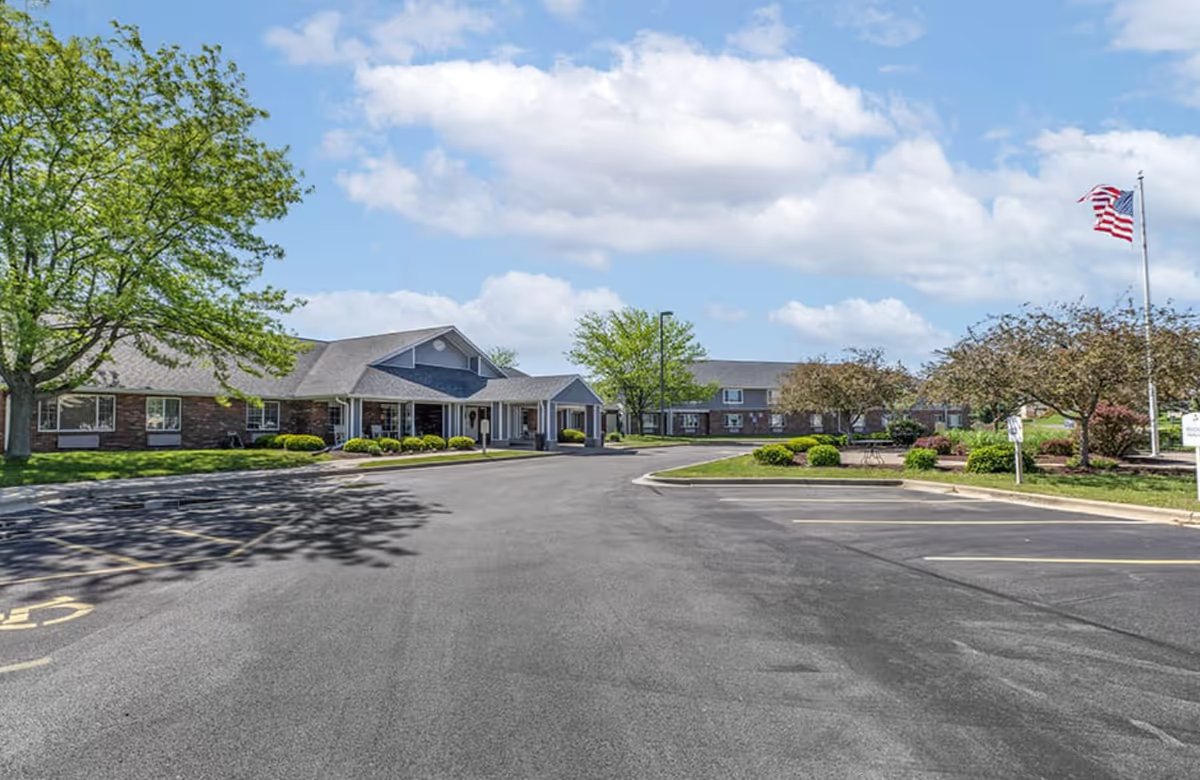
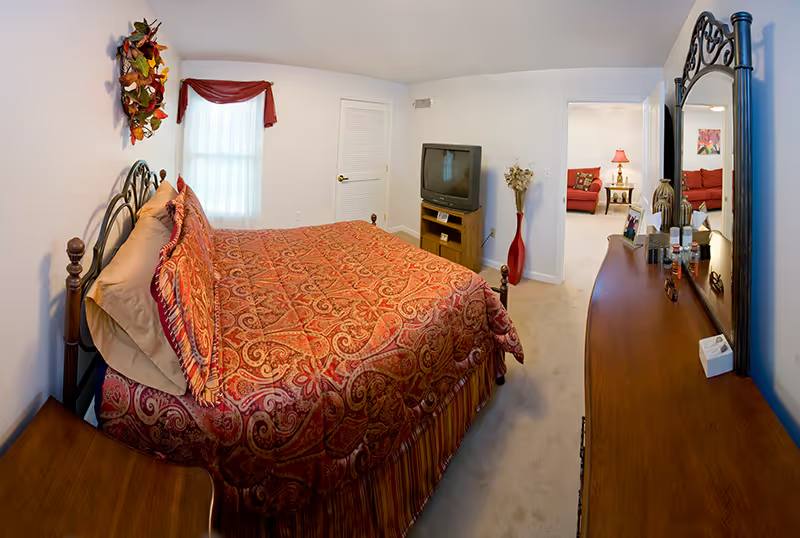
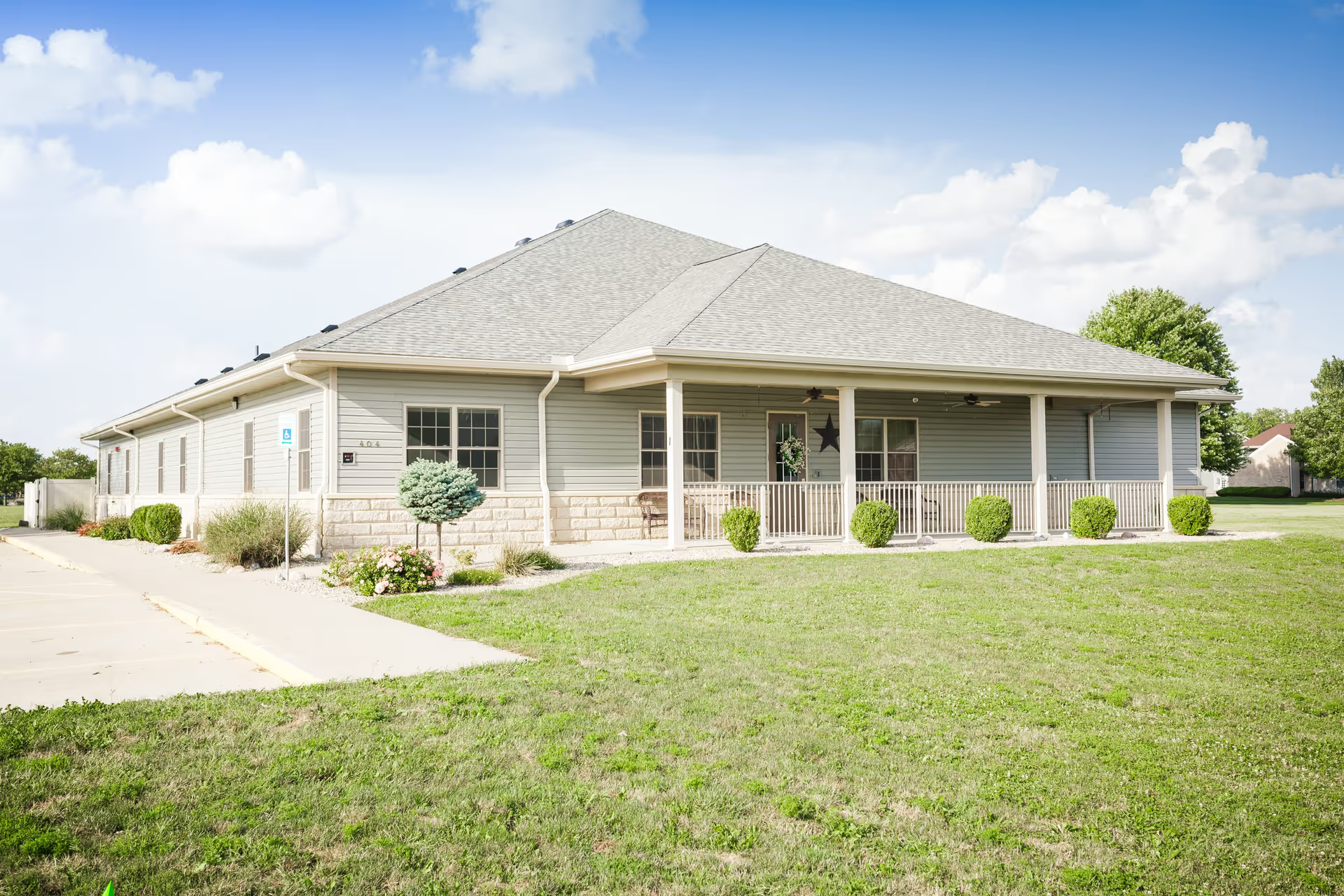
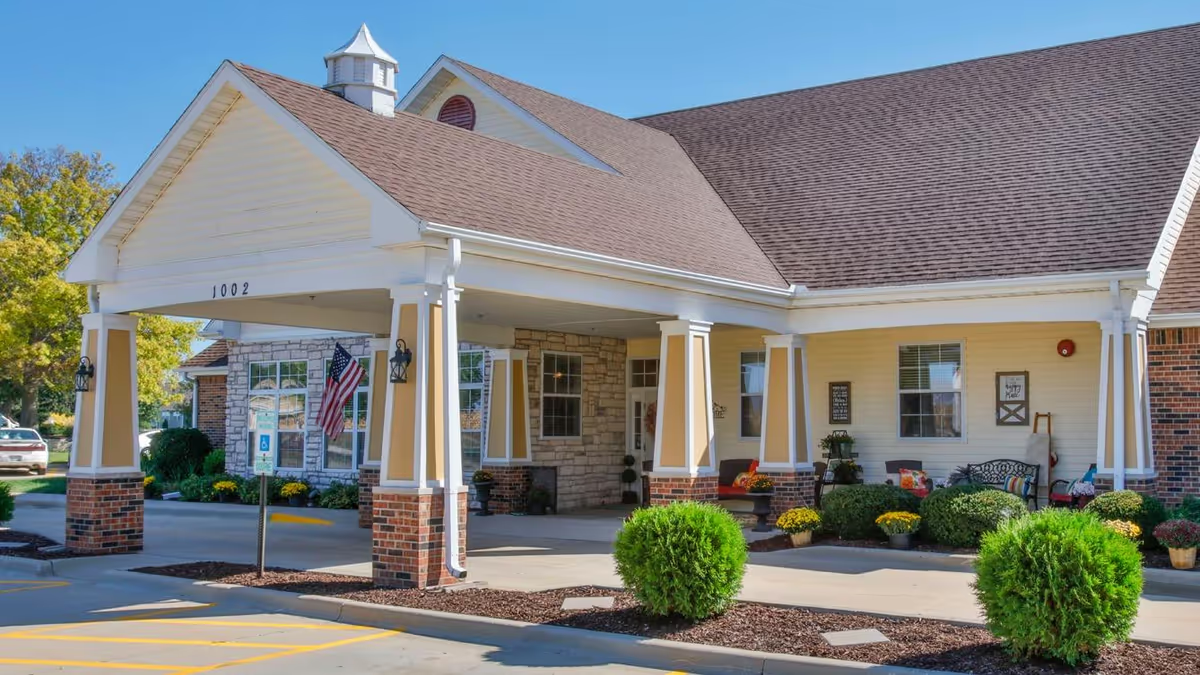
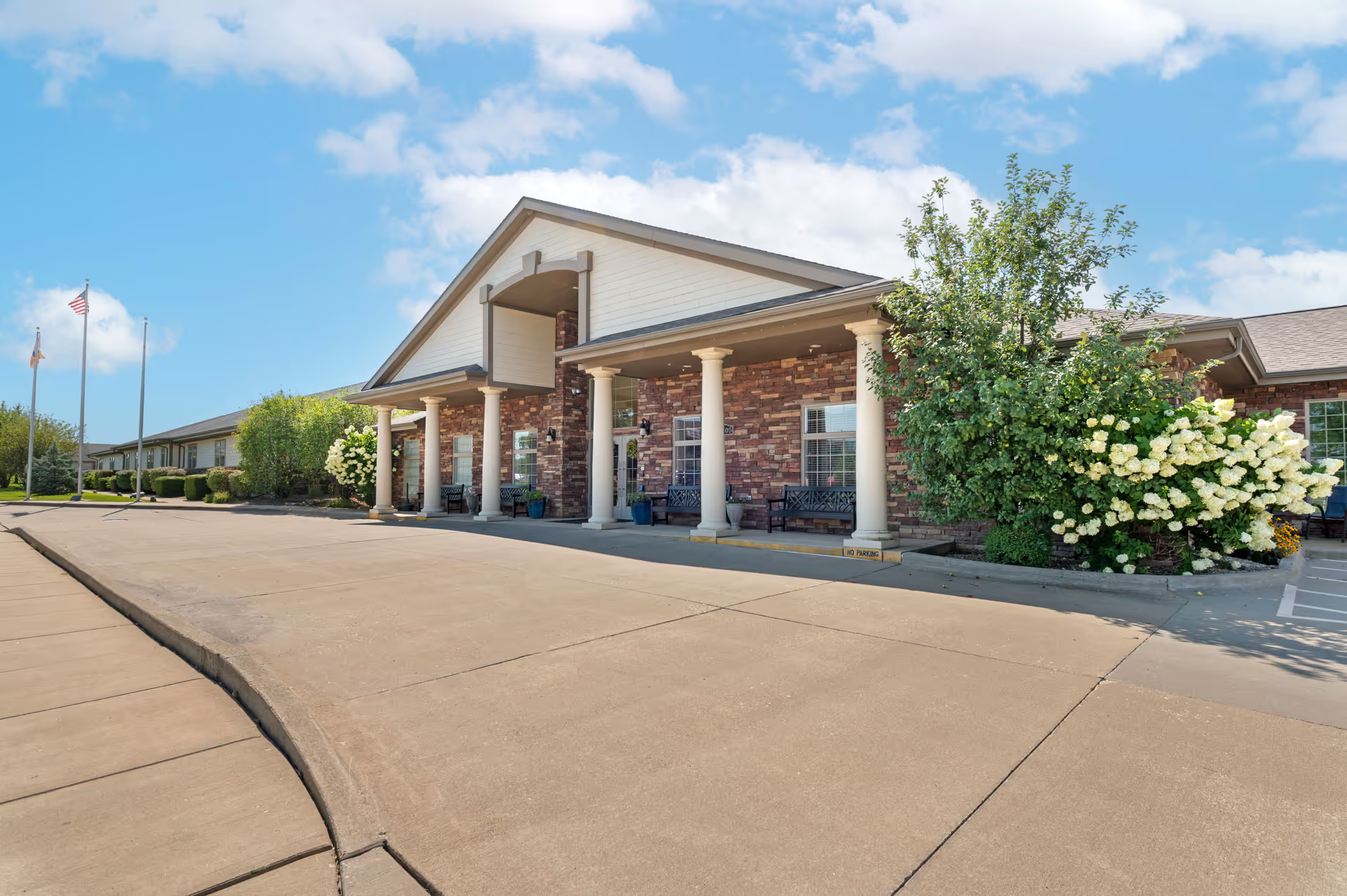
Prairie Winds of Urbana is frequently described as a clean, well‑maintained community with a visible emphasis on resident engagement and a mission-driven staff culture. Strengths consistently cited include friendly, personable caregivers who often address residents by name, a broad and active programming schedule (music, crafts, exercise groups, church services and outdoor gardening), on-site therapy and exercise spaces, and practical apartment features such as private, suite-style rooms with kitchenettes. The community also provides transportation, housekeeping and laundry services, three meals daily with dietary accommodations, and accepts Medicaid; these operational offerings contribute to steady occupancy and positive first impressions for many families.
Clinical and day-to-day care receive generally favorable comments about staff dedication and 24/7 nursing coverage, and several accounts highlight smooth move-ins and attentive transition support. At the same time, there are recurring concerns about inconsistent aspects of clinical responsiveness and the facility’s ability to provide certain basic medical services in some cases. Families are advised to ask specific questions about medication management, nursing assignments, and care escalation protocols during a tour to clarify how those needs would be met for their loved one.
Dining and housekeeping are described positively by many residents, with particular praise for variety and accommodating special diets; however, reviewers also note episodes of declining food quality, supply shortages, cracked dishes, and lapses in food‑safety practices. Those comments point to intermittent supply‑chain or kitchen-process issues rather than an entirely deficient dining program, but they do suggest the need for prospective residents to observe meal service and ask about kitchen procedures and inventory management.
Management and operational consistency emerge as the most mixed area. Complaints include communication gaps with activities and leadership, cancellations or last-minute program changes, variable quality of admissions tours, and instances that reflect weak follow-through on family requests. There are also mentions of staff morale and compensation concerns that may affect team cohesion, along with at least a few safety- and emergency‑preparedness issues and inflexible infection-control/billing practices cited by families. These items suggest the facility has many strong caregiving elements but also some organizational and process-level weaknesses to verify in person.
In sum, Prairie Winds of Urbana presents as a community with many positive attributes—especially around staff warmth, resident activities, and apartment amenities—while also showing operational inconsistencies in food service, communication, and certain aspects of clinical reliability. Prospective residents and families would benefit from a focused visit that reviews clinical staffing patterns, emergency procedures, kitchen sanitation protocols, billing/proration rules, and specific examples of how the facility handles care escalations and family communication.