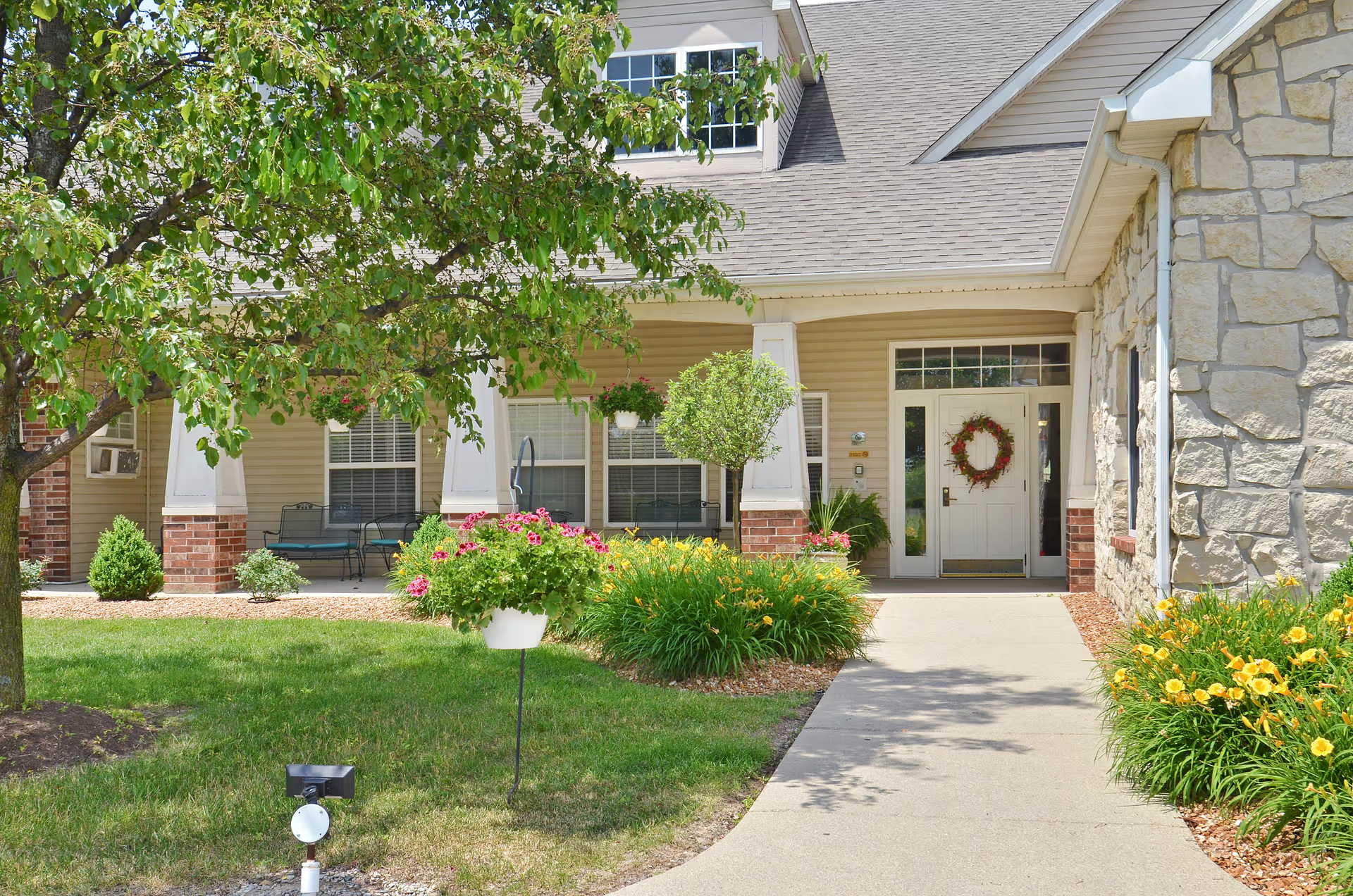
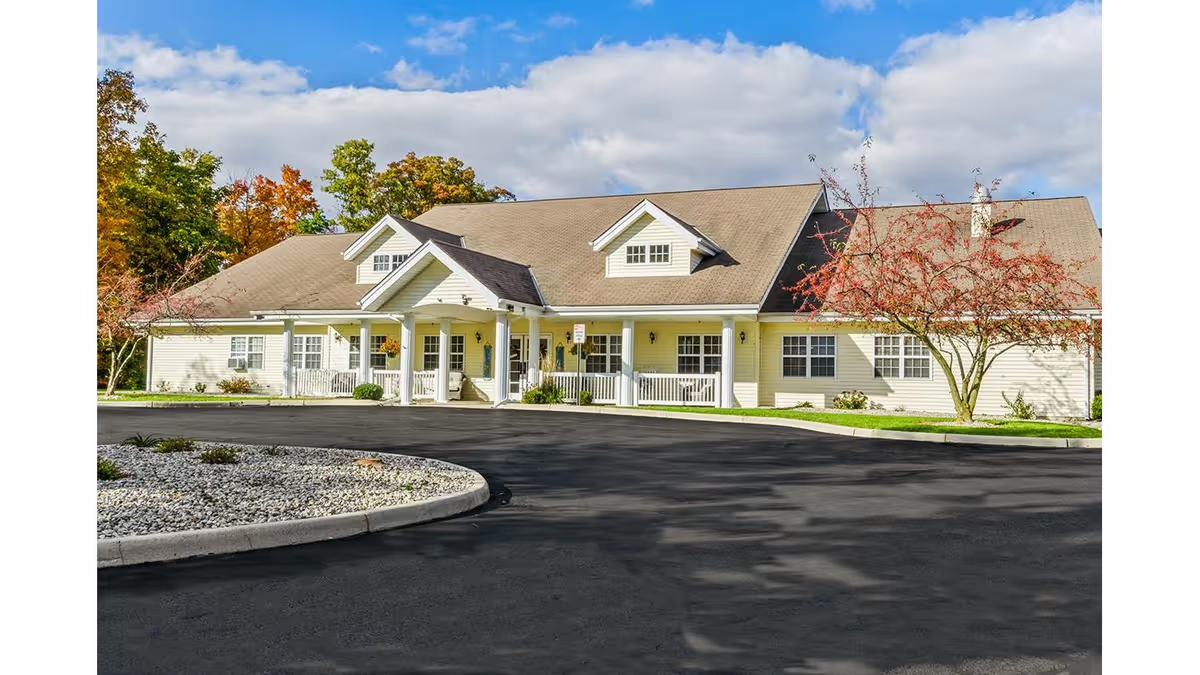
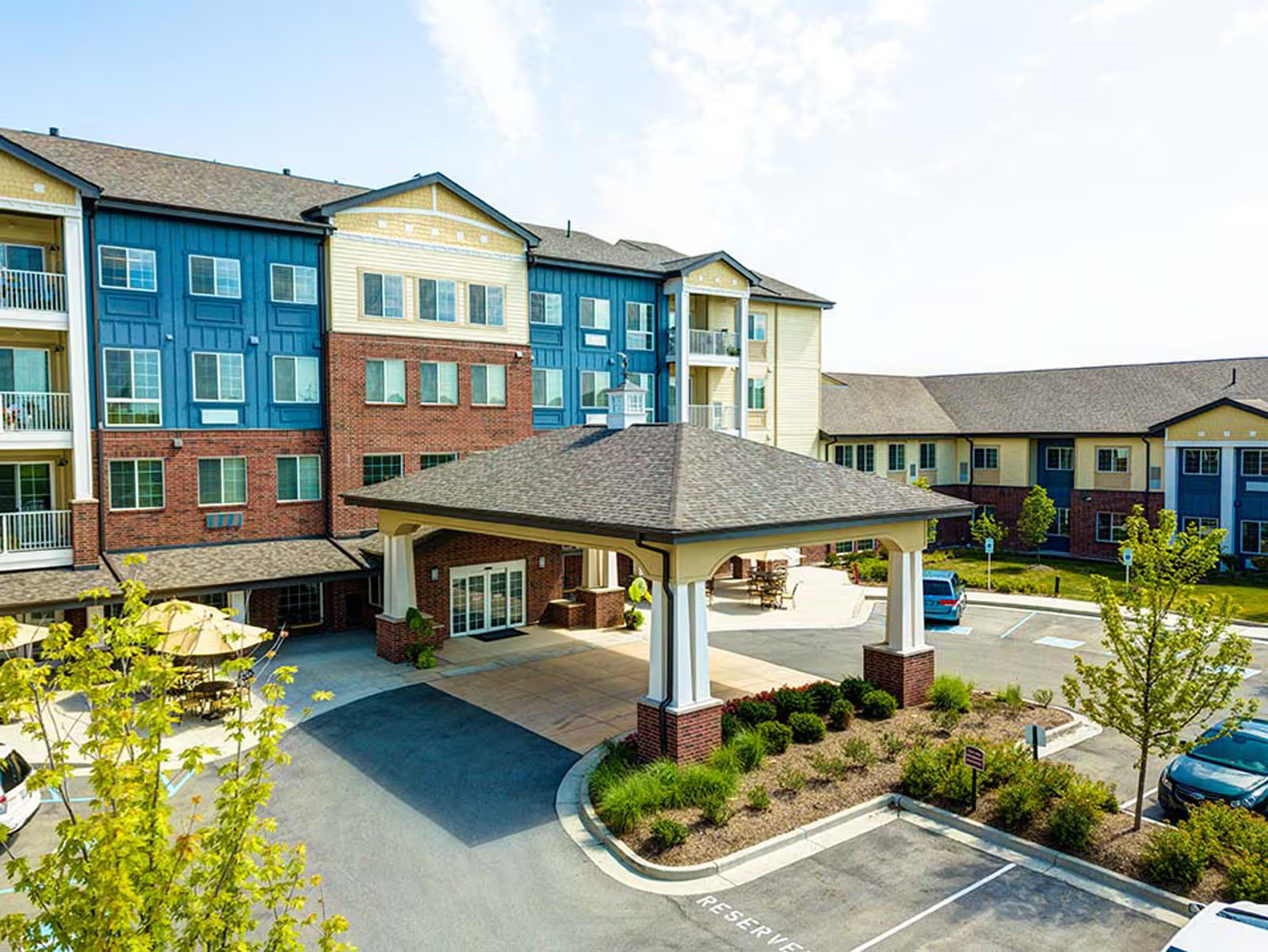
Bethany Pointe presents as a well-appointed, multi-level senior community with a number of clear strengths. Many reviewers praised the caregiving culture as compassionate and family-like, noting specific nursing staff and administrative personnel who go above and beyond. The facility offers a broad activities calendar (music, baking, group singing, bingo, holiday and birthday events), an engaged dining program with meal selection and visible dining staff involvement, and onsite rehabilitation services including OT/PT and intensive inpatient therapy options. Physical spaces frequently described as positives include renovated common areas, bright dining rooms, private rooms with views, a courtyard and social areas, daily housekeeping, and accessible snacks and drinks.
At the same time, reviews reveal recurring operational weaknesses that prospective residents and families should evaluate. Staffing consistency and responsiveness are a central concern: multiple accounts indicate long waits for assistance and variability in staff conduct and tone. Medication-administration problems and pharmacy coordination gaps are reported in ways that suggest underlying process weaknesses rather than isolated clerical errors. Discharge planning and care-transition coordination also emerge as a pattern-level issue, with instances of poorly coordinated transitions highlighting the need to confirm discharge protocols and family communication practices in advance.
Therapy services and clinical continuity show mixed experiences: while some families describe robust, frequent therapy and good rehabilitation outcomes, others report confusion about therapy plans and variable quality. Safety and mobility supports are another area of concern; reviewers described situations that point to gaps in fall-prevention and transfer practices. Sanitation and maintenance are mostly described positively for renovated and public areas, but there are noted sanitation and odor concerns in specific sections, along with isolated pest-control concerns and issues with laundry and personal-property handling.
Management and culture appear uneven. Several families praised supportive leadership and an open-door approach, while other accounts cite short staffing, management attitude problems, and high turnover that affect day-to-day care. Infection-control measures (for example, isolation during COVID-19) have affected access to outdoor spaces for some residents. Overall, the facility shows substantial strengths in social programming, dining, and an engaged caregiving core, but it also displays operational gaps—particularly around staffing consistency, medication controls, discharge coordination, and certain cleanliness and safety practices. Prospective residents and their families should tour the facility, ask targeted questions about staffing ratios, medication administration protocols, discharge procedures, therapy continuity, and housekeeping/maintenance standards, and verify current practices during the visit.