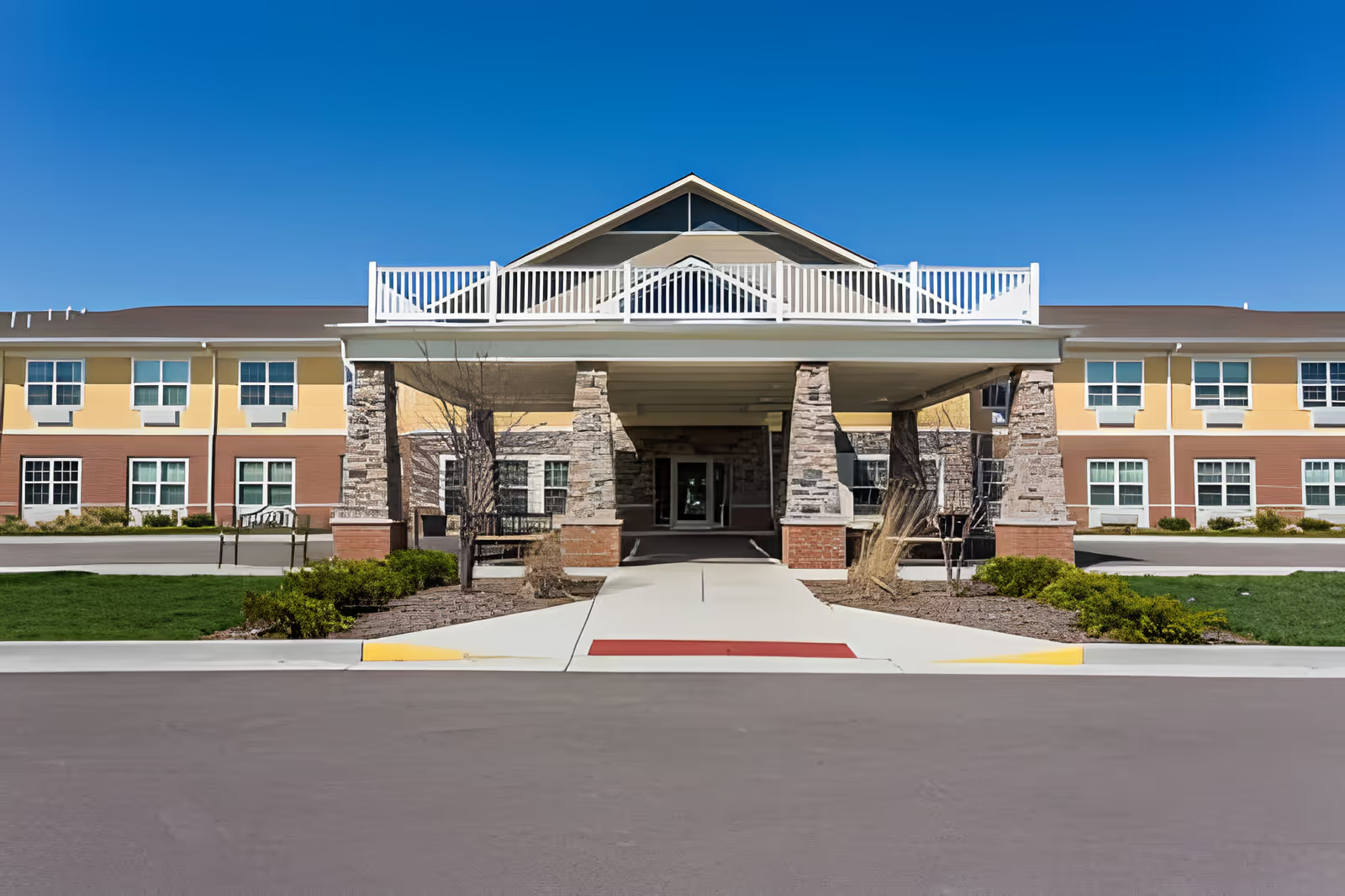
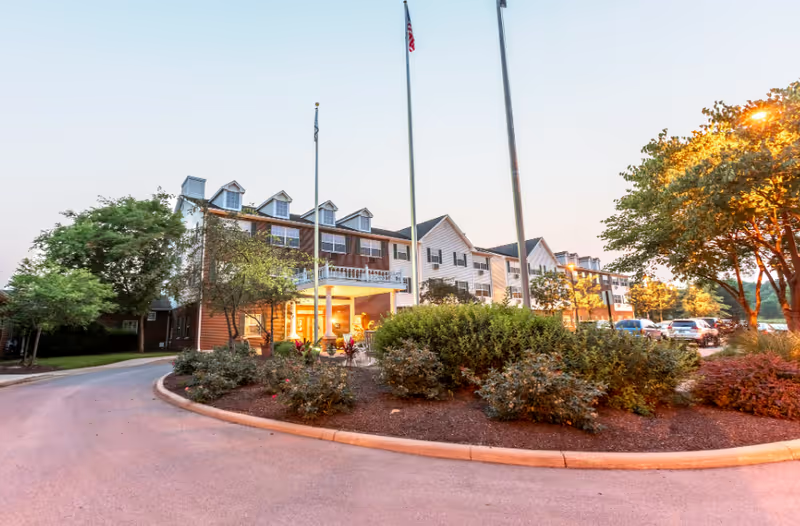
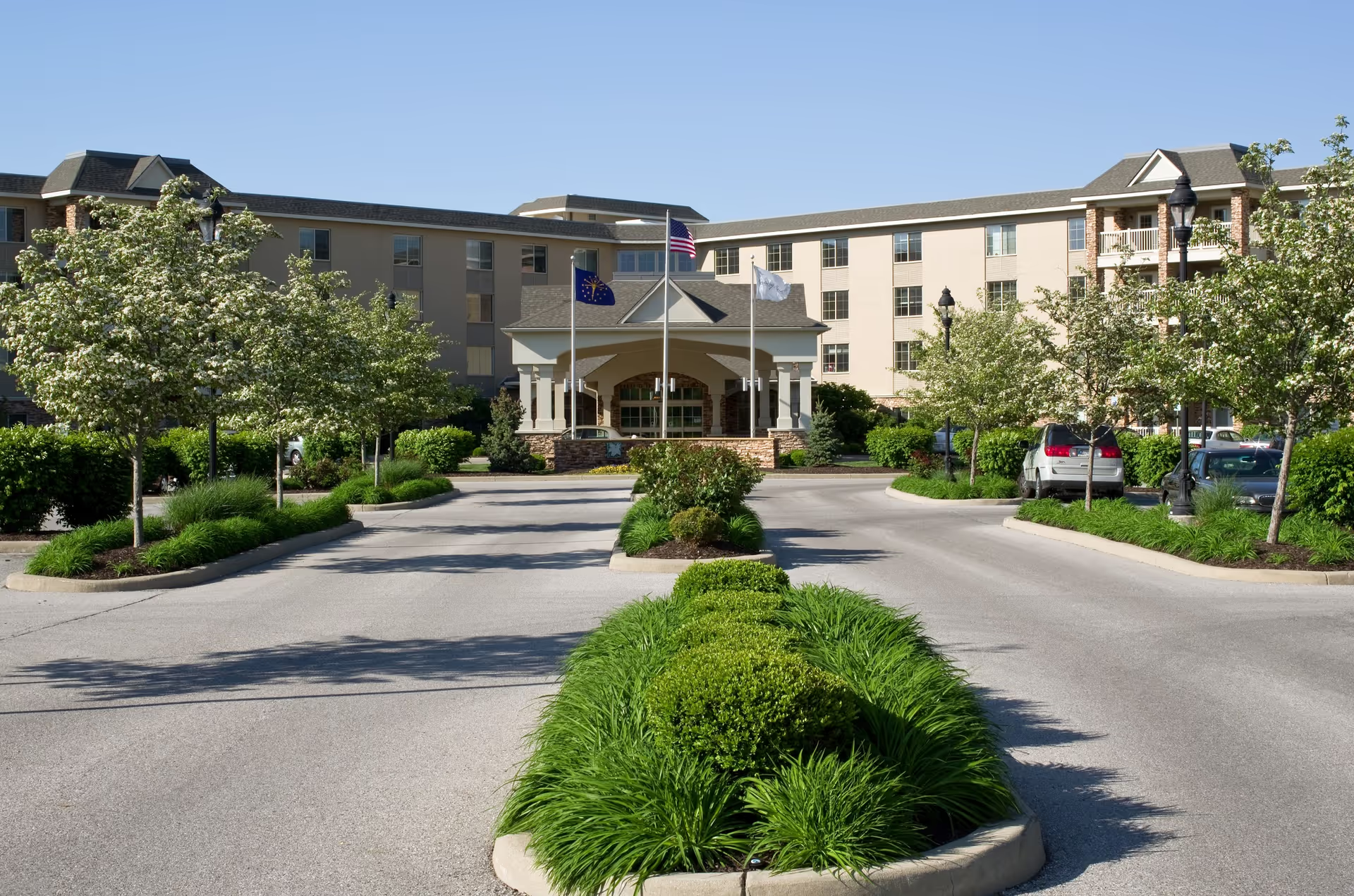
Countryside Meadows elicits a broad range of experiences. Many accounts highlight strong clinical strengths: nursing teams, advanced-practice clinicians, and hospice providers are frequently described as attentive and proactive when engaged. The facility’s therapy department (PT/OT/speech) receives consistent praise for rehabilitation outcomes and measurable progress, and several families credit therapists with meaningful functional gains. Social services and admissions staff are often identified as helpful with transitions, insurance navigation, and discharge planning. The memory-care unit and some common areas are characterized as clean and well organized, and the facility supports family involvement through a generally open visiting policy.
At the same time, there are recurring operational concerns. Staffing levels appear uneven, with particular strain on weekends and during off-hours; these gaps correlate with reports of delayed responses to call lights, missed or delayed personal care (including bathing and linen changes), and variable aide availability. Cleanliness and sanitation are inconsistent across rooms and units, producing odor concerns in some areas and issues with bedding and room upkeep in others. Reviewers raised clinical-safety questions ranging from medication and insulin management to oxygen and wound-care coordination; these items suggest opportunities to strengthen clinical protocols and oversight.
Dining and daily routines are another area of mixed experience. While a portion of families praise dietary staff and specific menus (including a well-regarded chef in one unit), others cite inconsistent meal temperatures, periods when the kitchen appeared closed, and difficulty meeting special dietary needs. Activity programming is described as engaging in parts of the facility (bingo, socials, pet therapy), but other units — particularly some long-term or memory areas — are described as having limited or infrequent programming.
Communication and management patterns are uneven. Positive narratives emphasize open, transparent communication from particular nurses, social workers, or admissions staff; negative narratives describe delayed notifications about clinical changes, insufficient family updates, and frustration with administrative responses to complaints. Several reports raise concerns about handling of personal belongings and laundry; one or more accounts allege mishandling or disappearance of items. There are also financial and billing complaints, along with perceptions that leadership responsiveness varies by shift and by which manager is involved.
In summary, Countryside Meadows demonstrates clear strengths in therapy/rehab, supportive clinical staff on many shifts, and certain clean, well-run units (notably memory care). Prospective residents and families should weigh those strengths against documented variability in staffing, cleanliness, meal service continuity, clinical-safety controls, and administrative follow-through. When considering placement, families may benefit from direct, documented conversations about expected staffing levels (including weekend coverage), medication and oxygen protocols, meal accommodations, laundry and belongings procedures, and an escalation pathway for unresolved concerns. A targeted tour of the specific unit and conversations with current families on that unit can help clarify whether the operational consistency meets a prospective resident’s needs.