Overall impression: Traditions at Reagan Park presents as a well-appointed, relatively new senior living community with numerous operational strengths alongside a set of recurring operational concerns. Strengths commonly cited include a warm, home-like atmosphere, strong interpersonal relationships between staff and residents, and a breadth of on-site amenities. Many accounts emphasize attentive caregiving, on-site nursing coverage, hospice support, and a proactive approach to family communication and care coordination.
Care and staff: Reviews frequently highlight compassionate, personable caregivers and named clinical staff who provided close oversight, hospice support, and advocacy. The facility appears to support aging-in-place with clinical and rehabilitation resources and an ability to coordinate transitions when needed. At the same time, reviewers describe variability in staffing levels and turnover that translates into uneven experiences—particularly on evening shifts—and occasional gaps in clinical coordination, medication management, and follow-up. Prospective families should clarify current staffing ratios, turnover rates, and handoff practices during a tour.
Dining and activities: The community offers chef-prepared meals, dietitian input, and flexible dining options (including continuous breakfast and accommodations for family meals). Many residents enjoy the food and dining atmosphere; however, other accounts describe poor meal appeal and nutrition concerns for some residents. The activities calendar is extensive on paper, with a wide range of social, creative, and memory-care programming. Reviewers report a pattern in which the planned calendar sometimes is not fully executed or lacks adequate supervision, resulting in mixed engagement and occasional wandering in common areas.
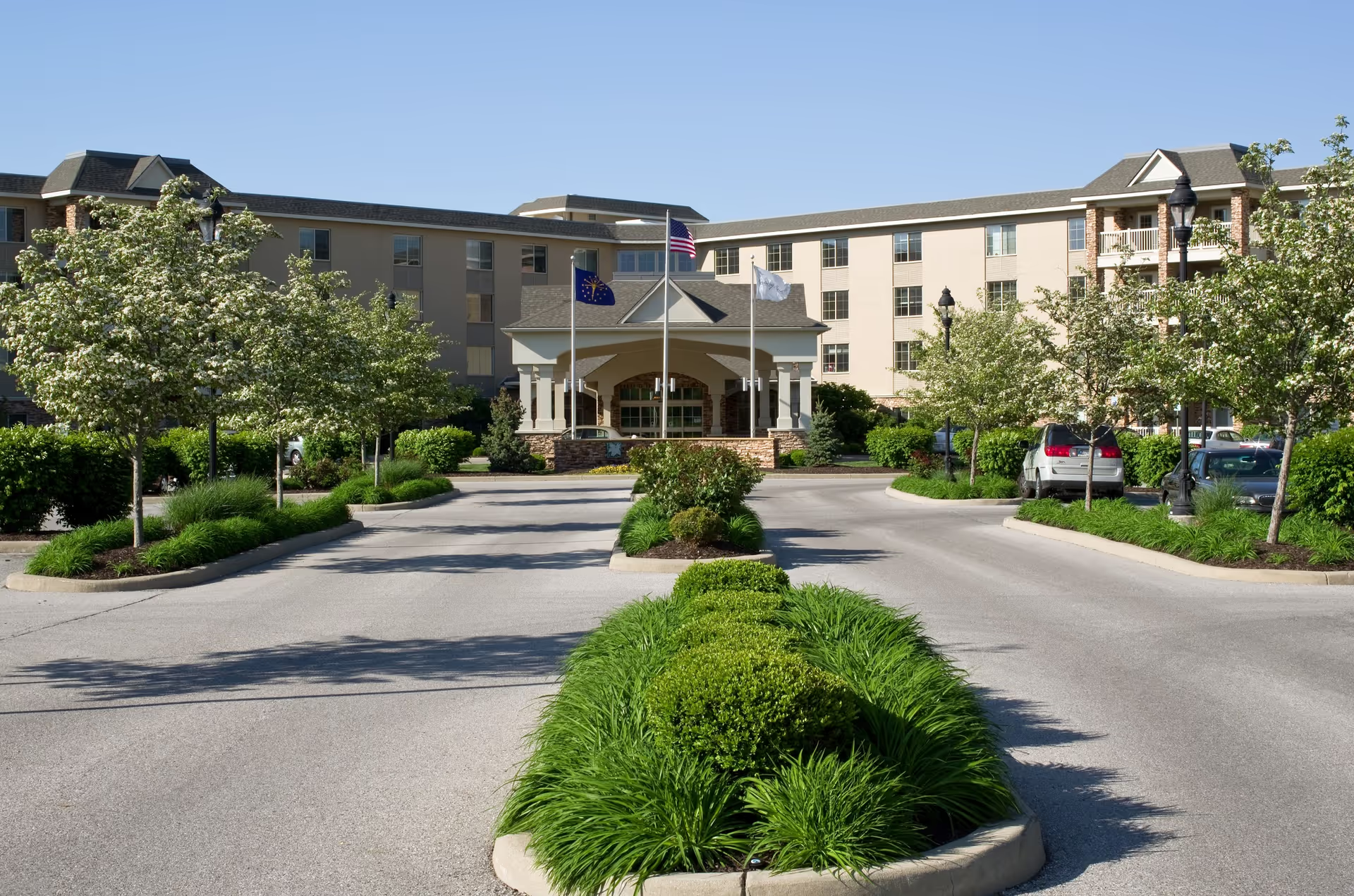
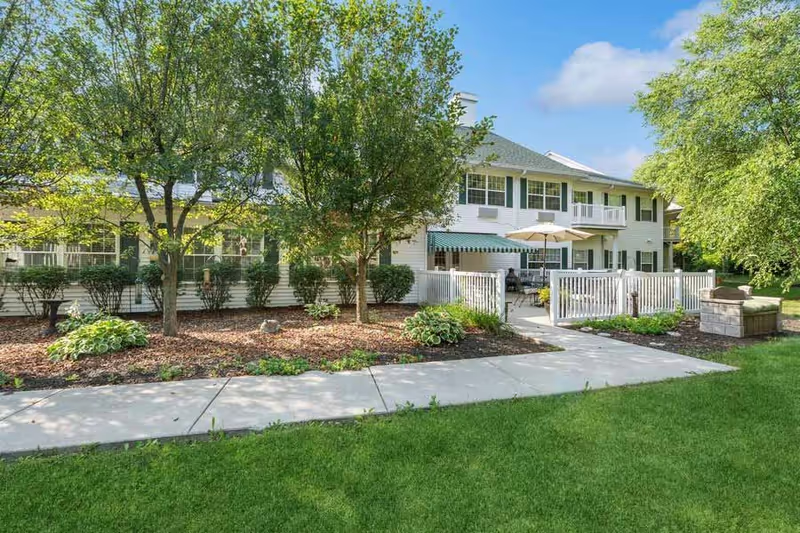
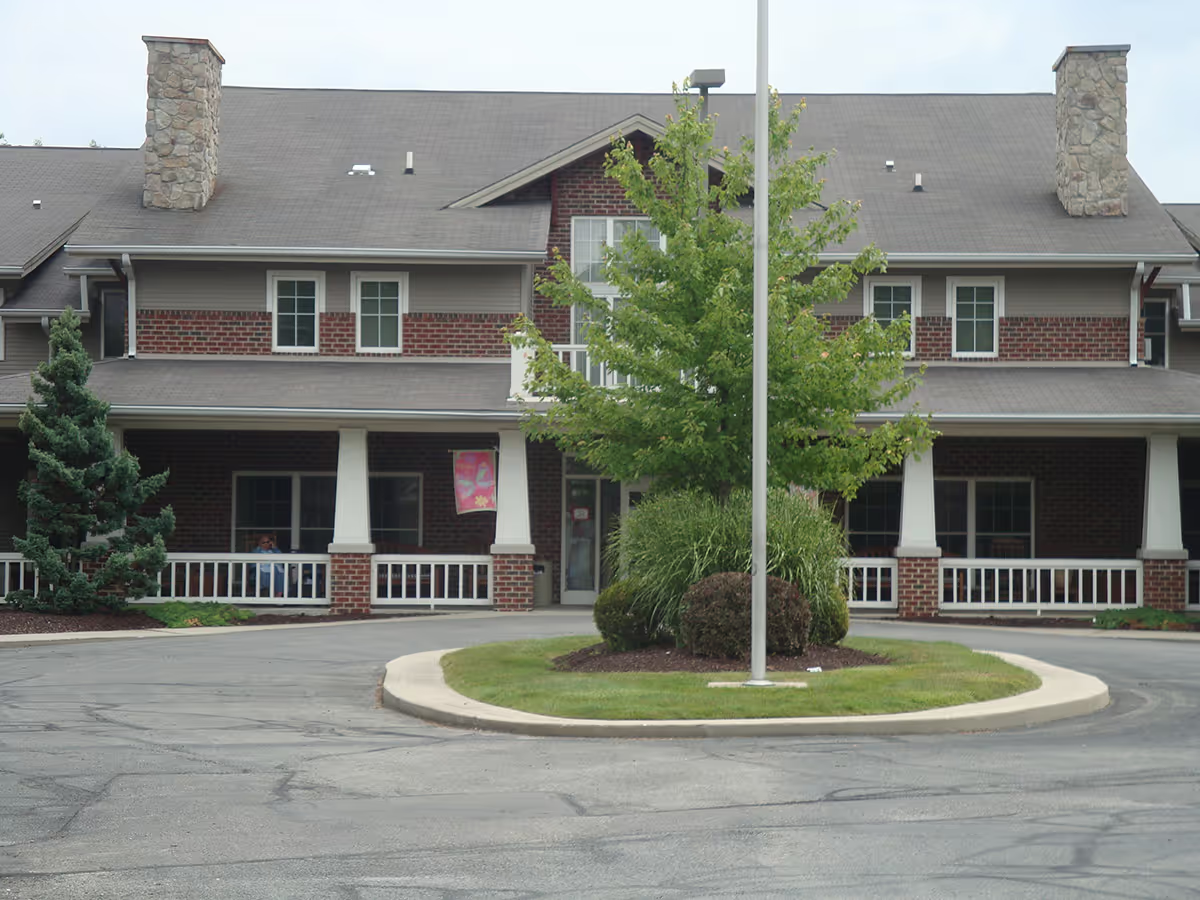
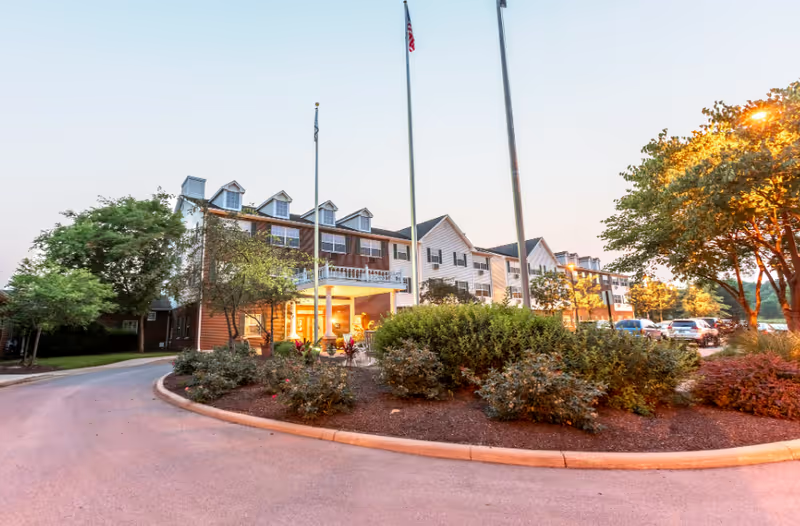
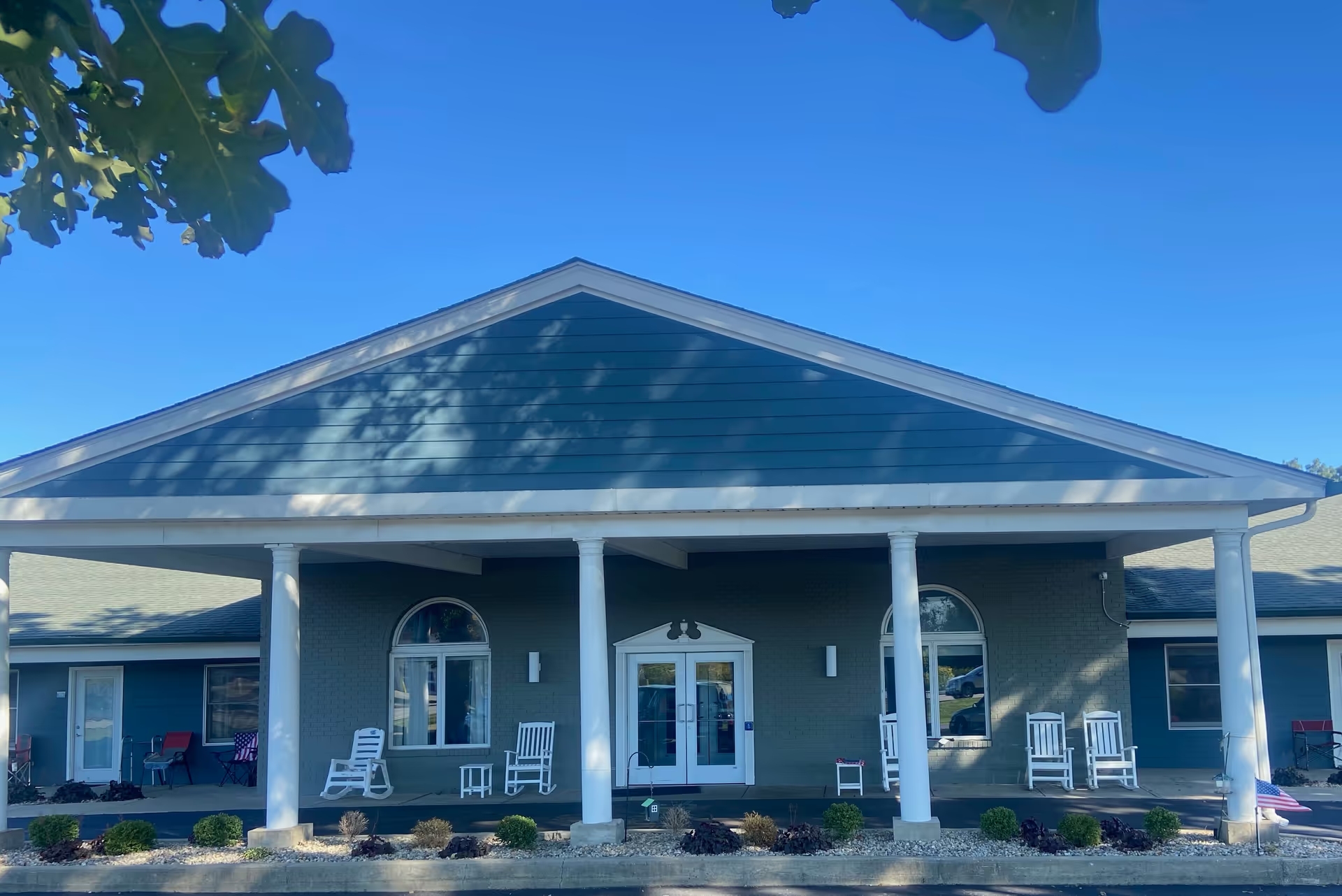
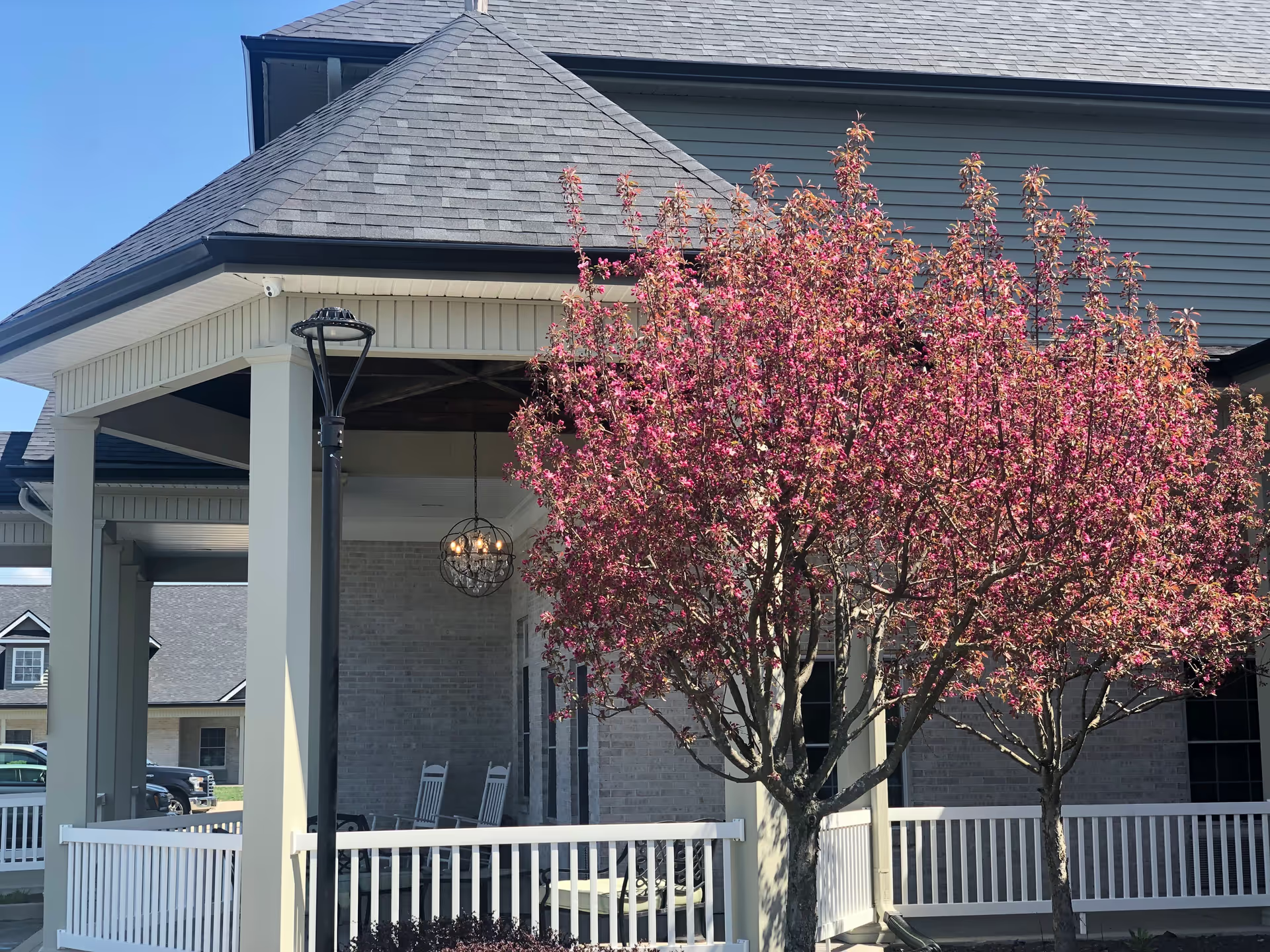
Facilities and amenities: The physical plant and grounds are repeatedly described as clean, modern, and well maintained, with private apartments, garden patios, salon and fitness options, movie room, and transportation services. These features support independence and social life for many residents. Conversely, some floorplans are noted as small, and certain communal spaces (for example, sunrooms or outdoor sheltered options) are perceived as limited. There are occasional sanitation and housekeeping inconsistencies reported in specific areas; prospective residents should inspect sample units and common areas during a visit.
Management and operations: Several families praise responsive managers and a hands-on administrator; others describe difficulties with complaint resolution, billing or lease issues, and uneven responsiveness to concerns (including post-incident communication). There are also mentions of contract and billing irregularities in isolated cases. Taken together, these patterns suggest variable operational reliability—families who prioritize administrative transparency should request written policies on billing, grievance procedures, and clinical incident communication.
Notable patterns and recommendations: The overall picture is mixed but coherent: strong person-centered caregiving and a high-quality facility experience for many residents, balanced against recurring operational weaknesses in staffing consistency, meal reliability, activity execution, and administrative follow-through. Before deciding, families should (1) request current staffing ratios and turnover statistics for day/evening/night shifts, (2) sample a meal and review dietary accommodations and weight-monitoring practices, (3) observe an activities period to confirm actual participation and supervision, (4) review memory-care staffing and supervision protocols, and (5) examine contract, billing, and grievance procedures in writing. These targeted questions will help determine whether the community’s strengths align with a prospective resident’s priorities and clinical needs.