Reviews reflect a facility with clear clinical and social strengths alongside notable operational weaknesses. Many families described strong, empathetic direct-care interactions, personalized attention, and effective post-operative rehabilitation; several accounts indicated residents regained function and benefited from one-on-one therapy. Activity programming and social engagement were also highlighted as meaningful contributors to resident wellbeing, with examples of residents dancing, engaging with photos, and reporting an improved view of nursing-home life. These aspects contribute to family reassurance and a sense of dignity for residents.
At the same time, the facility shows patterns of inconsistent operational performance. Communication and care-coordination gaps were described, including difficulties transferring medical notes, missed or cancelled appointments, delayed notification of home-health transitions, and occasional problems with transport logistics. Some reviewers raised concerns about staff conduct and responsiveness, particularly on certain shifts, and suggested the need for additional training and retraining. Night-shift staffing and training inconsistencies were a recurring theme that correlated with interrupted sleep and dissatisfaction for families who expected continuous oversight.
Dining and therapy experiences were mixed. Several families praised the food and individualized care; others found dining-room meals unpalatable or inconsistent. Therapy was effective for many residents, but some families perceived it as prescriptive or overly routine in ways that limited resident choice or mobility options. This suggests variable implementation of therapy plans and the importance of clarifying goals and schedules with clinical staff.
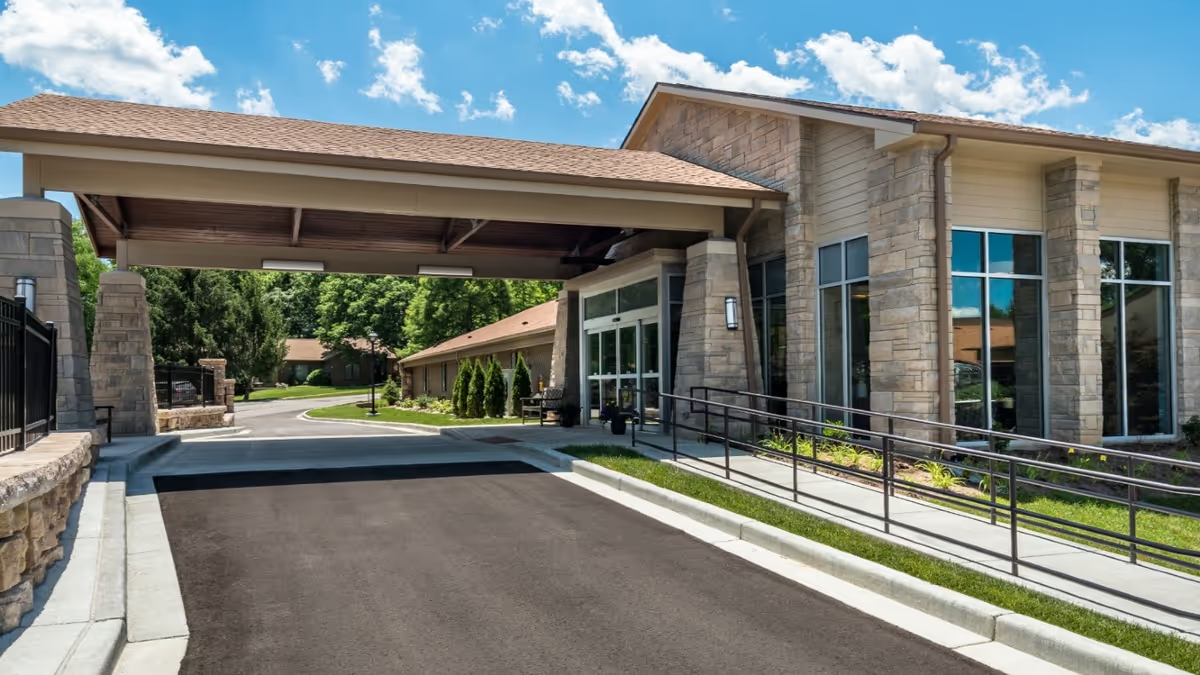
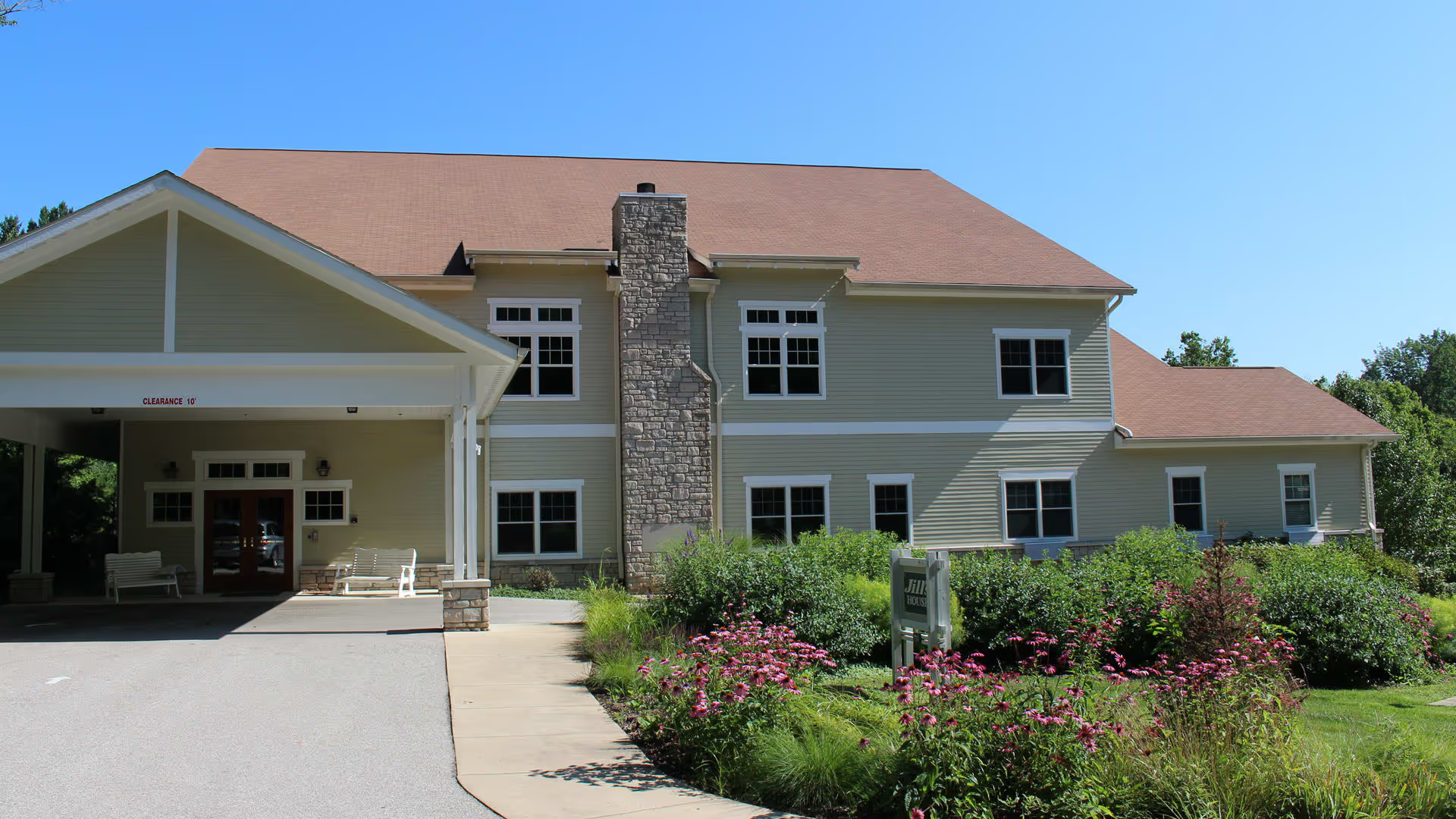
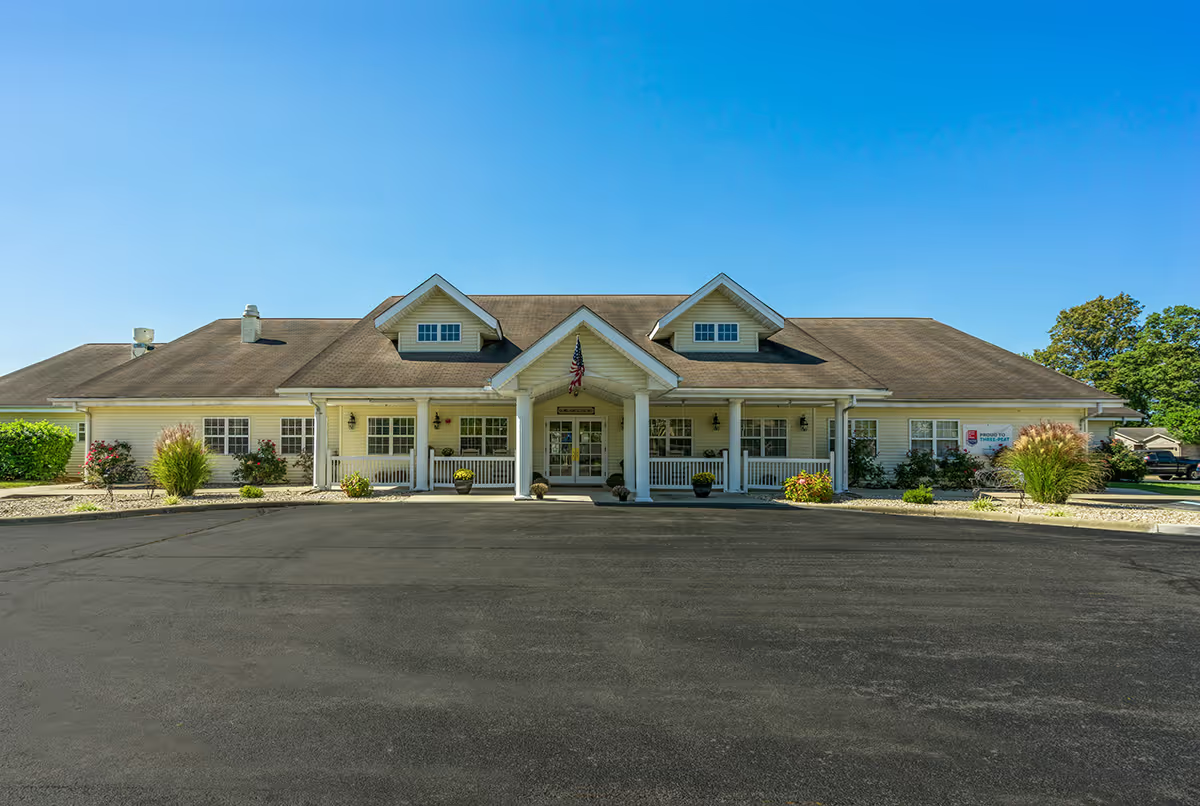
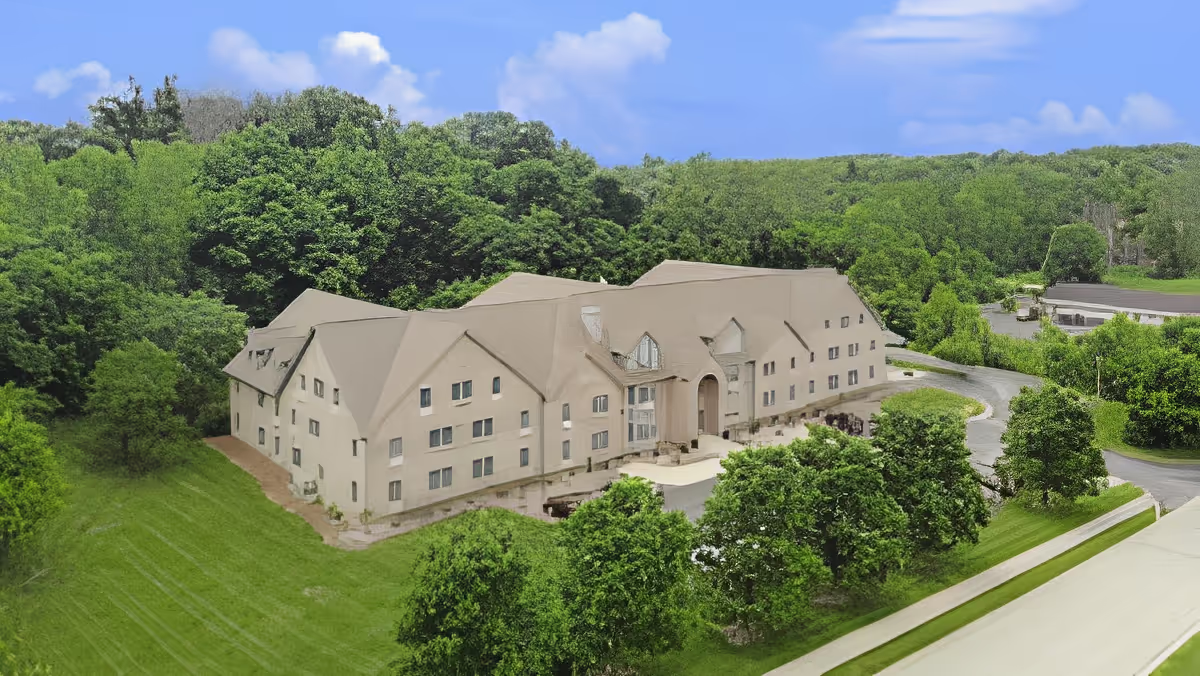
Physical plant and maintenance issues appeared across reviews as a practical concern. While cleanliness of resident areas was noted positively, there were multiple references to unfinished or poor-quality repairs, visible interior degradation, and occasional substandard repair work. These observations indicate a need for more consistent maintenance oversight and quality-control processes for contractors and in-house repairs.
Administrative shortcomings were also evident. Reports included instances of lost personal items, inconsistent front-desk/customer-service interactions, and concerns about value given the facility’s cost. One reviewer referenced a formal complaint filed with a regulator, pointing to an isolated but serious administrative escalation. Overall, the pattern suggests that while direct caregiving and rehabilitation can be strengths at this location, families should probe operational details—staffing on specific shifts, repair and maintenance plans, communication protocols, discharge-planning practices, and total cost/coverage—when evaluating placement.
In summary: the facility provides notable compassionate care, effective rehabilitation for many residents, and engaging activities that support resident dignity. These positives coexist with operational gaps in staffing consistency, communication, maintenance, dining variability, and administrative coordination. Prospective residents and families would benefit from targeted questions about night staffing and training, care-coordination procedures, repair and maintenance schedules, and transportation and discharge logistics to determine whether the facility’s strengths align with their priorities.