Overall impression: Magnolia Springs Bridgewater receives strong, consistent praise for its caregiving culture, facility quality, and activity programming. Many families and residents highlight attentive, compassionate staff who learn residents' names and respond promptly to requests. Leadership and administration are frequently singled out as engaged and accessible, contributing to a family‑oriented atmosphere and frequent communication with families. The community's pandemic response and emergency coordination (for example, tornado safety) are also noted as strengths.
Care quality and clinical services: Reviewers commonly describe high levels of hands‑on personal care, medication reminders, and available rehabilitation services. Onsite PT/OT and supportive transition services from rehab to assisted living are valued. However, there are recurring operational concerns in clinical coverage for some memory care needs: reviewers noted gaps in clinical staffing, reluctance or inconsistency in medication administration practices, and uneven qualifications among some memory care personnel. These indicate a need for clearer clinical staffing consistency and medication‑administration oversight in the memory care unit.
Staff and management: Staff—across caregiving, dining, housekeeping, and concierge functions—are the most frequently praised element, described as kind, attentive, and cohesive. Several reviewers credit executive leadership and community directors with creating a supportive culture. That said, reviewers also referenced staffing turnover, low pay for front‑line staff, and occasional scheduling or preparedness lapses; these operational tensions sometimes correlate with temporary declines in service continuity when teams change.
Dining: Dining is a major positive: chef‑prepared, restaurant‑style meals, a broad menu with daily specials, and a 24‑hour bistro are regularly commended. Many residents enjoy the social dining experience and variety. At the same time, reviewers describe variability in food quality tied to chef turnover, occasional overly sweet preparations, and limited accommodations for some dietary restrictions (non‑dairy, nut/seed‑free options). Families seeking strict dietary accommodations should discuss specifics with management.
Activities and social life: The community offers a broad, active calendar—bingo, crafts, fitness classes, musical performances, theatre nights, faith services, and regular off‑campus outings—contributing to high resident engagement and social connection. Memory‑way activities and one‑on‑one engagement are highlighted as effective for residents with cognitive needs. Family‑inclusive events and holiday programming further support community integration.
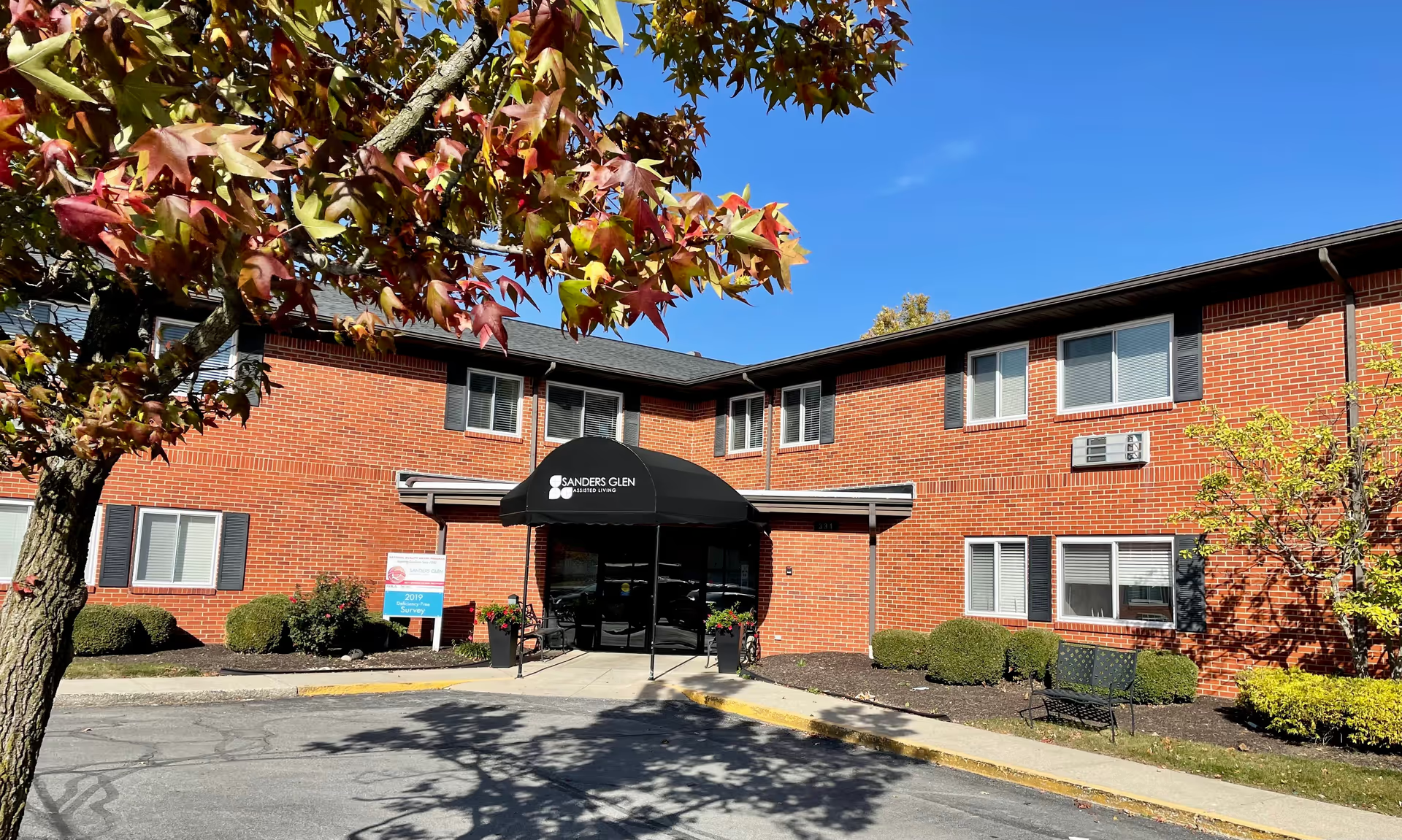
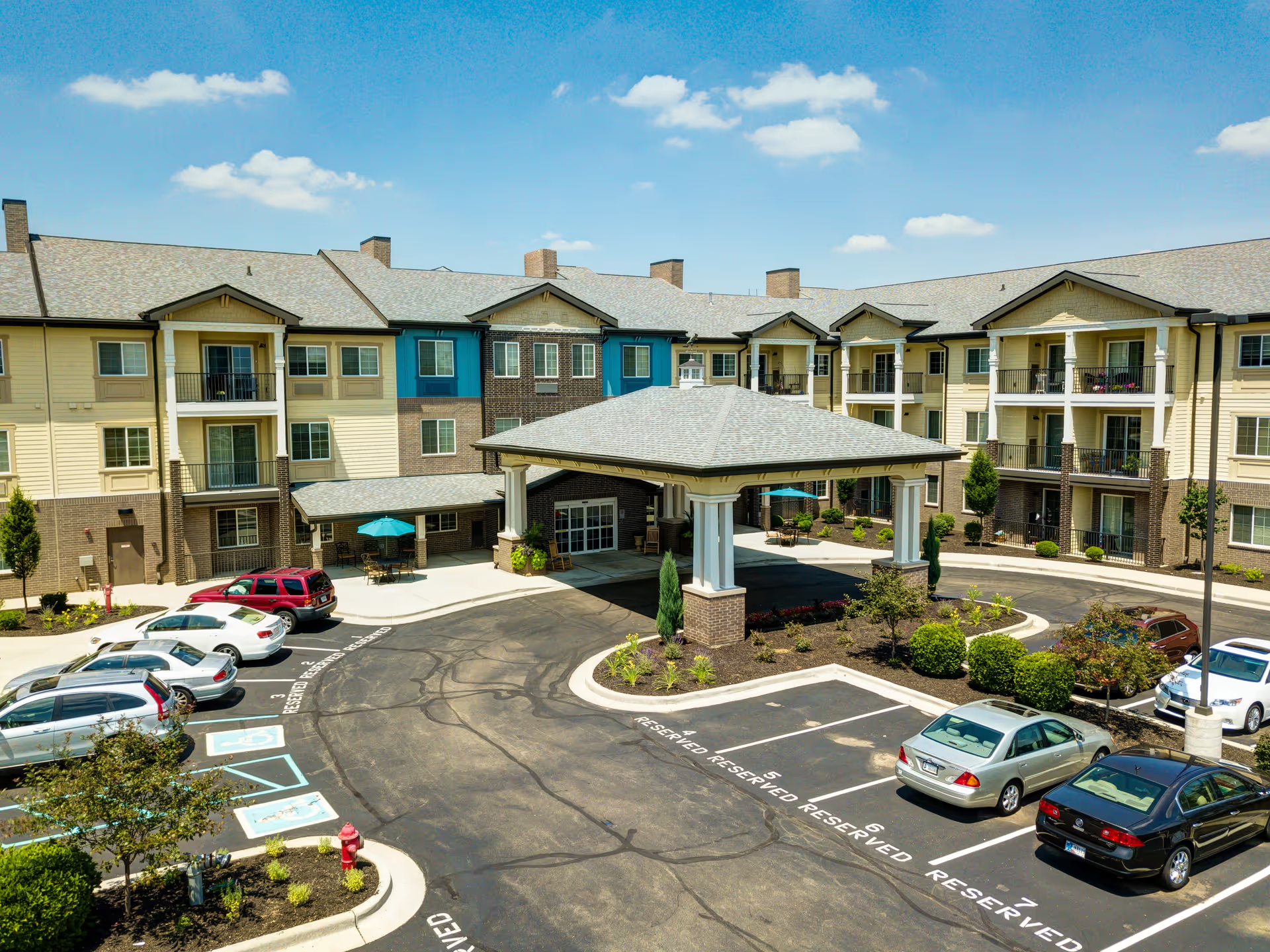
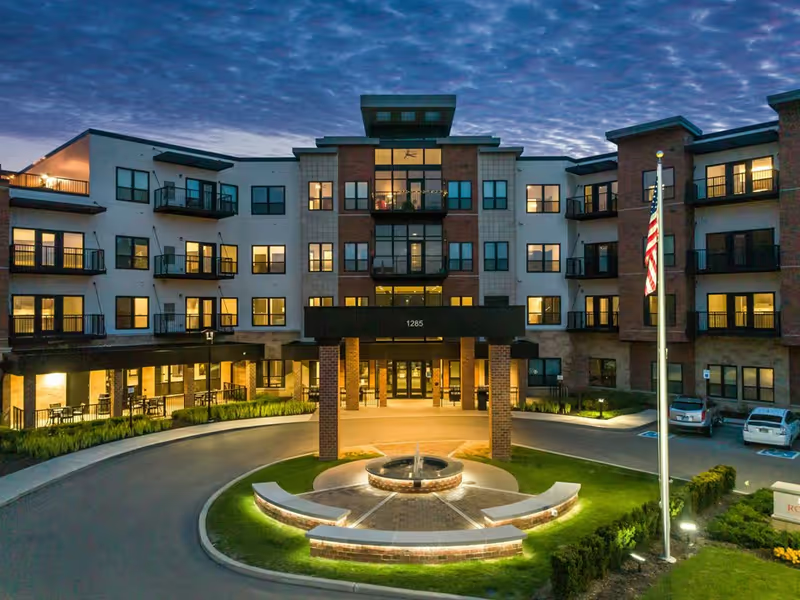
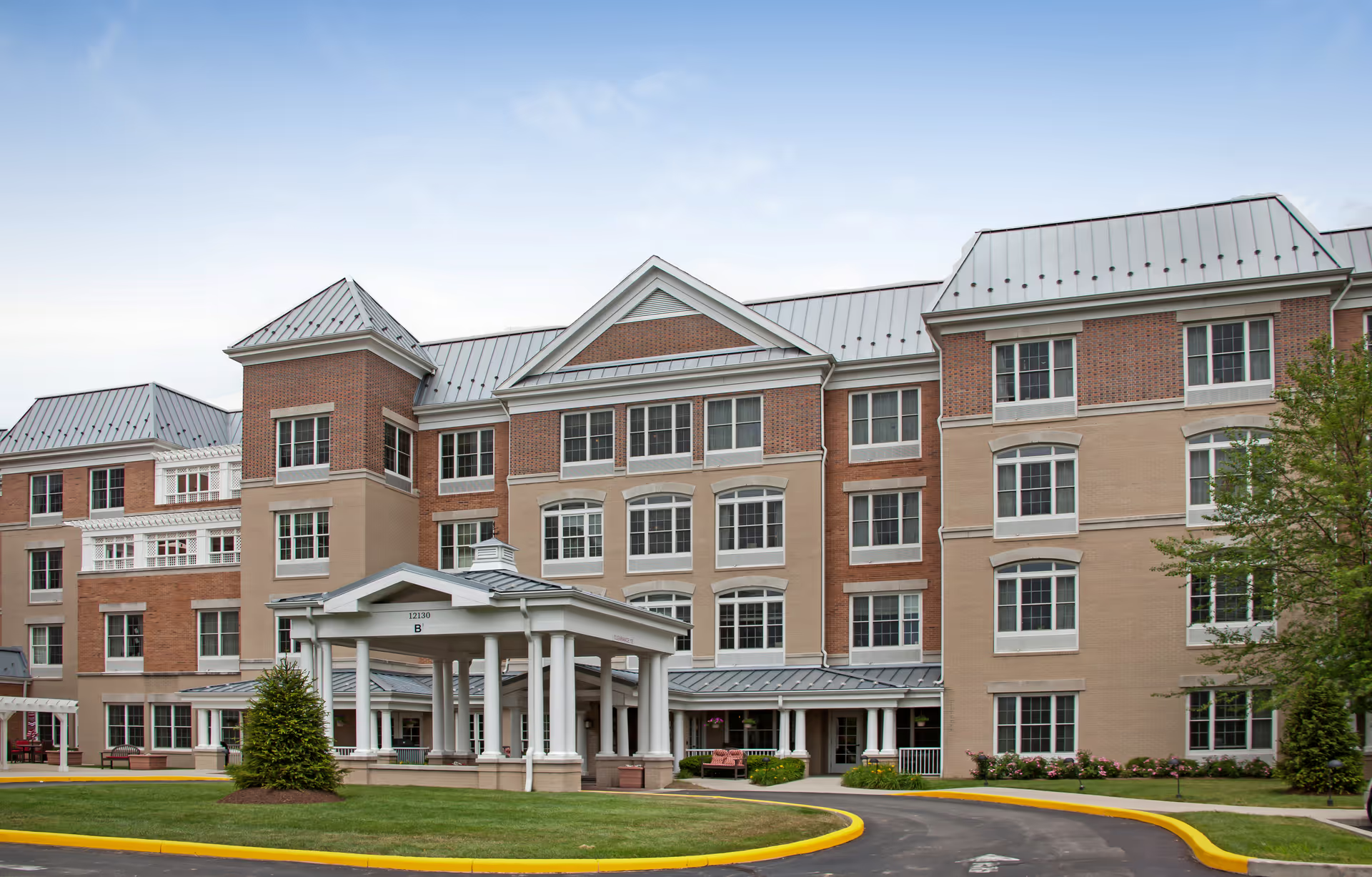
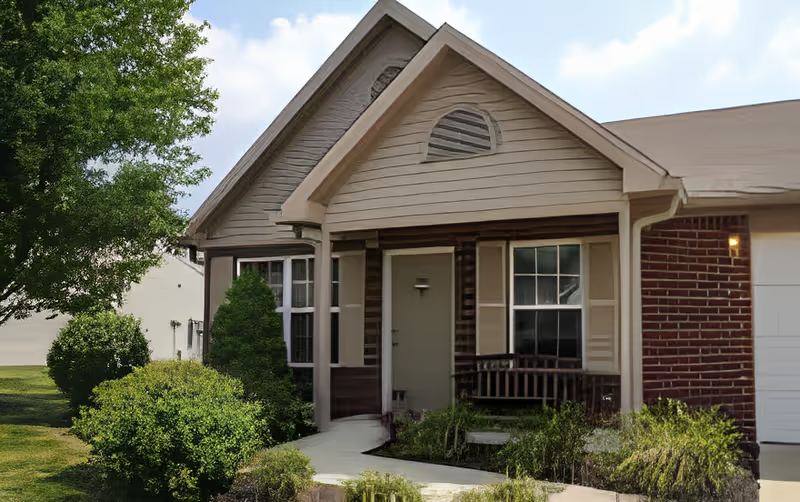
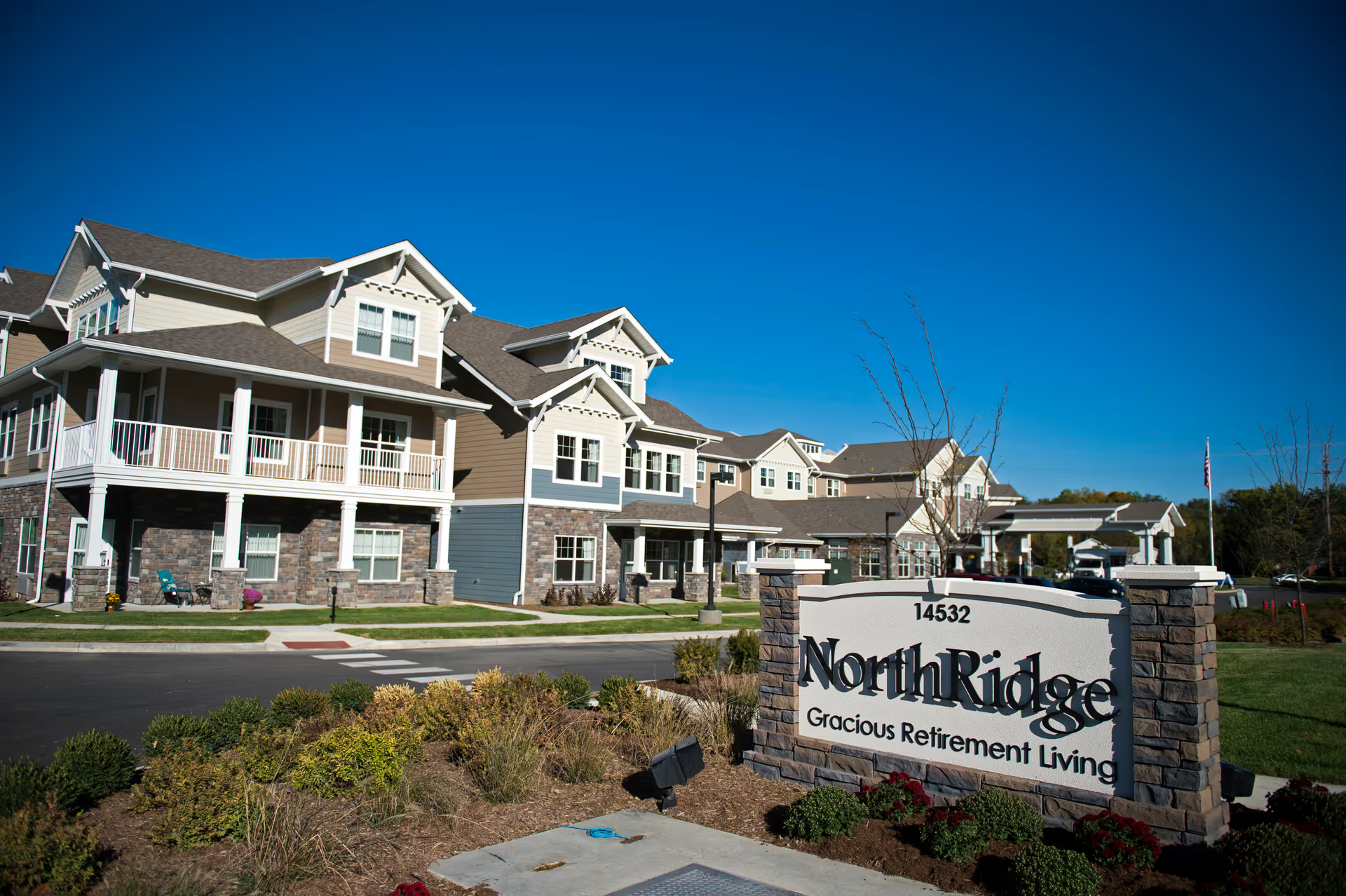
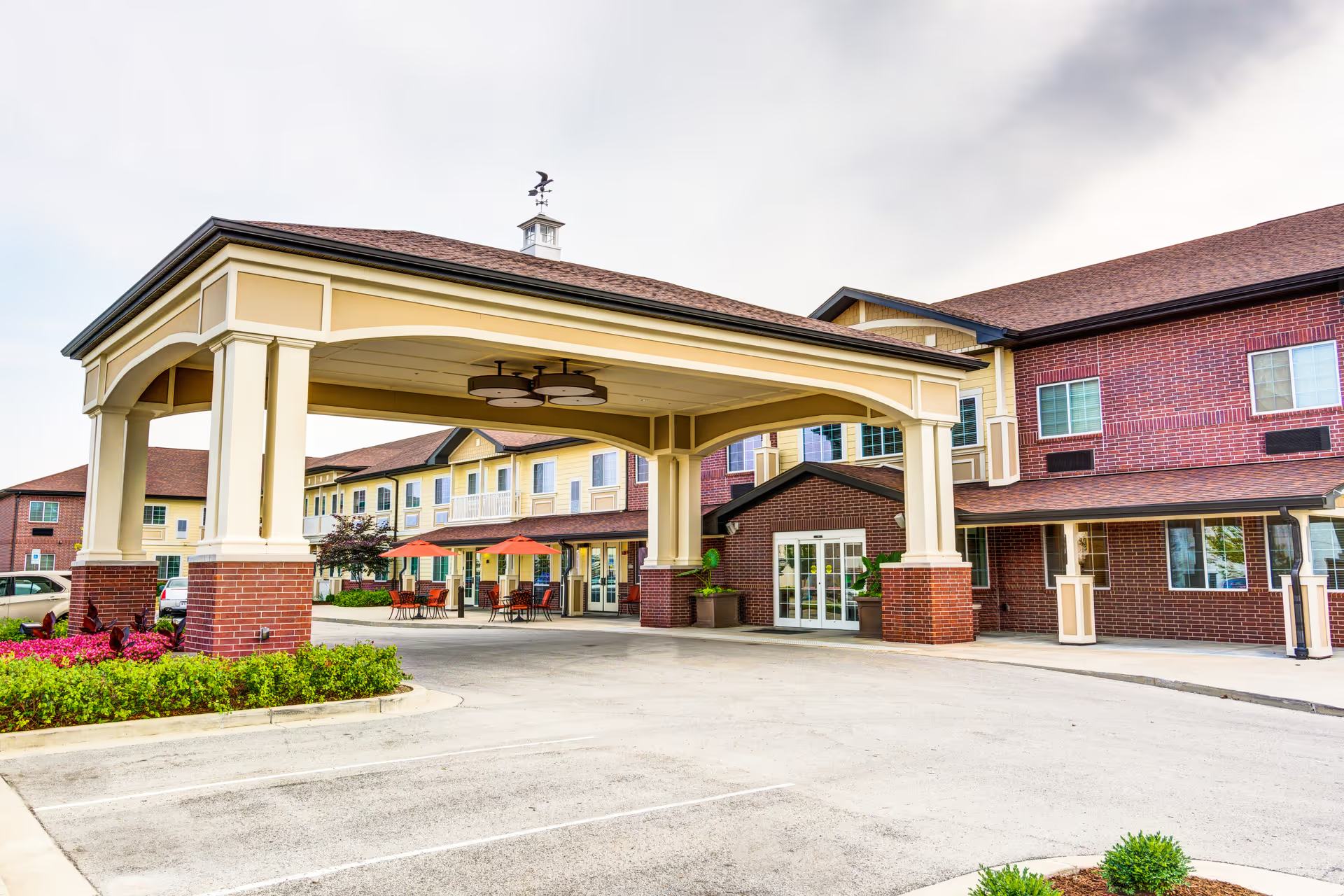
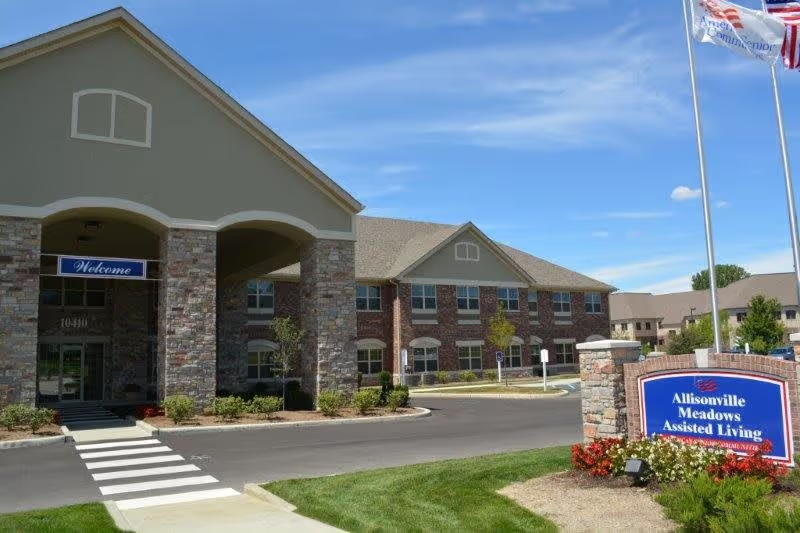
Facilities and amenities: The campus is repeatedly described as clean, bright, and well‑maintained with large apartments, wide hallways, attractive landscaping, a pond and gazebo, and hotel‑like common areas. Some areas were still completing vendor services or build‑out at times (salon, visiting therapy), and a notable operational weakness is HVAC reliability: several reviewers reported repeated heating or cooling outages that affected resident comfort and require management attention.
Notable patterns and recommendations: The dominant pattern is strong resident satisfaction driven by staff engagement, robust programming, and attractive facilities. Patterns of concern center on operational consistency—especially HVAC uptime, dining continuity during staff transitions, clinical coverage in memory care, and certain vendor/service contracts. Prospective residents and families should tour with these topics in mind: ask about current HVAC remediation plans, dietary‑restriction protocols, memory‑care clinical staffing and medication policies, staff turnover rates, and payment/eligibility policies (for example, Medicaid acceptance). For many families the tradeoffs (higher cost but strong staff and environment) are acceptable; for others, the facility’s operational variability in the areas noted will be important to clarify before committing.