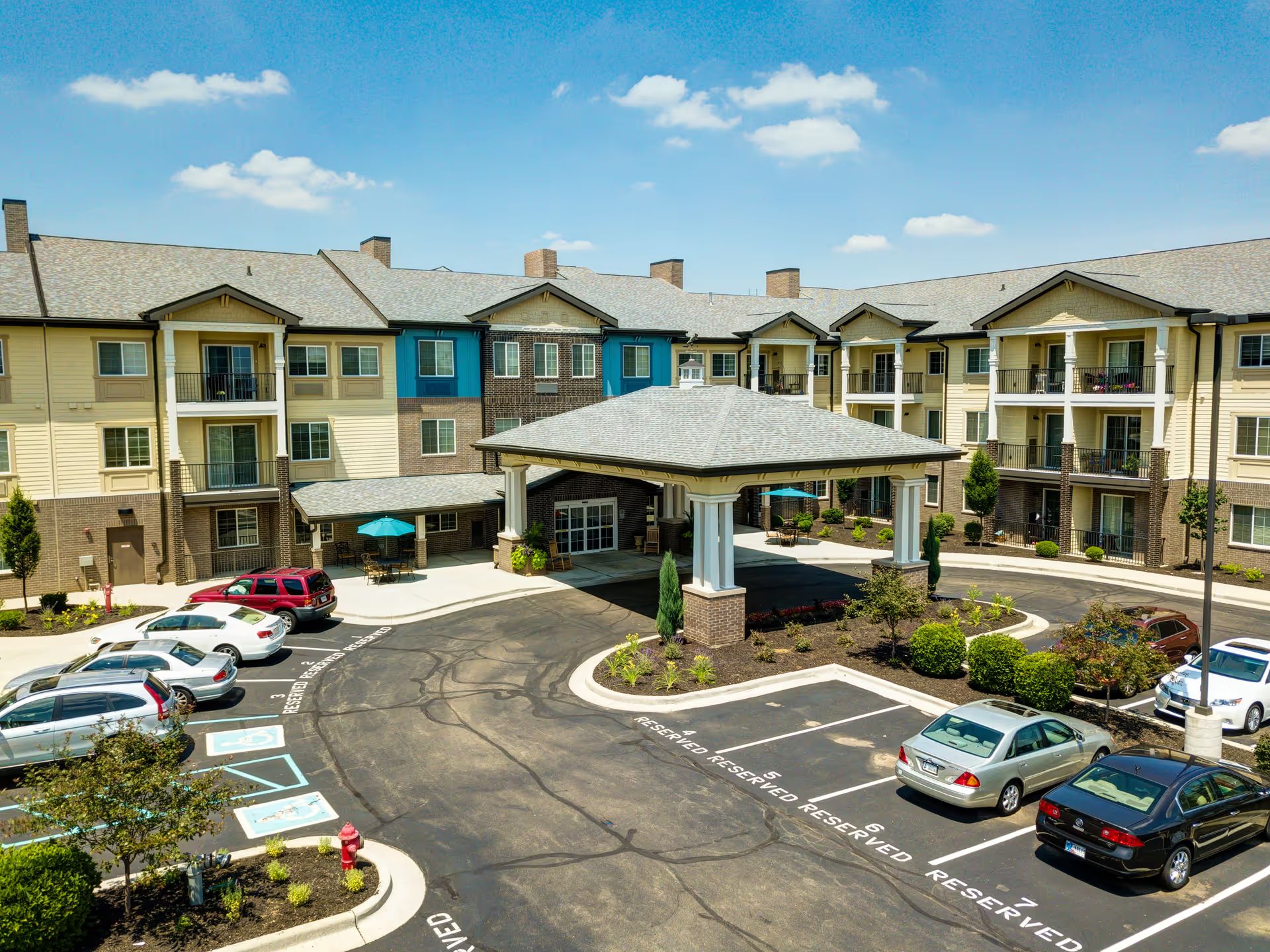
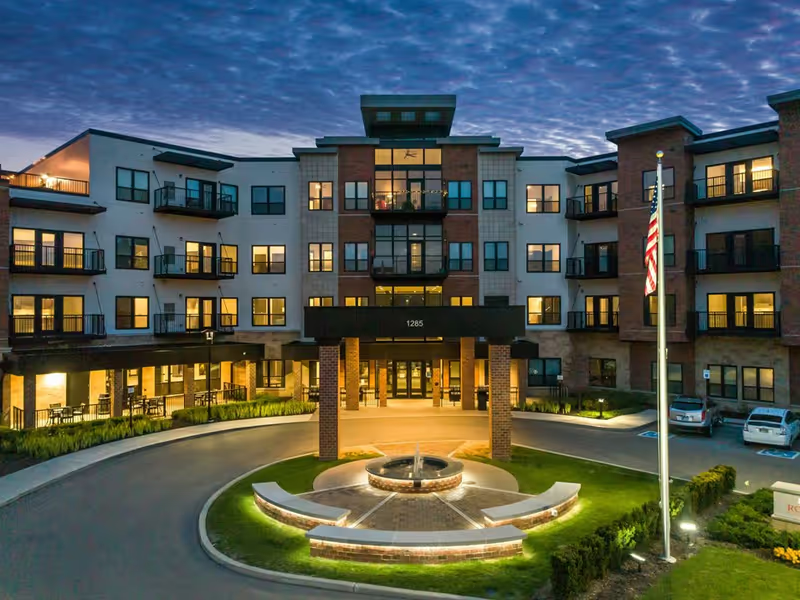
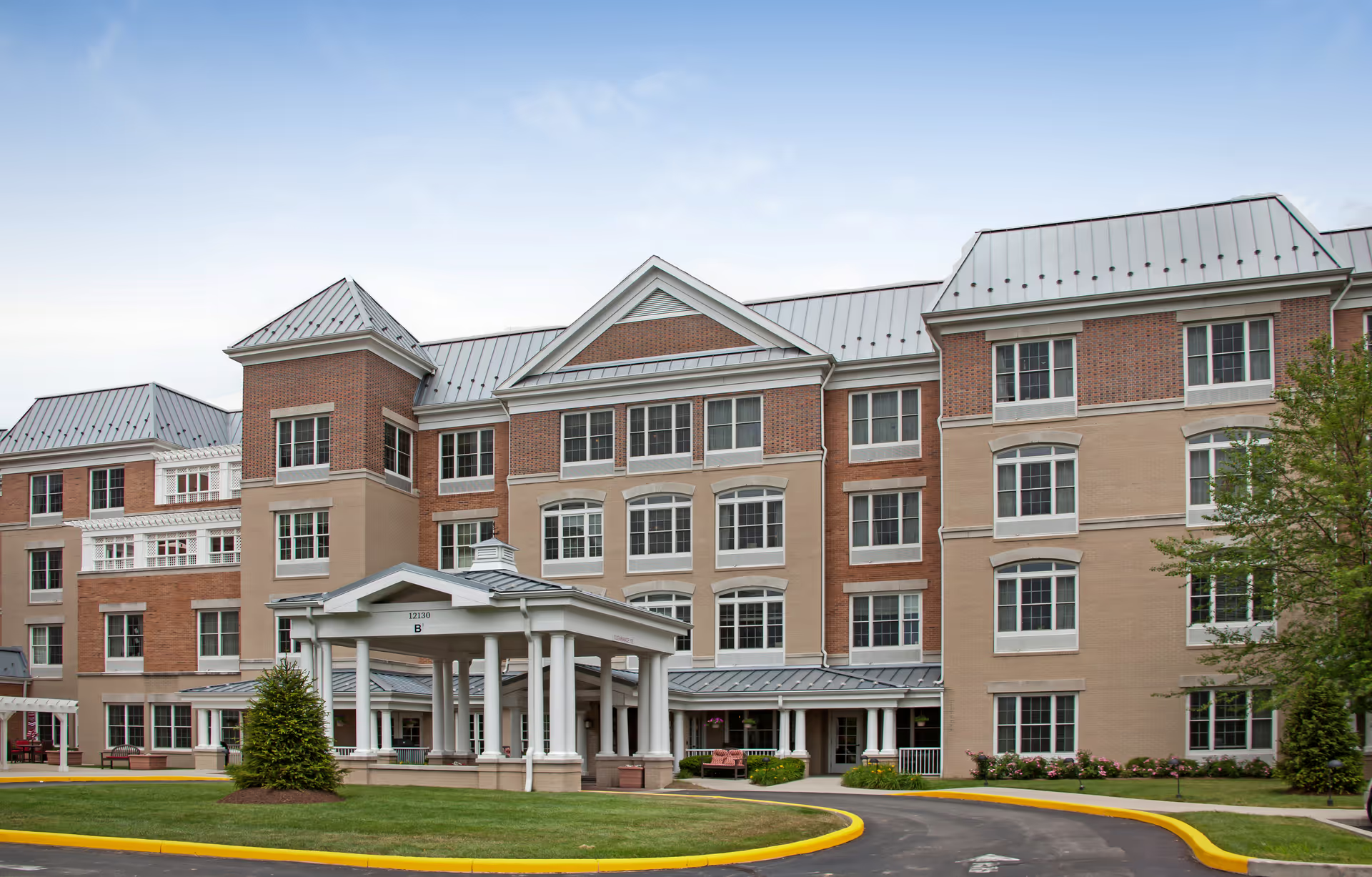
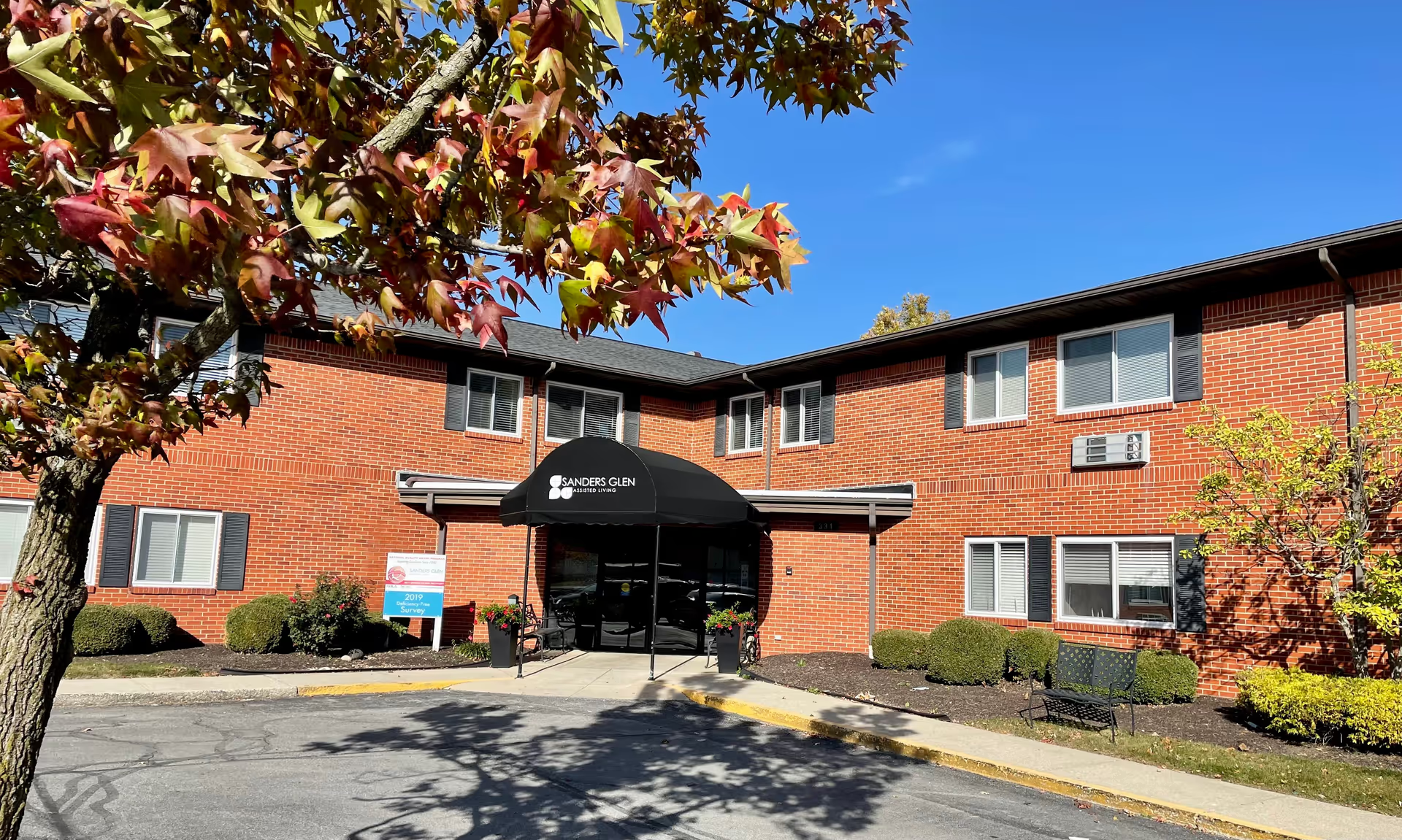
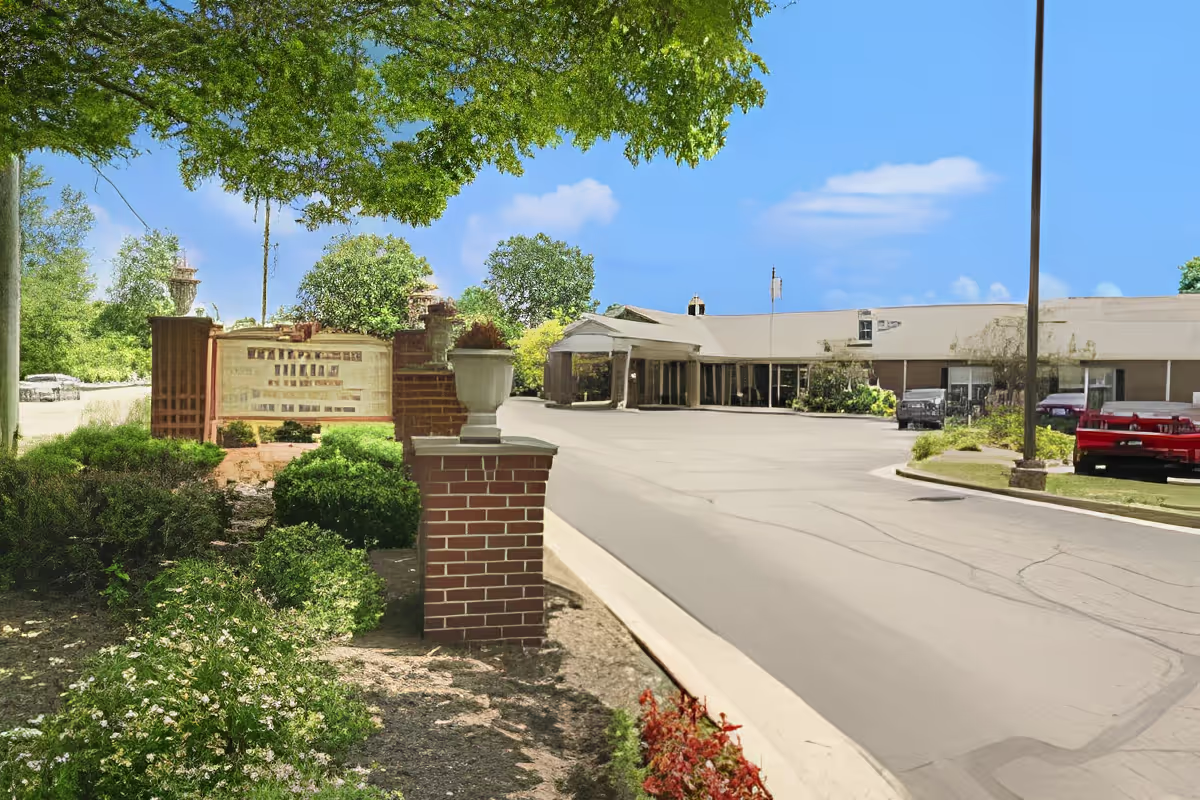
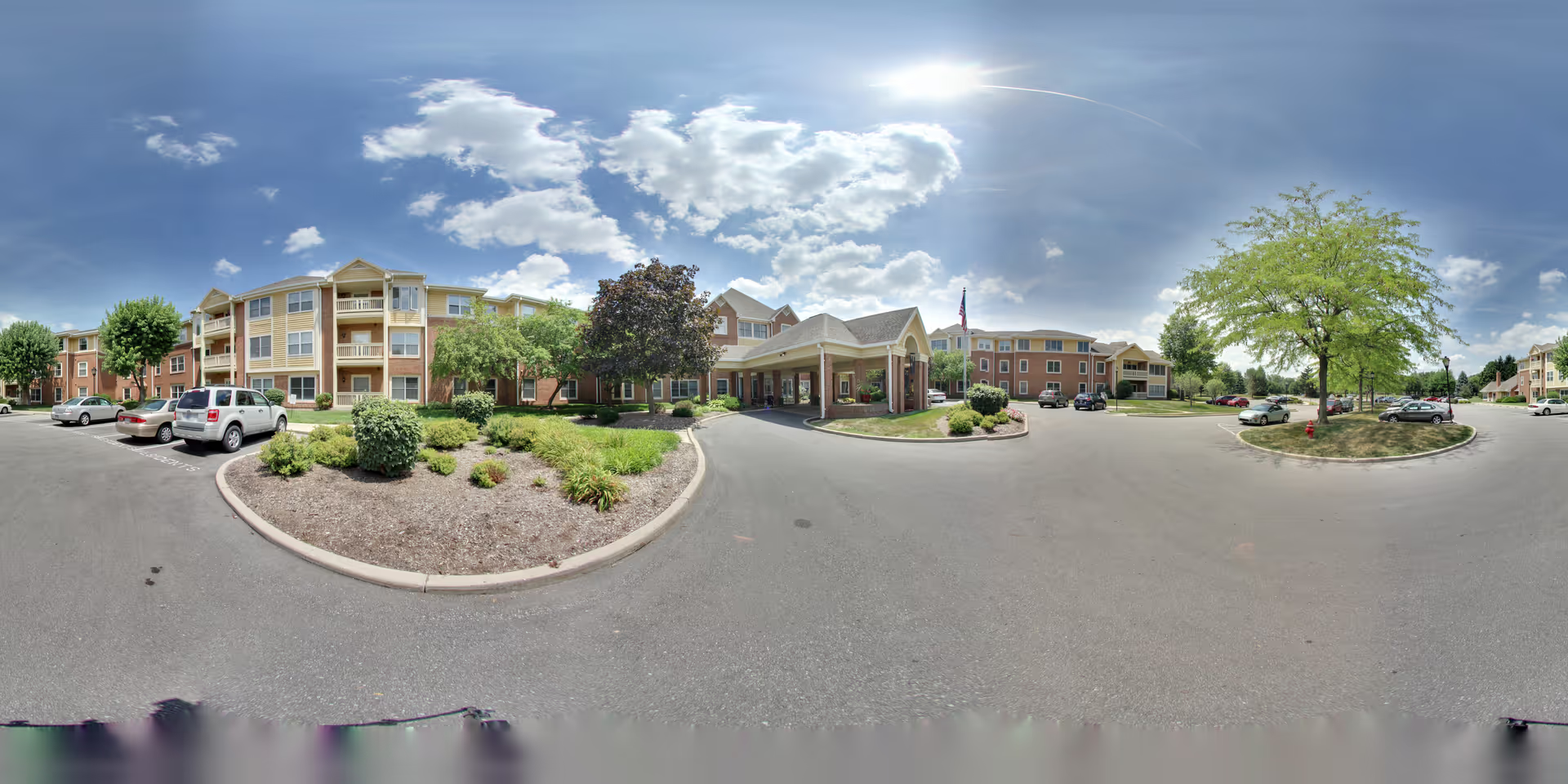
Woodland Terrace of Carmel elicits strongly mixed impressions. Many accounts describe a high-quality physical environment — a well-maintained, hotel-like campus with spacious, light-filled apartments, landscaped grounds, and multiple attractive common areas. The community offers apartment-style living, on-site physical therapy and fitness options, and several dining venues that aim for restaurant-quality presentations. Families and residents frequently praise the active social calendar (exercise classes, music, art, clubs, religious services, and outings), the convenience of medical transportation and a location near a hospital, and specific staff members who demonstrate compassion and professional pride.
Care experiences vary across units and over time. Positive descriptions include attentive, patient staff and a structured memory-care neighborhood with secure design and assistance for activities of daily living. Conversely, a recurring pattern links declines in clinical consistency and responsiveness to recent ownership or management changes. Concerns raised point to insufficient staffing ratios, limited nursing coverage during some shifts, and gaps in medication-management processes. Several families expressed worries about delays in attending to residents and about the tone and responsiveness of some staff members.
Dining and programming present a mixed picture. Many residents appreciate chef-prepared meals, varied menus, and accommodating special-diet needs, alongside abundant social and recreational offerings. At the same time, other accounts describe inconsistent food quality, smaller portions or restrictive meal-service practices, and reductions in restaurant hours or transportation that affect program participation. These operational inconsistencies have contributed to perceptions of diminished value given the facility's premium pricing.
Management and operations are common themes in critical accounts. Multiple narratives describe a decline in service after management transitions, including staff reductions, higher turnover, delayed maintenance, billing irregularities, and uneven communication with families. More serious operational concerns noted by reviewers include allegations of improper apartment access and theft, as well as insufficient dementia-care training for some staff in the memory-care neighborhood; these items merit direct inquiry by prospective families and review of recent inspection records.
Taken together, Woodland Terrace offers strong physical amenities, an extensive activity program, and many experienced, caring staff members. Prospective residents and families should plan an in-person visit that includes observation of staffing levels during mealtimes and activities, direct conversations with nursing leadership about clinical coverage and medication-safety protocols, review of recent ownership and inspection history, and verification of contract, meal, transportation, and billing practices before making a decision.