Chesterton Manor elicits a broadly mixed but actionable picture: reviewers commonly describe a warm, family-like environment with many caregivers who are compassionate, personable, and engaged. Therapy services (PT/OT/rehab), activities programming, and dietary staff receive frequent praise; families highlight individualized attention, meal customization, prompt laundry and housekeeping in many cases, and meaningful engagement opportunities such as gardening and entertainment. Several staff members and departments are singled out positively for going above and beyond, and many families feel reassured by the facility's infection-control practices and end-of-life support.
At the same time, recurring operational weaknesses are evident. Understaffing and variable staffing models (including reliance on agency personnel) are linked to delayed response times, uneven nursing attention, and inconsistent clinical monitoring. Reviewers describe variability in the quality of nursing and aide care across shifts, and communication can be inconsistent depending on who is working; these patterns contribute to family frustration even when individual caregivers are praised. There are also periodic housekeeping and sanitation inconsistencies and isolated property-management lapses affecting resident belongings.
Dining and nutrition are generally seen as strengths—meals are often described as well-balanced with appealing presentation and helpful dietary staff—but reviewers also note variability in food quality and occasional failures to follow specific diet restrictions. Therapy and activities are commonly highlighted as strong programs that aid recovery and resident wellbeing, though therapy scheduling and availability can be uneven at times.
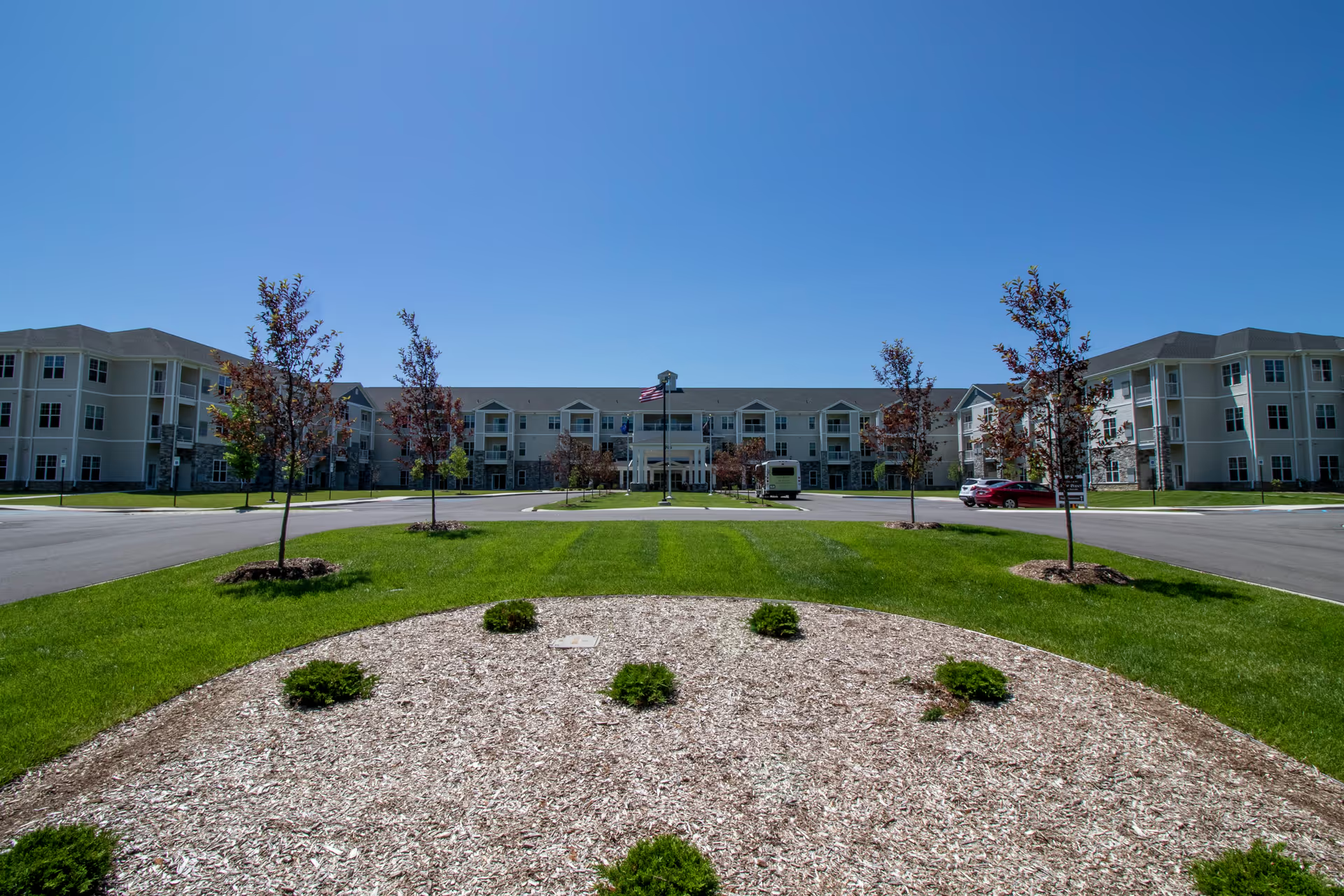
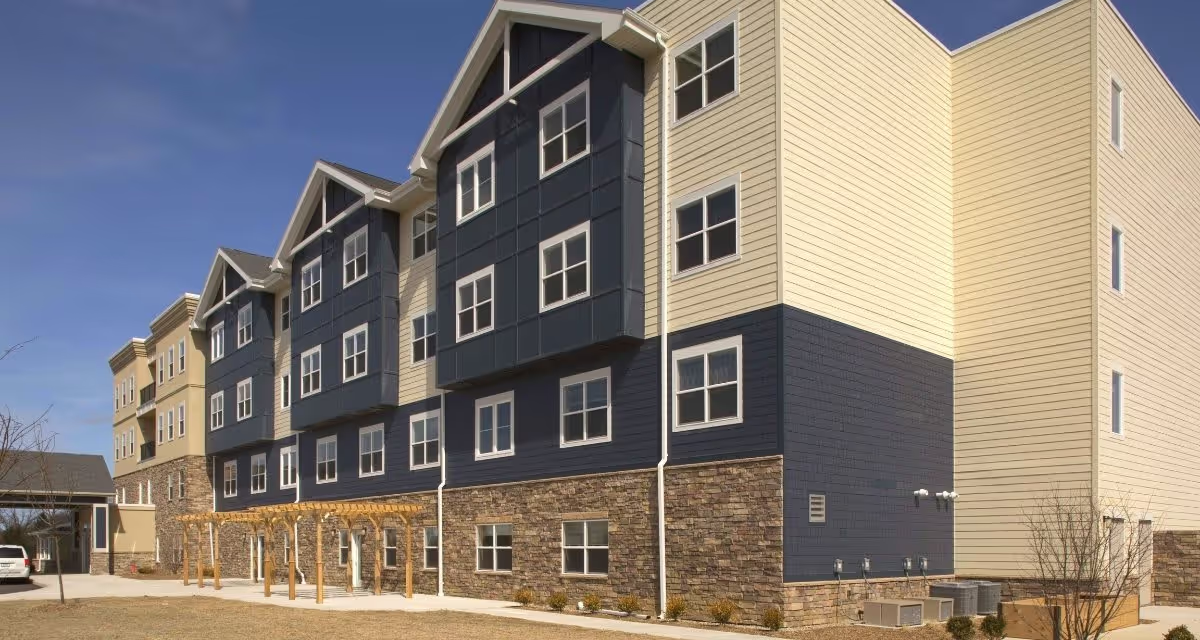
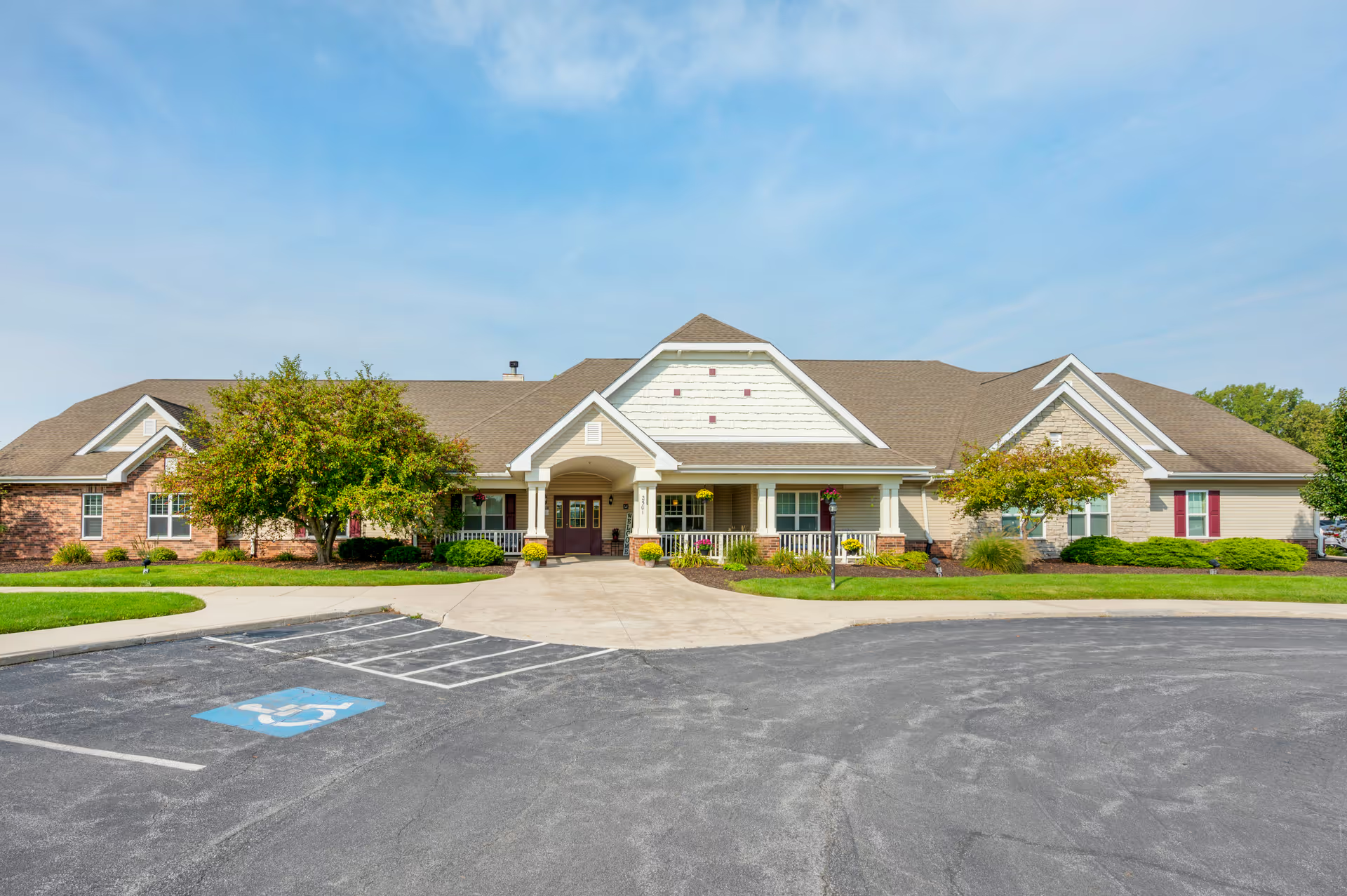
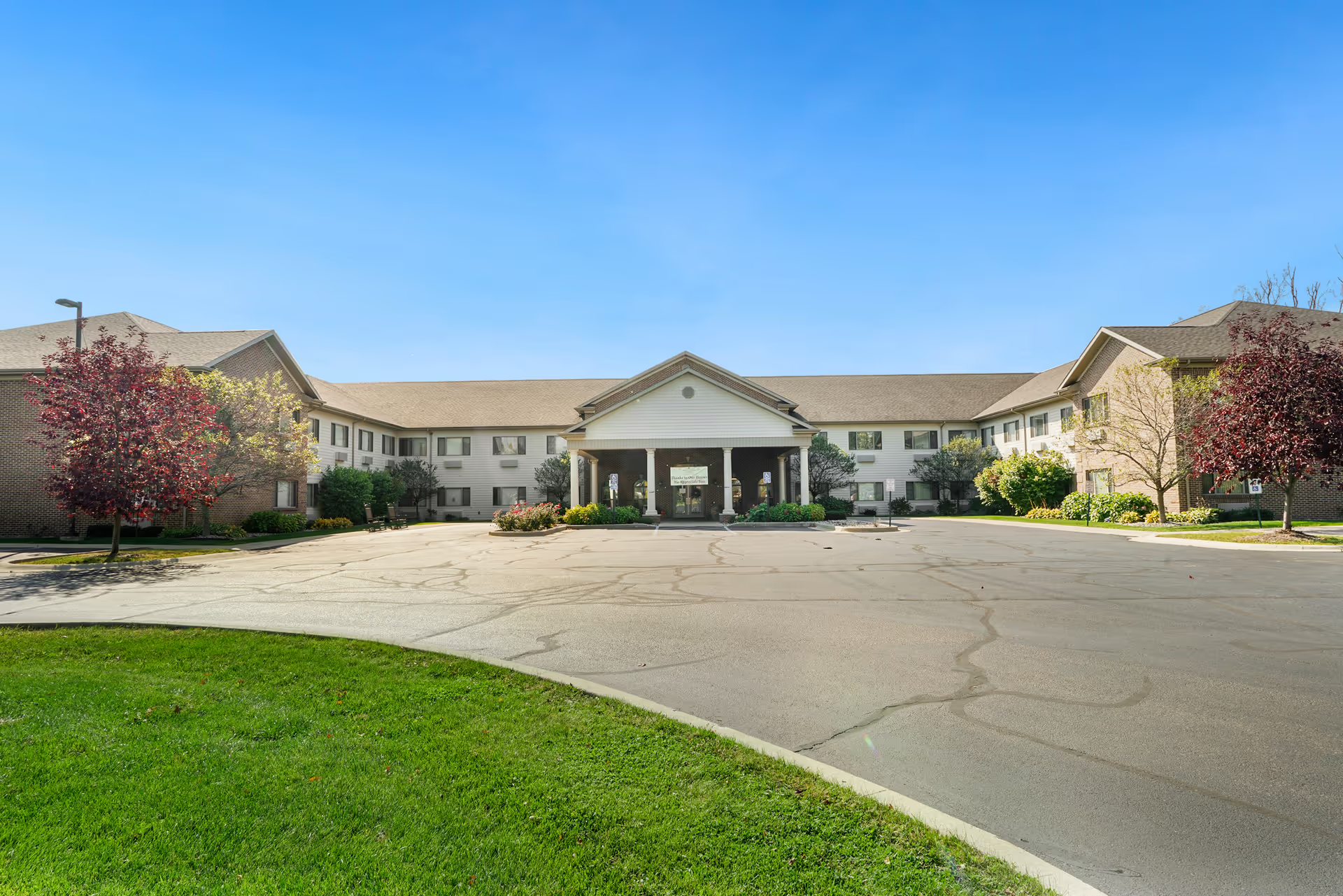
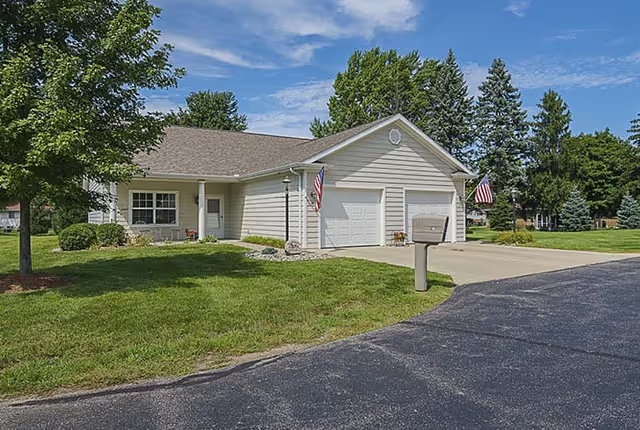
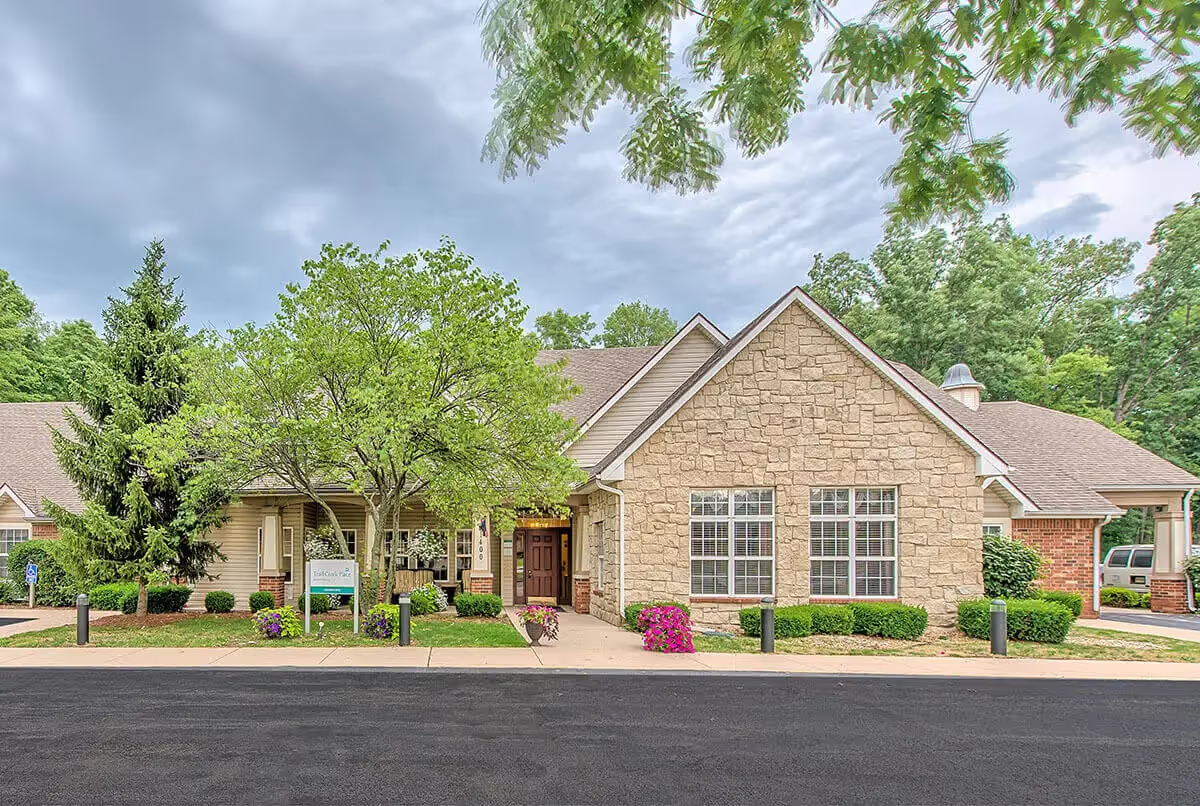
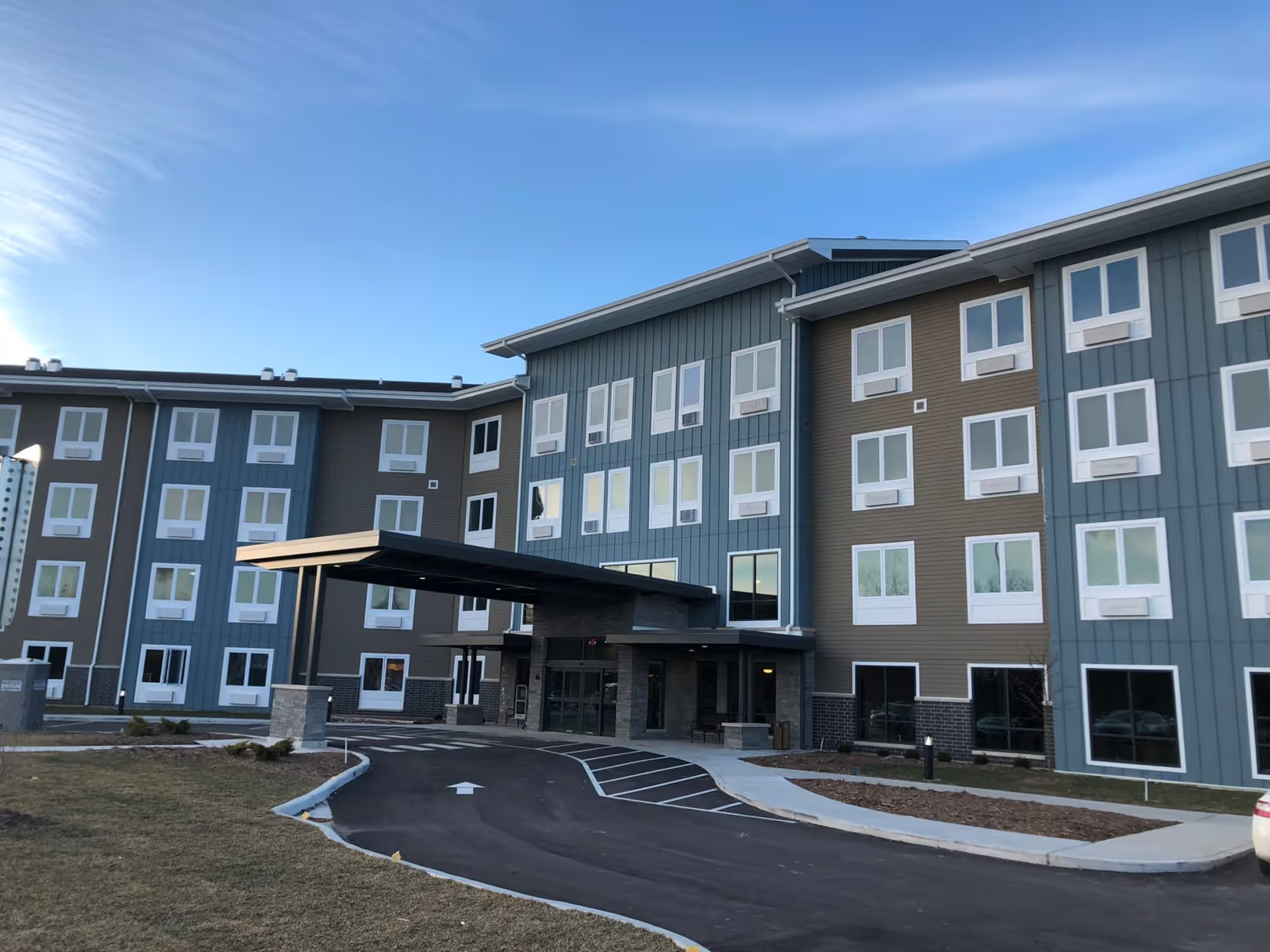
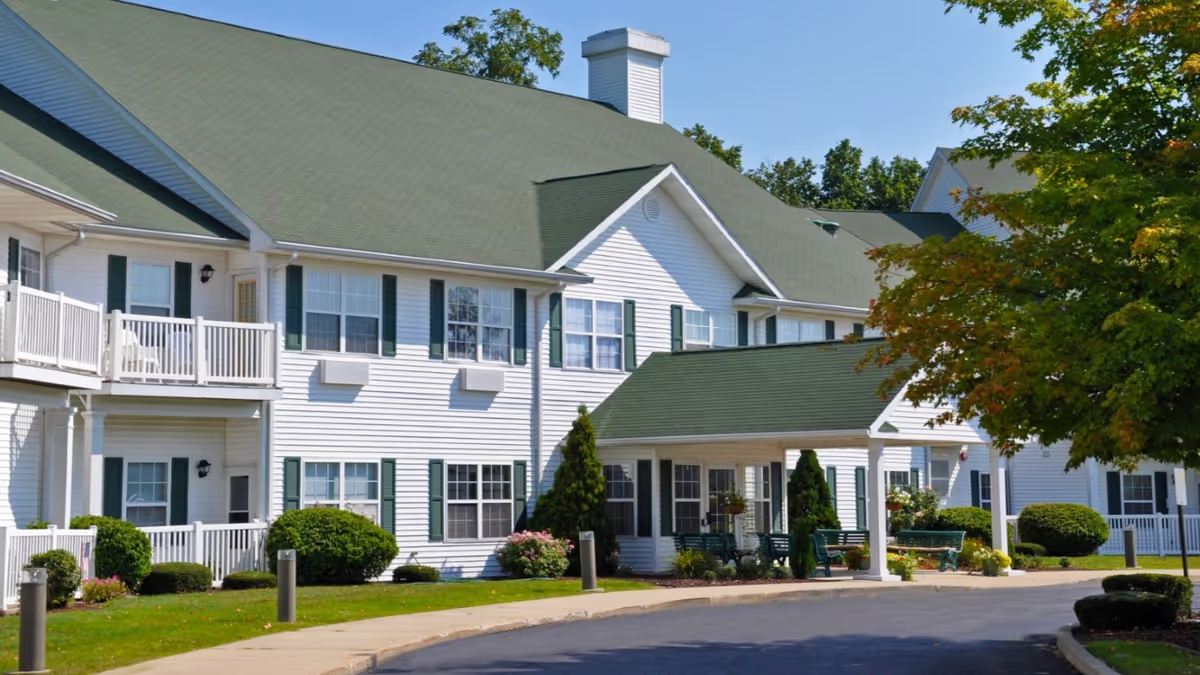
The physical plant is functional and well maintained in many areas, with attractive grounds and a welcoming entrance, but the building shows its age in places and reviewers indicate a need for modernization and more timely maintenance response. Management impressions are mixed: leadership and specific administrators have been credited for responsiveness and improvement efforts, yet families also point to inconsistent communication and ongoing challenges related to staffing and staff conduct that require continued management attention.
Overall, Chesterton Manor appears to offer many of the relational and rehabilitative strengths families seek—compassionate caregivers, effective therapy, and an active activities program—while also exhibiting operational gaps that affect consistency of care. Prospective residents and families who prioritize a small, community-oriented setting with strong activities and therapy supports may find it a good fit, but they should inquire specifically about current staffing levels, shift-to-shift nursing practices, property-management safeguards, and how dietary and maintenance issues are handled to ensure those operational concerns align with their expectations.