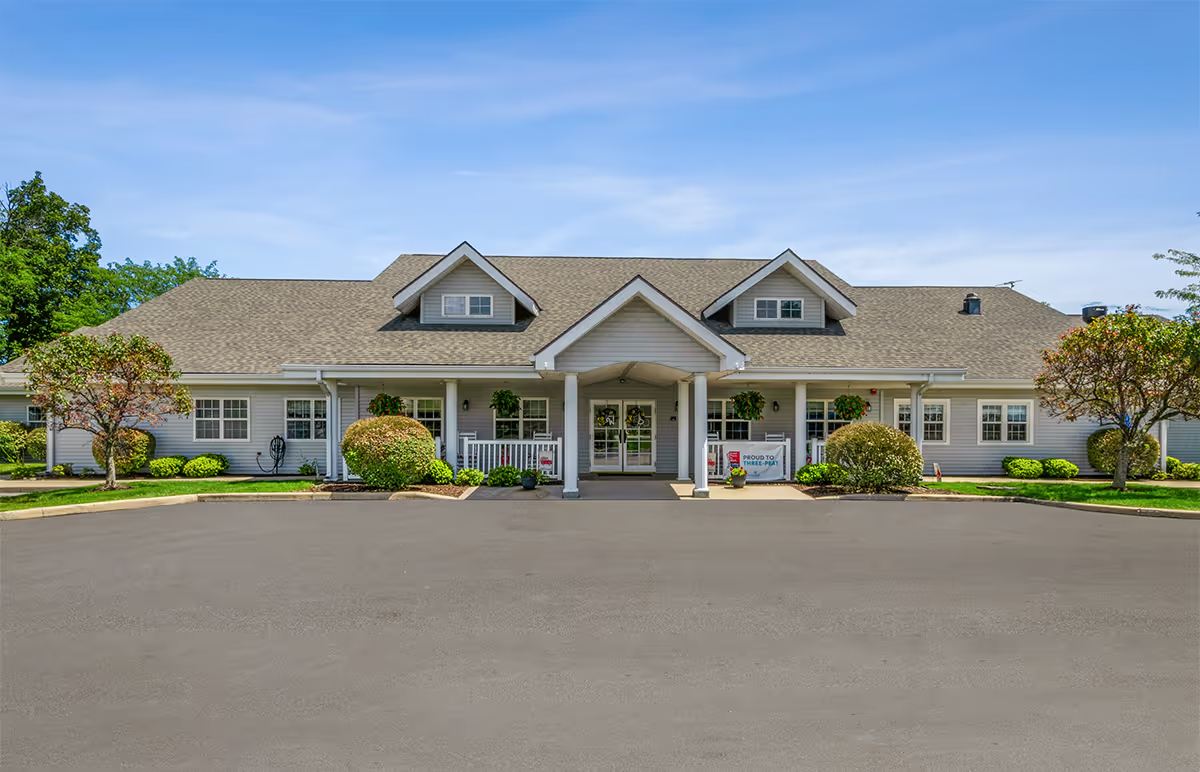
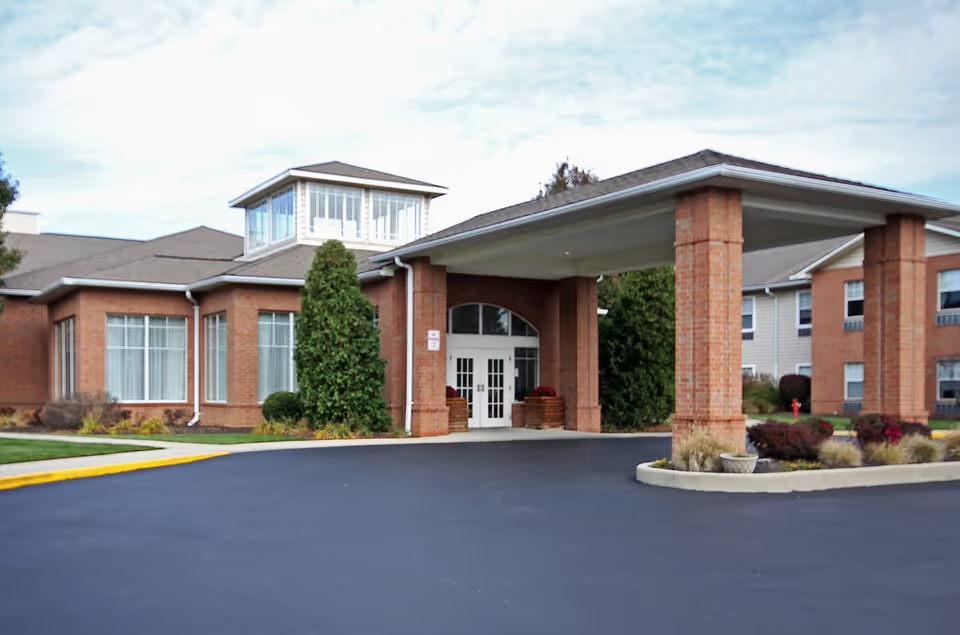
Reviews for Hickory Creek at Connersville present a mixed but interpretable picture: the facility receives consistent praise for day-to-day caregiving, cleanliness, and the interpersonal warmth of its staff, while operational and leadership issues are a recurring area of concern. Many comments describe a team approach to care, with staff framed as skilled, caring, and willing to go beyond basic duties to comfort residents and family members. The environment is repeatedly characterized as home-like and family-oriented, and reviewers cite proactive communication when problems arise.
Care quality and staff culture are the facility’s clearest strengths. Multiple reviewers highlight compassionate, resident-focused caregiving and courteous, professional interactions. Staff are described as helpful, welcoming to visitors, and committed to residents’ wellbeing; activity staff and department heads receive positive mentions. These accounts suggest an organizational culture at the front line that prioritizes individualized attention and resident comfort.
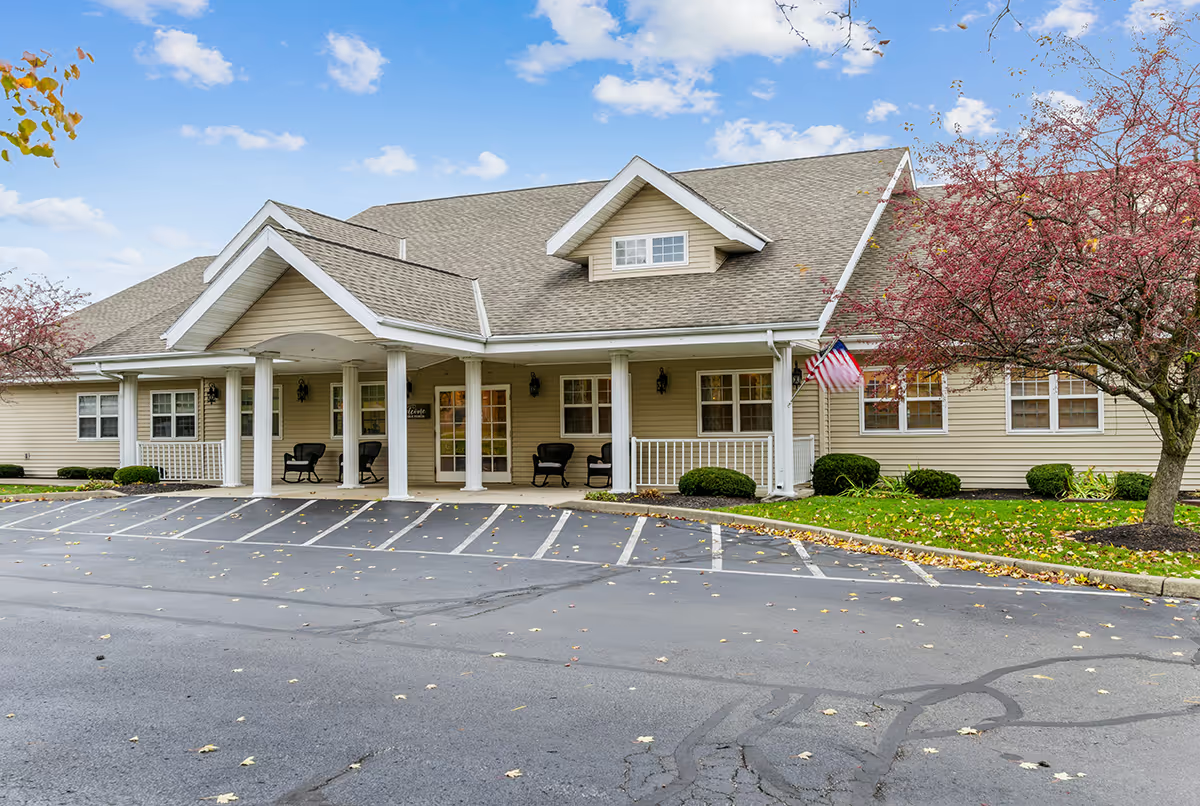
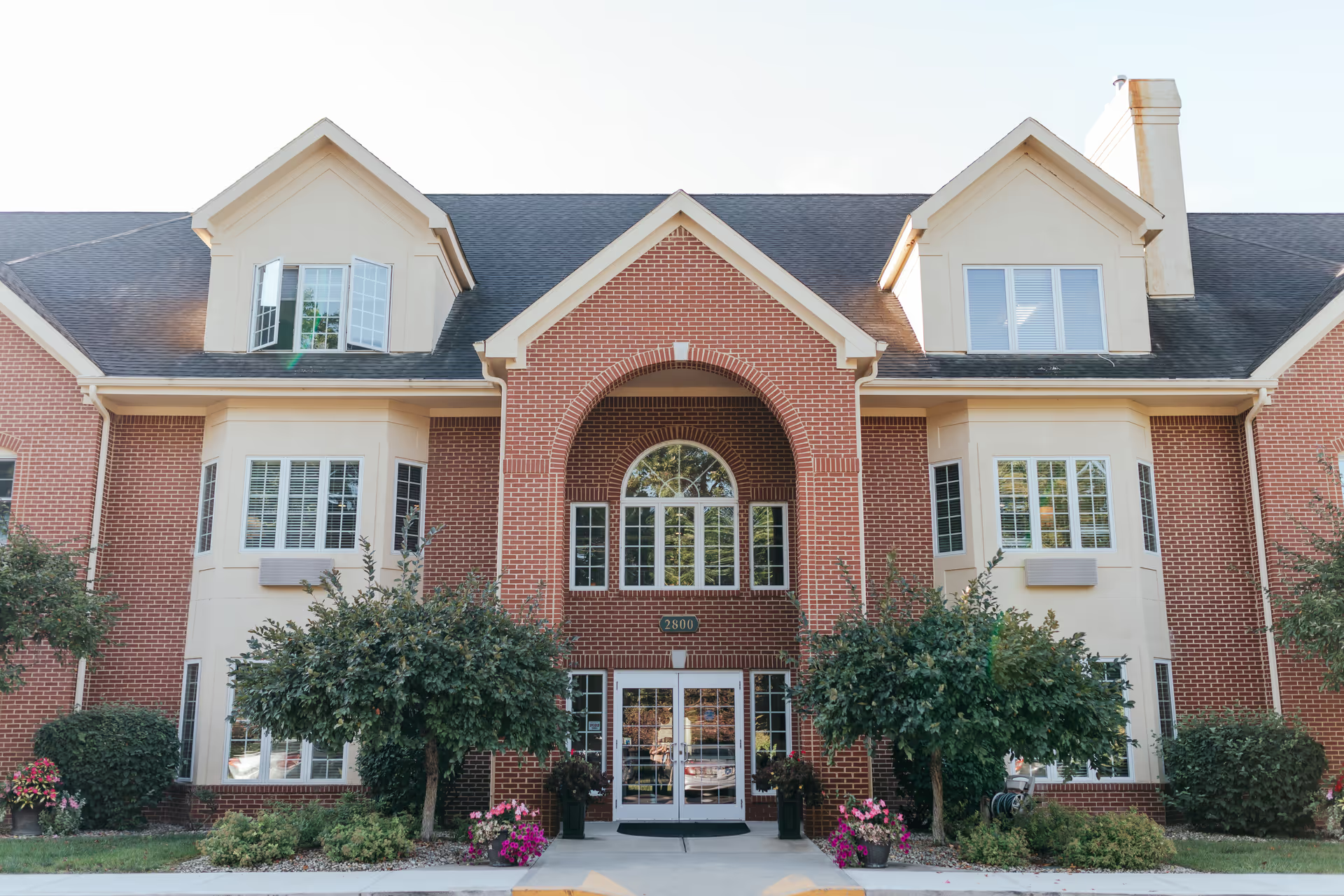
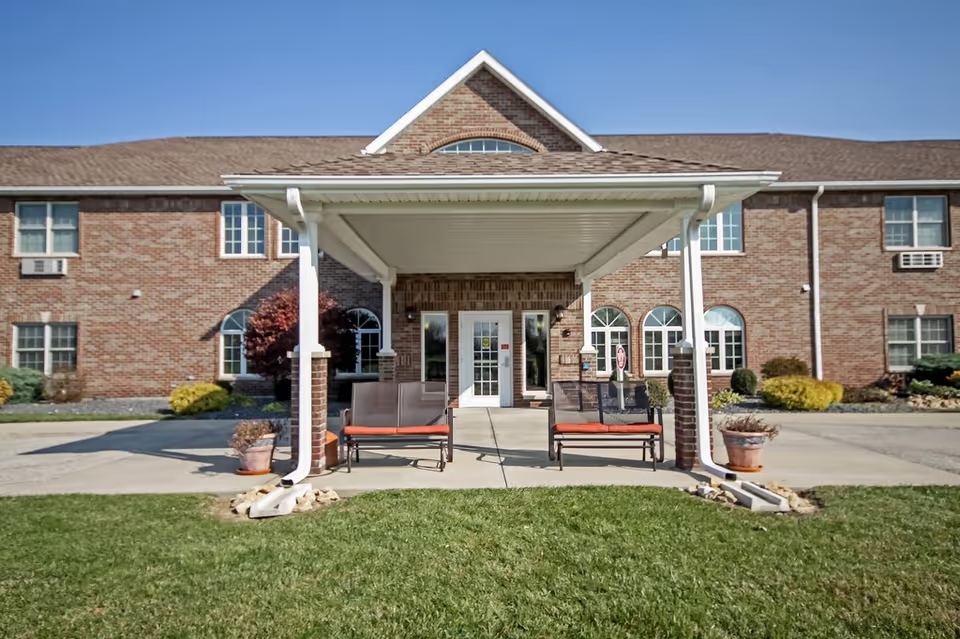
Dining and activities are also noted positively. Comments referencing “great food,” regular activities, and plans to return after visits indicate an active life-enrichment program and acceptable meal quality. The physical plant is described as clean and well kept, with common areas that feel inviting — factors that support the facility’s “feels like home” characterization.
At the same time, reviewers raise operational concerns that could affect long-term continuity of care. The most prominent issue is management and administrative instability: remarks include dissatisfaction with leadership, suggested management changes, and inconsistent administrative practices. Relatedly, payroll and compensation processing problems — including late payments — and descriptions of employees being overworked point to elevated workload and morale challenges among staff. These operational weaknesses create a risk for staff turnover and could undermine the otherwise strong caregiving culture if not addressed.
For prospective residents and families, the notable pattern is one of strong bedside caregiving and a well-maintained, home-like environment coupled with organizational-level risks around leadership, payroll, and staff workload. When evaluating the community, consider asking about recent leadership changes, staff turnover rates, payroll stability, staffing ratios, and how the facility addresses employee morale and scheduling. Observing mealtimes, activities, and staff–resident interactions during a tour can help validate the consistent positives while clarifying whether administrative concerns have been resolved.