Crown Point Christian Village presents a mixed but informative profile for prospective residents and families. Many reviews emphasize a compassionate, dedicated caregiving team and a strong therapy program (PT/OT) that contribute to positive long-term care experiences. The community atmosphere, on-site religious services, apartment-style units, pleasant grounds, and generally clean common areas are frequently cited as strengths. The facility also appears to offer reasonable value relative to local costs and has implemented infection-control measures that reassured some families during the pandemic.
Care and staff: Nursing, therapy, and many direct-care staff receive substantial praise for professionalism, attentiveness, and individualized support; several reviewers indicated that staff interactions improve residents' quality of life and provide peace of mind to families. At the same time, reviewers describe variability in staffing consistency and turnover among nurses and aides, and there are isolated accounts that raise concerns about staff conduct, tone, and delays in attending to residents. Communication experiences are uneven: some families note clear, proactive updates, while others describe gaps between administration, nursing, and families, especially around clinical or after-hours issues.
Dining and nutrition: Dining is a prominent plus in many accounts—an identified chef and scratch cooking are called out positively, and the dining room environment and available meal assistance are strengths. However, food quality appears to be chef-dependent, with variability noted when kitchen staff change. There are also operational concerns about adherence to dietary restrictions (for example, diabetic diets) and intermittent meal consistency issues. These are service-level patterns rather than isolated preferences, and they may have clinical significance for residents with strict nutritional needs.
Activities and community life: The activities program is consistently described as engaging and varied, including chair exercises, crafts, bingo, and frequent social opportunities. Reviewers frequently cite an energetic activities team and a strong sense of community and family among residents, which supports social wellness and daily engagement.
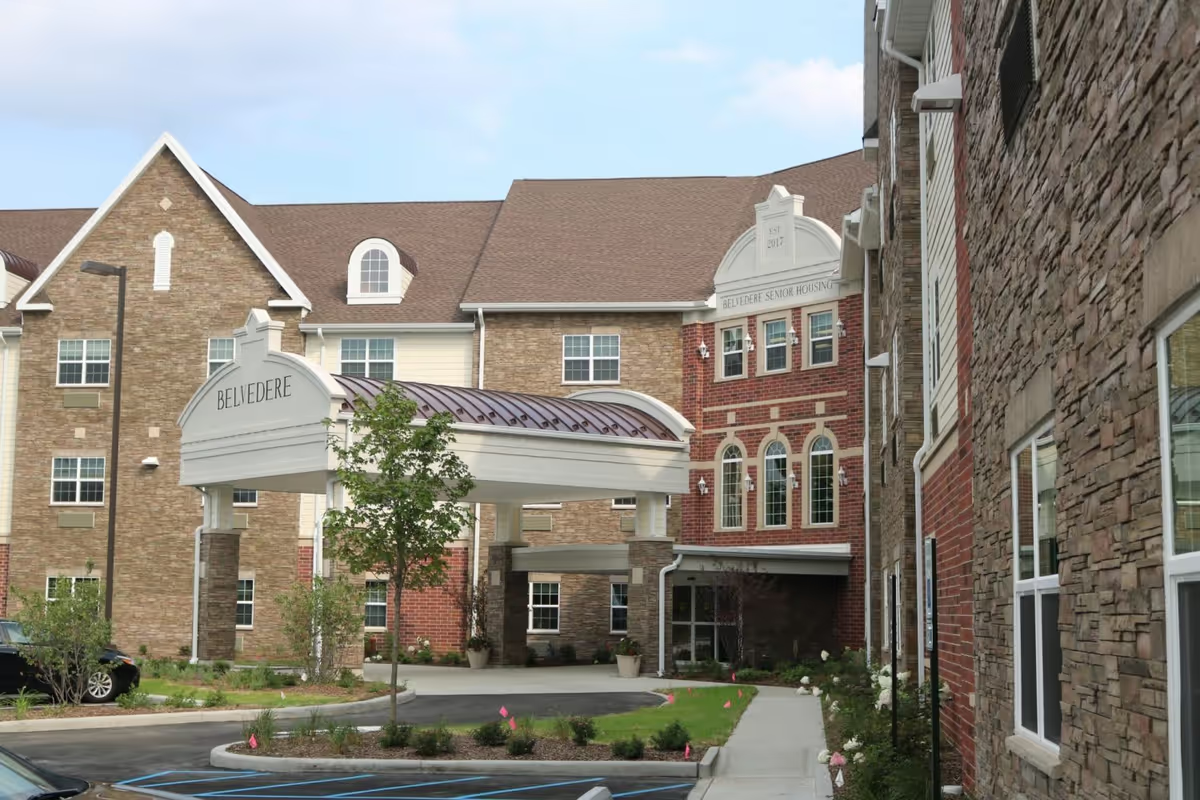
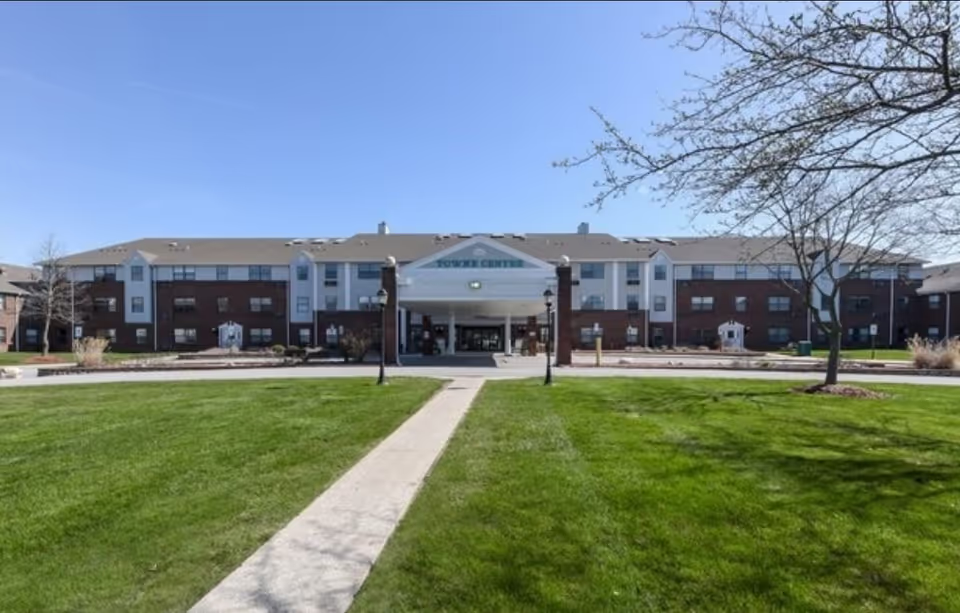
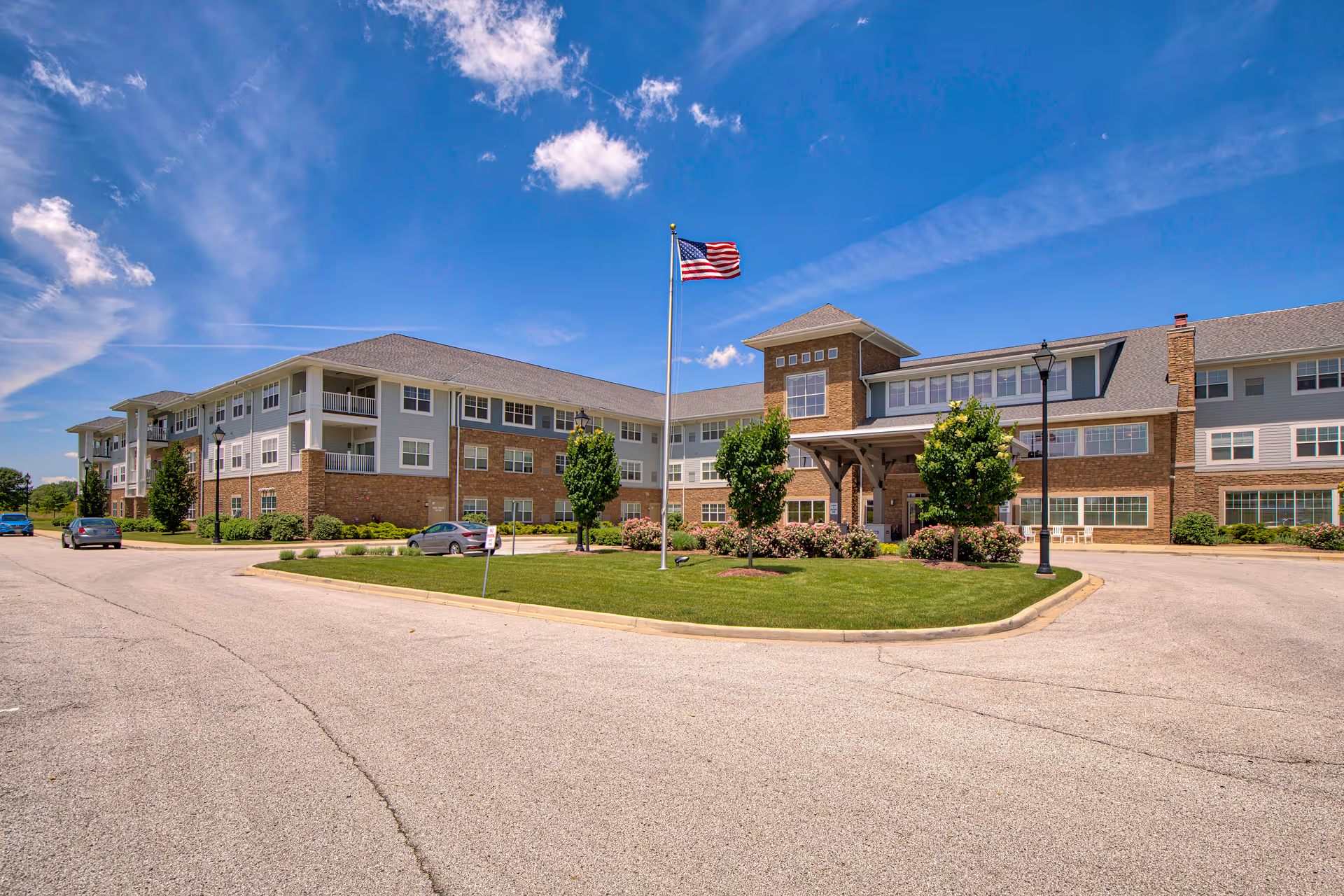
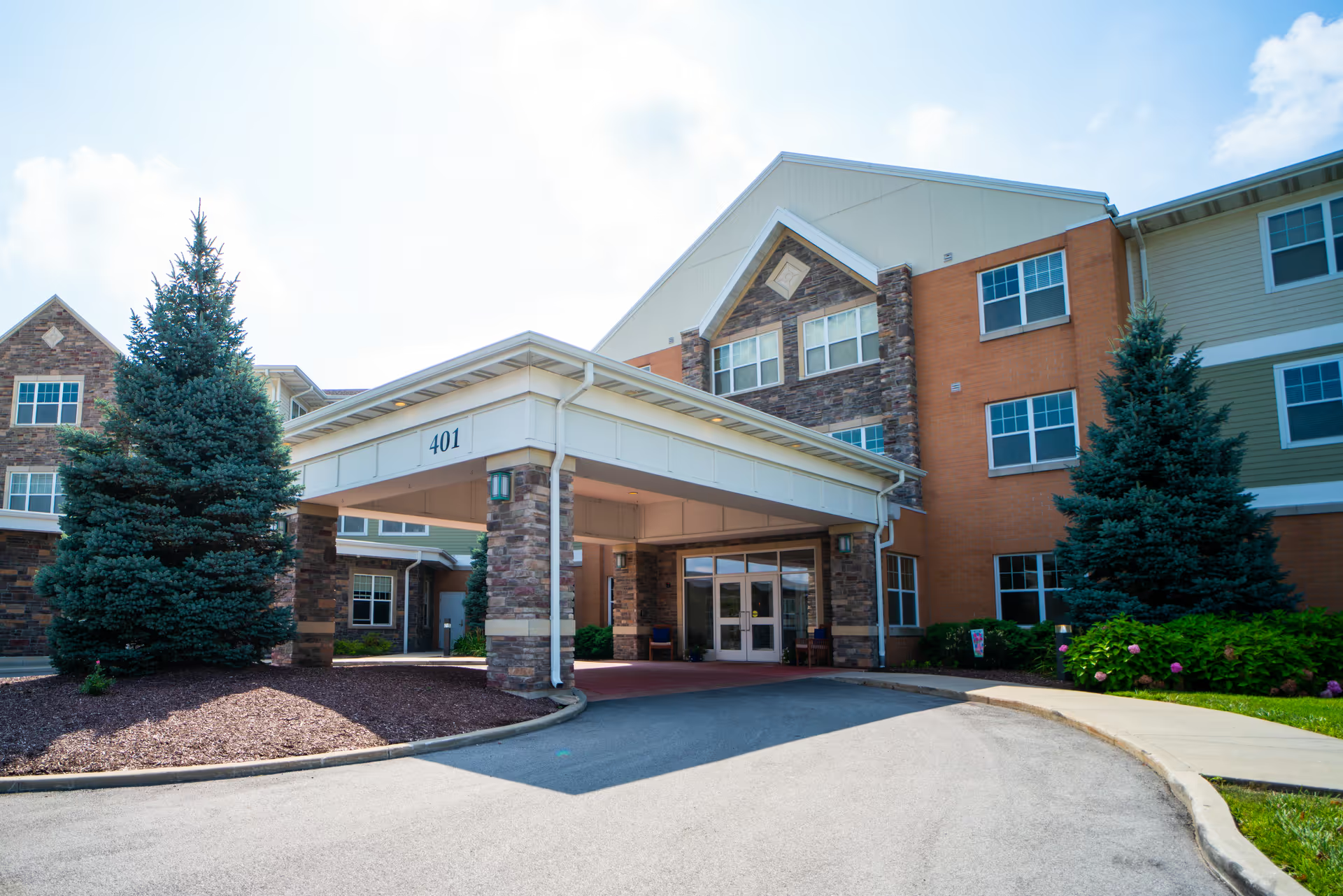
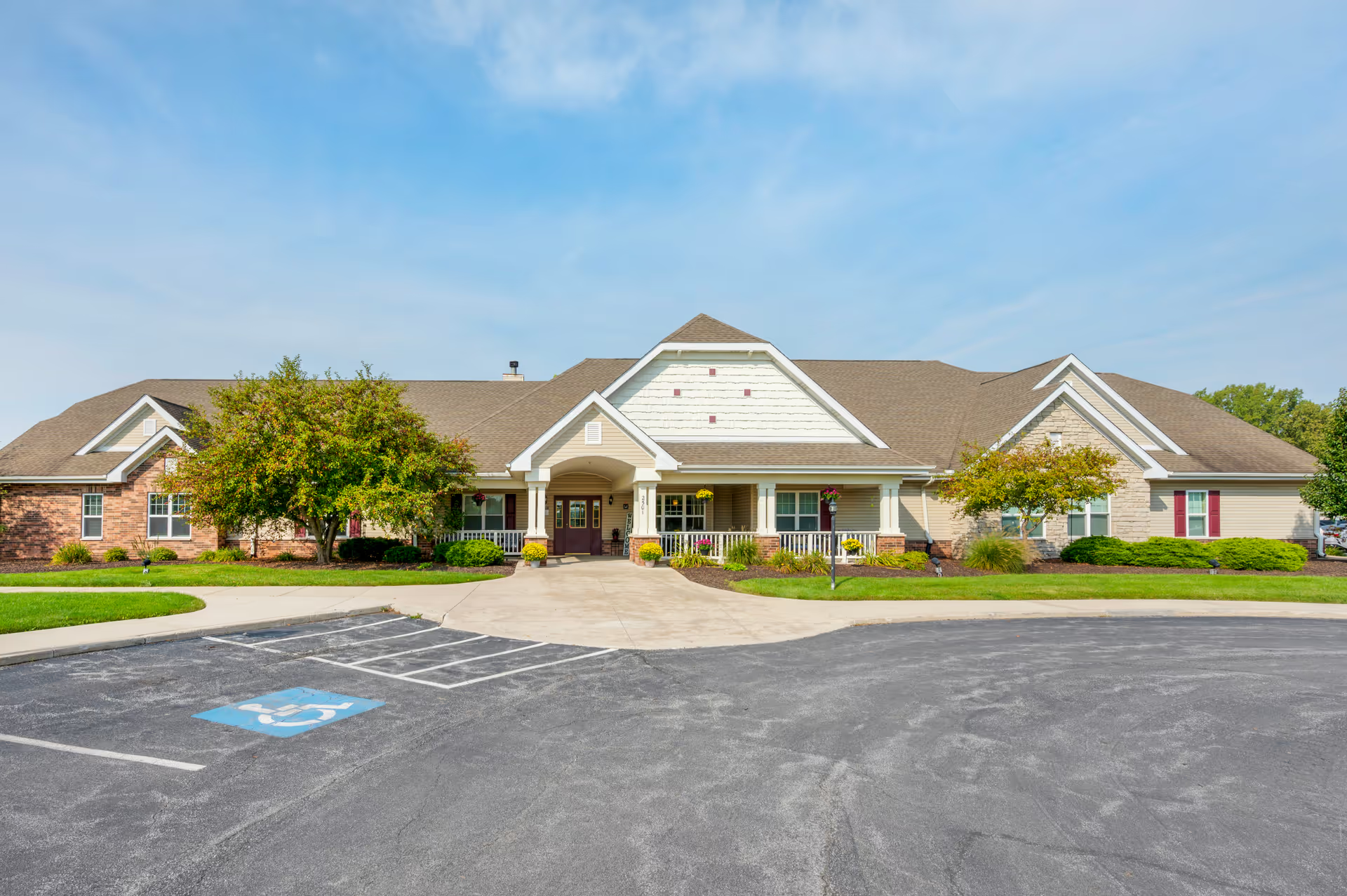
Facilities and safety: The campus and grounds are generally considered attractive, and many reviewers describe the building as clean and welcoming. At the same time, the physical plant shows signs of aging: interiors and some amenities are described as dated, heating/cooling can be hard to regulate, and maintenance/upgrades may be needed. Practical safety and access issues were also noted, including limited call-button options for residents with vision or dexterity impairments and an early main-entrance closing schedule on weekends that can complicate visitation.
Management and operations: A pattern of operational weaknesses appears across several areas. Families report inconsistent after-hours responsiveness (unanswered calls), occasional failures in delivery and package handling, and admissions responsiveness that ranges from helpful to unresponsive. Administrative communication and transparency are uneven; some reviewers praise admissions staff and Medicaid navigation assistance, while others describe difficulty obtaining information or timely responses. Short-term rehab results are mixed: though therapy staff are often praised for skill and effort, a subset of short-stay recoveries had unfavorable nutritional or clinical outcomes, suggesting variability in rehab-case management and monitoring.
Overall impression: Crown Point Christian Village offers clear strengths in caregiving culture, therapy services, activities, dining when the kitchen is well-staffed, and overall campus cleanliness and community feel. Prospective residents and families should weigh those strengths against operational concerns: staffing consistency, variable communication and admissions responsiveness, kitchen/ dietary management variability, and building-age issues that affect comfort and access. For individuals whose primary needs are reliable therapy and a socially active, faith-oriented community, the facility may be a strong fit. For residents with strict clinical nutrition needs, high-dependency short-term rehab goals, or those requiring robust after-hours responsiveness and specialized call systems, families should seek detailed, up-to-date documentation from the facility about staffing levels, dietary protocols, call-response procedures, and recent facility improvements before deciding.