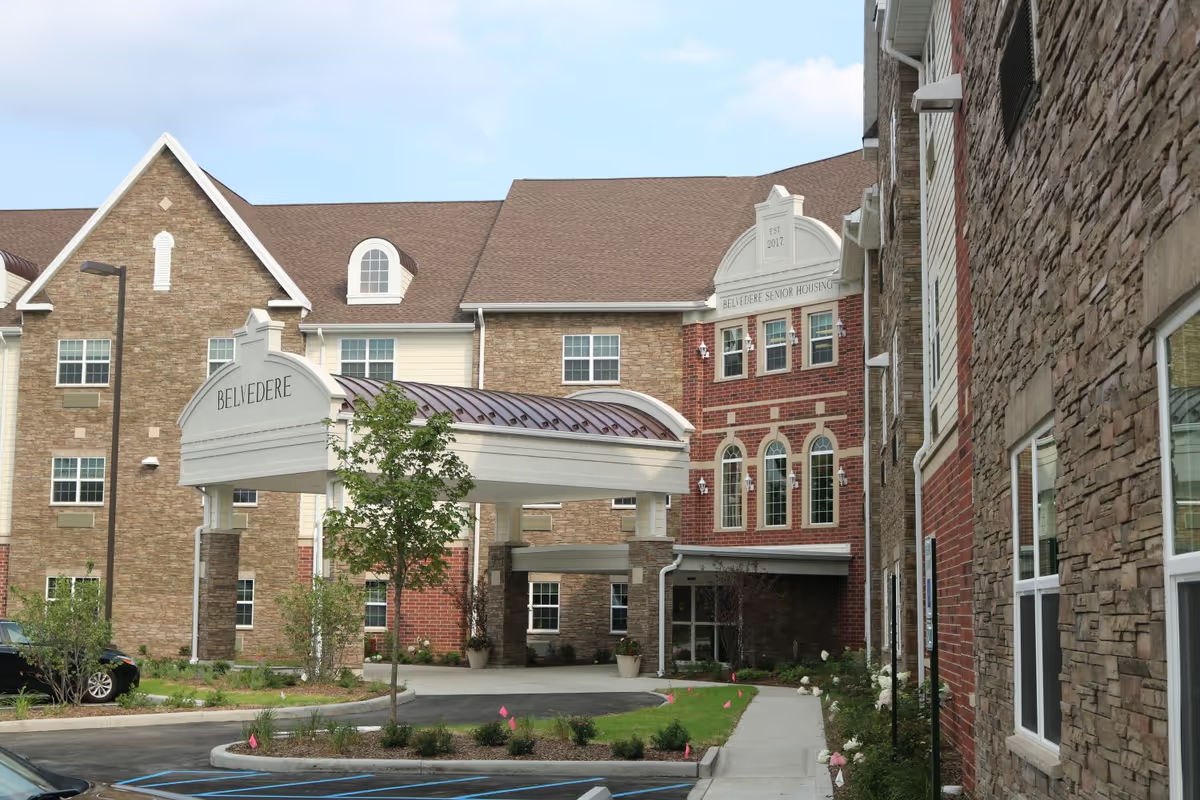
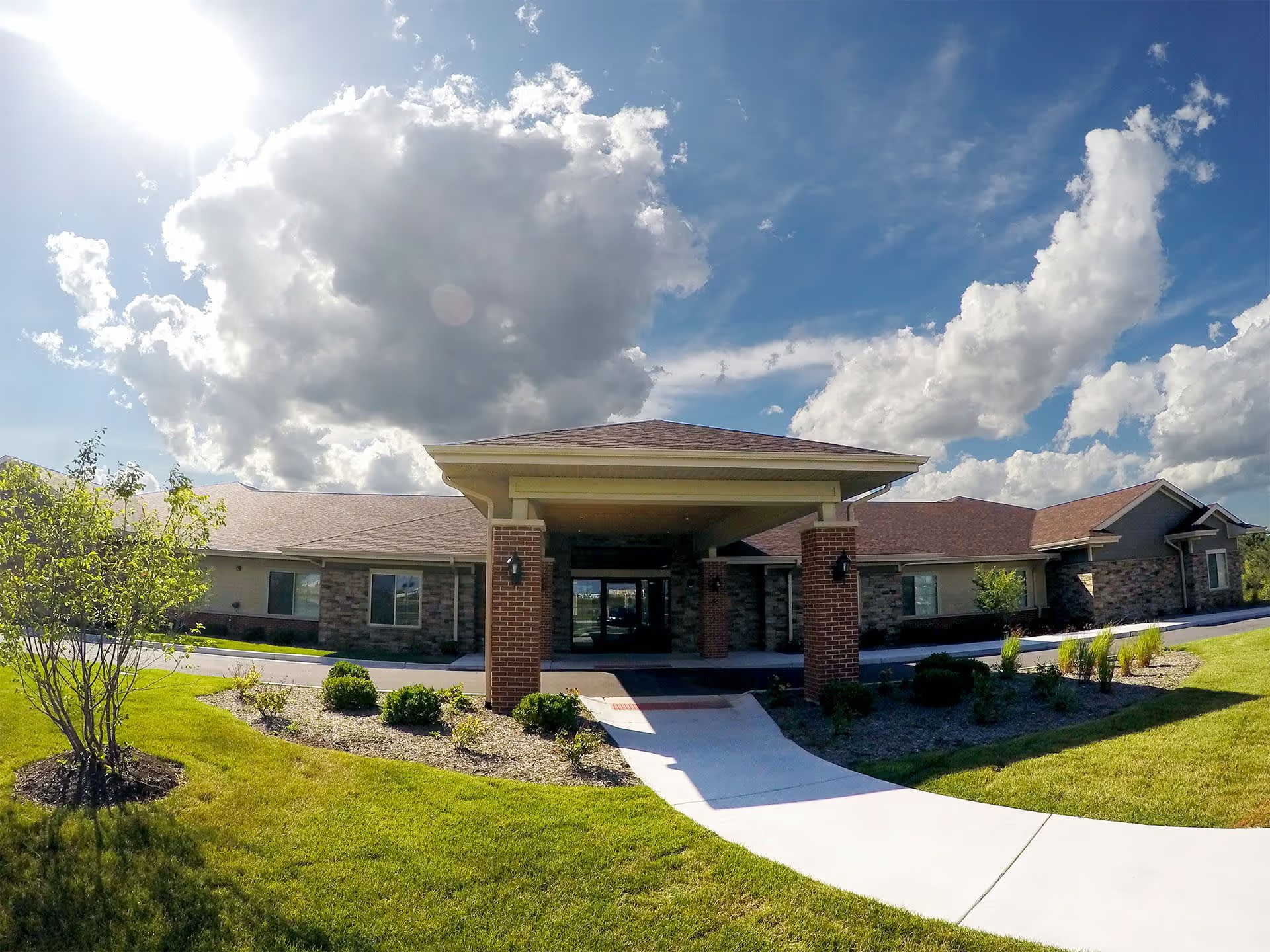
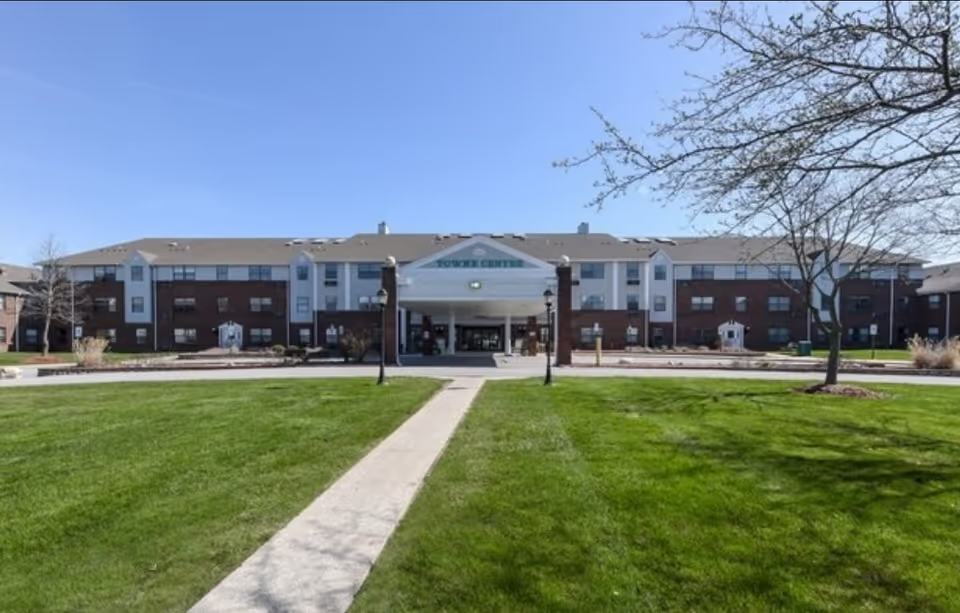
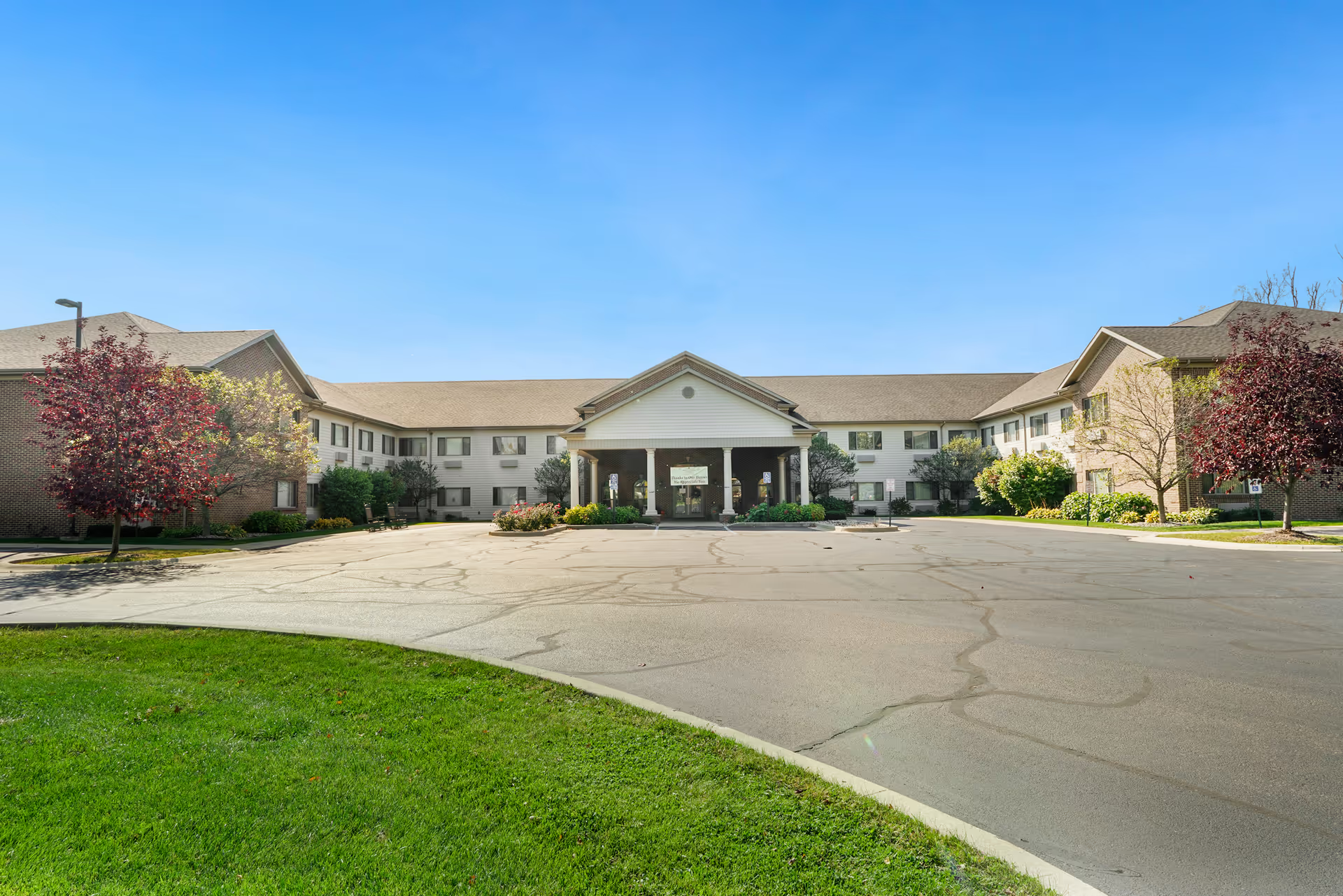
Reviewers describe Oak Grove Christian Retirement Village as a facility with clear strengths in rehabilitation, cleanliness, and campus appeal alongside recurring operational concerns. The rehabilitation and therapy teams receive strong, consistent praise: families and former patients highlight effective physical-therapy programs, measurable recovery after events such as stroke, and therapists who prepare residents for safe return home. Nursing and caregiving staff are frequently described as compassionate and attentive, and many reviewers characterize staff–resident interactions as warm and familial. The environment itself is noted for a modern, well-maintained interior, attractive landscaping, and a pleasant campus with social spaces and nearby restaurants.
Activities and community life are reported positively. Organized programming such as bingo and other social events contribute to resident engagement, and multiple comments point to a welcoming Christian atmosphere and active community partnerships, including veteran-support fundraising. Cleanliness and housekeeping are commonly praised, and private rooms are described as comfortable and adequately maintained.
Alongside these strengths, a number of operational weaknesses appear repeatedly. Staffing levels and retention are inconsistent: reviewers describe short-staffed shifts and overworked employees, which reviewers link to delays in assistance and reduced availability for tours or family interactions. Care transitions are another area of concern — specifically discharge planning, transfer coordination, and communication about medications and test results. Several accounts point to difficulties obtaining timely information at discharge and gaps in coordinating home oxygen or follow-up care.
Additional concerns center on medication-management practices, security procedures, and staff conduct. Some families reported worries about how medications were managed and about the tone or responsiveness of particular staff members; there are also comments indicating inconsistent handling of advanced directives and privacy-related interactions. Physical security practices drew attention as well, with mentions of unlocked doors and perceived lapses in campus access control. Finally, a few reviewers questioned admissions practices and value for cost, describing instances where applicants were denied rehabilitation services and expressing concern about the transparency of admissions criteria.
For prospective residents and families: the facility demonstrates notable strengths in therapy, cleanliness, and community life, which may be especially beneficial for those seeking strong rehabilitation services within a faith-based setting. At the same time, families should evaluate operational details that affect safety and continuity of care — ask about current staffing ratios, weekend coverage, medication-administration protocols, discharge/transfer procedures, visitor and privacy policies, and campus security measures. Observing a therapy session, reviewing a sample care plan and medication policy, and clarifying admissions criteria in writing can help determine whether Oak Grove’s strengths align with an individual’s needs and risk tolerances.