Care quality: Reviews describe a mixed pattern of clinical care. Many families and residents praise compassionate CNAs, attentive nurses, and on-site therapy programs; some residents report daily rehabilitation and positive therapy experiences. At the same time, reviewers raised operational safety and quality concerns, including slow responses to assistance requests (including incontinence-care delays), reported falls and bruising, and instances of medication delays or misadministration. These items suggest variability in consistency and reliability of core care processes.
Staff and staffing patterns: Staffing appears uneven. Positive comments highlight caring, patient-focused staff and individual caregivers who stand out for their attentiveness. However, there are recurring concerns about high staff turnover, use of multiple outside agencies, inconsistent caregiver assignments, and weak shift transitions. These staffing patterns are linked in reviews to poor continuity of care, communication breakdowns, and variable resident experiences. Concerns about staff conduct and communication tone (including aggressive or disrespectful interactions) were also reported.
Dining and nutrition: Dining quality is an area of clear contrast. Multiple reviewers describe meal quality problems, lack of fresh fruit and vegetables, and repetitive reliance on canned items; specific dietary accommodations (for example, gluten-free bread) were described as unacceptable by some. There are occasional positive mentions (simple items like peanut-butter-and-jelly sandwiches and acceptable soups), but the overall pattern indicates inconsistent meal quality and limited fresh produce options.
Activities and therapy: Rehabilitation and therapy services were highlighted positively by several reviewers who noted daily therapy and engaged therapists. Conversely, a few families indicated inadequate or absent rehabilitative support for specific residents. Overall, therapy programming exists and is valued by those who participate, but availability and effectiveness may vary by unit or resident.
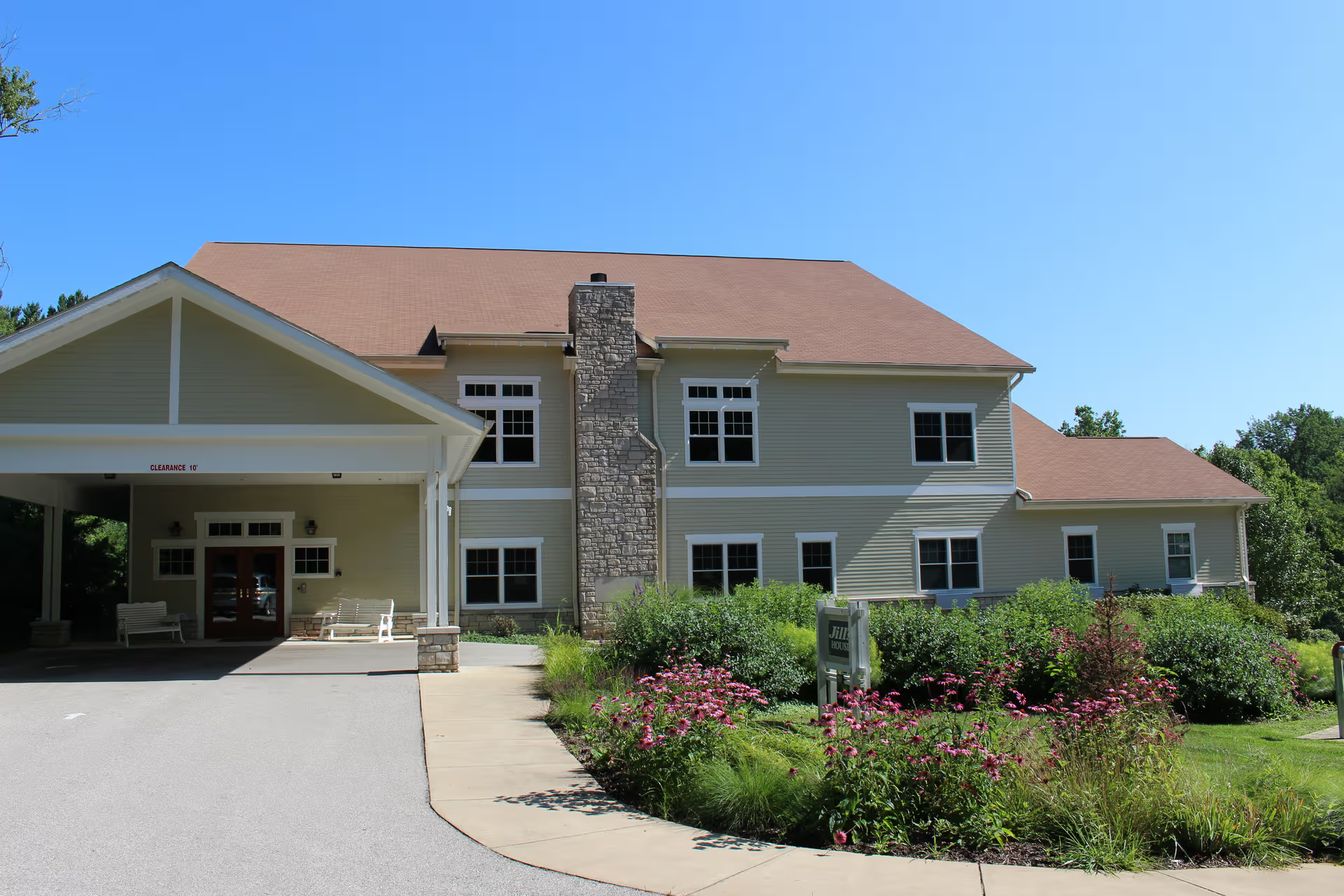
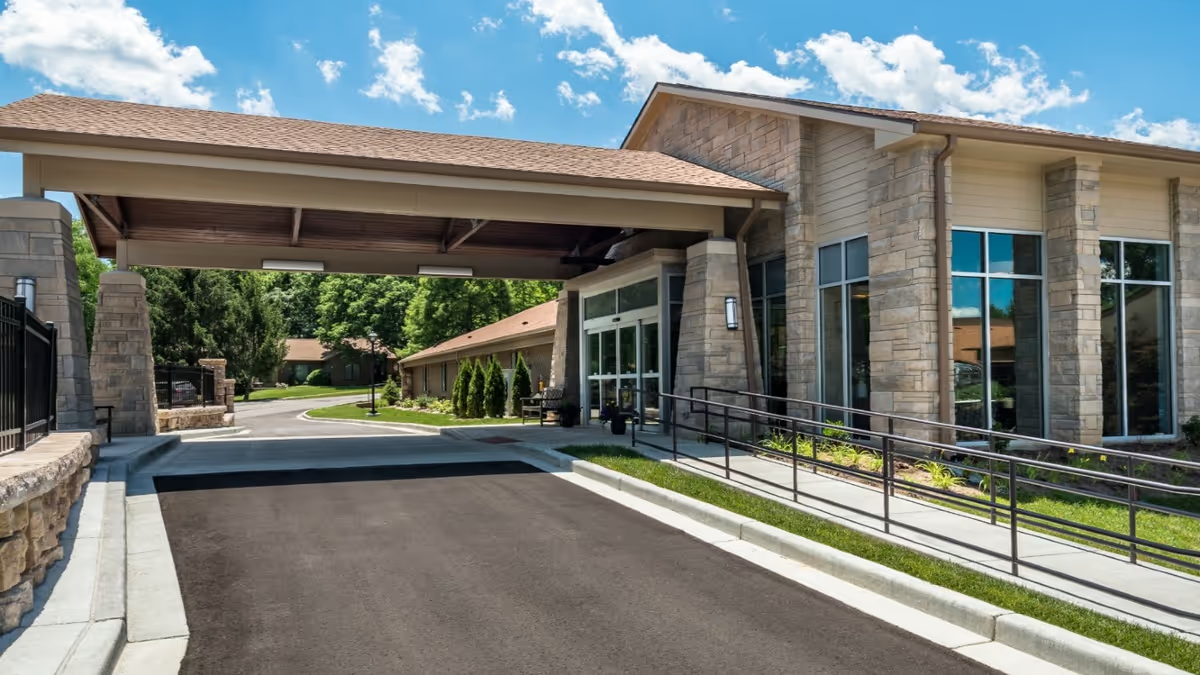
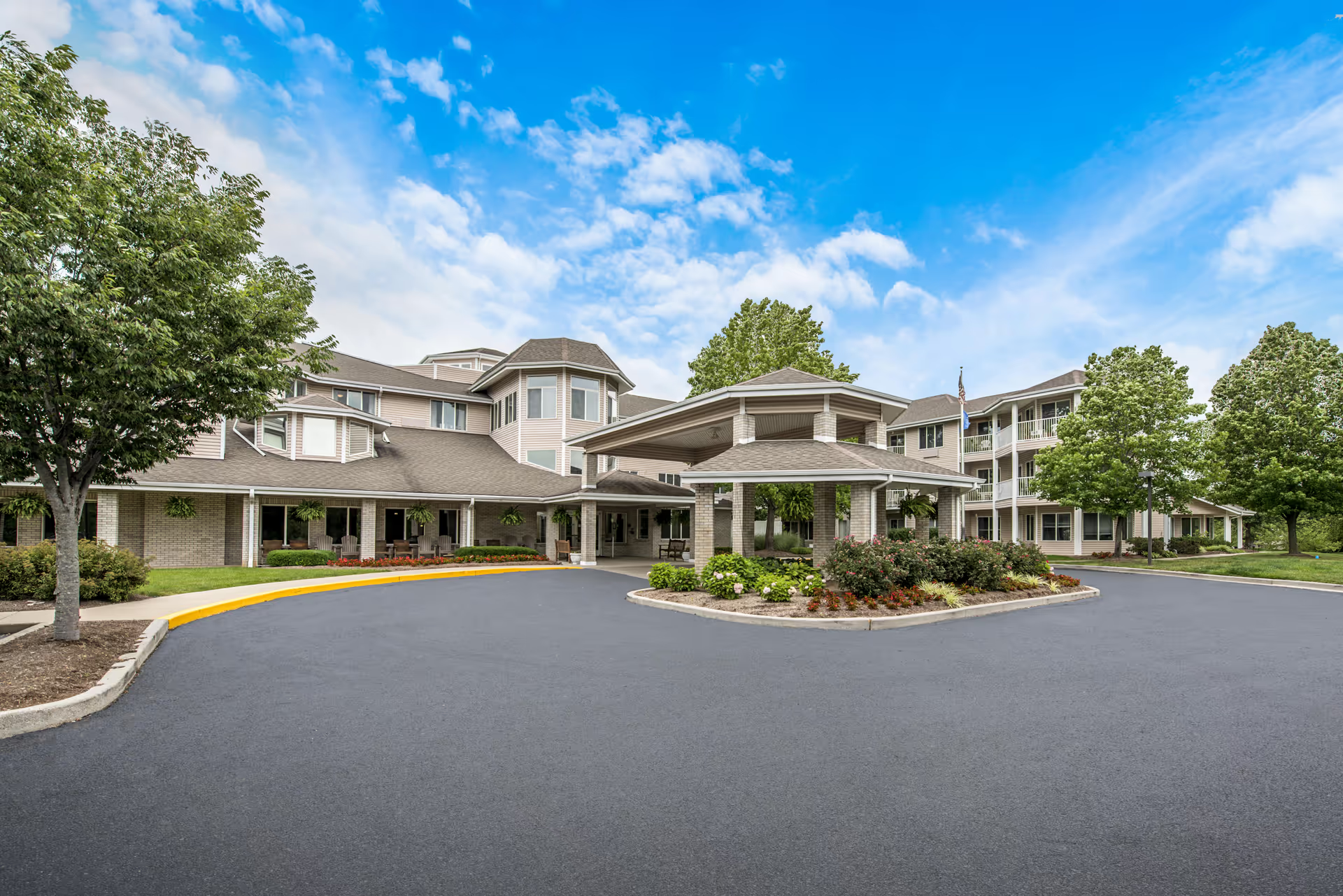
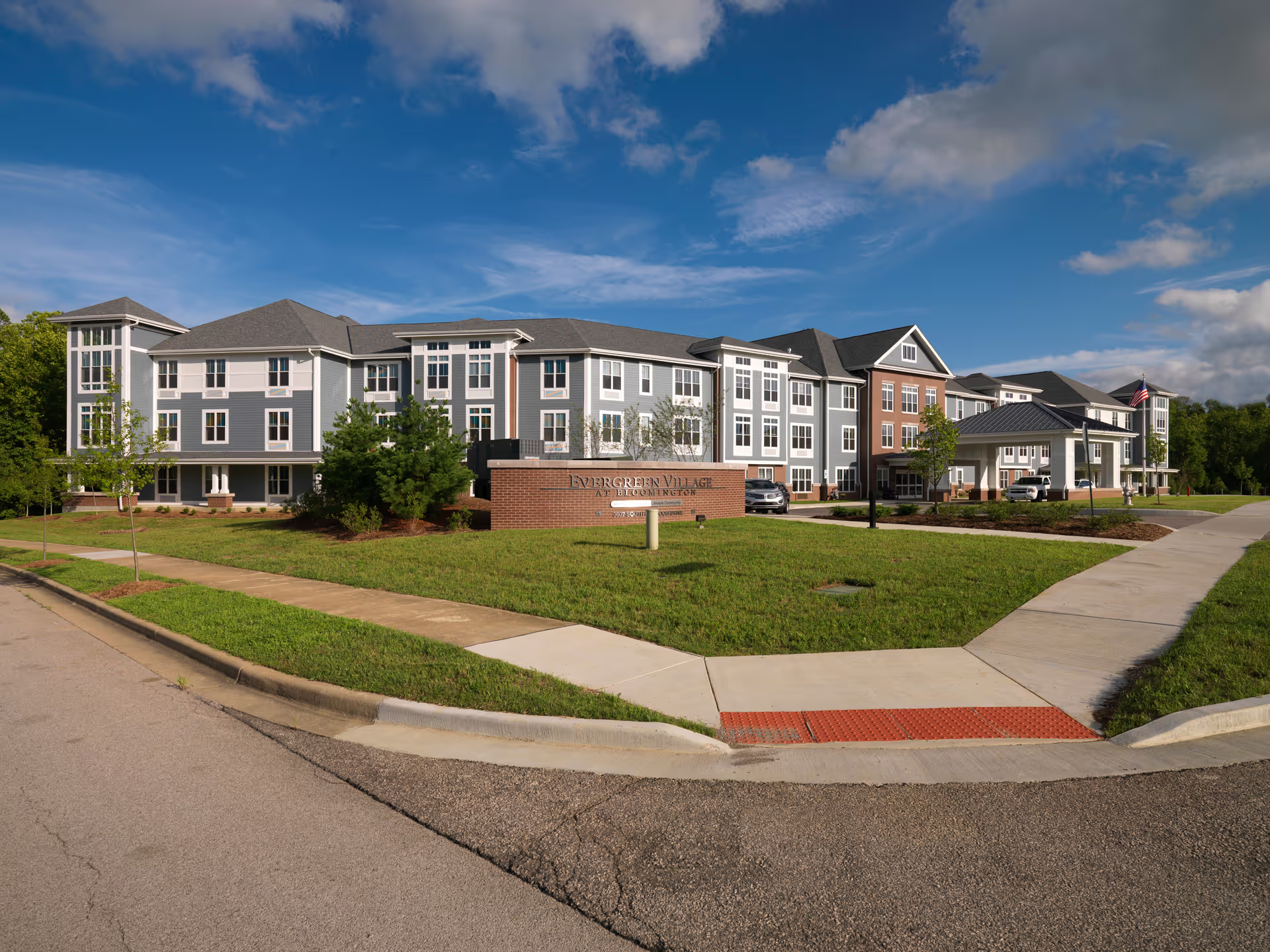
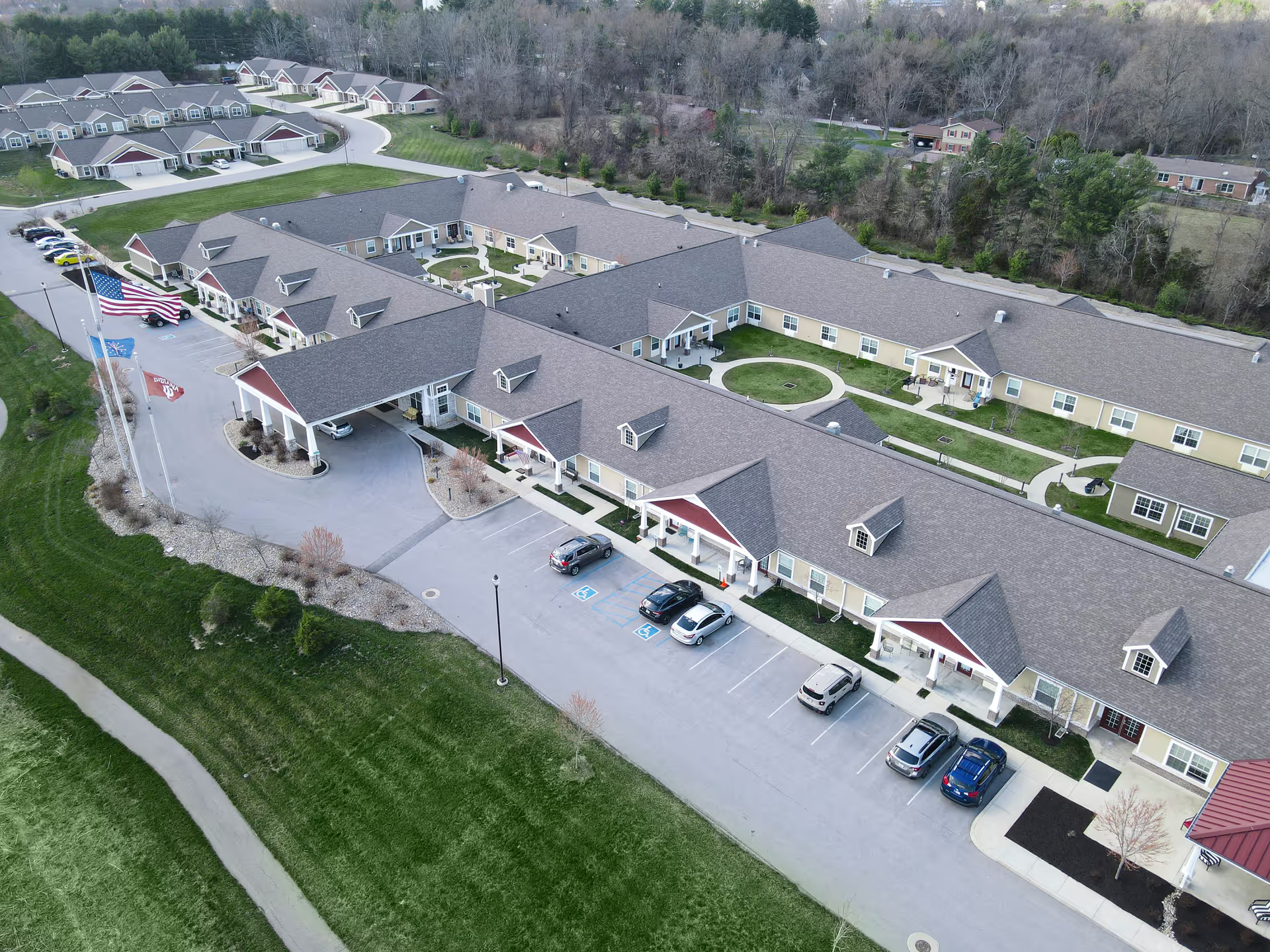
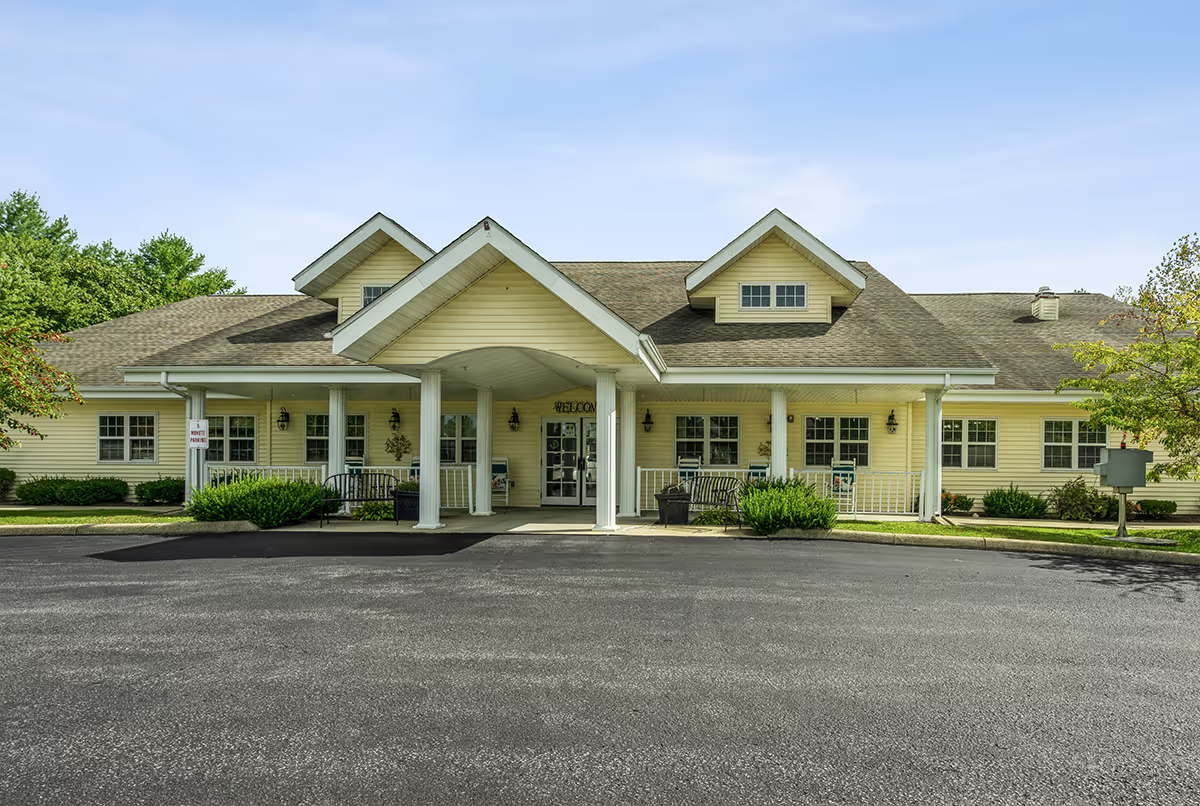
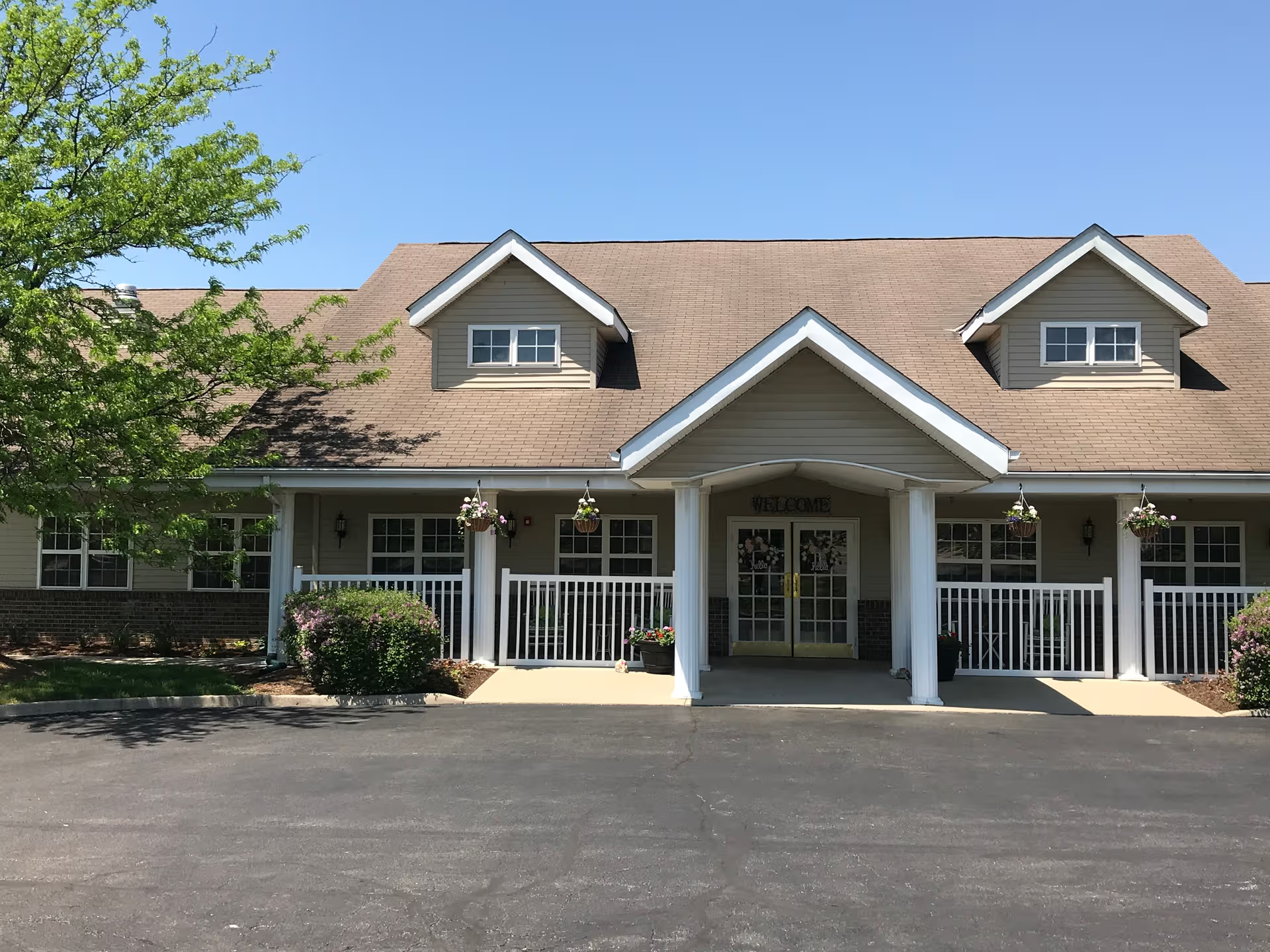
Facilities and cleanliness: The physical plant is described as aged but functional. Many reviewers found rooms and common areas generally clean, yet there are intermittent sanitation and odor concerns noted. These items suggest that environmental upkeep is maintained broadly but may suffer sporadic lapses.
Management and communication: Reviews present mixed impressions of leadership. Some acknowledge a knowledgeable or caring administrator, while others describe management accessibility problems, lack of accountability, and poor communication with families. Examples include difficulty reaching leadership during incidents, inconsistent updates to families, and complaints about property handling. There are also more serious allegations relating to financial matters and mishandling of personal belongings that families raised.
Notable patterns and overall impression: The dominant pattern is variability—some residents and families report warm, attentive care and effective therapy, while others report operational weaknesses tied to staffing, medication processes, dining, and management responsiveness. Prospective residents and families should weigh the facility’s strengths in direct-care compassion and therapy availability against recurring operational issues: inconsistent staffing, communication gaps, dining quality concerns, and intermittent sanitation or property-handling problems. Visiting in person, observing shift changes, meeting unit staff, and asking for written policies on medication administration, staffing ratios, and belongings handling would help clarify whether the facility’s current operations match an individual resident’s needs.