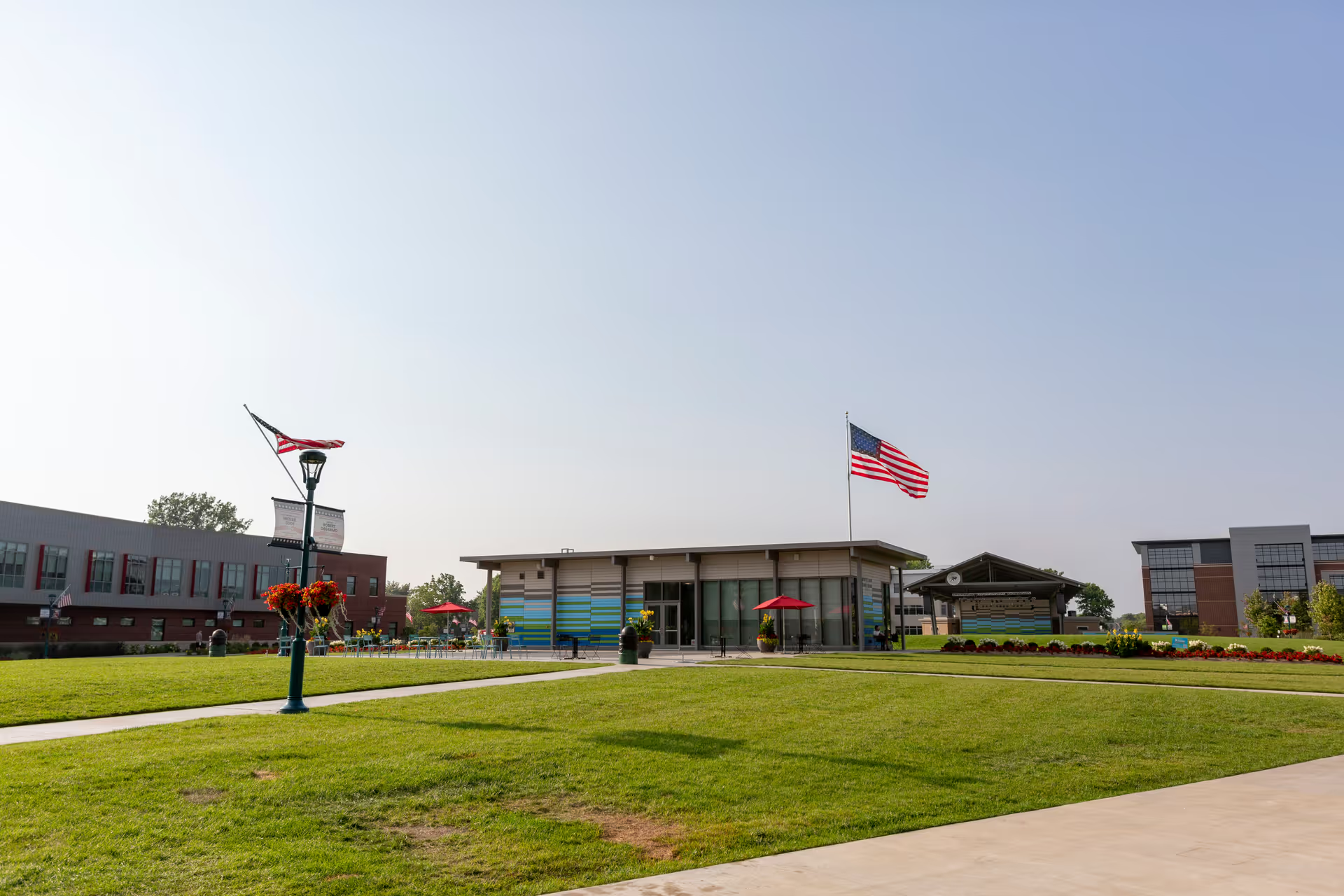
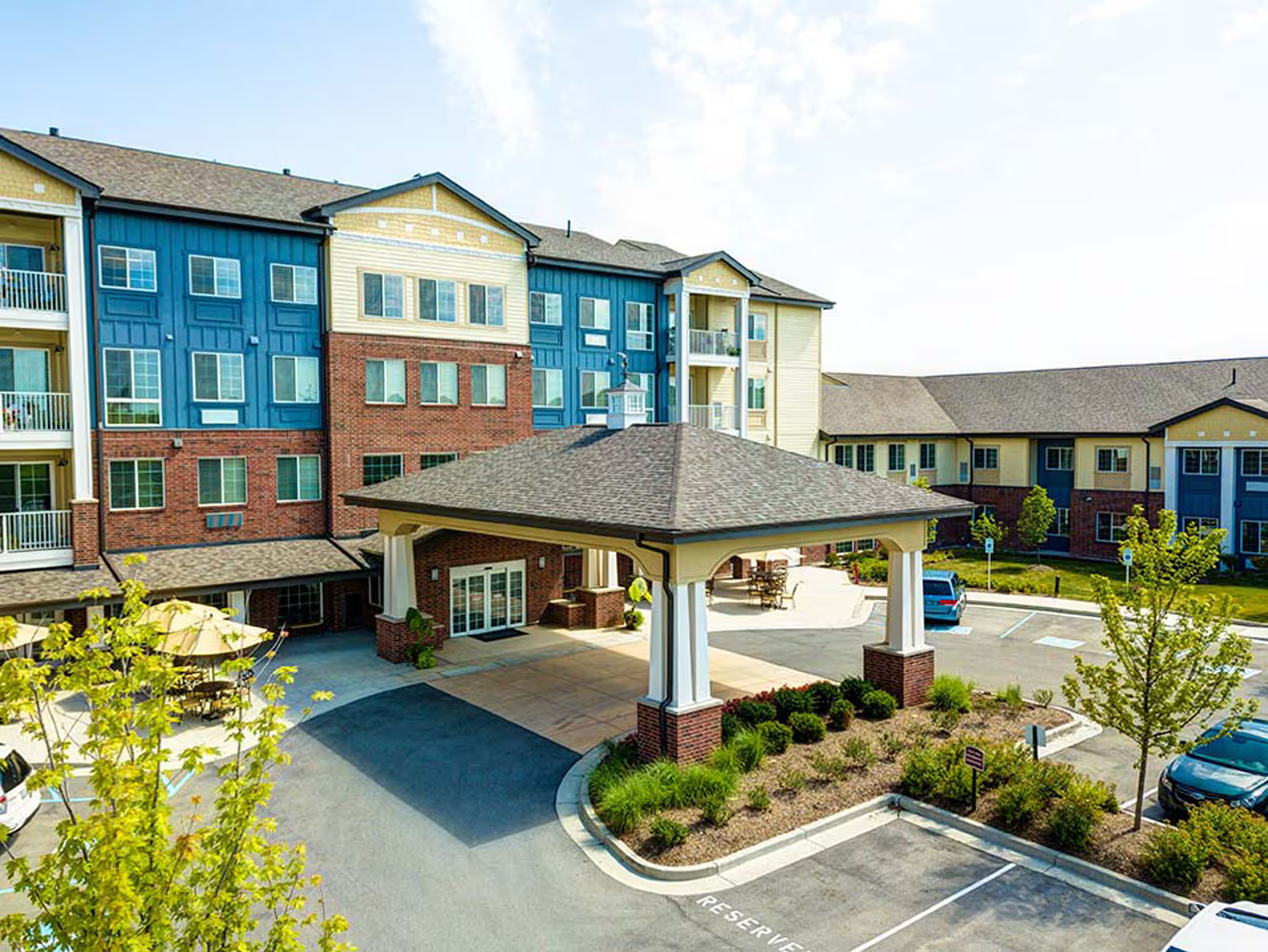
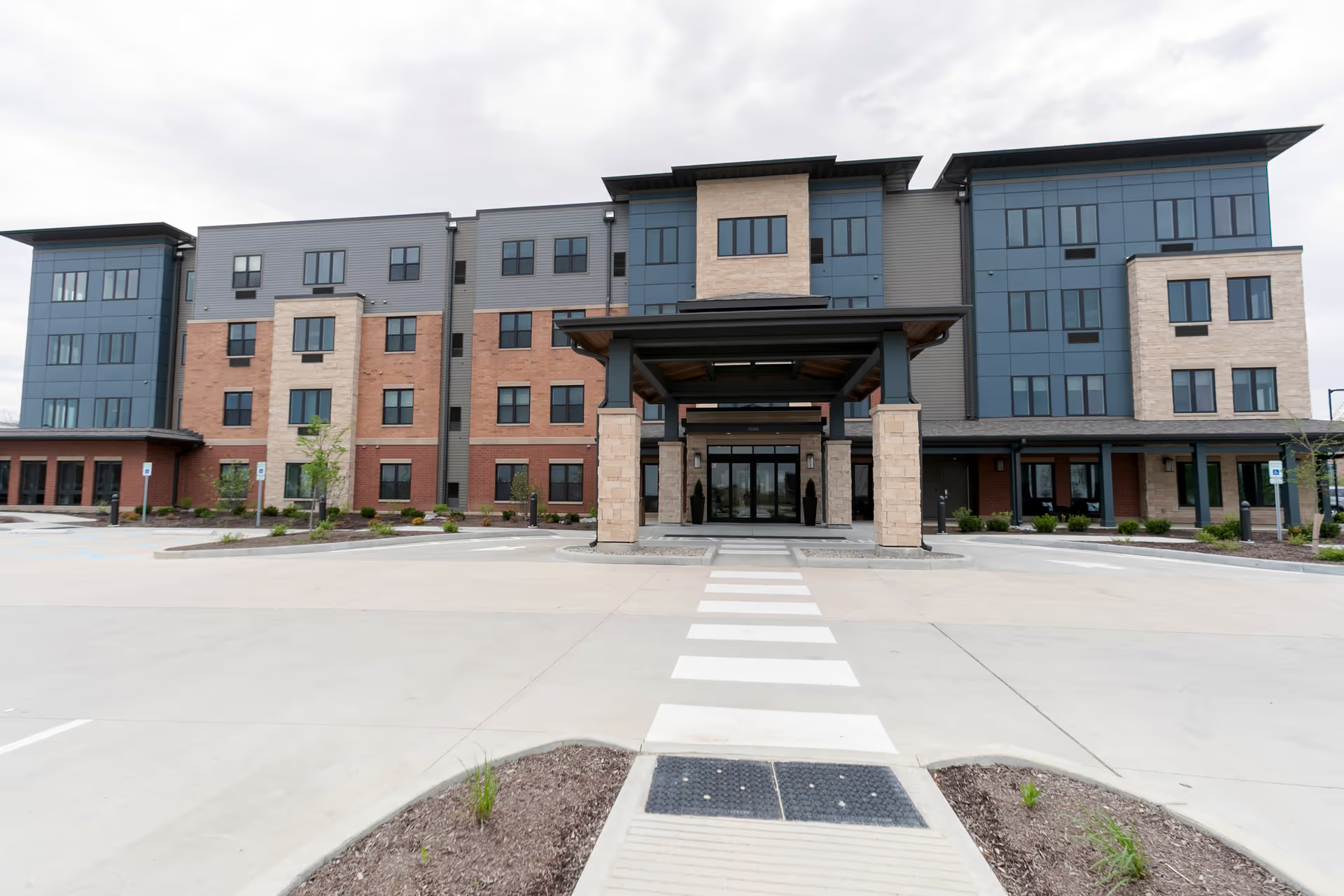
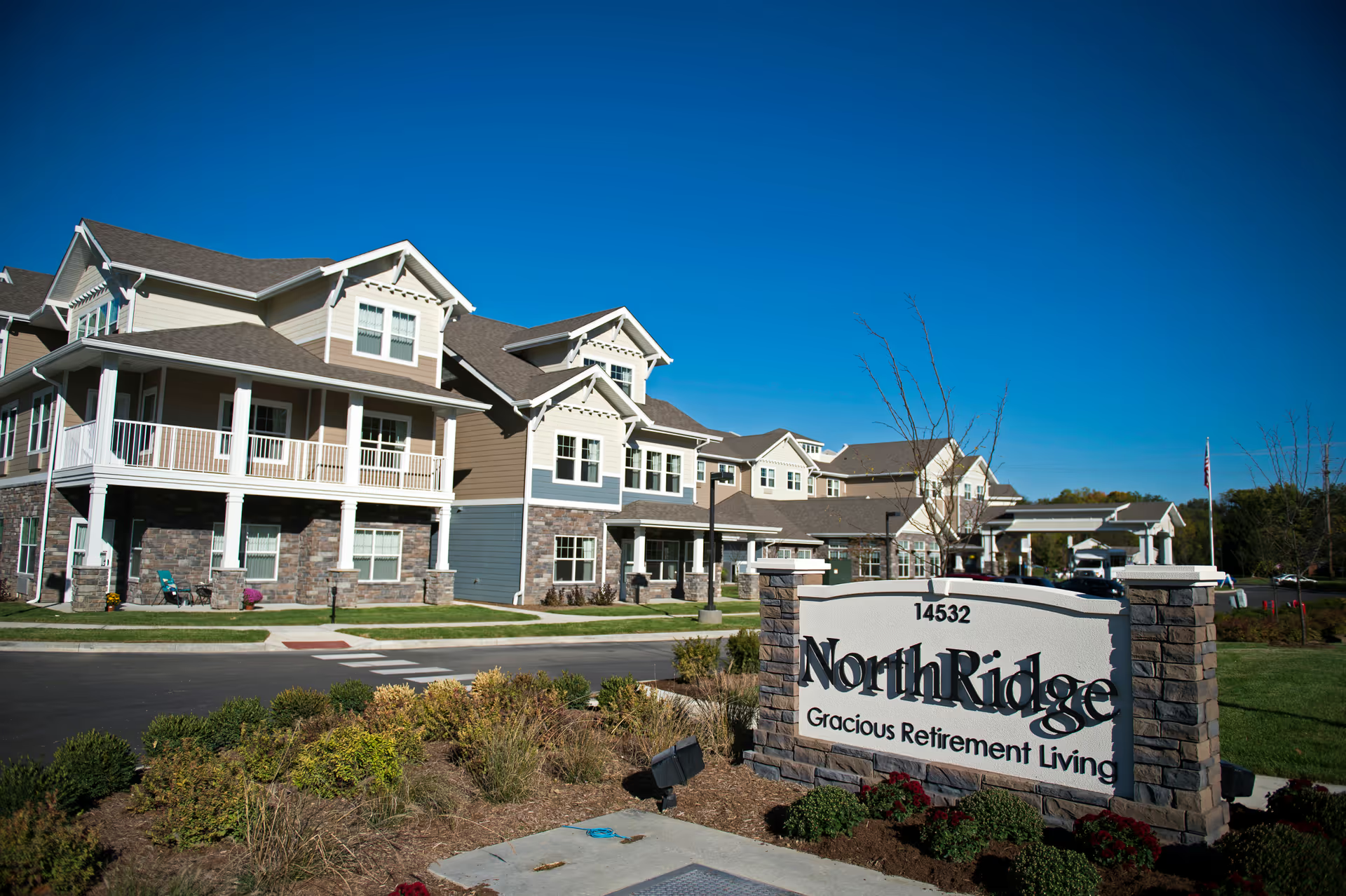
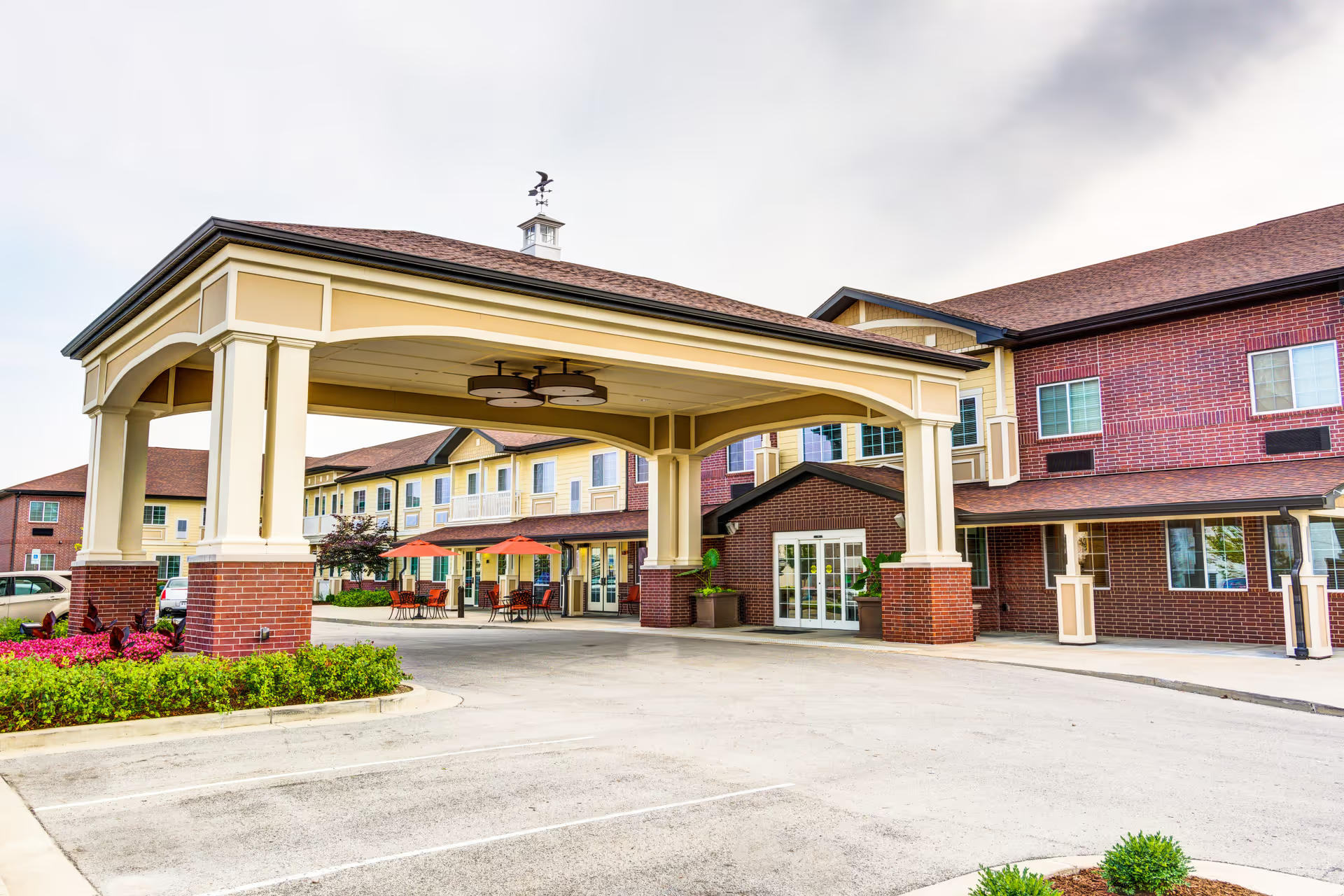
Lake Meadows presents as a newly built, well-appointed assisted living campus with many physical attributes families commonly prioritize. The property is consistently described as modern, bright, and clean, with spacious apartments (including wheelchair-accessible layouts), abundant natural light, and thoughtfully designed common spaces such as a theater, library, activity rooms, salon, and a lakeside walking path with a gazebo. The facility’s layout and amenities support independent living tasks (kitchenettes, large bathrooms, storage) and provide opportunities for socialization and mobility for residents who use mobility devices.
Activity programming and on-site clinical supports are notable strengths for many residents. Review summaries highlight an active calendar with group events, outings, water-park trips, music in outdoor spaces, happy-hour gatherings, brain games, and volunteer-driven projects. On-site therapy services and visiting clinicians, plus occasional special events (holiday parties, themed nights), contribute to an engaged atmosphere. Several accounts describe residents as socially active and content, and enrichment staff are singled out for bringing meaningful programming and encouraging participation.
Dining and hospitality receive generally favorable comments: the community offers plated meals with menu choices, a dining area experience, snack and coffee options, and positive commentary about food quality and presentation. Housekeeping and groundskeeping are frequently described as well-maintained, with landscaping and interior décor reinforcing the facility’s newness and curb appeal. Many families reported clear move-in guidance and respectful reception during admissions.
Despite these positives, recurring operational concerns appear across summaries and warrant attention. Staffing consistency is an area of weakness: reviewers cite frequent turnover, understaffing, and uneven staff training, which in turn relate to concerns about communication tone, responsiveness, and clinical practice reliability. Several summaries raise issues that describe gaps in medication-management and clinical oversight, along with isolated accounts of emergency hospitalizations and delayed responses; taken together these suggest opportunities to strengthen clinical protocols and handoff procedures.
There are also recurring management and maintenance themes. Families noted instances of limited follow-through from leadership, inconsistent housekeeping or sanitation oversight in particular areas, and building-maintenance problems (including flooding and regulatory compliance questions) that should be evaluated. Memory-care operations and access policies were described as unclear by some families, indicating a need for clearer procedures around secure units and visitor accommodations. Finally, unit availability is currently constrained for those seeking larger floorplans, which may affect placement decisions.
In summary, Lake Meadows offers many of the tangible features families seek in a contemporary assisted living community — modern design, robust amenities, active programming, and generally positive resident engagement. However, the facility would benefit from addressing operational weaknesses around staffing stability, clinical oversight, management responsiveness, and building maintenance to provide more consistent care and communication. Prospective residents and families should weigh the strong physical environment and activity offerings against the documented operational variability and tour the community, ask for current staffing and clinical protocols, and request recent regulatory and maintenance documentation before making a placement decision.