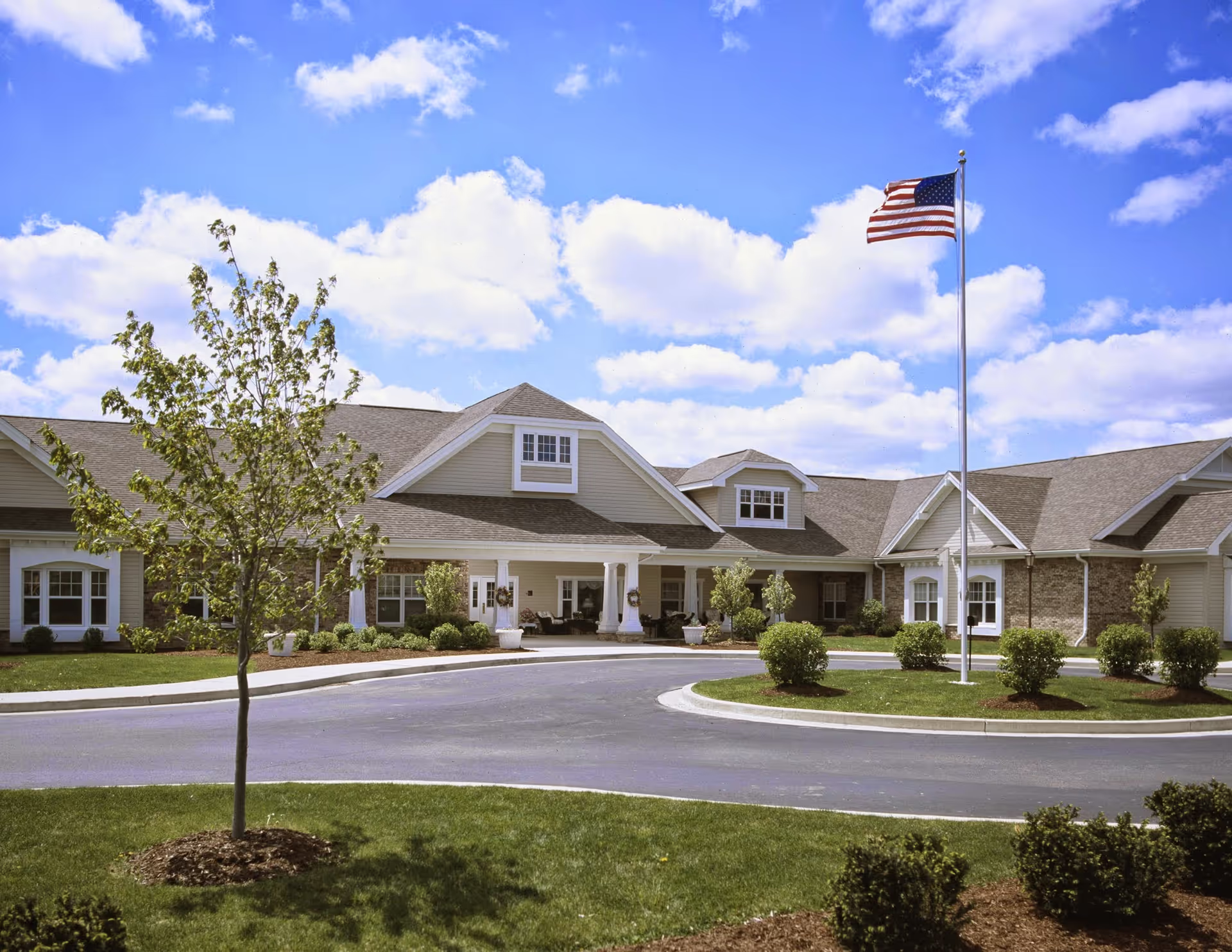
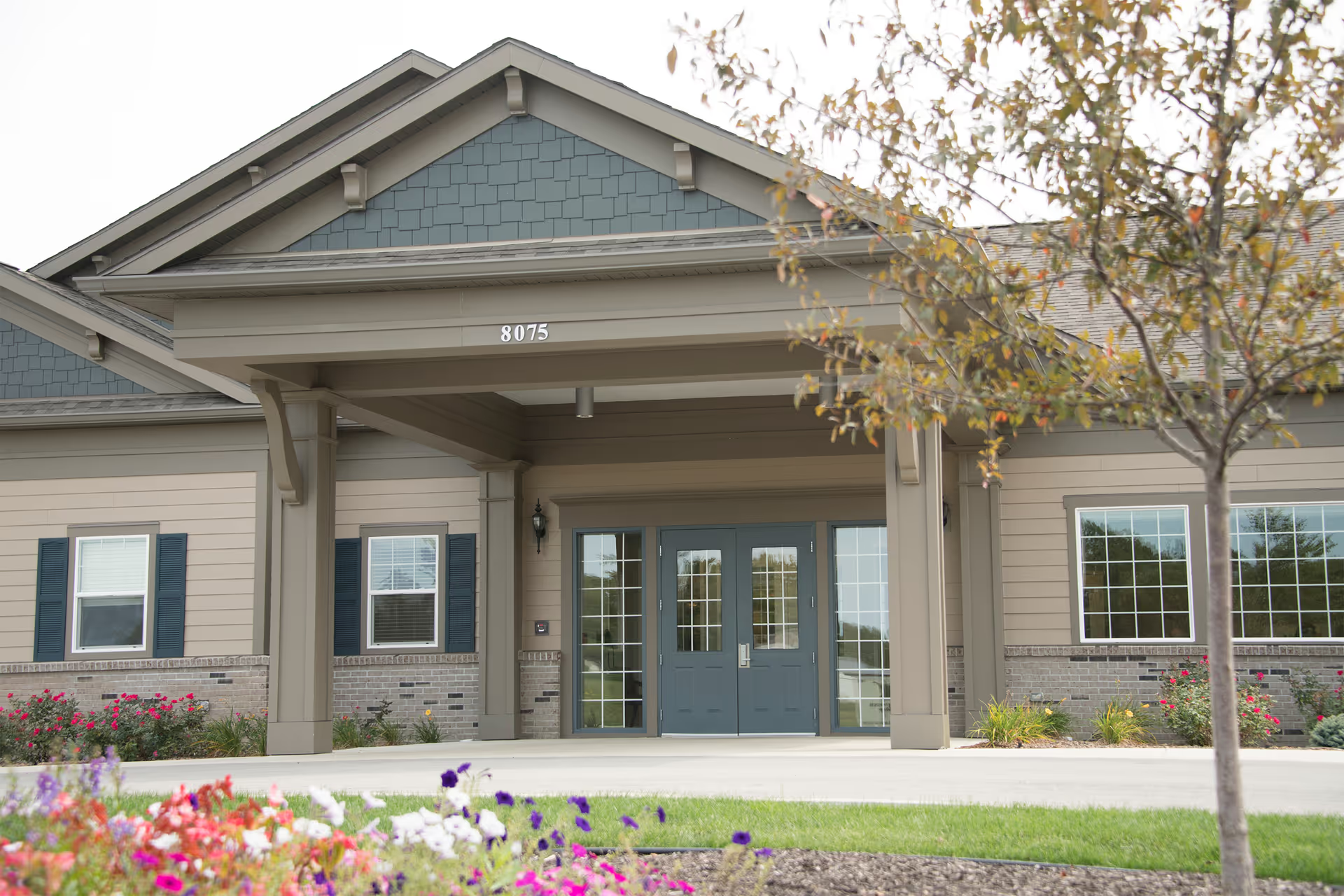
Cedar Ridge of Fort Wayne is frequently described as a secure, well-maintained community with a clear focus on memory-care services. Reviewers consistently note a dedicated, locked memory unit, bright and clean apartments, and common areas that feel home‑like. The facility offers on-site therapy and an attached nursing/rehab component, which some families find convenient. Apartment layouts and storage (notably larger closets) are commonly cited as practical for residents and families.
Staffing and care quality draw mixed but informative commentary. Many families praise compassionate, experienced staff who understand dementia care, and the facility is noted for having around‑the‑clock presence and proactive medication communication. At the same time, there are recurring concerns about inconsistent staff conduct and variable professionalism; reviewers describe instances that suggest uneven behavior and communication tone across individuals. There are also facility-level concerns about inconsistent adherence to clinical orders and variability in personal‑care routines such as bathing and meal assistance, and some families observed differences in responsiveness between shifts.
Dining and activities are relative strengths. Numerous comments highlight enjoyable meals, strong housekeeping, and an active activities director who runs a broad schedule: music, ceramics, outings, holiday events, and transportation for trips. These programs are often described as robust and engaging, contributing positively to residents’ quality of life. However, a subset of feedback indicates variability in meal service (temperature and variety) and a desire for broader menu rotation.
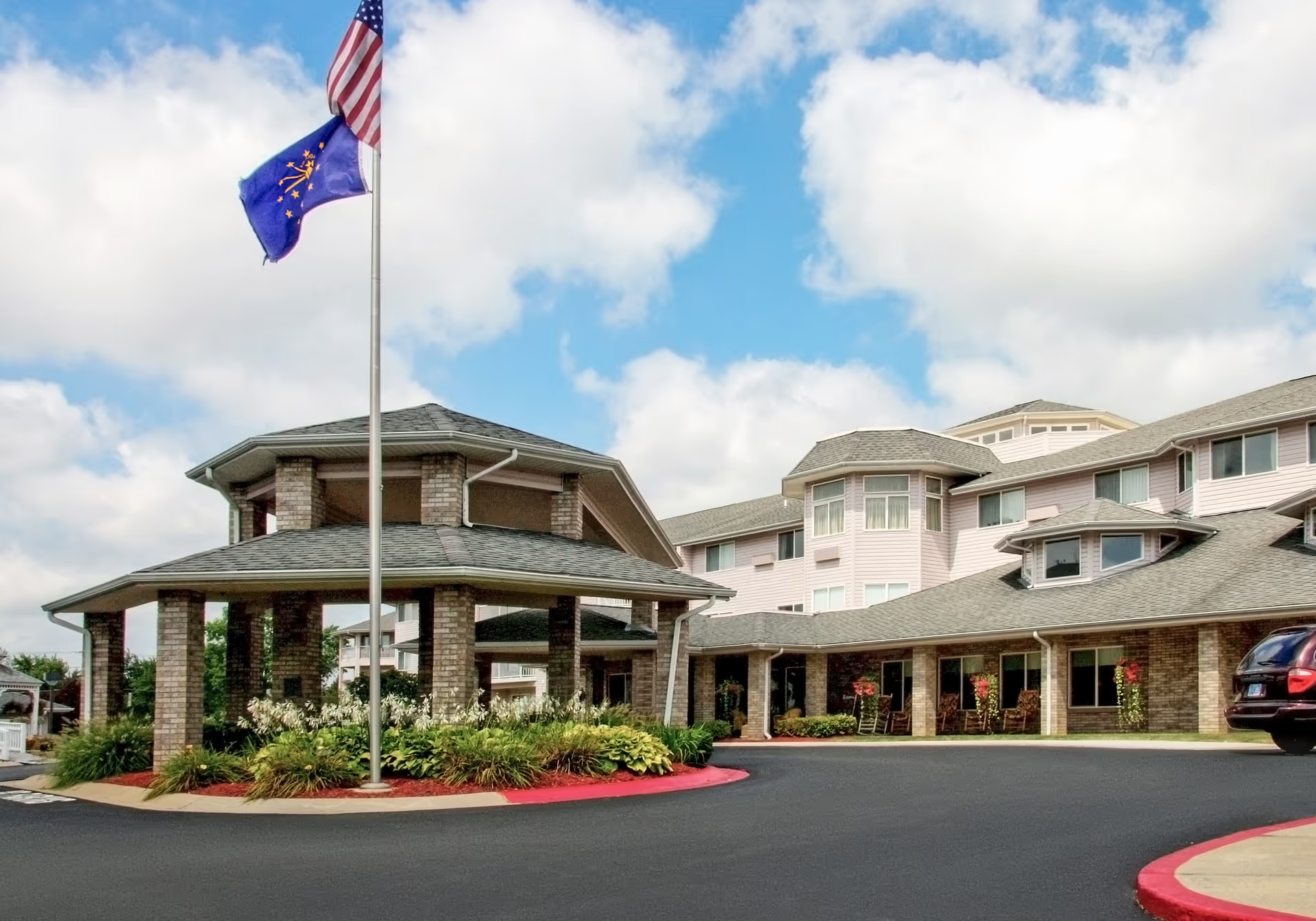
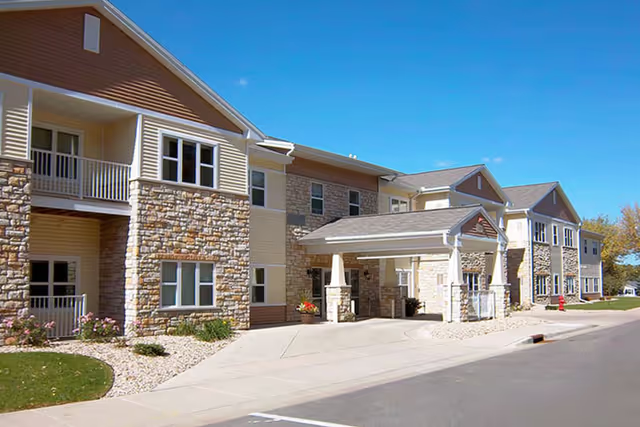
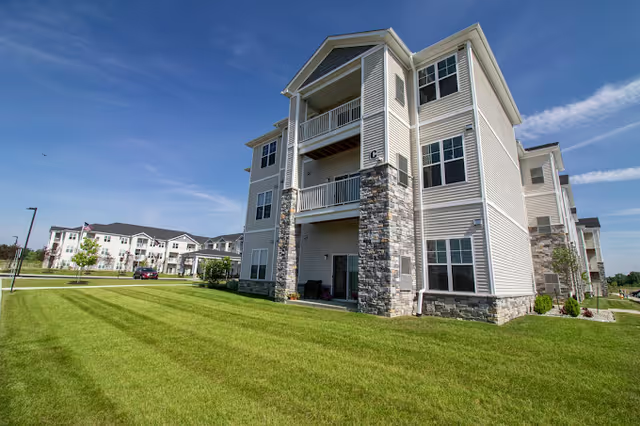
Facility layout and management practices merit consideration. The building is newer and well kept, but its size and layout (long hallways, multiple floors, second‑floor memory areas) raise wayfinding concerns for residents at higher risk of getting disoriented. Some families noted limited outdoor or quiet green space relative to expectations for a more tranquil setting. Management and marketing staff receive both praise for being helpful and accessible and criticism for aggressive follow‑up and marketing communications after tours; one tour experience described uncaring conduct that influenced a family’s decision.
Overall, Cedar Ridge presents as a largely positive option for families prioritizing secured memory care, active programming, and accessible therapy services. Prospective residents and families should weigh those strengths against noted operational patterns: variability in staff professionalism, occasional care-process inconsistencies, potential delays in therapy start after move‑in, and layout/wayfinding considerations. Visiting the memory unit at different times of day and asking specific questions about shift staffing, care-plan adherence, therapy start timelines, meal rotation, and communication protocols will help clarify whether the community aligns with a particular resident’s needs.