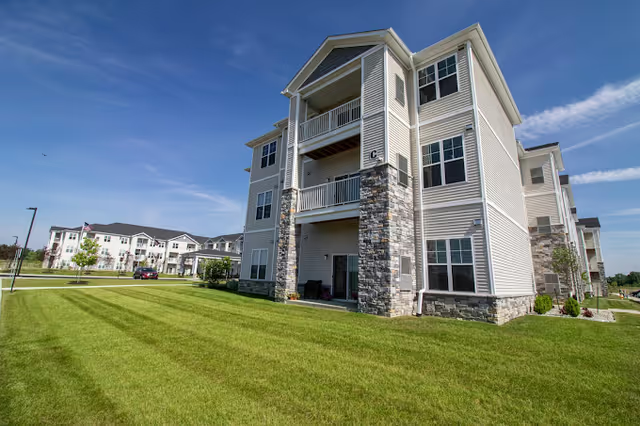
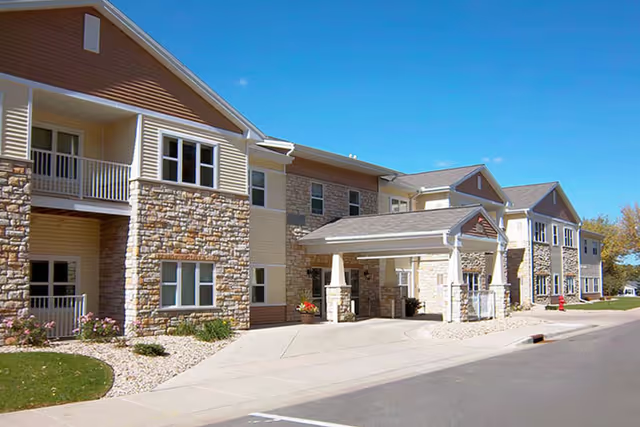
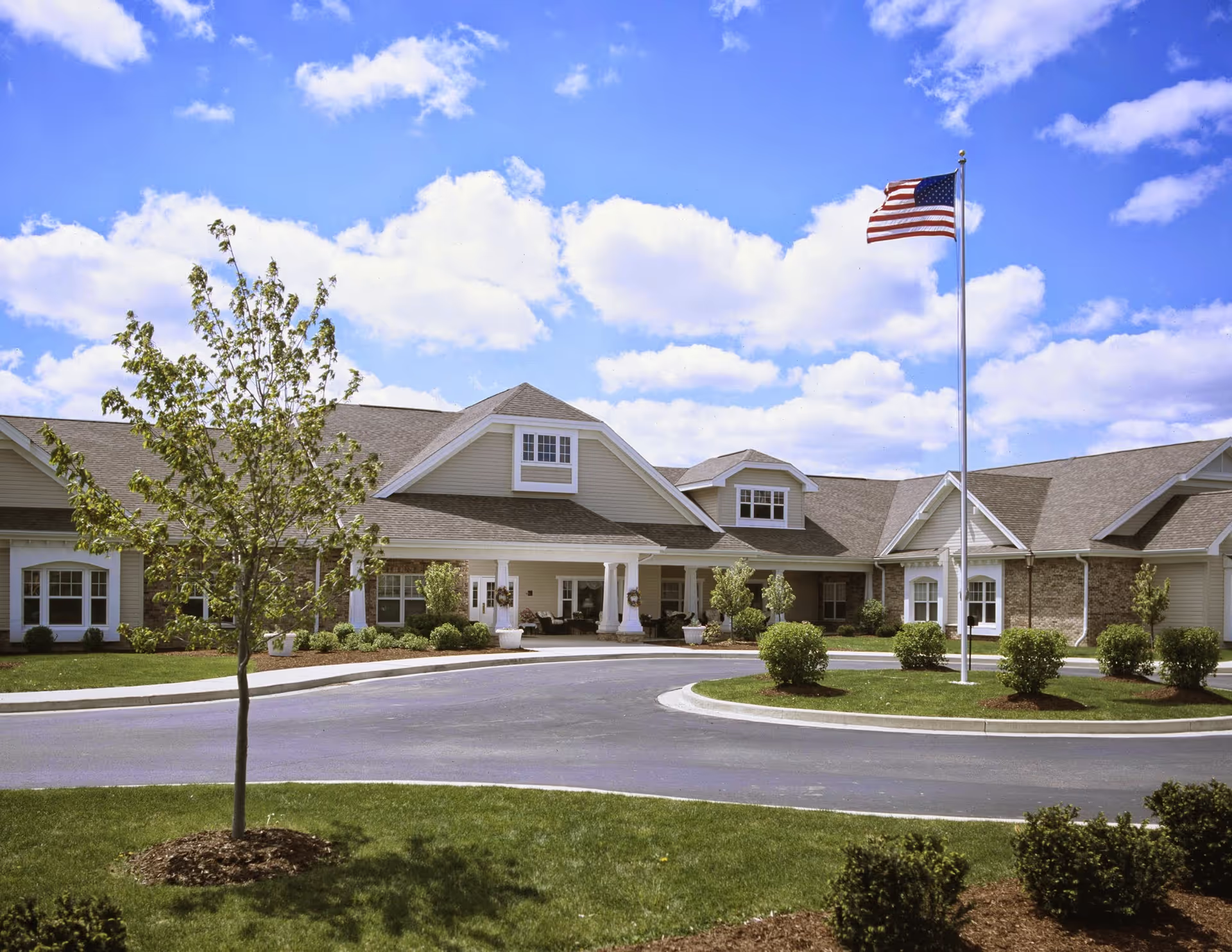
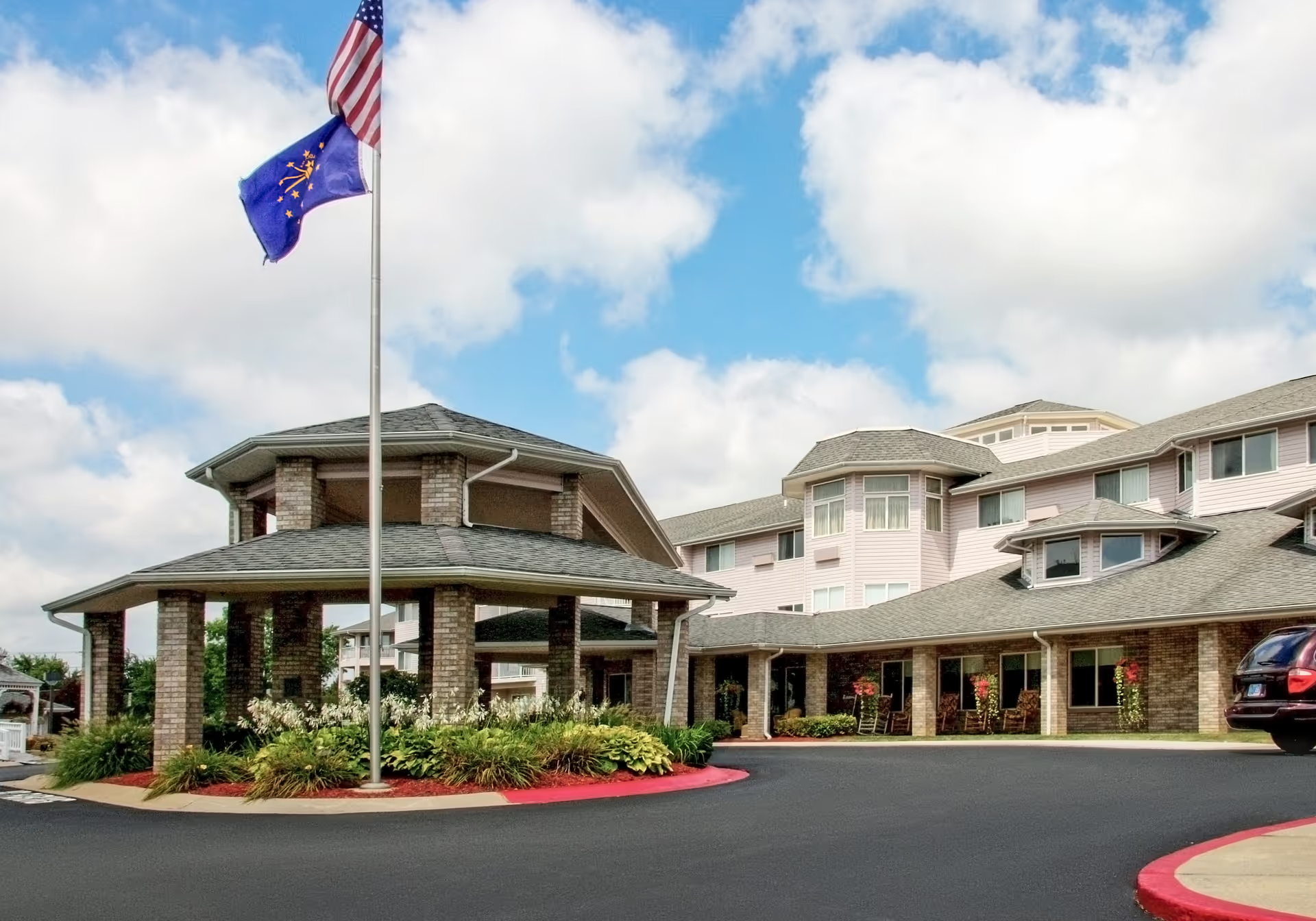
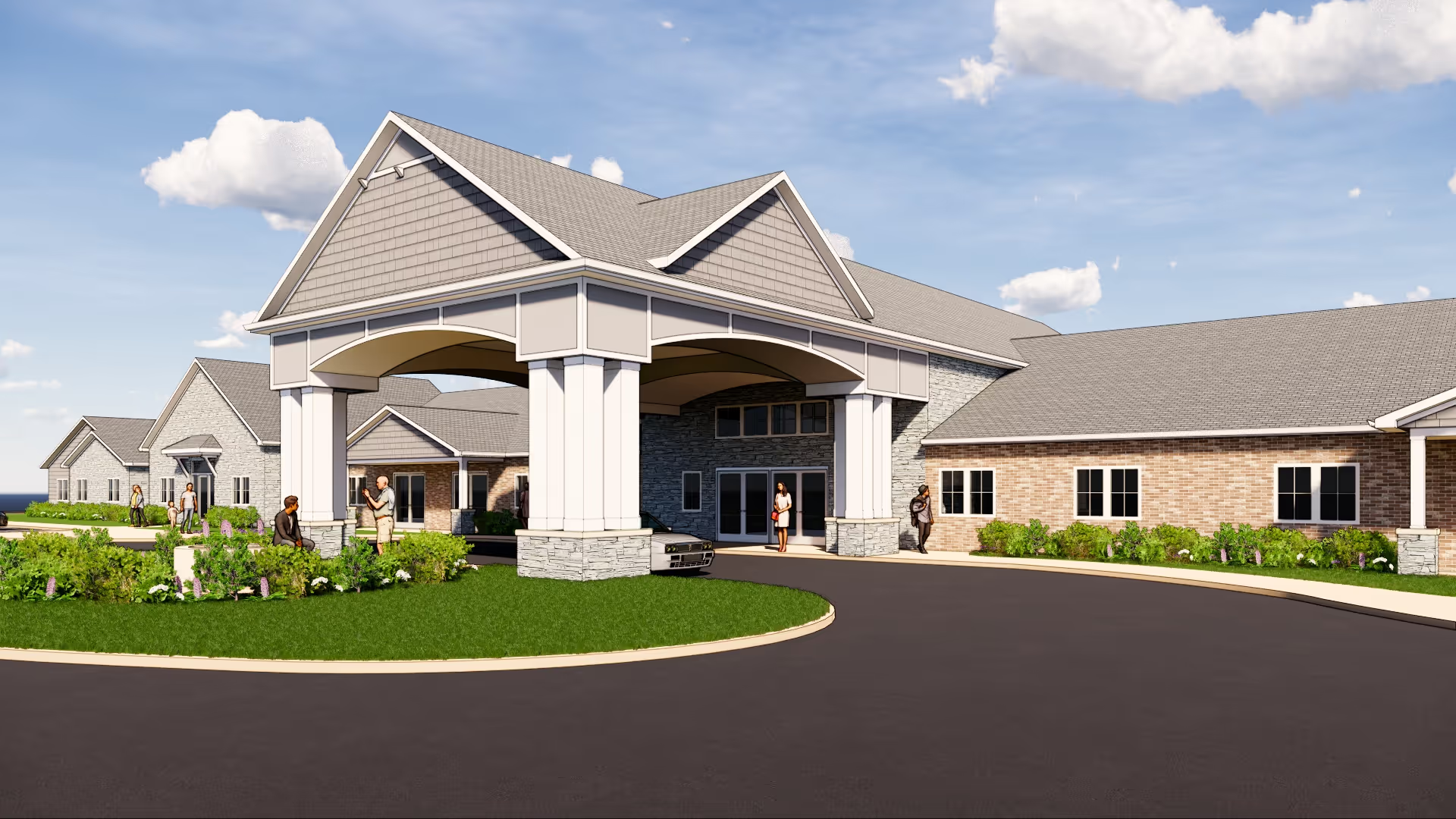
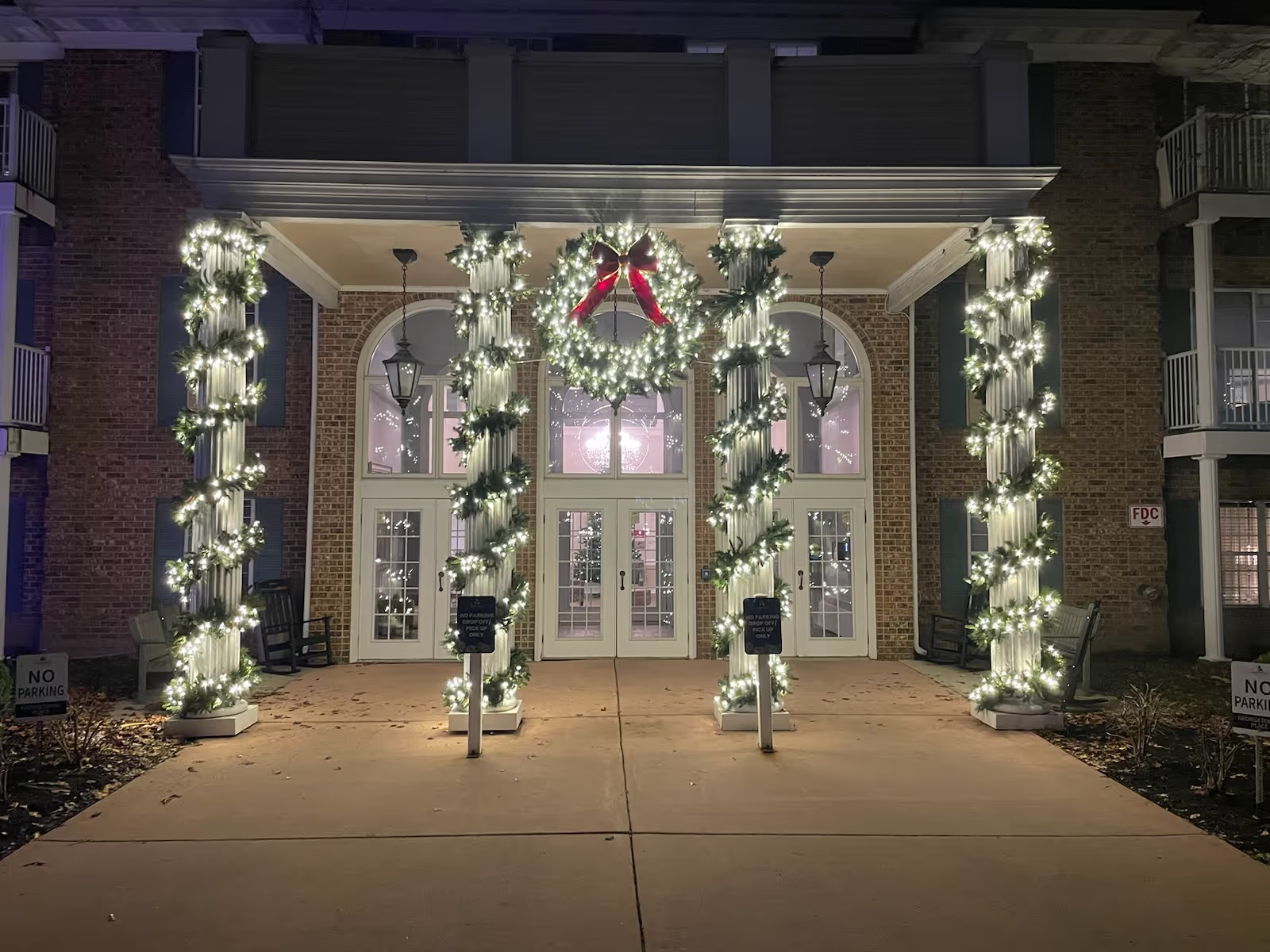
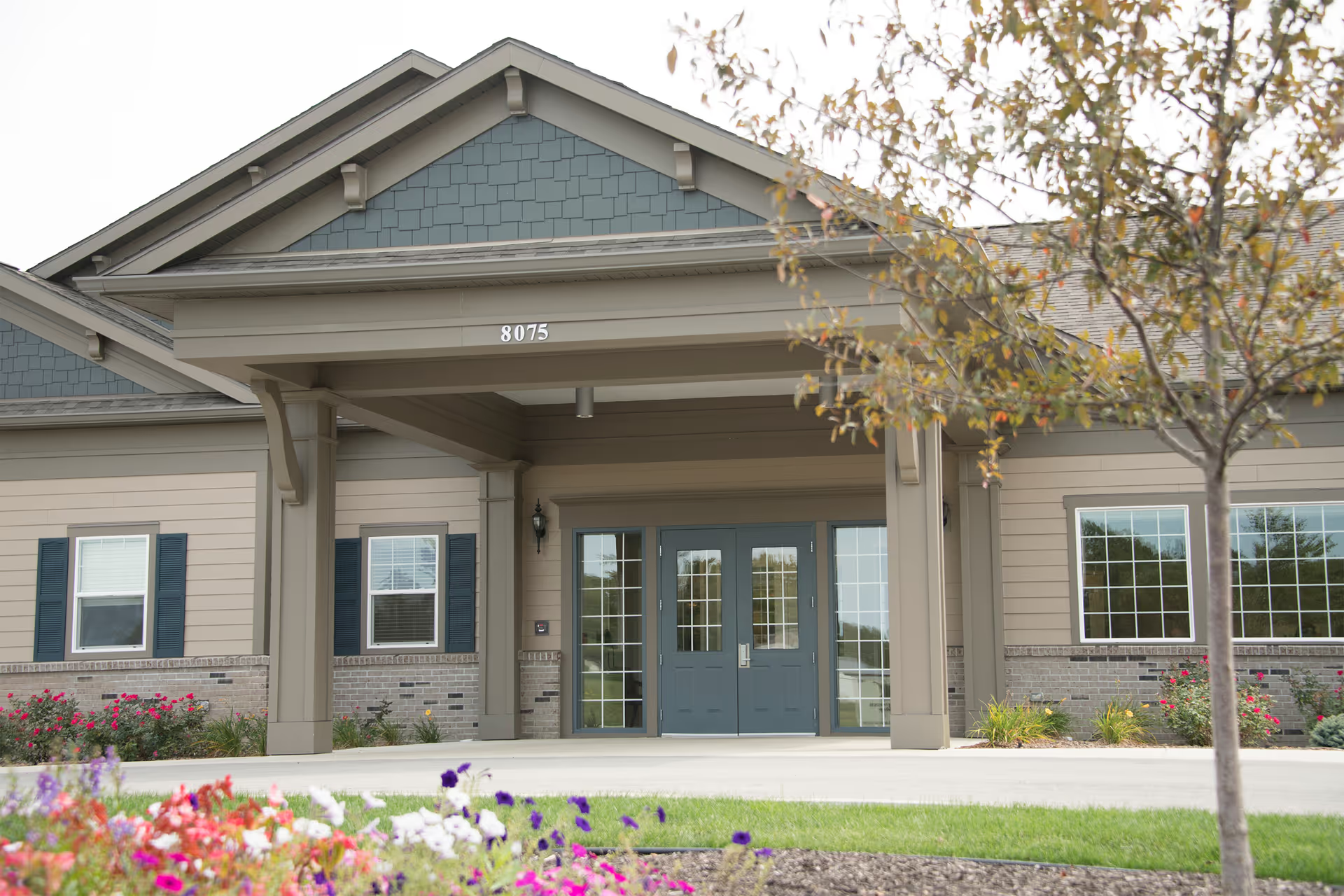
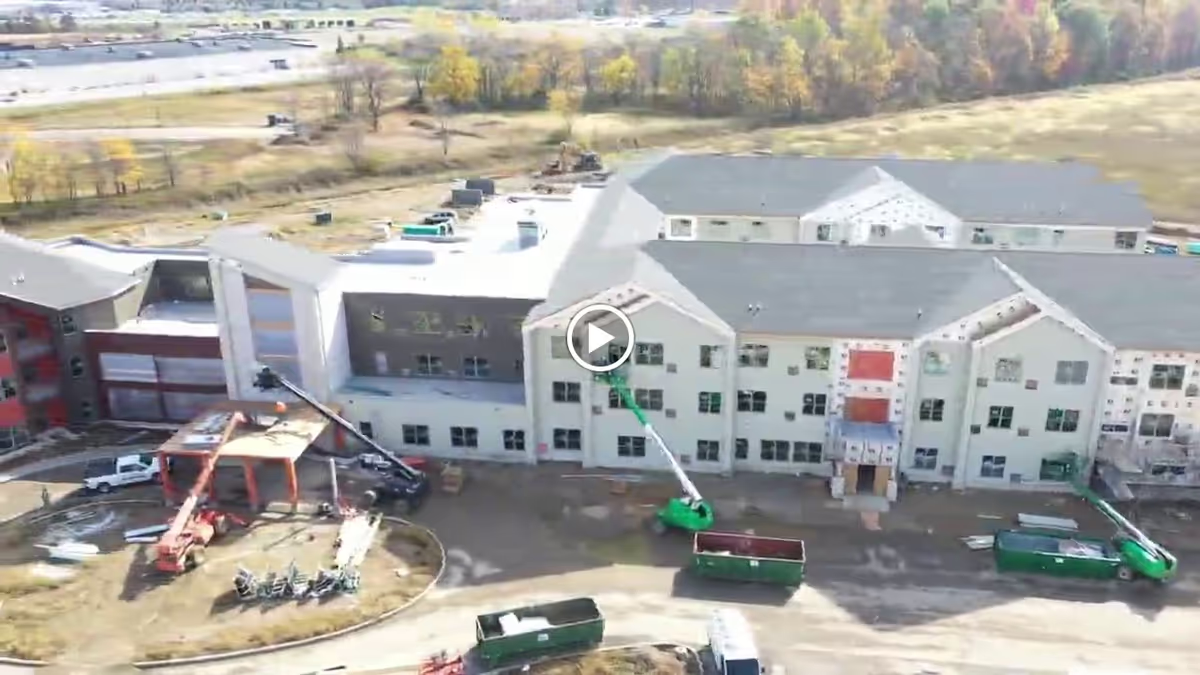
Evergreen Village at Fort Wayne presents as a largely new, well-equipped senior living community with substantial amenities. The physical plant is repeatedly described as clean and attractively designed: spacious one-bedroom apartments with kitchenettes or full kitchens (and micro-fridge options), walk-in showers, large common areas and bistro space, an outdoor garden and walking area, and on-site services such as physical therapy, a beauty shop and spa. Many families found the property pleasant on tour and praised maintenance and housekeeping, describing the community as comfortable and accessible.
Clinical services include 24/7 care oversight, four levels of care, medication assistance, and availability of a nurse practitioner as a primary-care option. Several reviewers noted proactive elements such as scheduled night checks and on-site therapy. However, a recurrent pattern in the feedback is inconsistency between stated clinical capacity and day-to-day execution. Concerns center on medication-management processes, delays in escalation to emergency care, and uneven responsiveness to call signals. Families of residents with higher-acuity needs should verify the facility's capability and escalation protocols and confirm staffing ratios and clinical oversight specific to those needs.
Staff quality and management elicited mixed reactions. Numerous comments describe individual staff members as caring, informative and helpful, with strong move-in assistance and an engaging activities team. Maintenance and housekeeping received particular praise. Conversely, other accounts raise concerns about inconsistent staff conduct, perceived favoritism, communication tone, and high turnover. Business-office responsiveness and coordination (including transportation scheduling and follow-up calls) were described as unreliable in some cases. Prospective residents and families may want to ask about staff turnover rates, on-site leadership structure, and the process for lodging and resolving concerns.
Dining and social programming are strengths in terms of variety and engagement: the activity calendar appears robust, with frequent options like cards, pool, arts and crafts, and social events that many residents enjoy. Dining experiences are mixed—there is a daily menu and always-available options, and some families praised meal quality, but others described inconsistent food quality and transitional service arrangements (for example, tray service while the dining room is not yet fully operational). Reviewers also noted operational growing pains typical of a new facility, such as phased openings of dining spaces and introduction of new kitchen systems.
Overall, reviews are polarized: a substantial number of families describe positive transitions, improved mood for residents, strong amenities and helpful staff, while a meaningful subset raised operational concerns that relate to staffing consistency, medication administration, emergency-response timeliness, privacy handling, and management responsiveness. For prospective residents and their families this suggests the community offers many desirable features and affordability (including Medicaid acceptance), but also that due diligence is warranted. Recommended steps include an in-person tour during meal service and peak activity times, conversations with clinical leadership about staffing and escalation protocols, review of recent inspection reports, and clear written answers from the business office on billing, privacy practices, and transportation arrangements.