Life Care Center of Fort Wayne elicits polarized impressions: many families describe warm, attentive caregiving, strong rehabilitation outcomes, and a small, personalized environment, while others raise significant operational and conduct concerns. Strengths most consistently noted include a compassionate direct-care team (nurses and aides), an effective therapy department that contributes to measurable functional improvement, and an activity program led by a director who promotes social engagement and meaningful daily programming. Several accounts emphasize a supportive admissions experience and accessible leadership during intake, which helped families feel comfortable entrusting ongoing care to the facility.
Clinical and day-to-day care quality shows a mixed pattern. Positive narratives emphasize timely assistance, respectful interactions, visible staff presence, and helpful housekeeping and maintenance that keep rooms and common areas in good condition. Physical and occupational therapy receive repeated praise for helping residents regain independence. However, reviewers also point to operational weaknesses: inconsistent bathing and personal-care schedules, uneven clinical follow-up after therapy or transitions, and variability in how medical needs are managed for more complex patients. Understaffing and shift-to-shift inconsistencies appear to be recurring contributors to these gaps.
Dining and nutrition are another area of contrast. Some families compliment balanced menus and satisfying meals, while others report inconsistent meal temperature, substitutions that do not meet dietary needs, and difficulties obtaining appropriate diabetic accommodations. These accounts suggest variability in kitchen execution and in how dietary requests are accommodated.
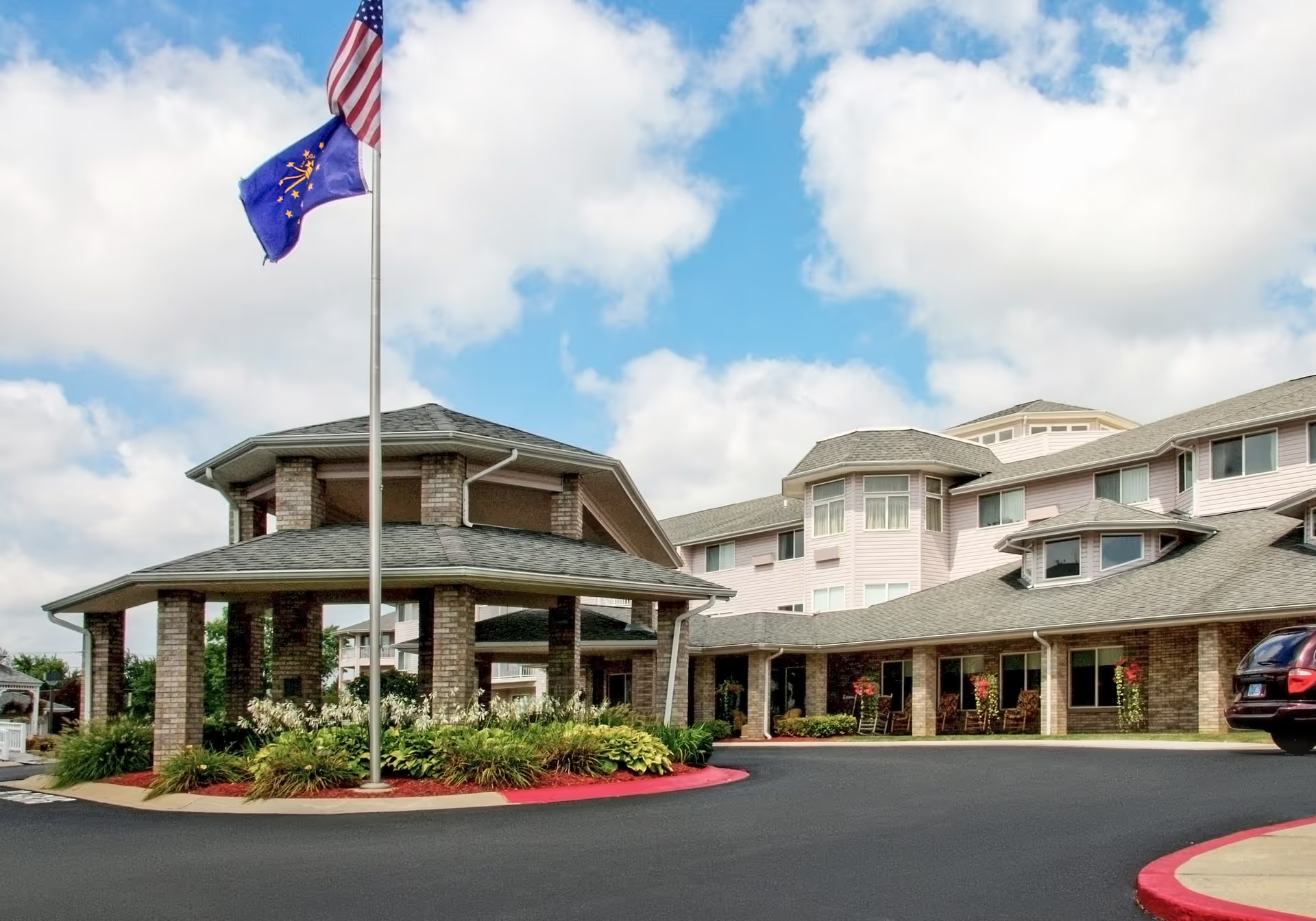
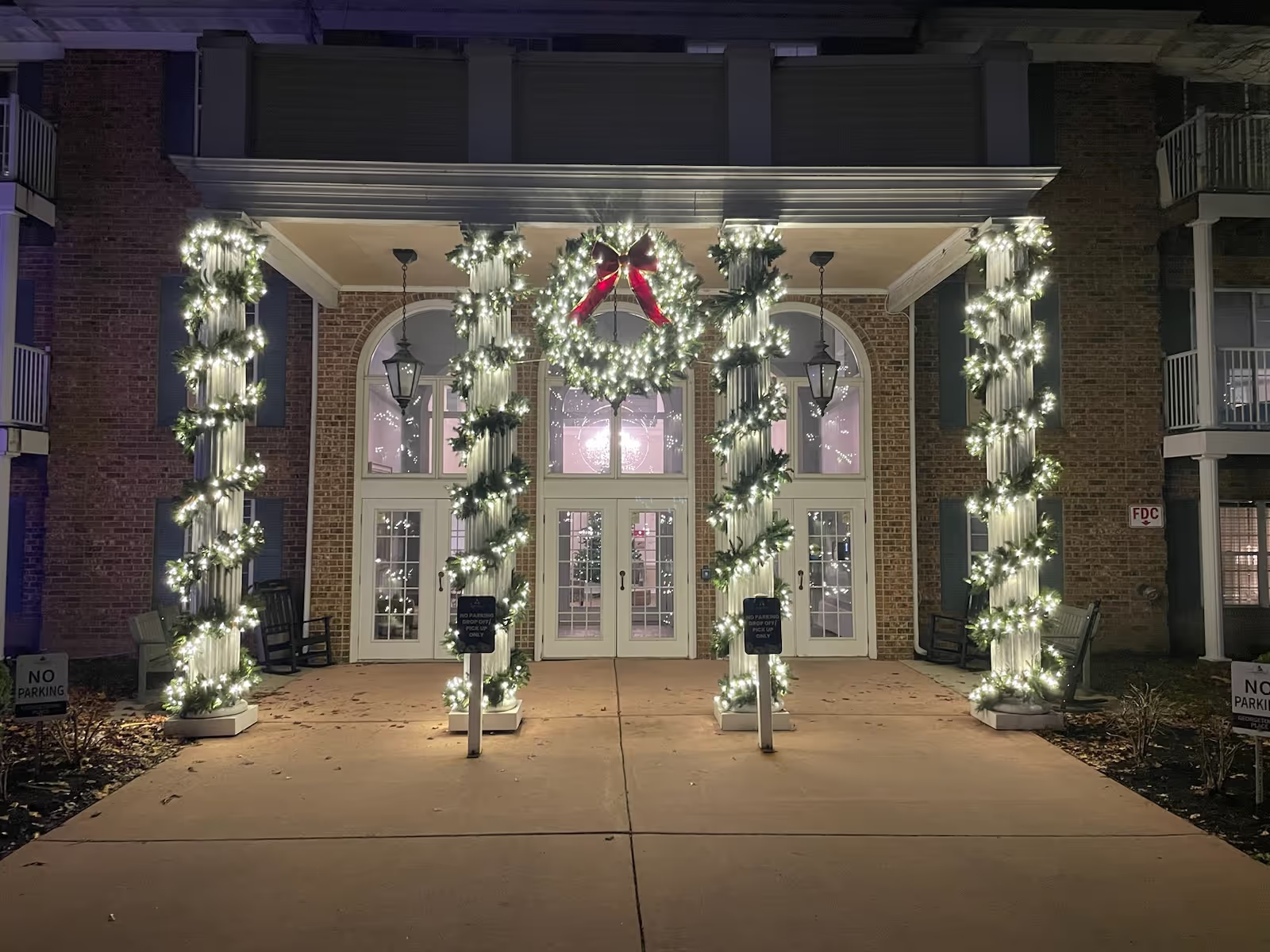
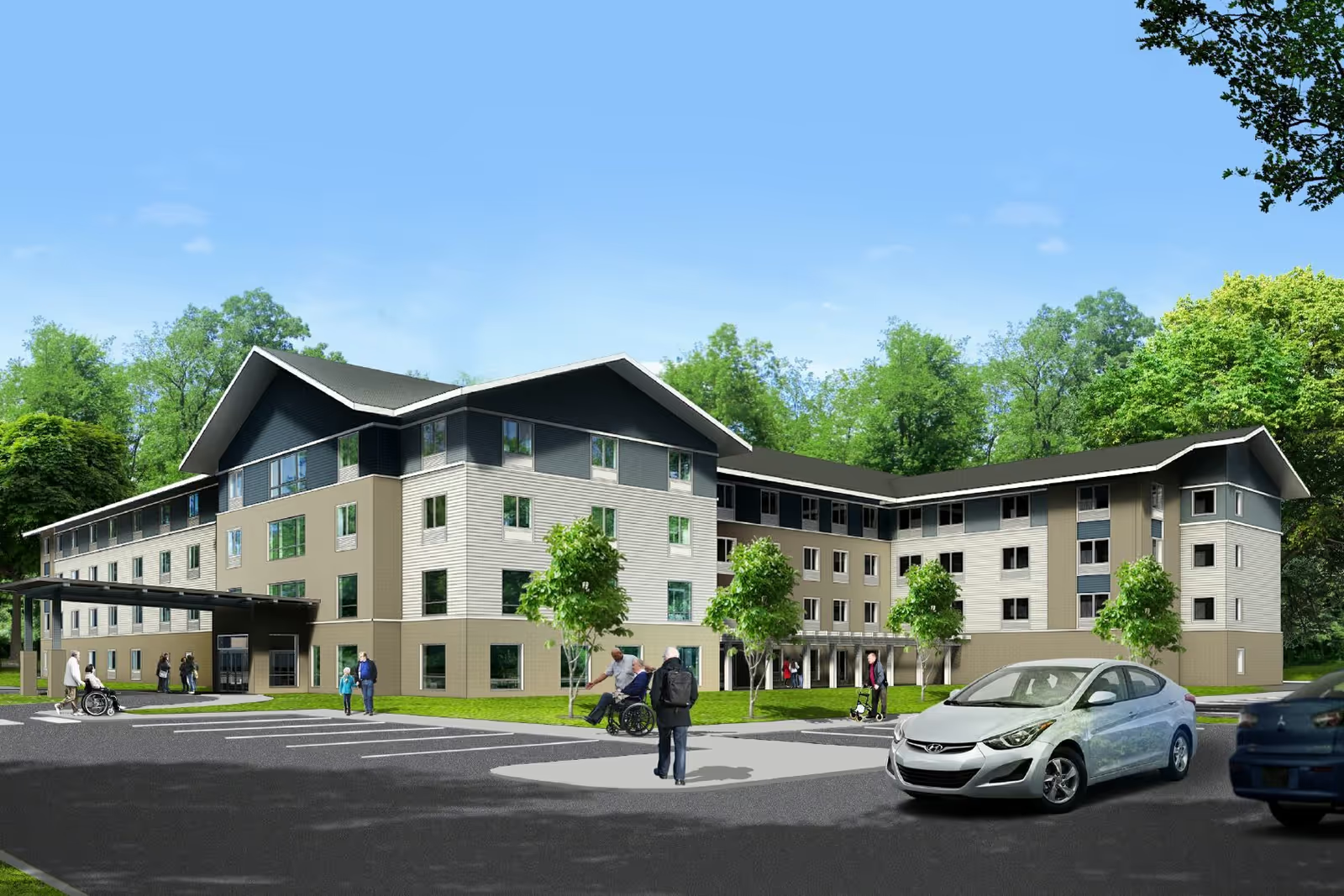
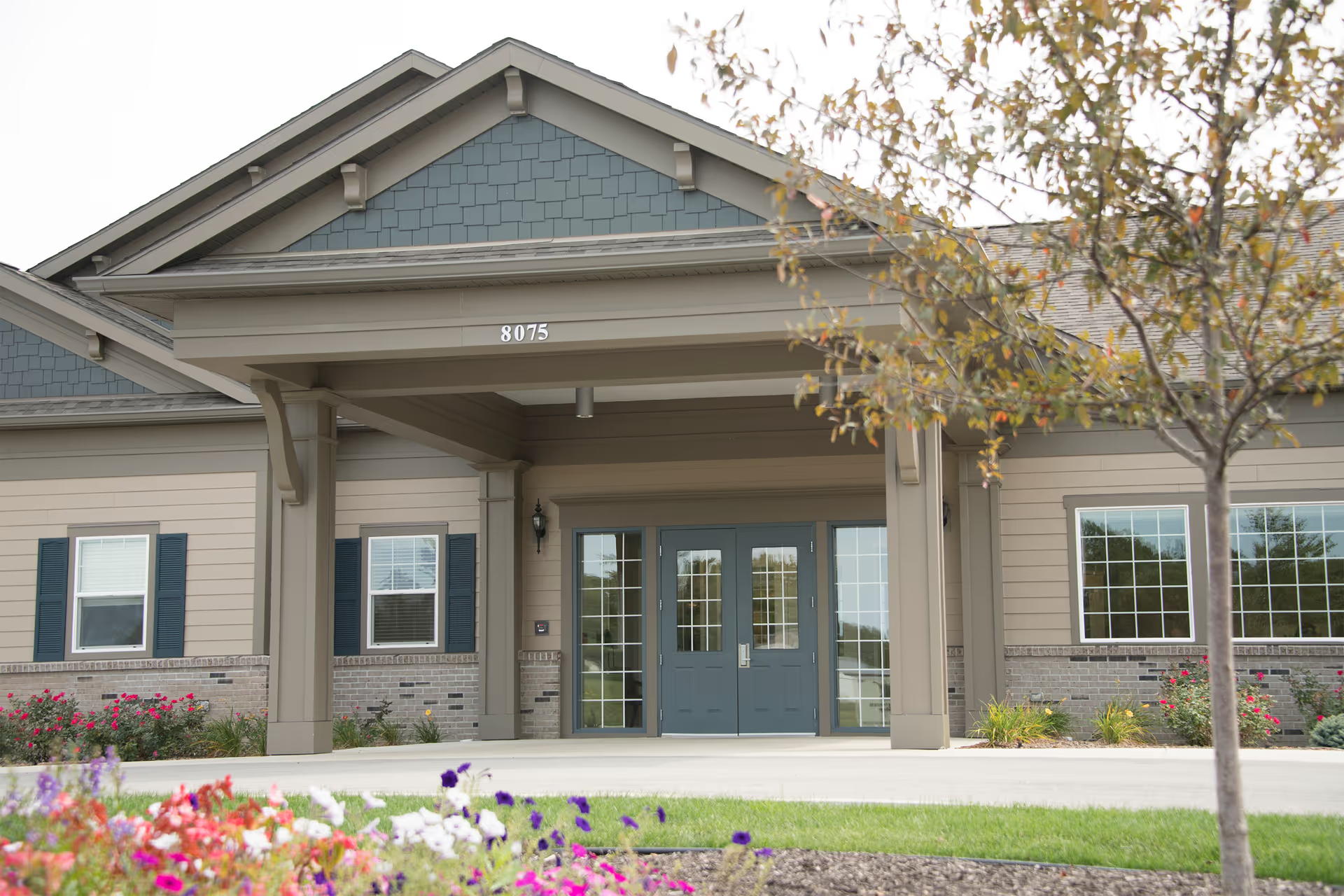
Facility environment and activities are generally viewed positively: the center is described as clean and well-maintained by many reviewers, with a friendly atmosphere and organized social programming that supports resident engagement. At the same time, a subset of comments raise sanitation and odor concerns in parts of the building, indicating uneven maintenance or incontinence-care processes in specific areas rather than a universal condition.
Management and culture present the clearest divergence in reviewer experience. Several families praise visible administrators, responsive problem resolution, and staff who go out of their way to fix issues. Conversely, other accounts describe leadership instability, poor communication between management and frontline staff, and a workplace culture that has negatively affected staff morale. There are also serious allegations concerning staff conduct and retaliation that several reviewers raised; these statements go beyond routine complaints and indicate a need for transparent investigation and corrective action where warranted.
Notable patterns across the reviews are variability and unevenness: many positive comments about specific nurses, aides, therapists, and the activity director coexist with reports of inconsistent care, communication breakdowns, and occasional sanitation or dietary lapses. For prospective residents and family members, useful due-diligence steps would include observing meal service, asking about staffing levels and shift coverage, reviewing dietary and bathing schedules, inquiring about incident-reporting and investigation procedures, and meeting therapy and nursing leadership to understand continuity-of-care plans. Overall, the center demonstrates strong capabilities in rehabilitation, activities, and individualized caregiving in many cases, but prospective families should clarify operational practices and supervision processes to ensure those strengths are consistently applied.