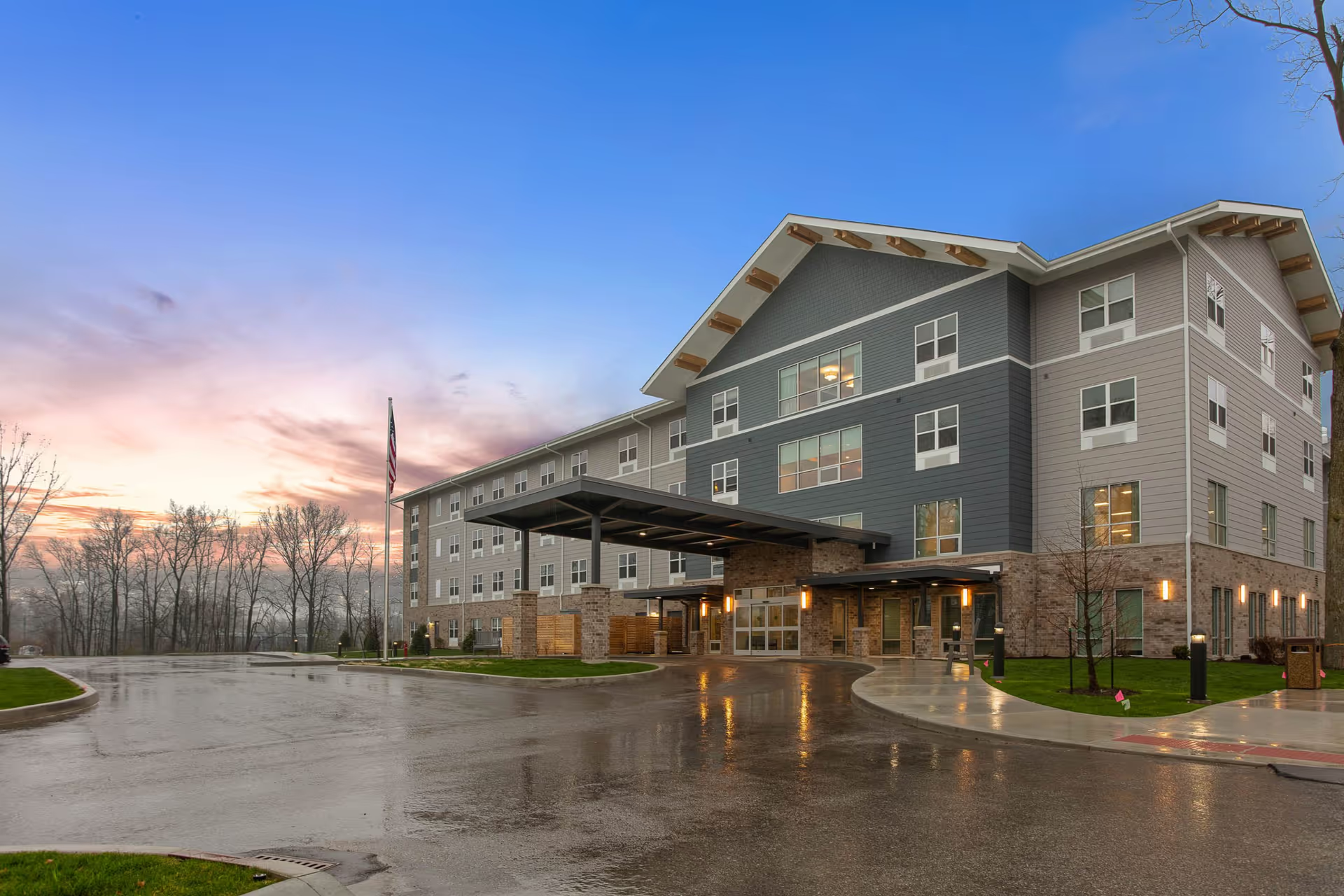
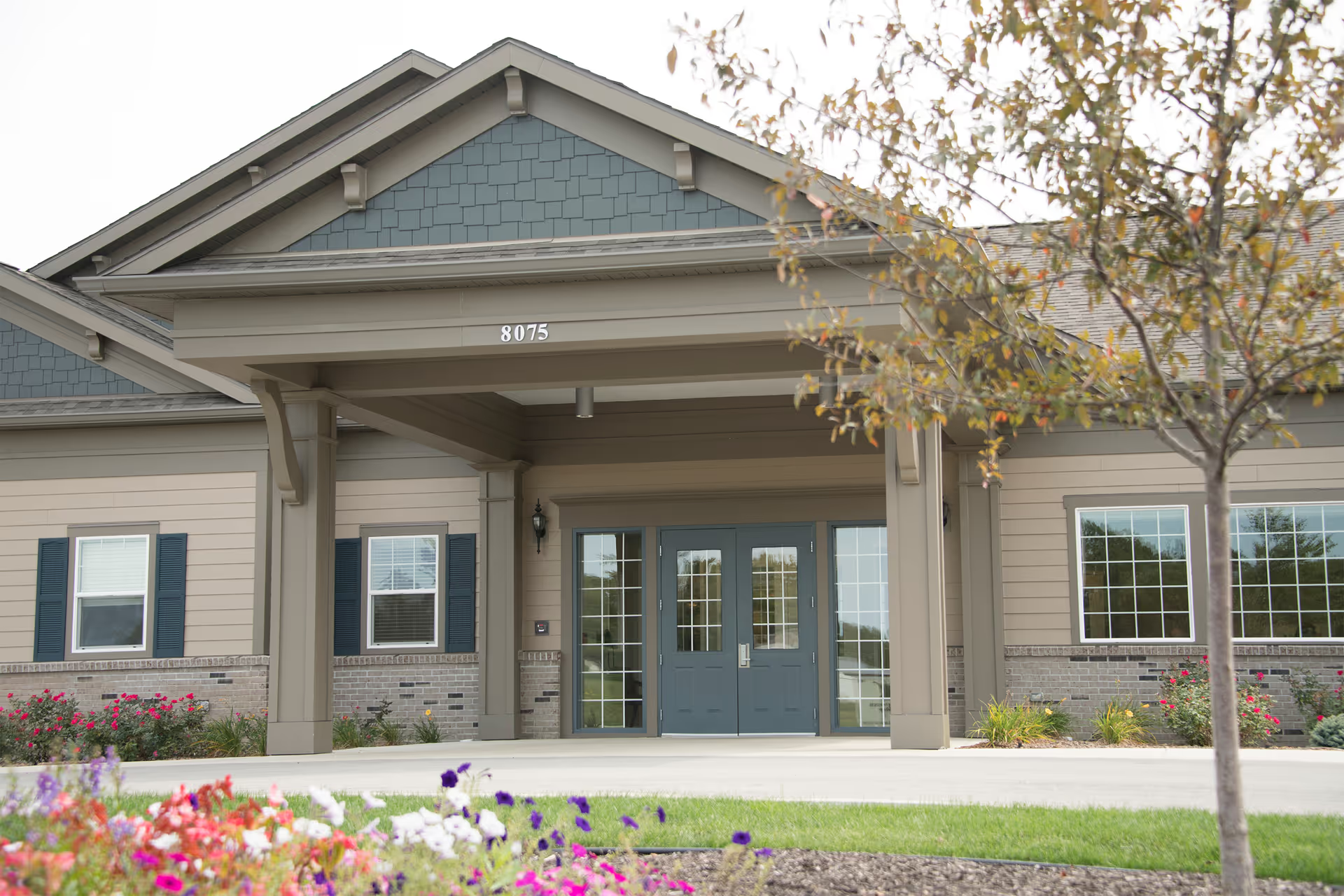
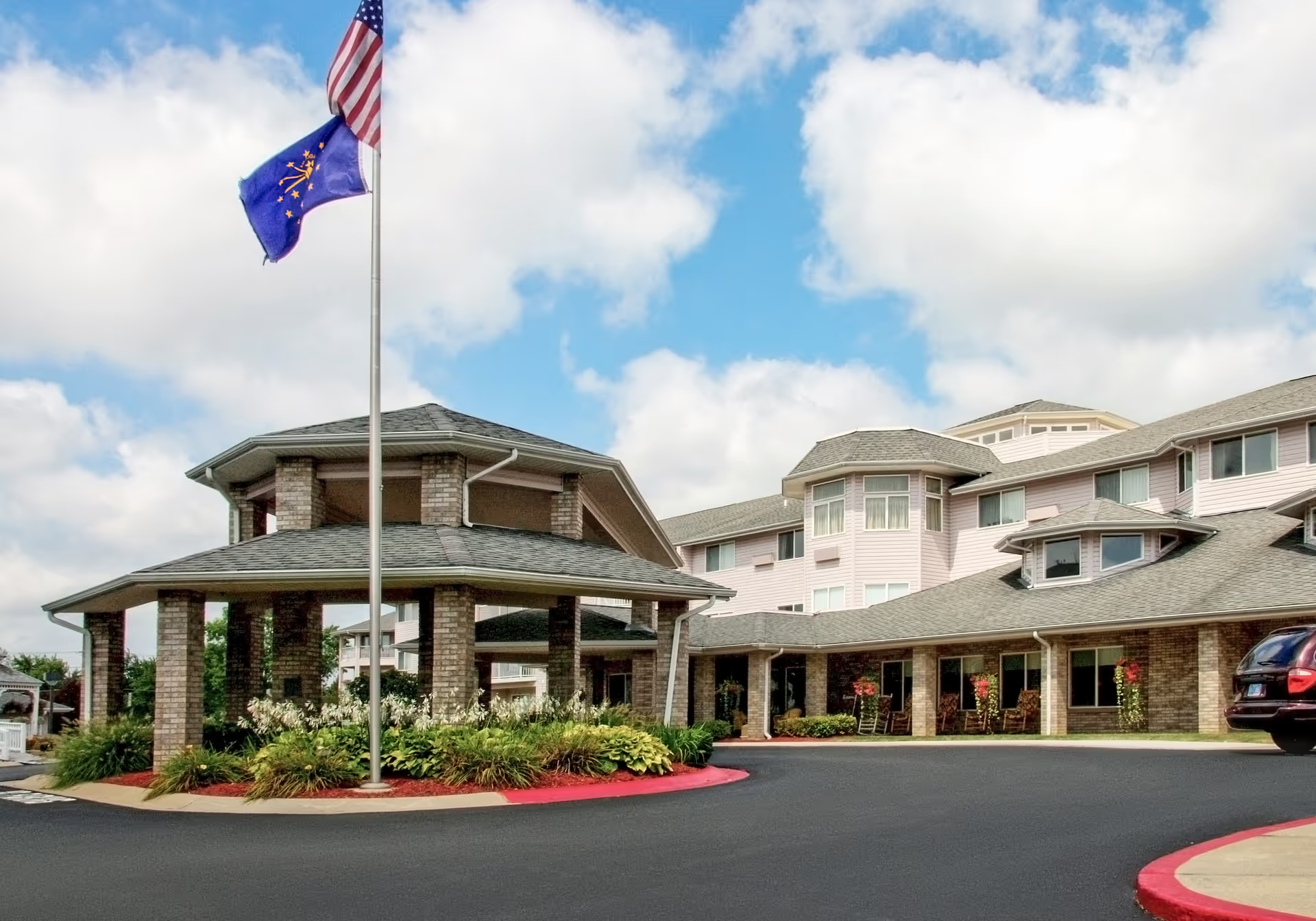
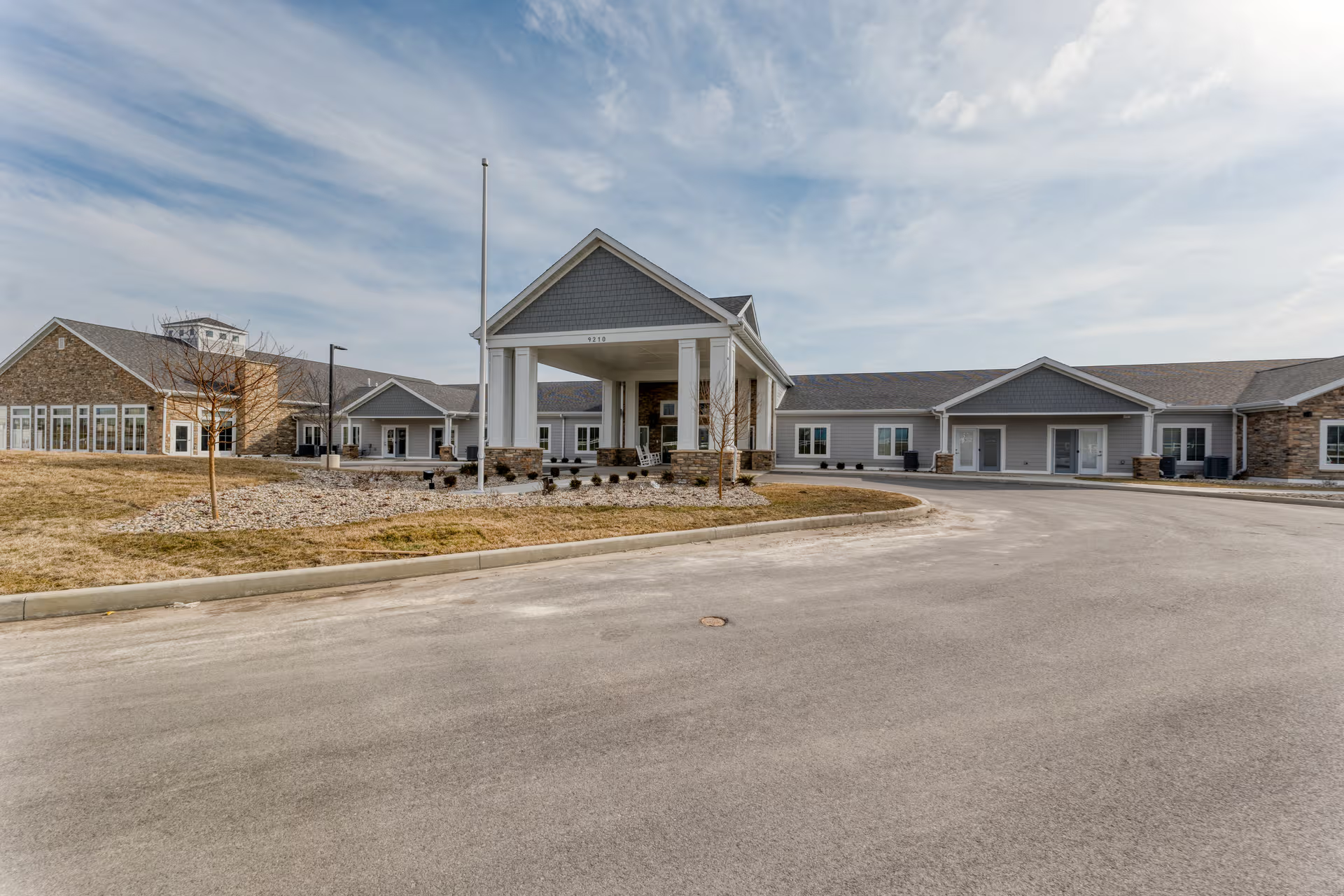
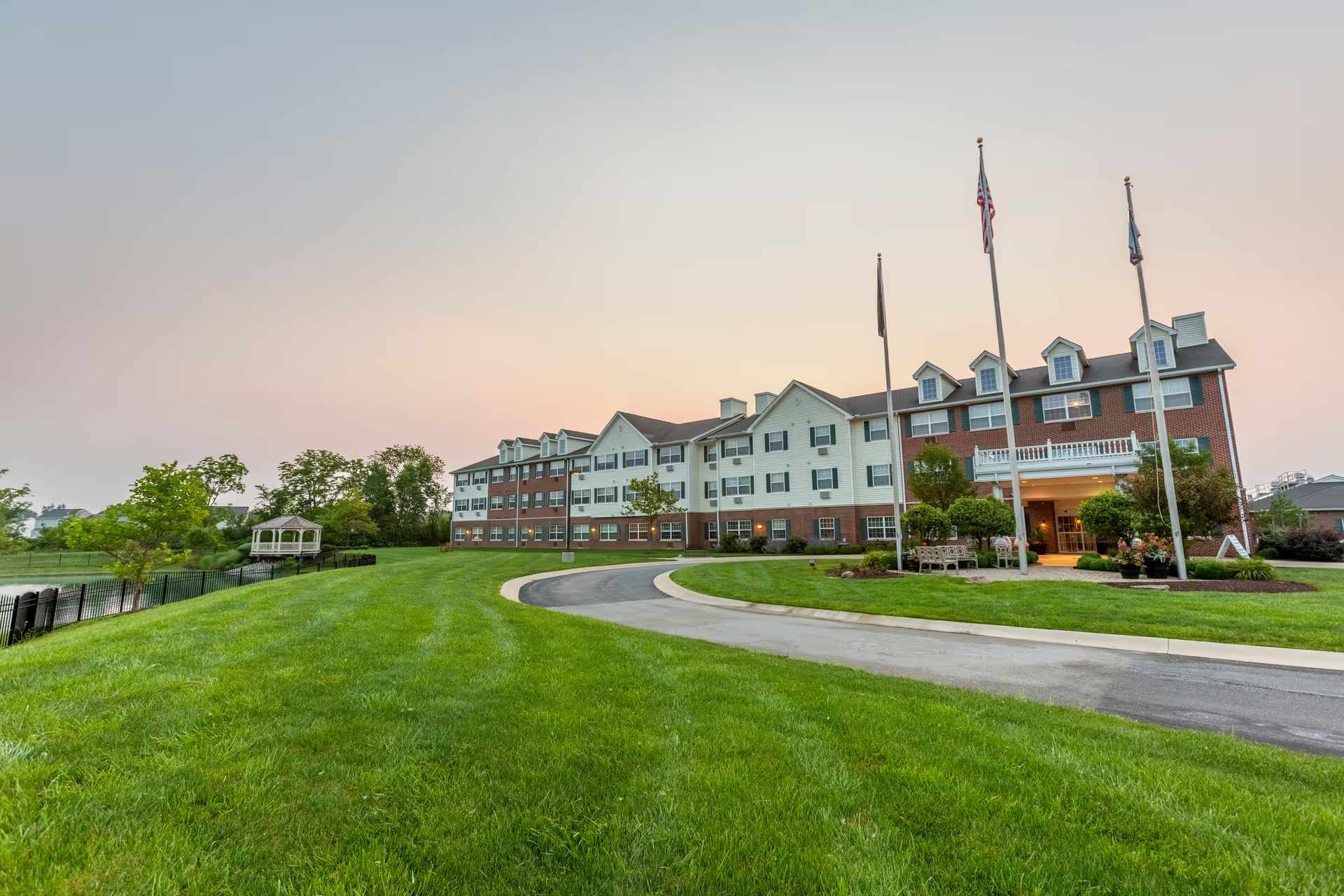
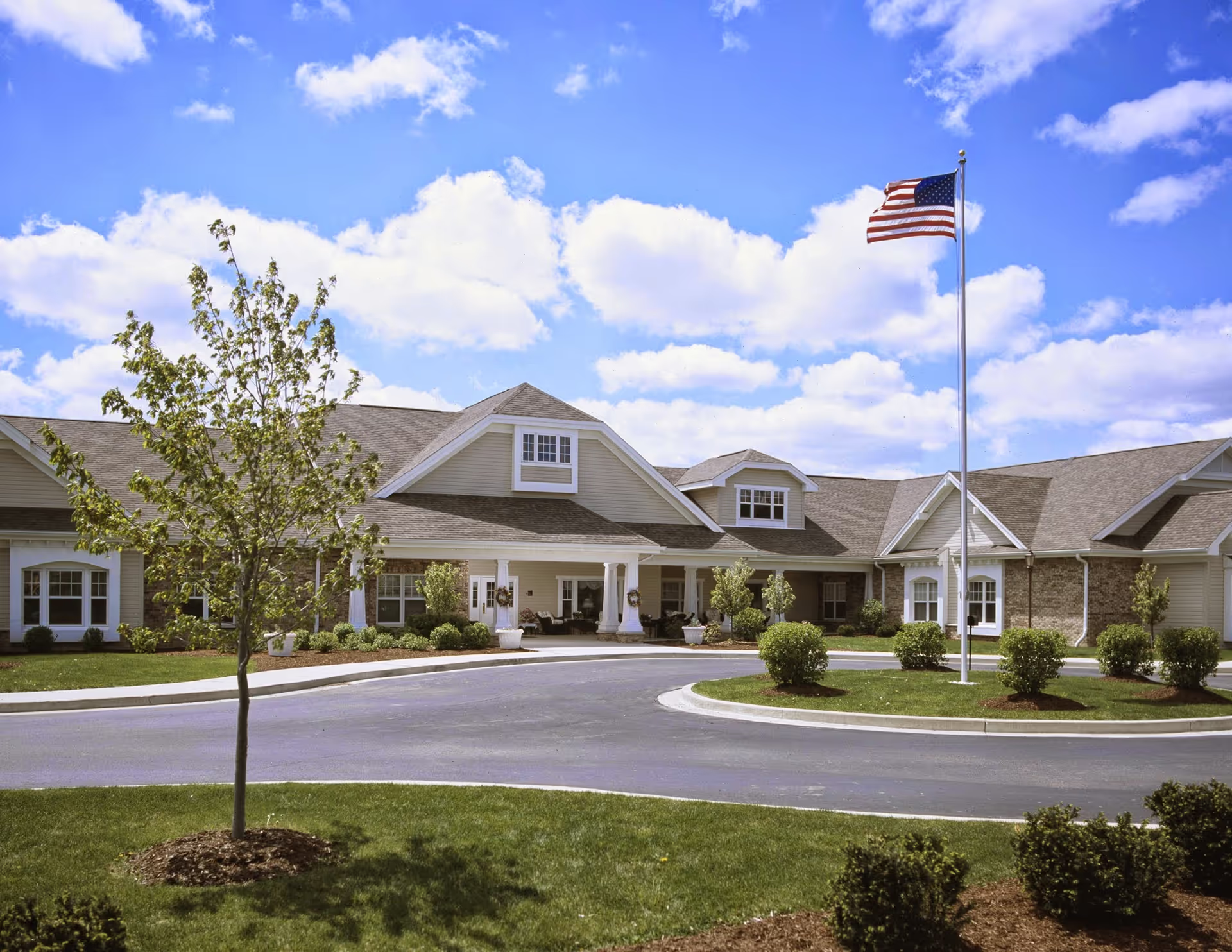
Reviews of Majestic Care of Fort Wayne present a mixed picture in which clearly praised clinical strengths — notably rehabilitation services and several compassionate, experienced caregivers — coexist with recurring operational and environmental concerns. Families who described positive experiences highlighted effective therapy programs, a nursing team capable of managing complex medical and cognitive conditions, and a generally safe, structured setting for higher-acuity residents. Several accounts also described a warm, home-like atmosphere in parts of the building and leadership that is engaged in improvement efforts.
Care and staffing show a consistent dichotomy. Positive comments emphasize professional, attentive nurses and aides during particular shifts and solid long-term placement stability. Contrasting accounts describe inconsistent staffing levels, slow response to call lights, and variability in staff conduct and responsiveness at the front desk. Reviewers also noted shortcomings in admissions orientation and the development or communication of individualized care plans, which can leave families unsure about daily routines and expectations.
Clinical operations and safety processes are a recurring area of concern. Multiple reviewers raised issues consistent with weaknesses in medication-administration controls and incontinence-care delivery, as well as delays in clinical escalation and diagnostic follow-up for new or worsening conditions. While some families reported prompt, high-quality clinical care, others described events that suggest gaps in routine monitoring and medication storage/handling practices.
Dining and therapeutic services are similarly mixed. Rehabilitation and therapy services were frequently commended, but dining received criticism for inconsistent food quality, cold meals, and limited accommodations for specialized diets such as diabetes. Therapy scheduling and coordination with insurers were also described as sources of delay for some residents.
Facilities and maintenance concerns appeared across reviews, ranging from roof and plumbing issues to elevator malfunctions, dim lighting, and limited outdoor access. Several reviewers mentioned cleanliness and pest-control concerns in resident rooms and communal spaces; these are operational issues that can affect comfort and infection control if not addressed systematically.
Management and communication earned contrasting remarks. Some families praised leadership and described clear communication and proactive calls when issues arose. Other families described poor communication, unhelpful front-desk interactions, inconsistent follow-through on family requests, and dissatisfaction with how post–end-of-life arrangements and visitation policies were handled. These differences suggest variability in administrative execution across shifts or units.
In summary, the facility shows meaningful strengths in rehabilitation, clinical expertise for complex conditions, and committed staff leadership in places. At the same time, recurring operational weaknesses — hygiene and sanitation processes, medication-management controls, staffing consistency, dining quality, and facilities maintenance — appear frequently enough to warrant careful inquiry by prospective residents and families. An on-site visit that includes inspection of resident rooms, discussion of care plans and medication procedures, review of staffing patterns, and direct conversations with therapy and nursing leadership is advised to determine whether the facility’s strengths align with an individual resident’s needs.