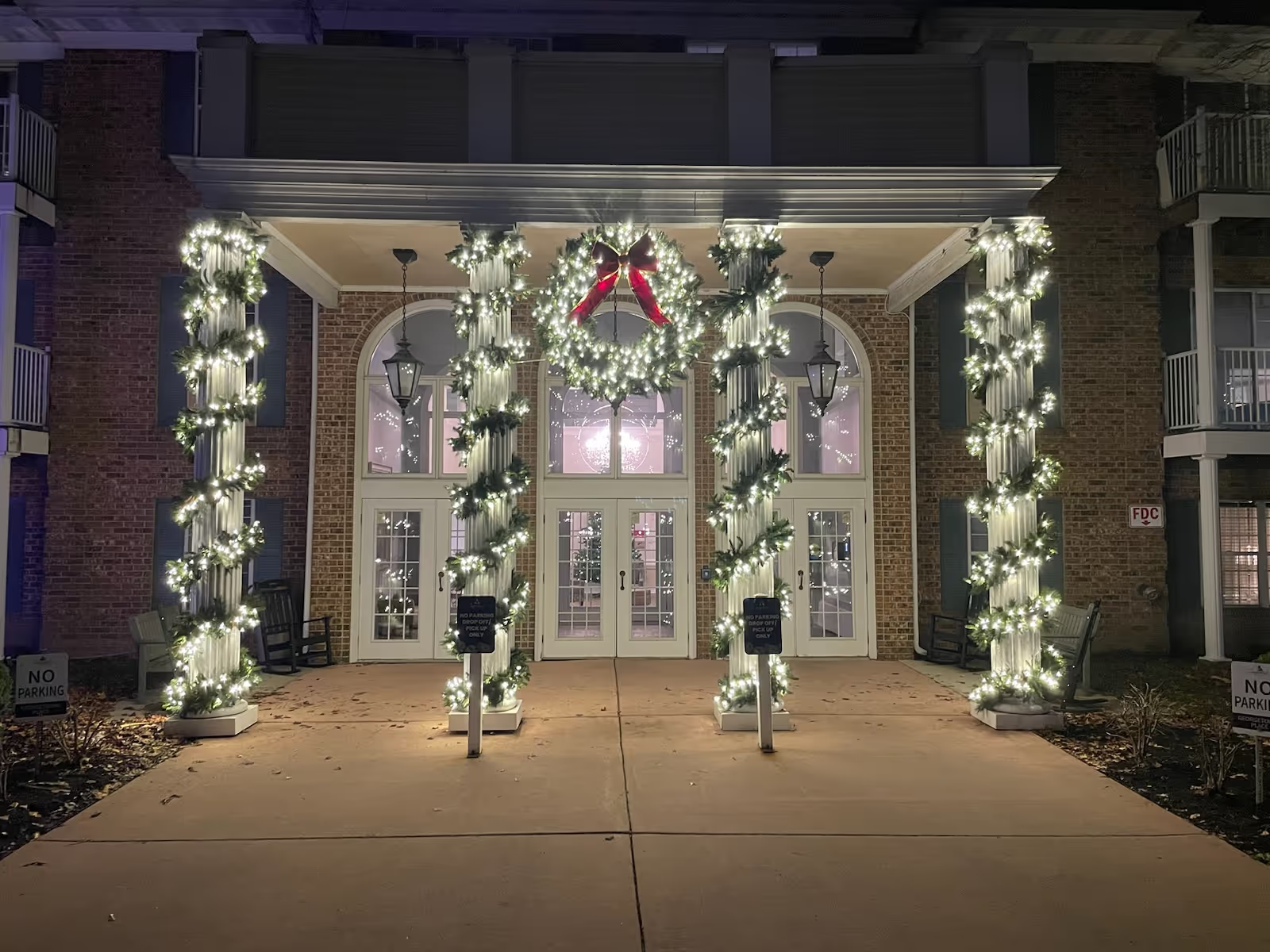
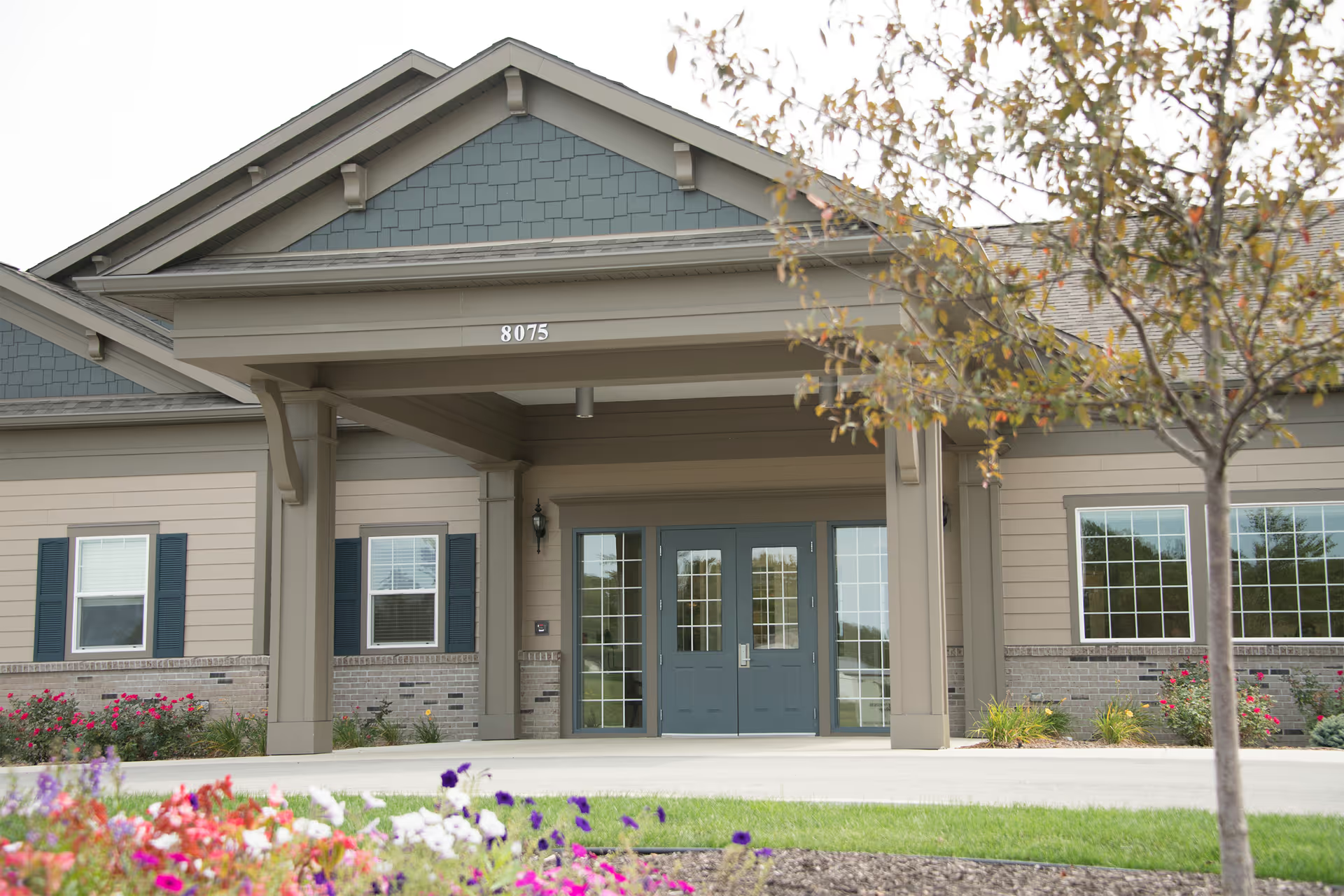
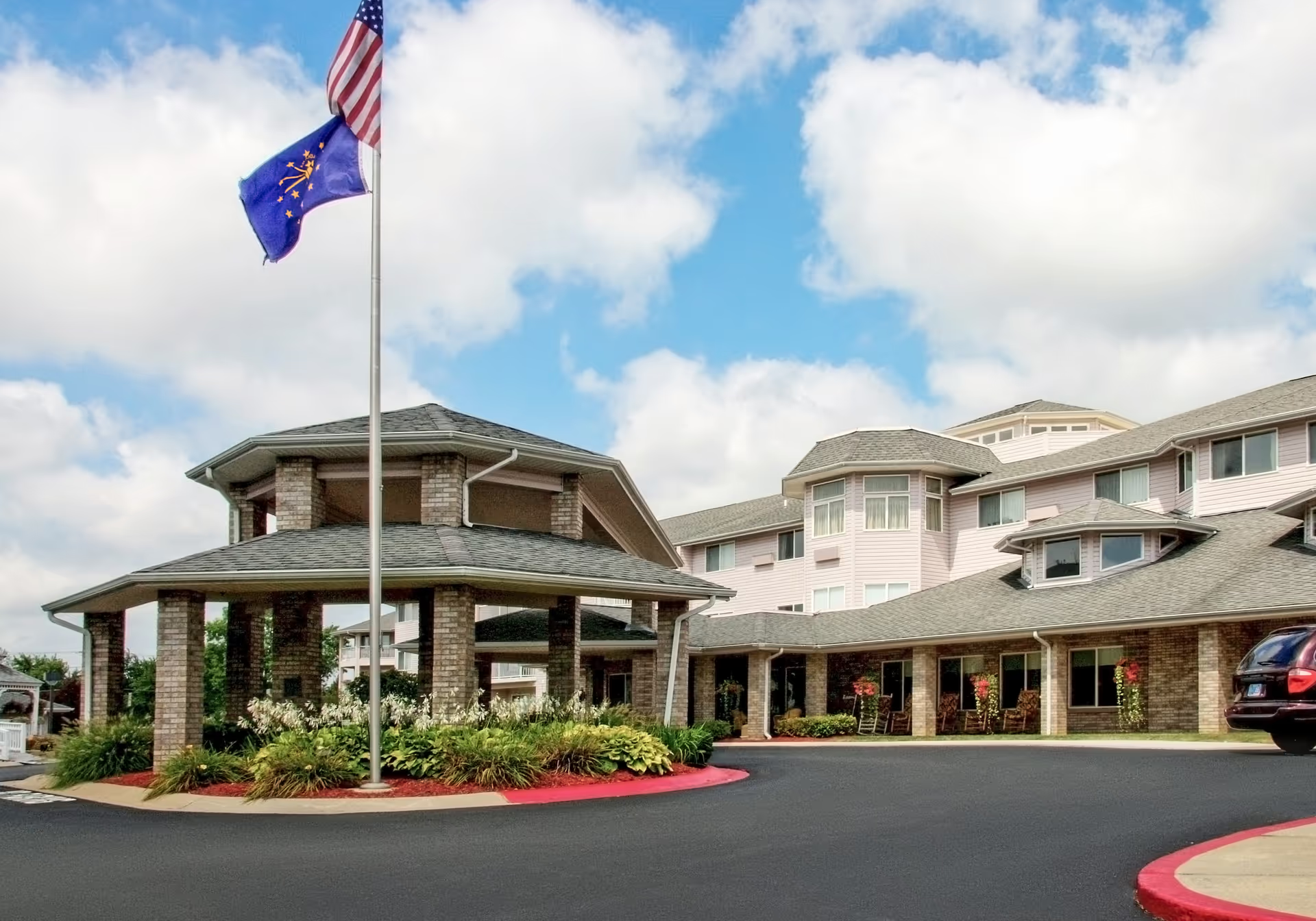
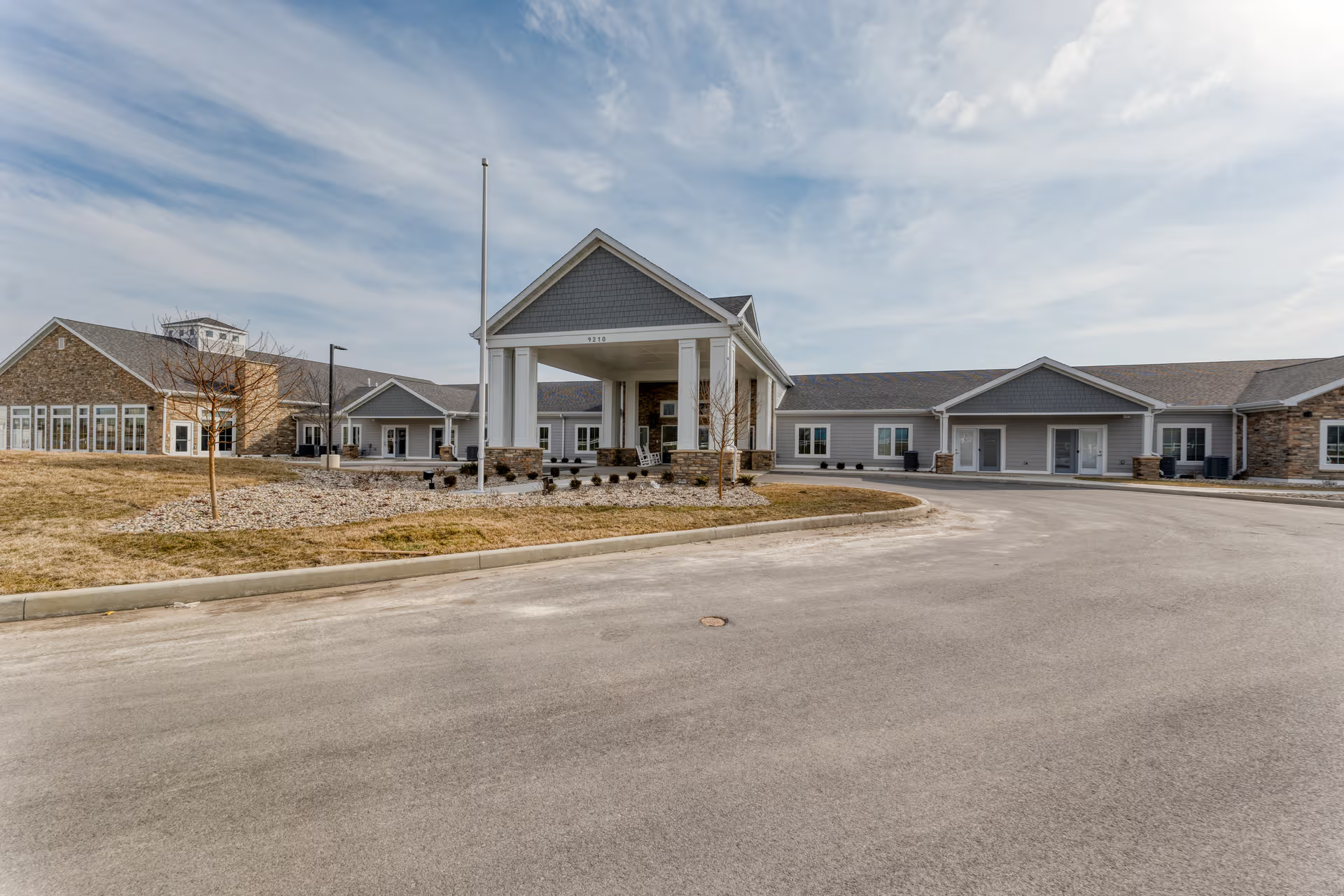
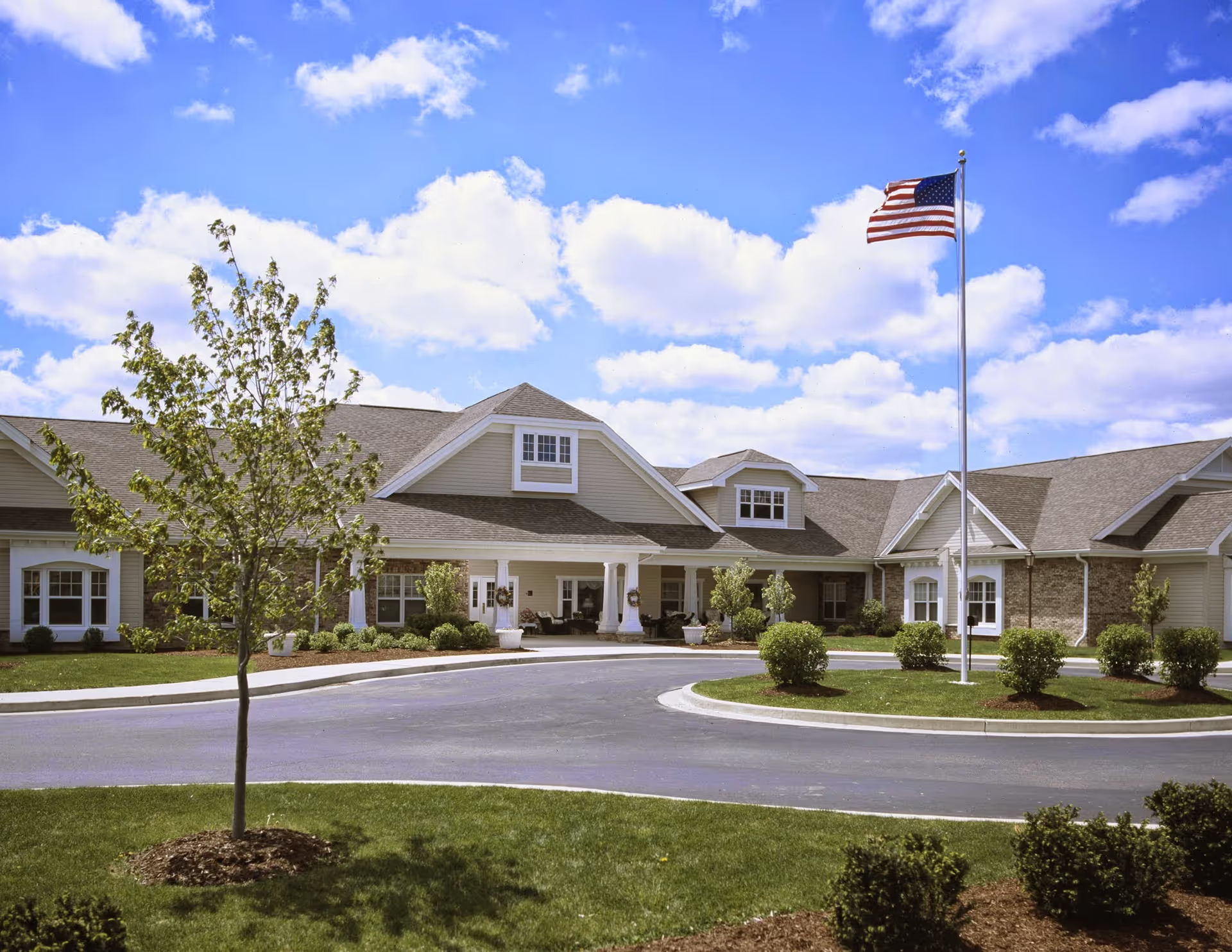
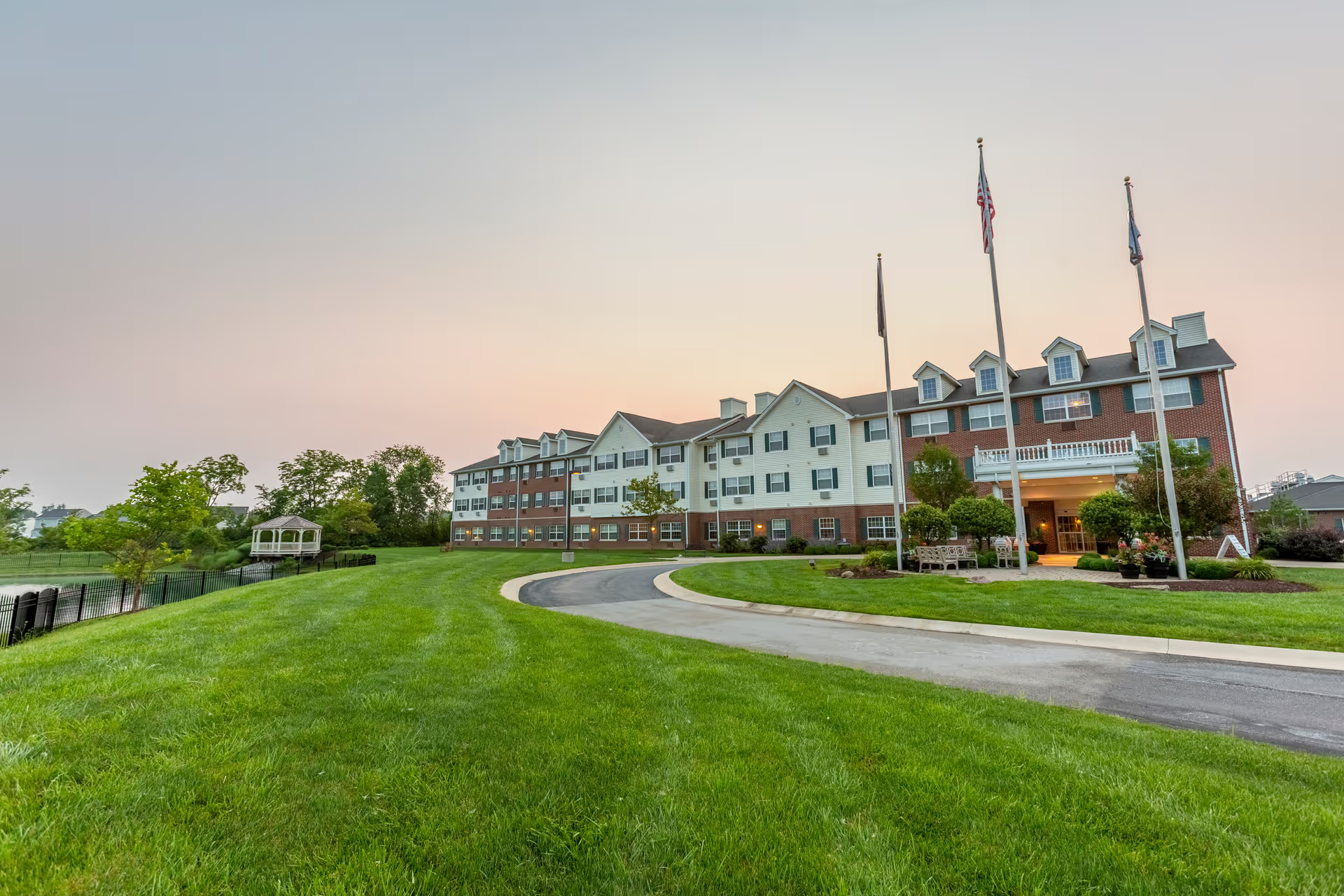
Silver Birch of Fort Wayne presents as a recently built, well-appointed assisted living community with many physical and lifestyle strengths. The building is described as bright, modern, and clean, with spacious private studios and one-bedroom apartments, multiple communal spaces (a theater, game room, activity and event rooms), and practical amenities such as good parking and easy access to shopping. Reviewers consistently note a welcoming atmosphere and an emphasis on infection-control and cleanliness. The community also offers on-site services such as a salon and scheduled transportation, which support residents’ independence and access to local resources.
Staff and day-to-day resident life receive mixed but often positive comments. Many accounts highlight friendly, compassionate, and helpful team members — including admissions, marketing, and activities staff — and a warm, family-oriented culture. The activities program is described as active and varied (crafts, gardening club, bingo, outings), and several reviewers praised particular staff who coordinate events and resident engagement. Dining quality appears to have improved under new kitchen leadership and nutrition oversight, with specific menu items noted positively; however, some reviews describe variability in meal quality tied to staffing changes in the kitchen.
Clinical and operational concerns emerge as recurrent themes alongside the praise. Multiple reviewers raise issues consistent with inadequate staffing levels and gaps in clinical oversight, including periods with limited nurse coverage and frontline staff stretched thin. There are also comments indicating medication-management inconsistencies and delays in responsiveness to resident care needs. Other operational weaknesses noted include pest-control concerns in some units and variability in management responsiveness and family communication. A small number of reviews reference serious incidents that have drawn regulatory attention; these have been characterized by reviewers as prompting investigation and operational disruption. Prospective families should verify the facility’s current regulatory status and recent inspection history.
Management and communication show both positive and negative signals. Some families described a visible turnaround under new leadership, with improved family updates and responsiveness; others described difficulties reaching higher-level management or felt that staff sometimes attempted to cover mistakes. Taken together, the pattern suggests variability in leadership consistency and internal processes. For prospective residents and their families, recommended due diligence includes asking specifically about current staffing ratios and nurse coverage, medication management protocols, recent pest-control actions, dining staffing stability, processes for incident reporting and family notification, and recent regulatory inspections. Touring the community at different times of day and speaking with current residents and families can help assess whether the community’s strengths align with an individual’s care and lifestyle needs.