Overall impression is mixed: the facility receives frequent praise for its compassionate, person-centered approach, a dementia-focused unit, clean rooms and common spaces, and a stable staff base that enables continuity of care. Several reviewers highlight skilled nursing and rehabilitation capabilities, warm decor, and active social programming that support resident engagement and a sense of belonging. These strengths present a picture of a facility that can provide dignified, comfortable care for many residents.
Staff quality is a notable strength in many accounts. Long-tenured and consistent caregivers are described as friendly, respectful, and willing to go above and beyond; families cite clear communication at times, effective pain management, and staff who facilitate comfort and peace of mind. The dementia unit and activity programming receive positive mentions for creating a reassuring, engaging environment tailored to cognitive needs.
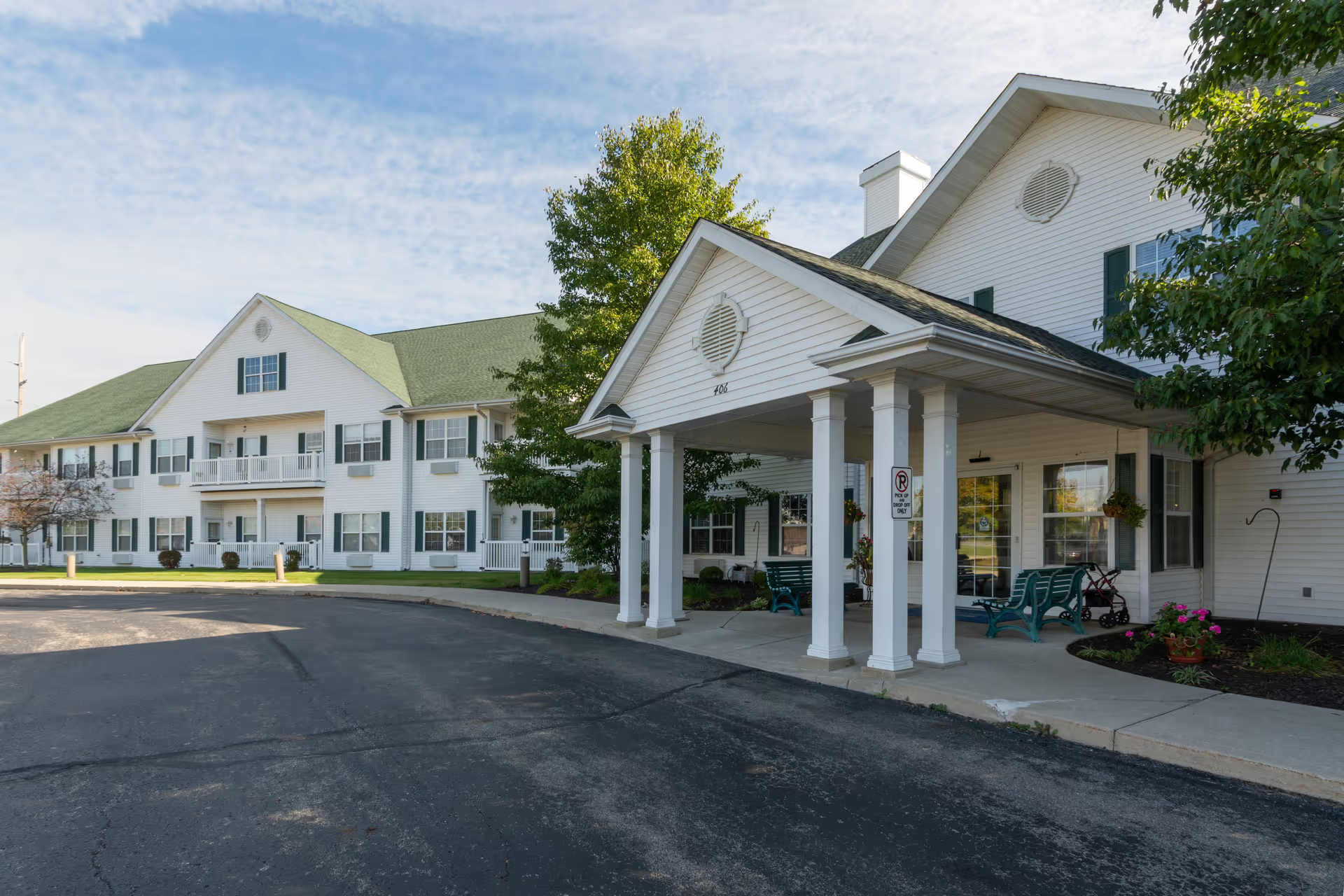
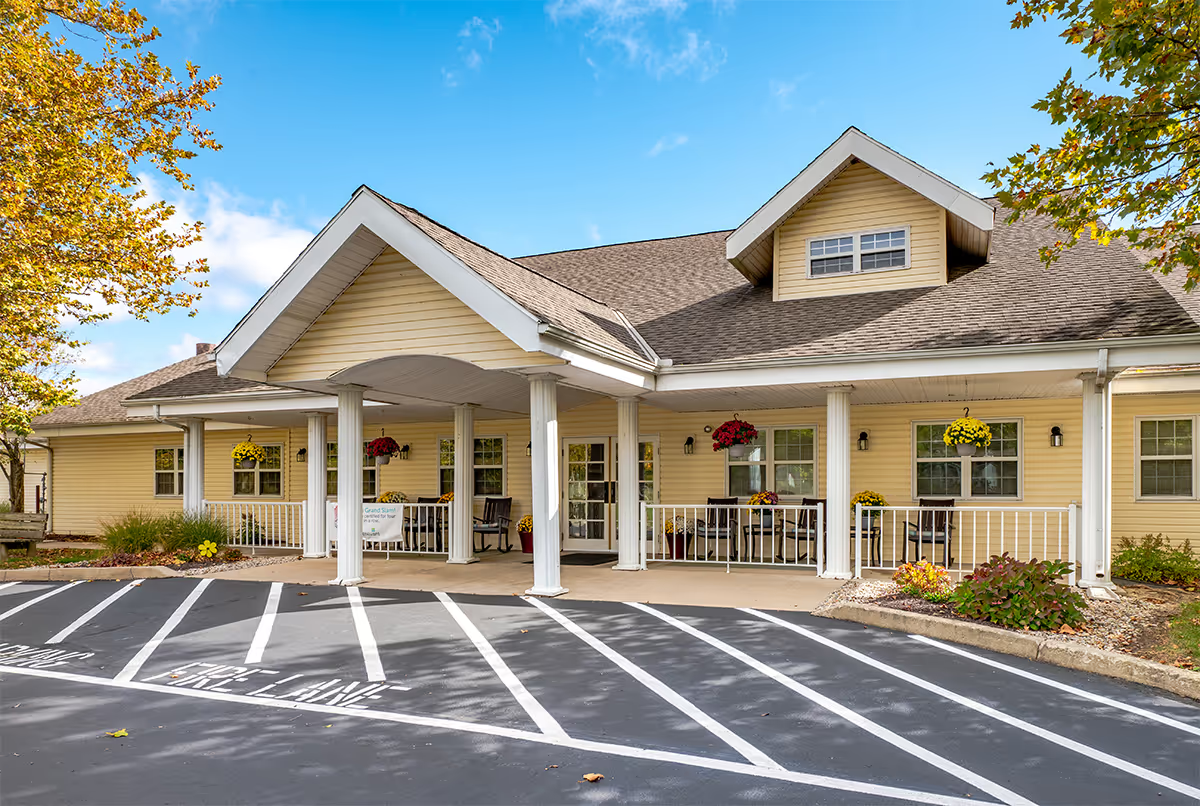
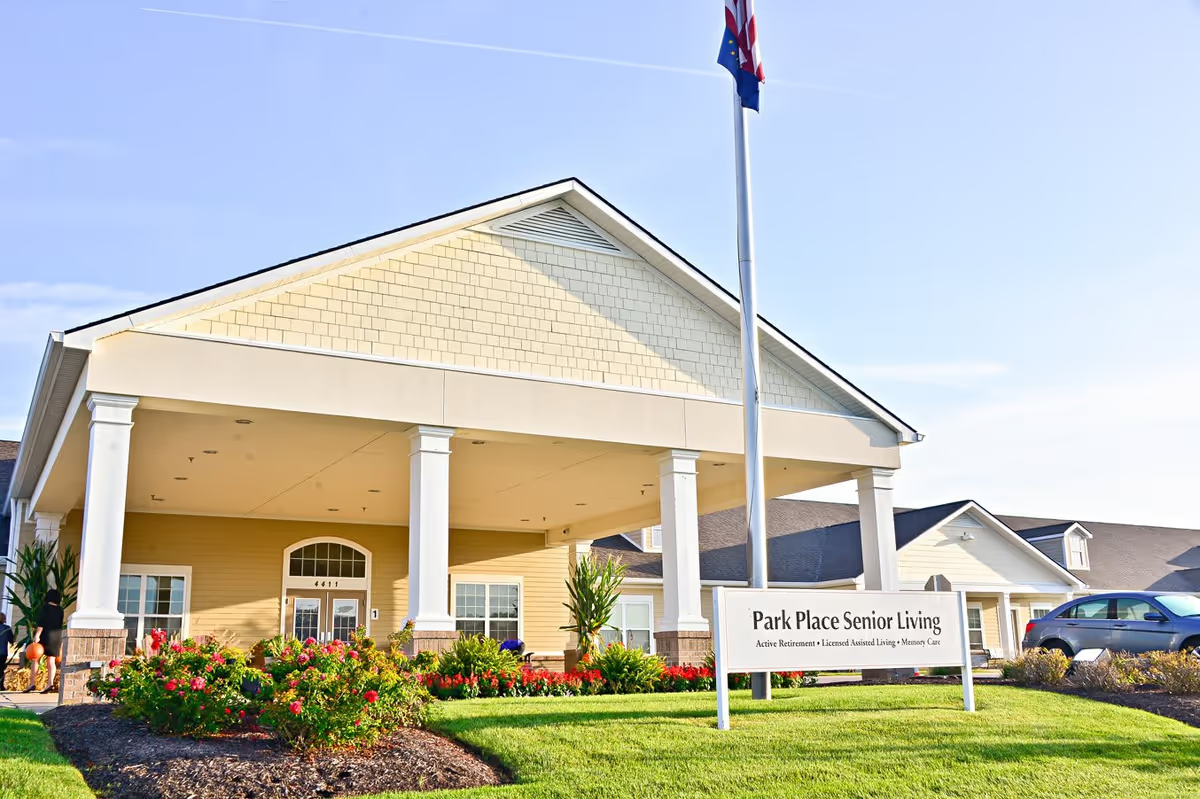
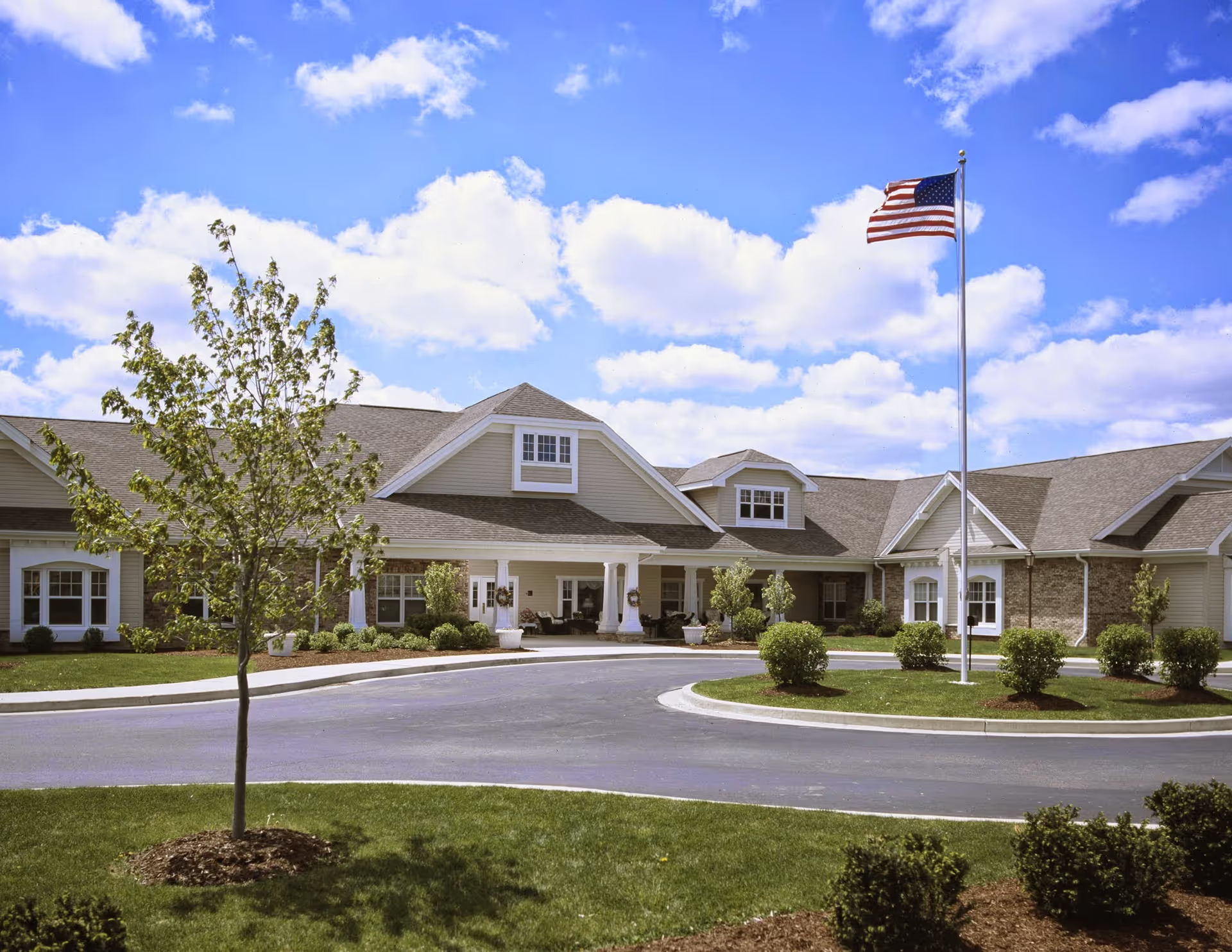
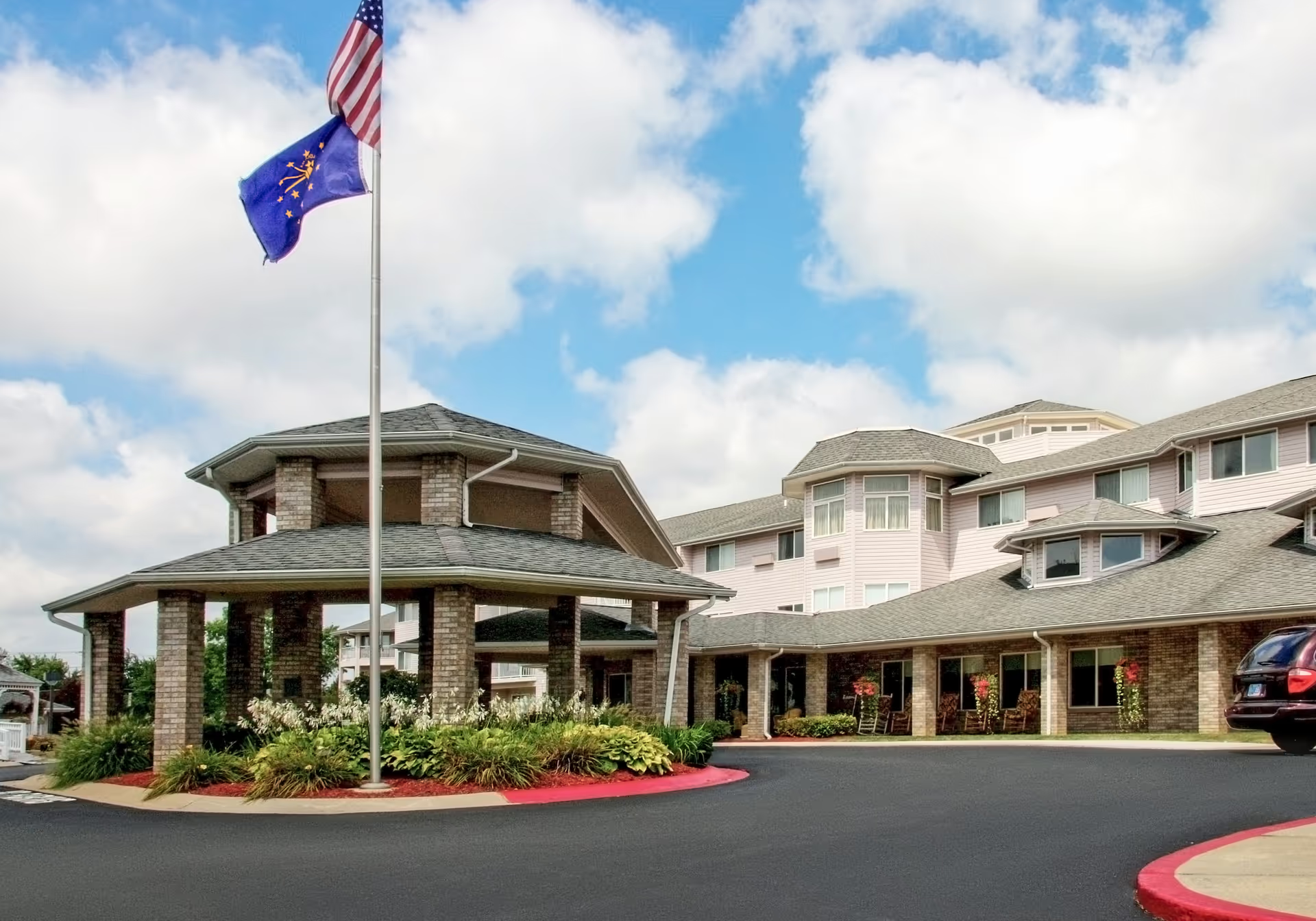
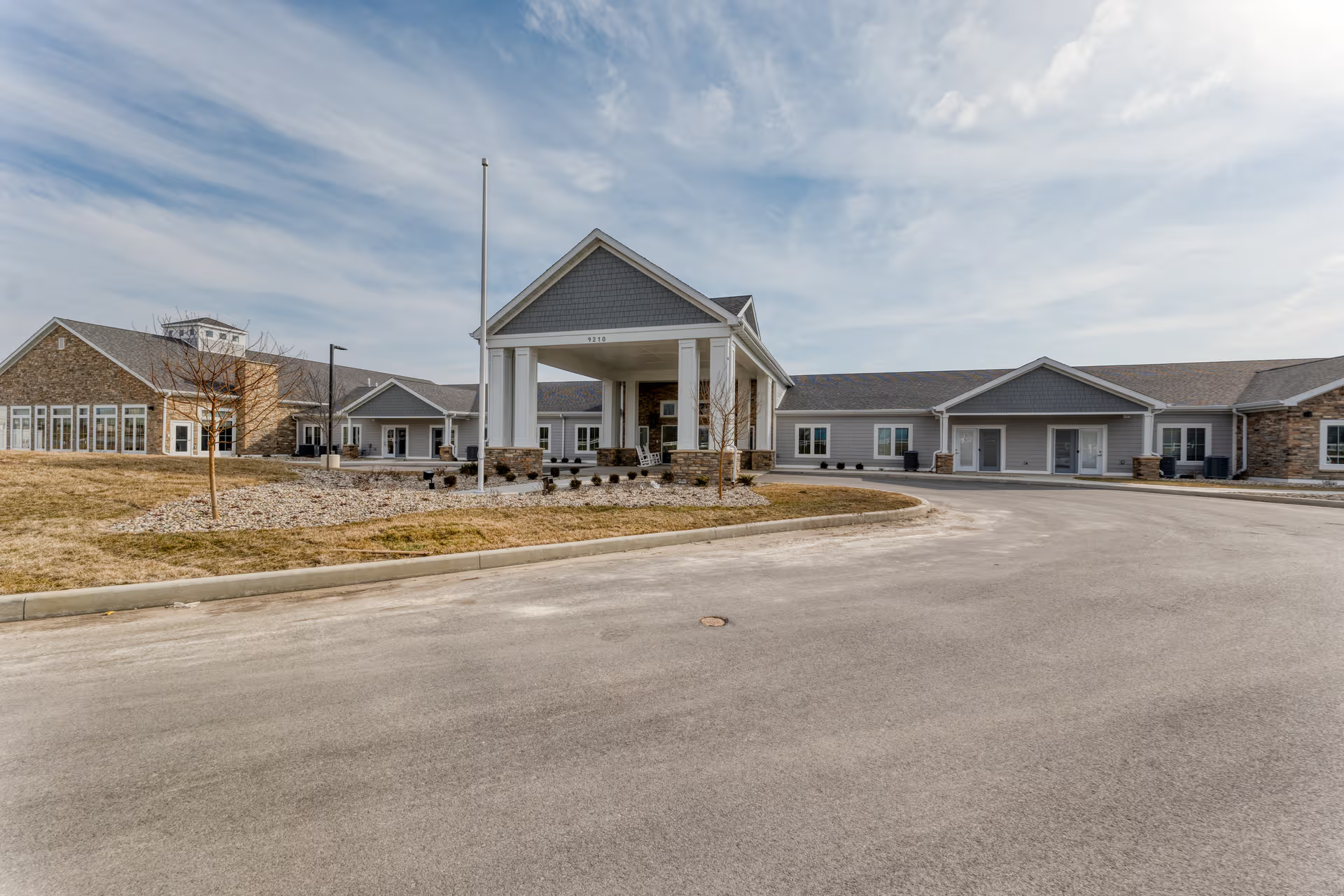
Facilities and dining are also commonly viewed positively. Cleanliness of resident rooms, tidy dining areas, fresh-smelling common spaces, and warm interior colors contribute to a welcoming atmosphere for visits and relaxation. The building appearance and layout are described as well-maintained, and rehabilitation services are available on-site.
However, there are recurring operational concerns that prospective residents and families should weigh. Several issues point to inconsistency in staff conduct and responsiveness: examples include delayed assistance to residents and variable bedside manner. Clinical-operational gaps are also a theme, with mentions of medication-management weaknesses and uneven clinical oversight that could affect care reliability.
Infection-control and sanitation emerged as distinct areas for scrutiny. Some reviewers describe sanitation and odor-control lapses in particular areas and note occasions when staff illness precautions were not consistently followed. Front-desk and reception processes are another weak point in some accounts, with instances of unhelpful intake interactions that left negative impressions.
Communication and management follow-up also show variability. Families highlighted lapses in timely outreach after adverse events and delayed or absent bereavement follow-up, indicating room for stronger family engagement and incident-response protocols. Together with the other operational gaps, these items suggest uneven management oversight across shifts or units.
In summary, Miller's Merry Manor appears to offer substantive strengths—compassionate, person-centered care, a dementia-capable environment, clean accommodations, active programming, and rehabilitation services—tempered by operational inconsistencies. Prospective residents and families should consider visiting multiple times, asking specific questions about medication oversight, infection-control procedures, staffing consistency, and family-communication protocols, and speak with both leadership and front-line staff to evaluate whether the facility’s strengths are reliably applied to meet an individual’s needs.