Overall impression: Waterford Crossing is described predominantly as a well-kept, newer senior living community with a strong emphasis on social engagement, good dining, and staff who are viewed as compassionate and resident-focused. Reviewers consistently praise the culinary team, the breadth of activities, and the welcoming campus atmosphere; many families highlight attentive caregivers, meaningful social programming, and effective rehabilitation when available.
Care and staff: The facility receives frequent commendation for its caregiving staff — nurses, nursing assistants, and memory-care workers are commonly characterized as kind, patient, and invested in residents' wellbeing. Several reviewers singled out physical-therapy and occupational-therapy teams as helpful and effective; however, there are recurring comments about limited therapy capacity or scheduling constraints during periods of high demand. Operationally, reviews indicate occasional staffing shortfalls that have affected routine personal-care tasks, and there are isolated examples of brusque interactions. Taken together, the pattern suggests generally strong person-centered care with intermittent consistency challenges tied to staffing and shift communication.
Dining and activities: Dining is a major strength. Multiple reviewers describe high-quality meals, varied menus, themed dining events, and a welcoming dining staff — even mentions of 24/7 ice cream and enthusiastic culinary leadership. The activities program is robust and diverse, with regular social hours, exercise groups, worship services, intergenerational visits, and thoughtful programming that families found engaging and resident-centered. The activity department is frequently described as creative and effective at fostering community.
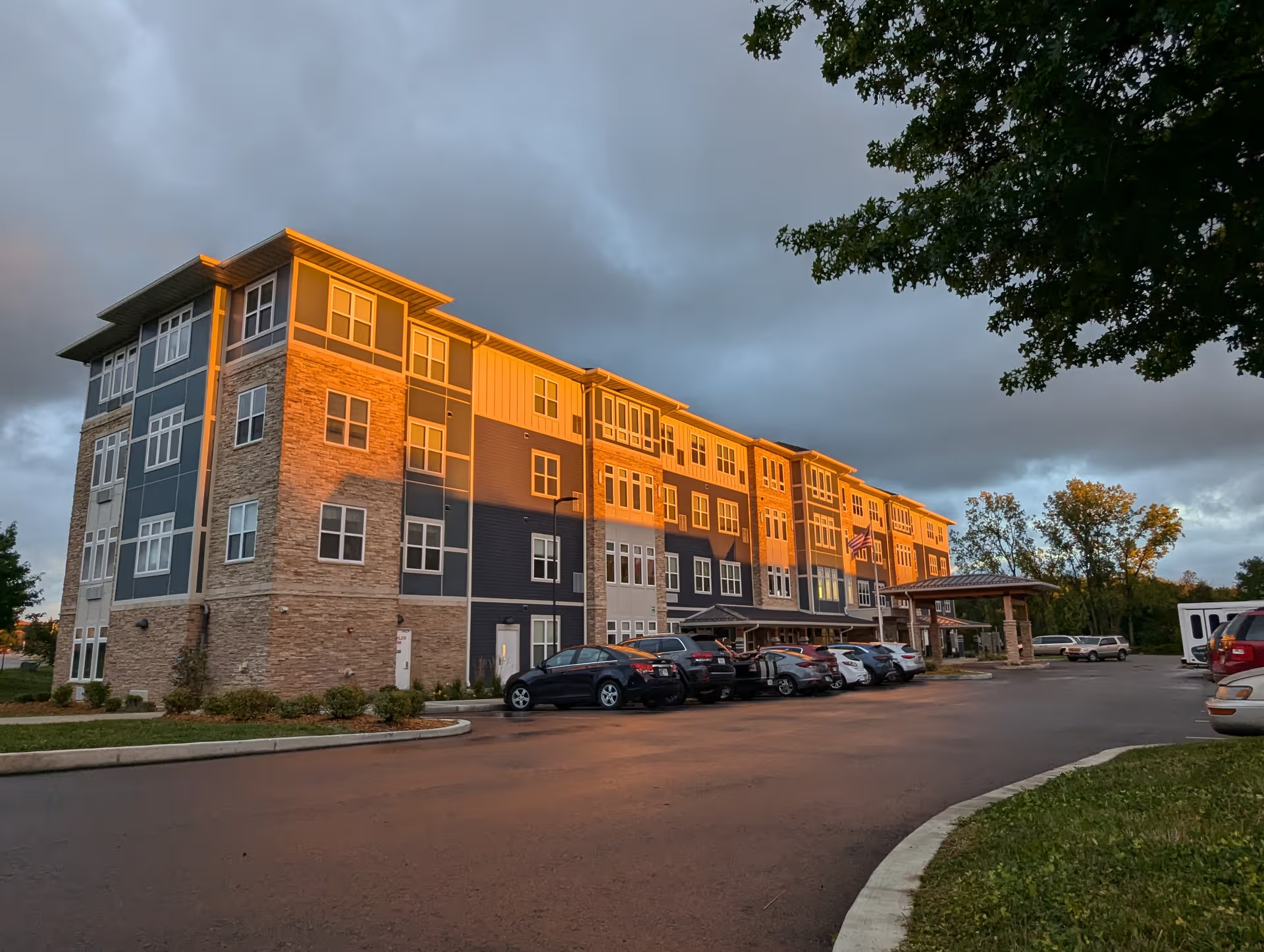
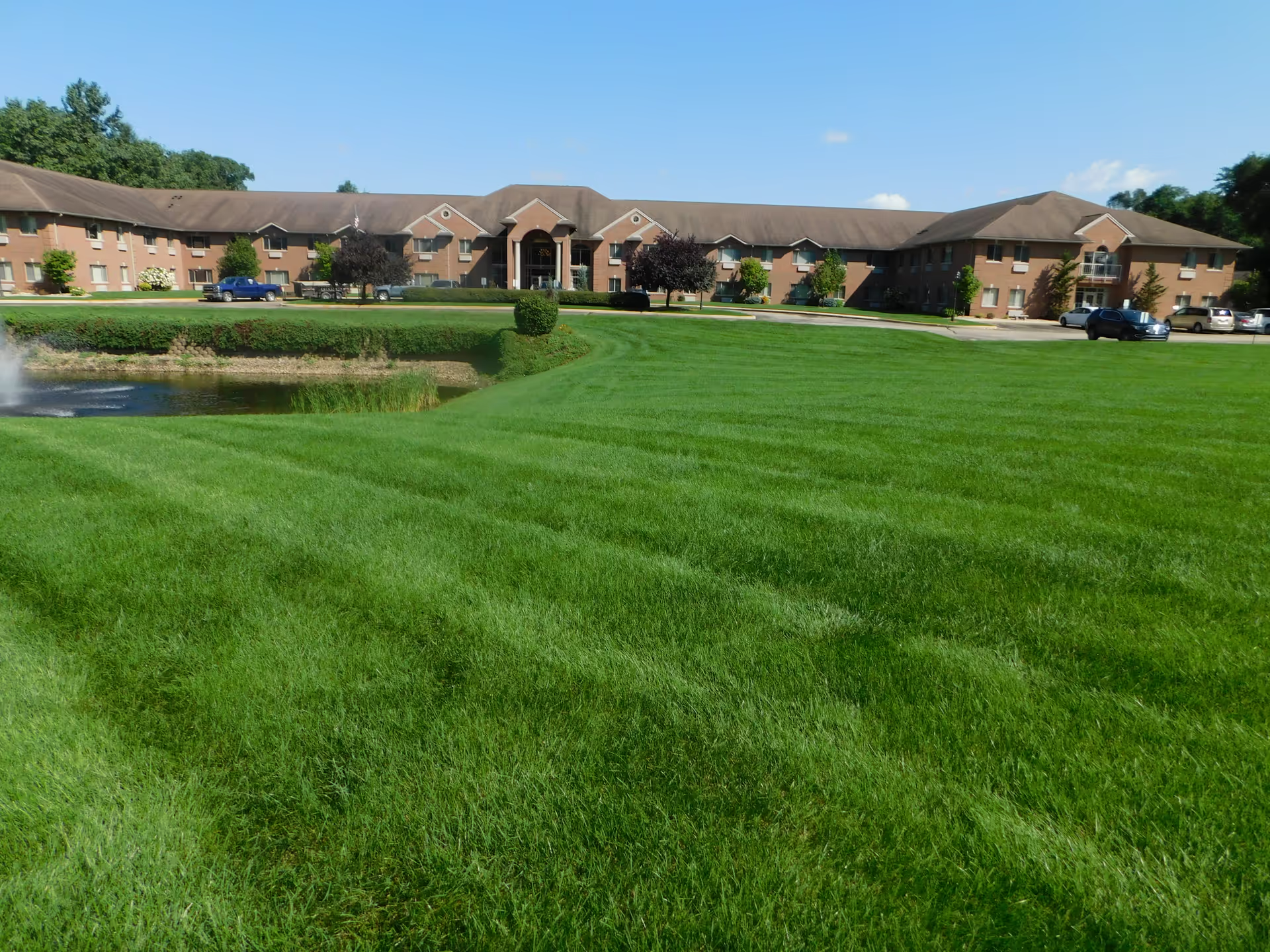
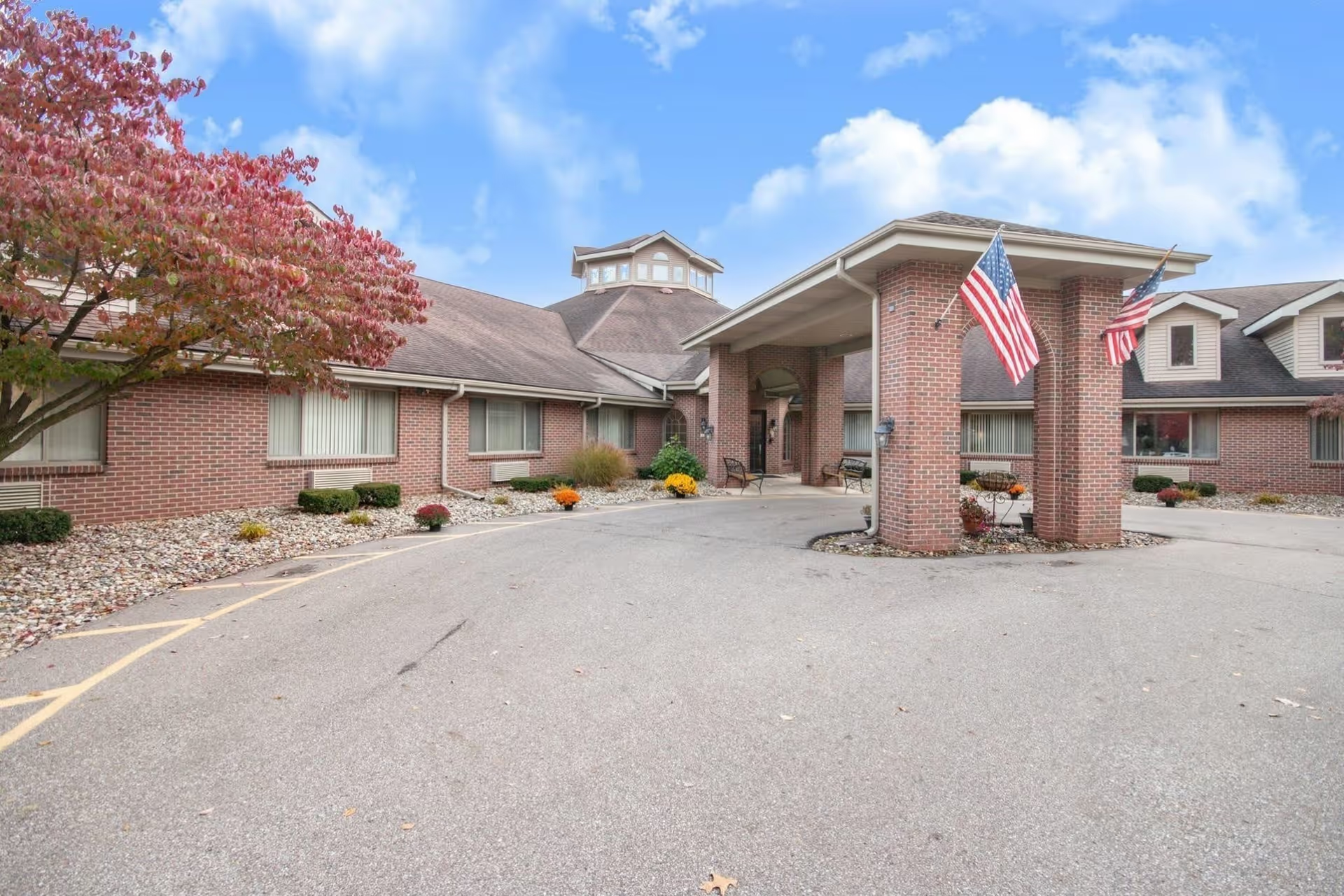
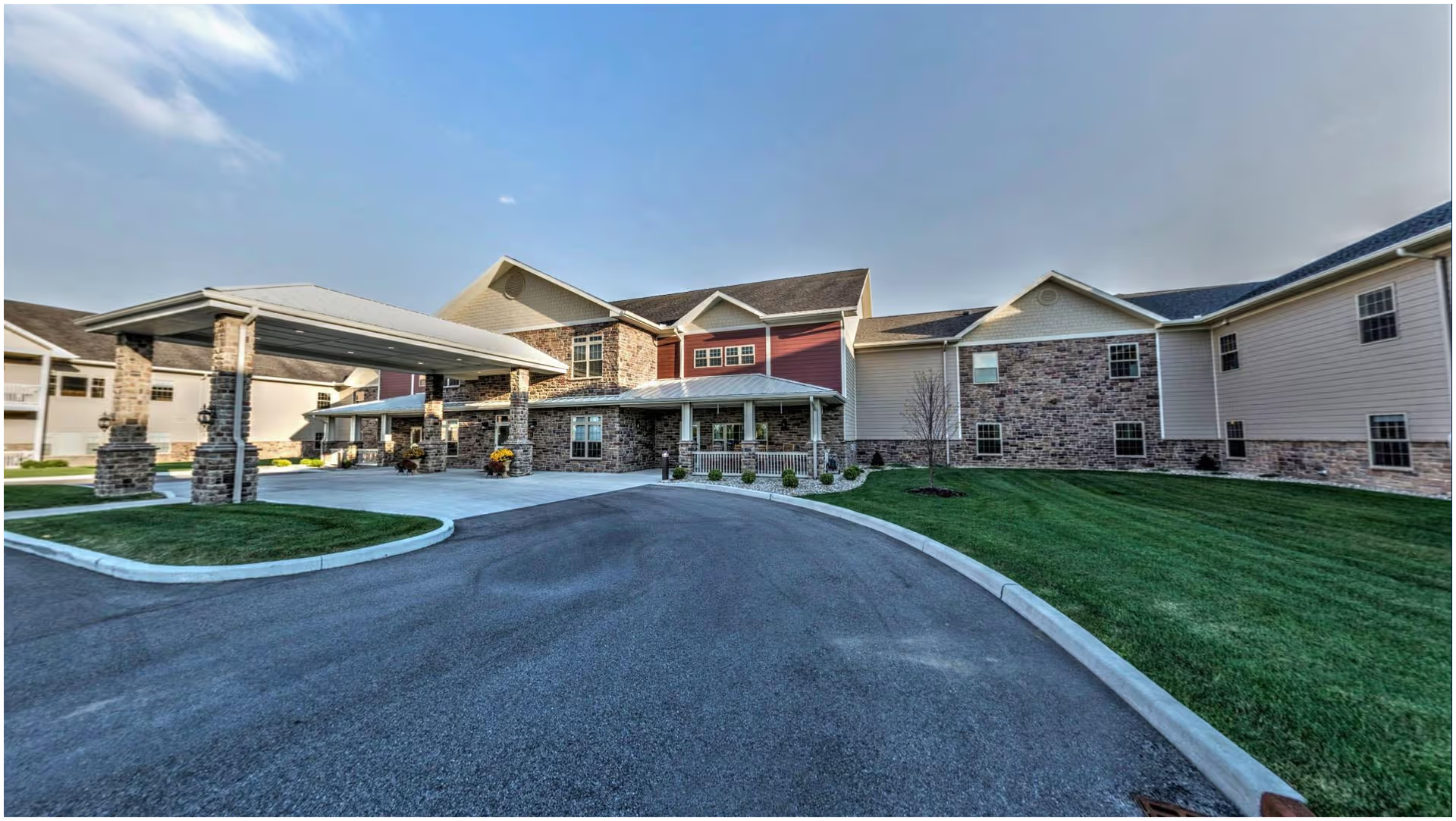
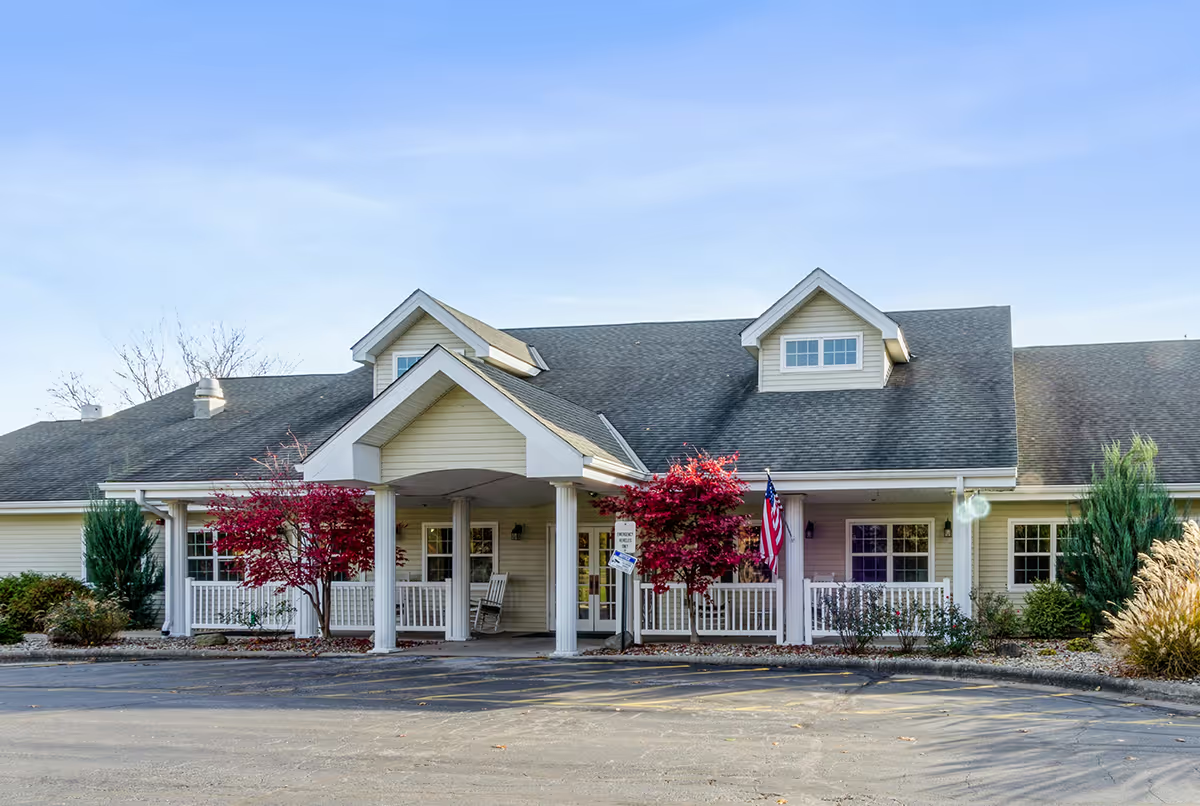
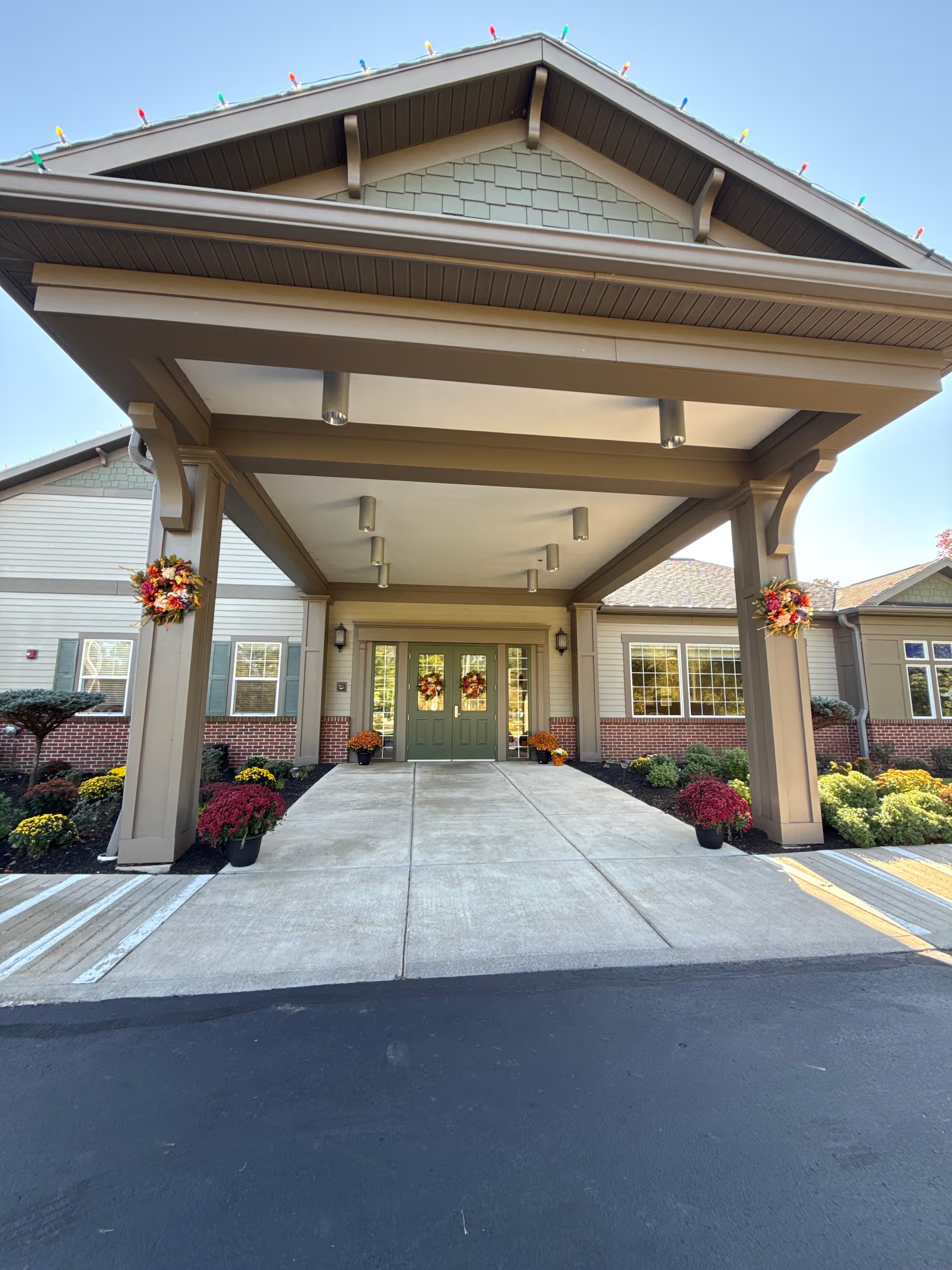
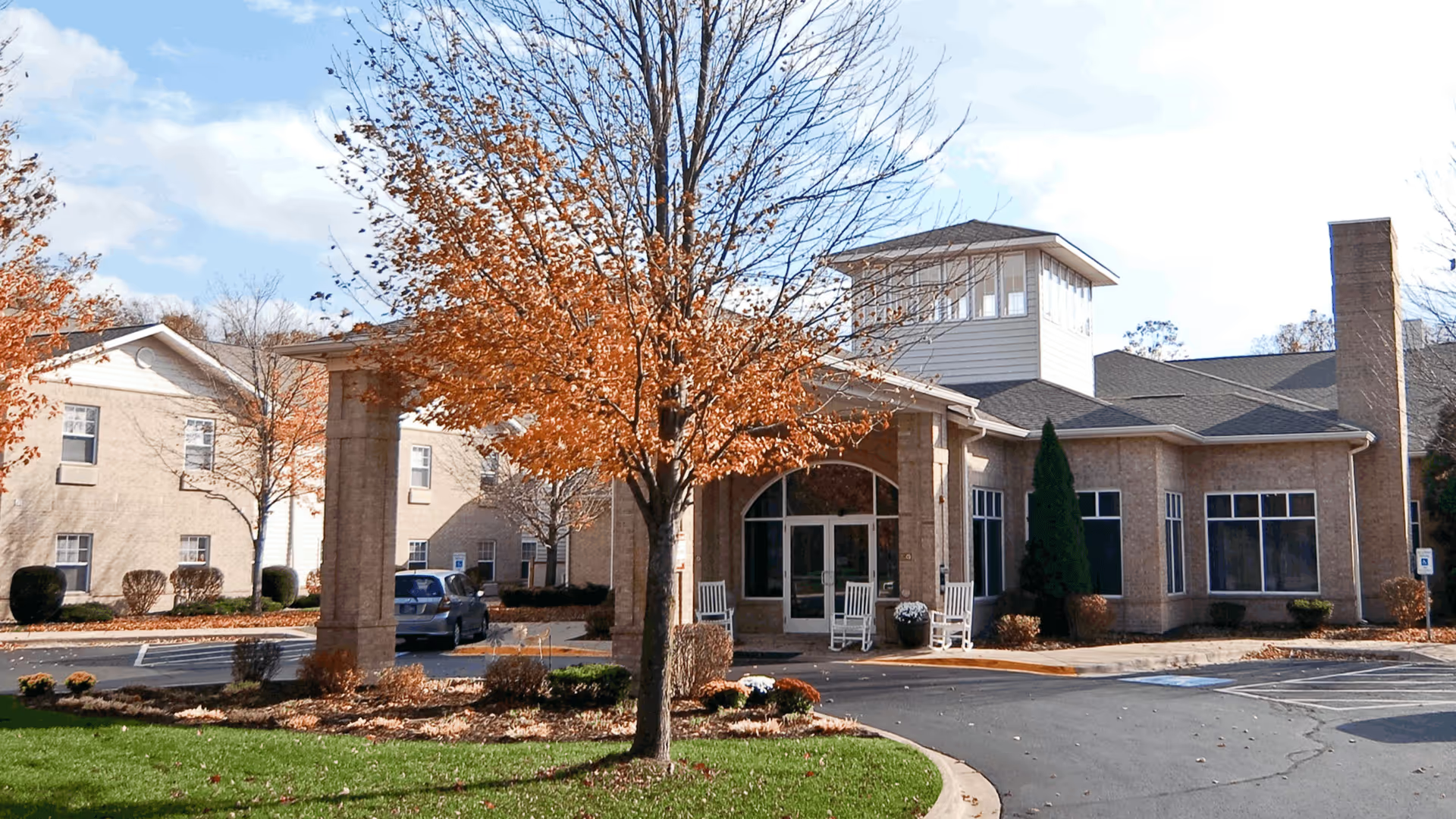
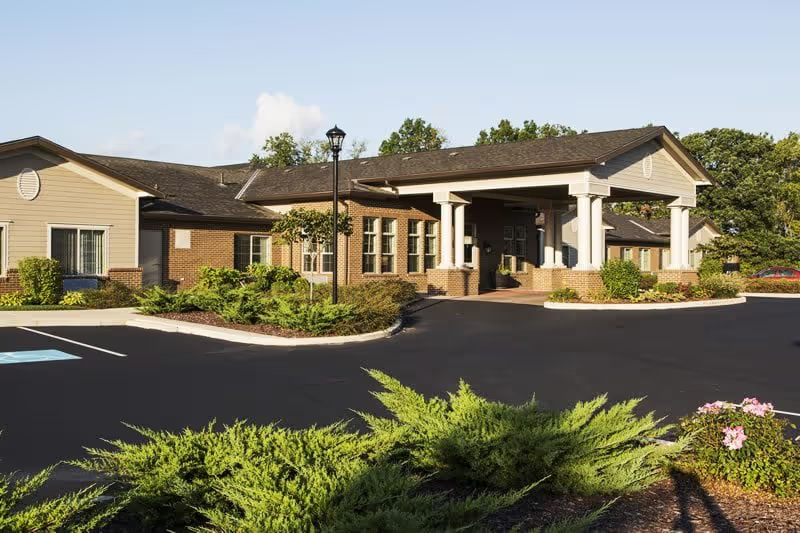
Facilities and safety: The physical plant is noted as newer, bright, and spacious with pleasant outdoor amenities such as pond views, gazebo seating, and a village-like layout in some areas. On-site conveniences (laundry, beautician, transportation for appointments) add to resident convenience. At the same time, reviewers raised facility-level safety and infrastructure concerns: carpeting that may impede mobility, unclear campus entrances and signage that create access confusion, and vulnerabilities in emergency systems — specifically, lack of backup power in some assisted-living areas and reported nonfunctional call/phone systems. These items suggest maintenance and emergency-preparedness gaps that merit verification during a tour.
Management, operations, and notable patterns: Management is described in mixed terms — many families praise responsive front-desk staff and smooth registration, while other accounts cite communication breakdowns across shifts and concerns about managerial responsiveness when incidents arise. Medication-management inconsistencies and pharmacy coordination issues are recurring operational weaknesses in the reviews, including delays in administration and higher pharmacy costs; these reflect systemic process areas rather than single events. There are also mentions of occasional lost personal items, pointing to gaps in personal-property controls. Overall, the dominant pattern is a community with strong caregiving culture and excellent social programming, tempered by intermittent operational vulnerabilities in clinical processes, staffing continuity, emergency readiness, and facility signage.
What prospective families should note: Waterford Crossing appears to offer a high level of social engagement, dining quality, and resident-focused staff. Families evaluating the community may wish to ask about current therapy staffing and scheduling, medication-administration protocols and pharmacy arrangements, backup power and call-system testing, staff-to-resident ratios on relevant units, and wayfinding/entrance signage. These targeted questions will help confirm that the positive care culture described by many reviewers is supported by consistent operational systems.