Overall impression: Springhurst Health Campus elicits a broadly mixed but predominantly positive set of impressions. Many families and residents praise the facility’s rehabilitation program, the quality of nursing and caregiving, the pleasant physical environment, and the range of social activities. At the same time, a minority of accounts describe serious clinical concerns and operational gaps that prospective residents and families should evaluate closely.
Care and clinical services: Numerous reviewers describe strong clinical and rehabilitative care, citing successful therapy outcomes and compassionate nursing support. The facility also receives positive mention for end-of-life and hospice involvement, with staff helping families navigate transitions and ceremonial recognitions. However, some accounts raise concerns about clinical monitoring and response—specifically wound prevention and infection-control practices, medication handling, and timeliness of clinical interventions. These items suggest variability in clinical reliability between cases; families should ask about staffing ratios, wound-care protocols, medication-administration safeguards, and how clinical changes are escalated and communicated.
Staff and communication: Staff are frequently described as friendly, cheerful, and family-oriented, with individual employees singled out for strong customer service and helpfulness (including maintenance and business-office personnel). That said, there is notable variability in staff responsiveness and attitude: long wait times for assistance, delayed responses to call lights, inconsistent bedside assistance, and occasional concerns about staff conduct and training were reported. Communication with families is similarly mixed—some reviewers detail regular, clear updates and inclusion in events, while others cite poor phone responsiveness, unanswered voicemails, and inconsistent care-plan communication. Prospective families should inquire about shift staffing, family-update practices, and point-of-contact procedures.
Dining and activities: Dining receives frequent praise for taste and variety, with multiple references to enjoyable meals and good kitchen staff. Activity programming and communal life are highlighted as strengths—residents are described as engaged, with plentiful events, outings, and on-site amenities that support socialization and quality of life. A few reviewers noted meal delays or inadequate weekend coverage; confirming meal-service hours and weekend staffing levels is advisable for those evaluating the facility.
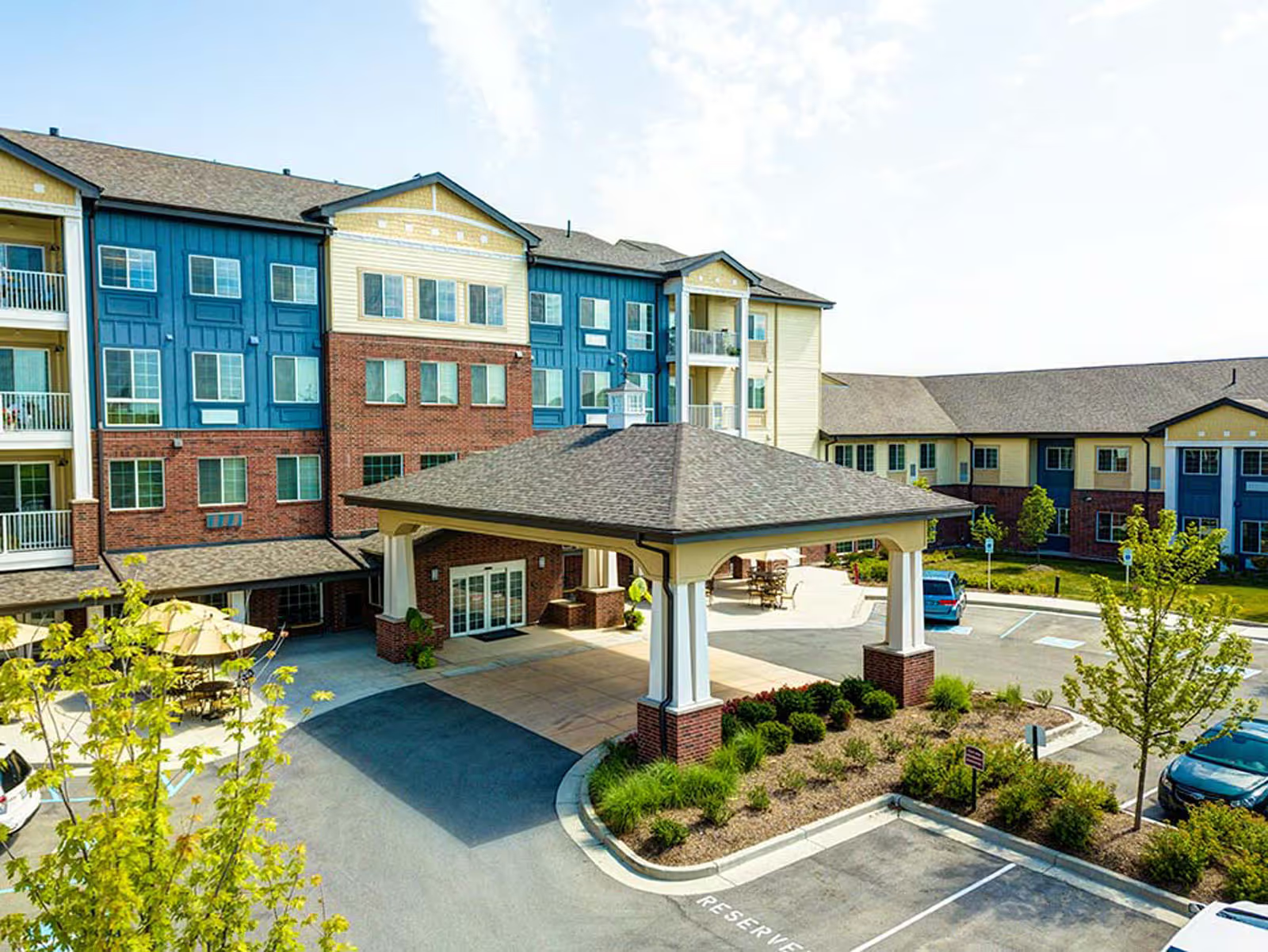
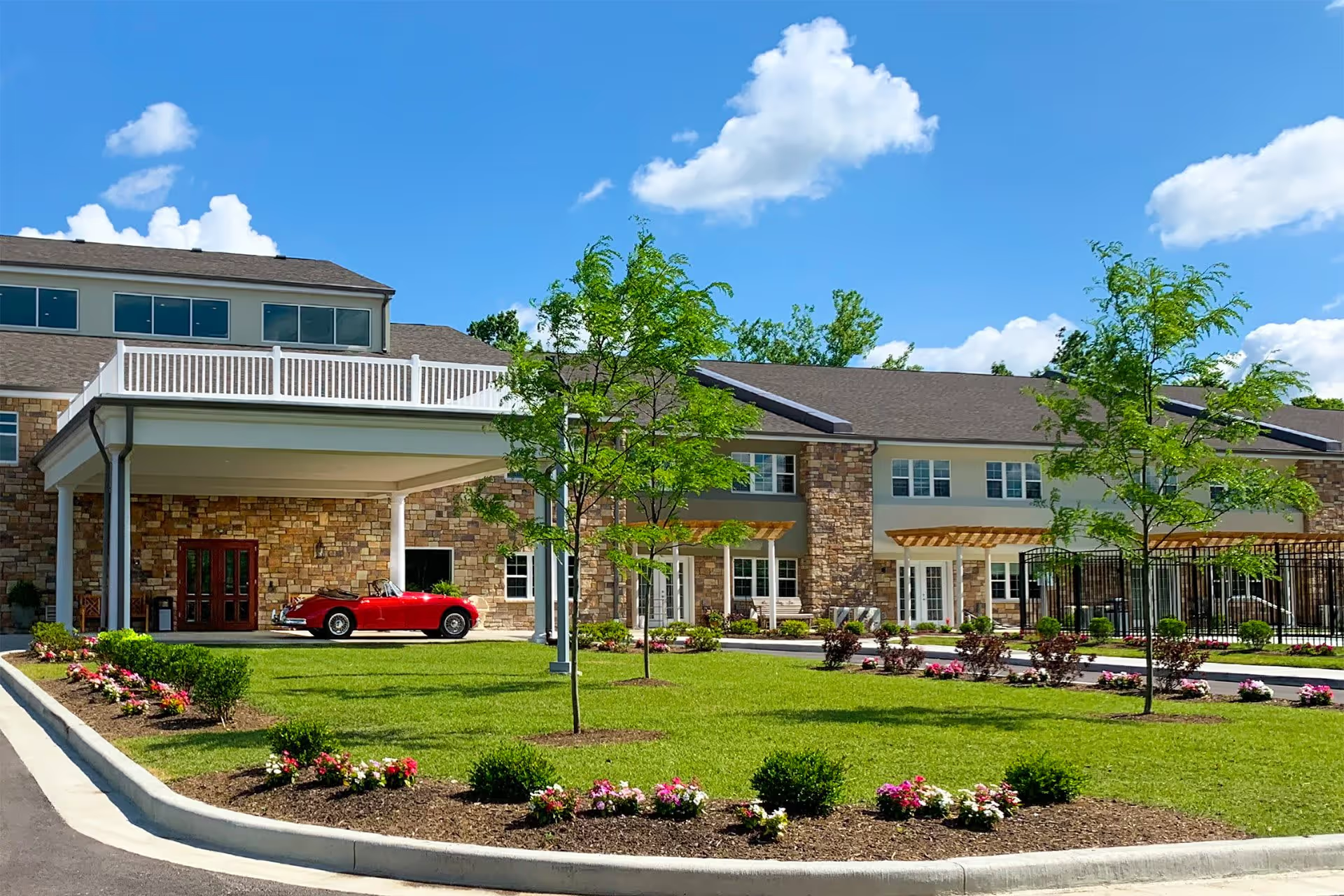
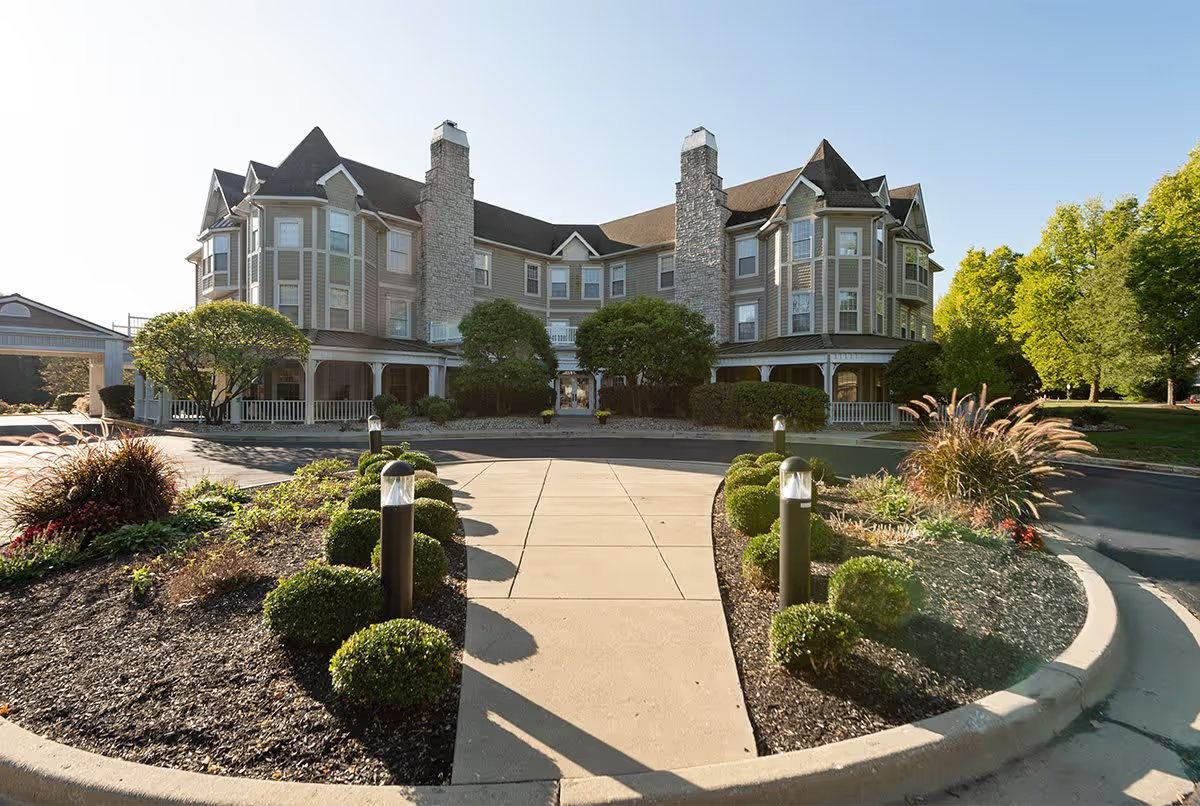
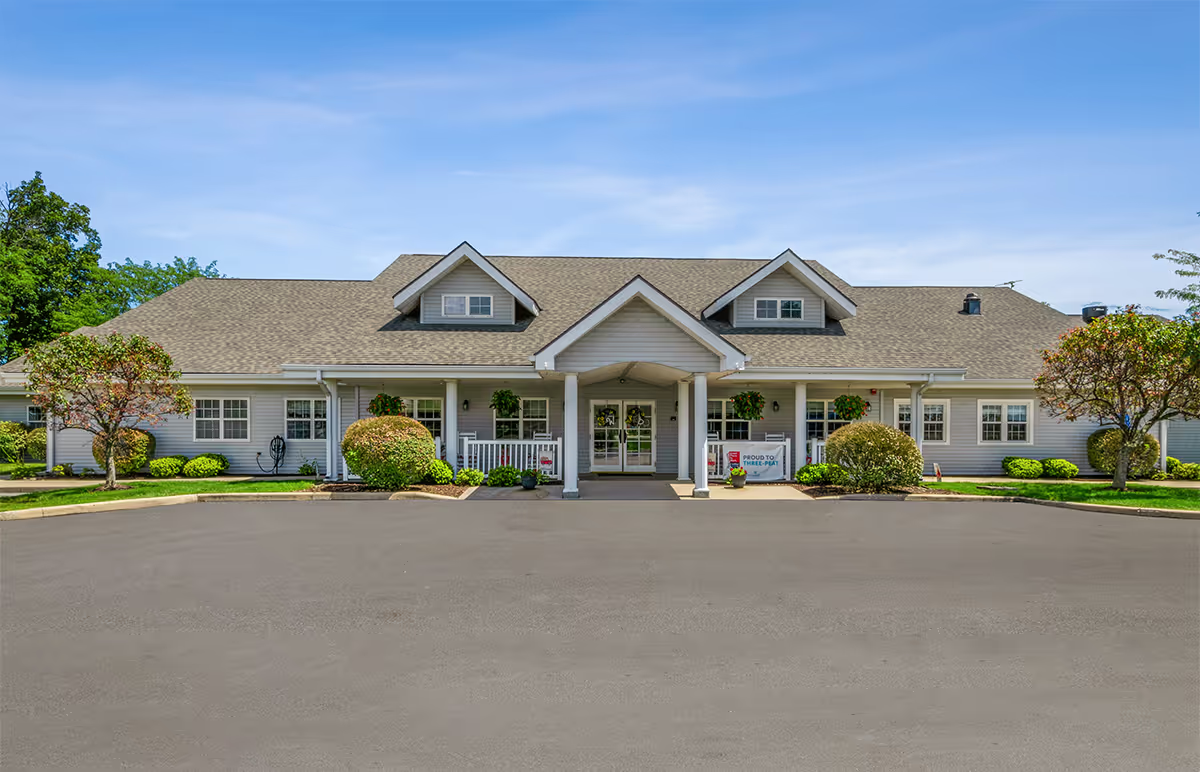
Facilities and operations: The campus is commonly described as clean, attractive, and well-maintained, with private rooms and en-suite bathrooms available, plus amenities such as a gym, salon, game room, and pleasant outdoor space. Maintenance staff are repeatedly praised. Countervailing reports reference sanitation inconsistencies (including odor concerns in areas), housekeeping lapses such as linen management, and isolated safety-related issues such as falls or transfer-practice gaps. These operational weaknesses point to variability in daily housekeeping and resident-assist processes rather than uniform facility-wide failure.
Management, access, and cost: Administrative staff — including business-office personnel — receive favorable mention for helpfulness. At the same time, several reviewers cite high cost and limited acceptance of financial-assistance programs, along with shortages of Medicaid beds. Customer-service issues such as misdelivered packages and voicemail responsiveness were raised by some families. Prospective residents should clarify billing policies, payer acceptance, and the facility’s process for resolving customer-service problems.
What to watch for and recommended questions: The overall pattern is one of many residents thriving and praising rehabilitation, food, and social life, with a subset of serious operational and clinical concerns. During a tour or intake, ask for current staffing levels and turnover rates, protocols for infection prevention and wound care, medication-administration checks, documentation of clinical-monitoring practices, weekend staffing and meal schedules, linen- and housekeeping protocols, and examples of family-communication routines. Request references from recent families and, if possible, review recent inspection or quality reports. These steps will help families weigh the facility’s clear strengths against the areas where reviewers suggest variability in reliability and oversight.