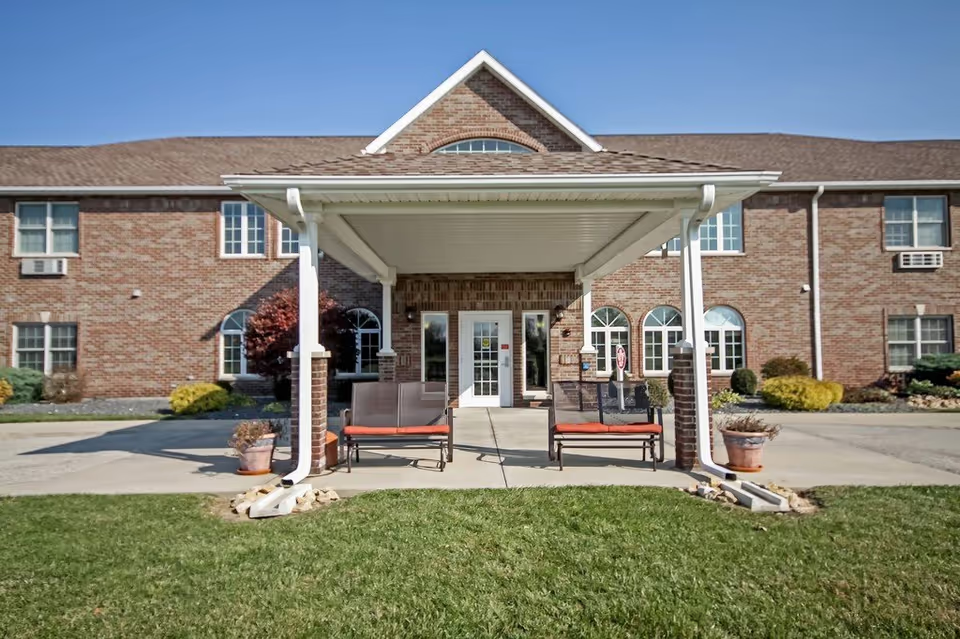
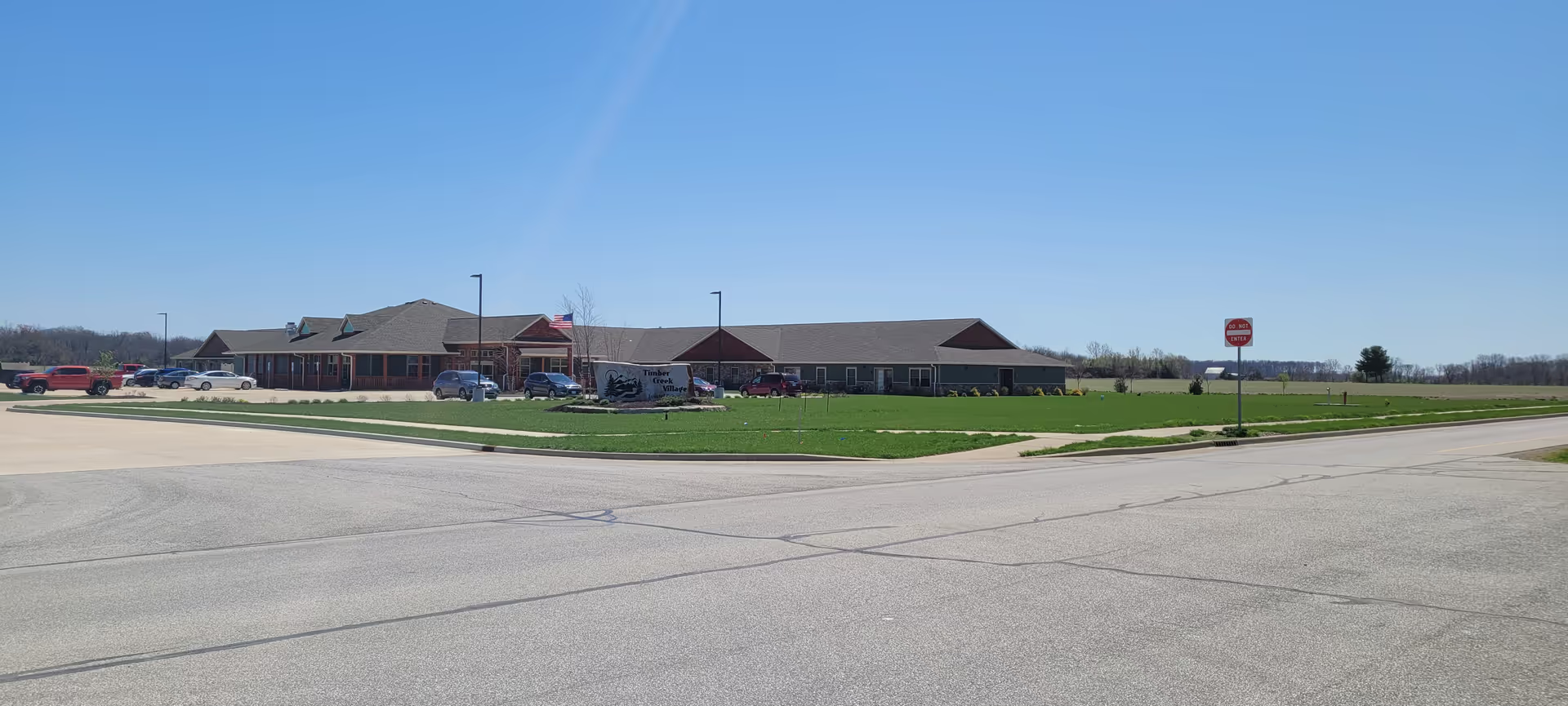
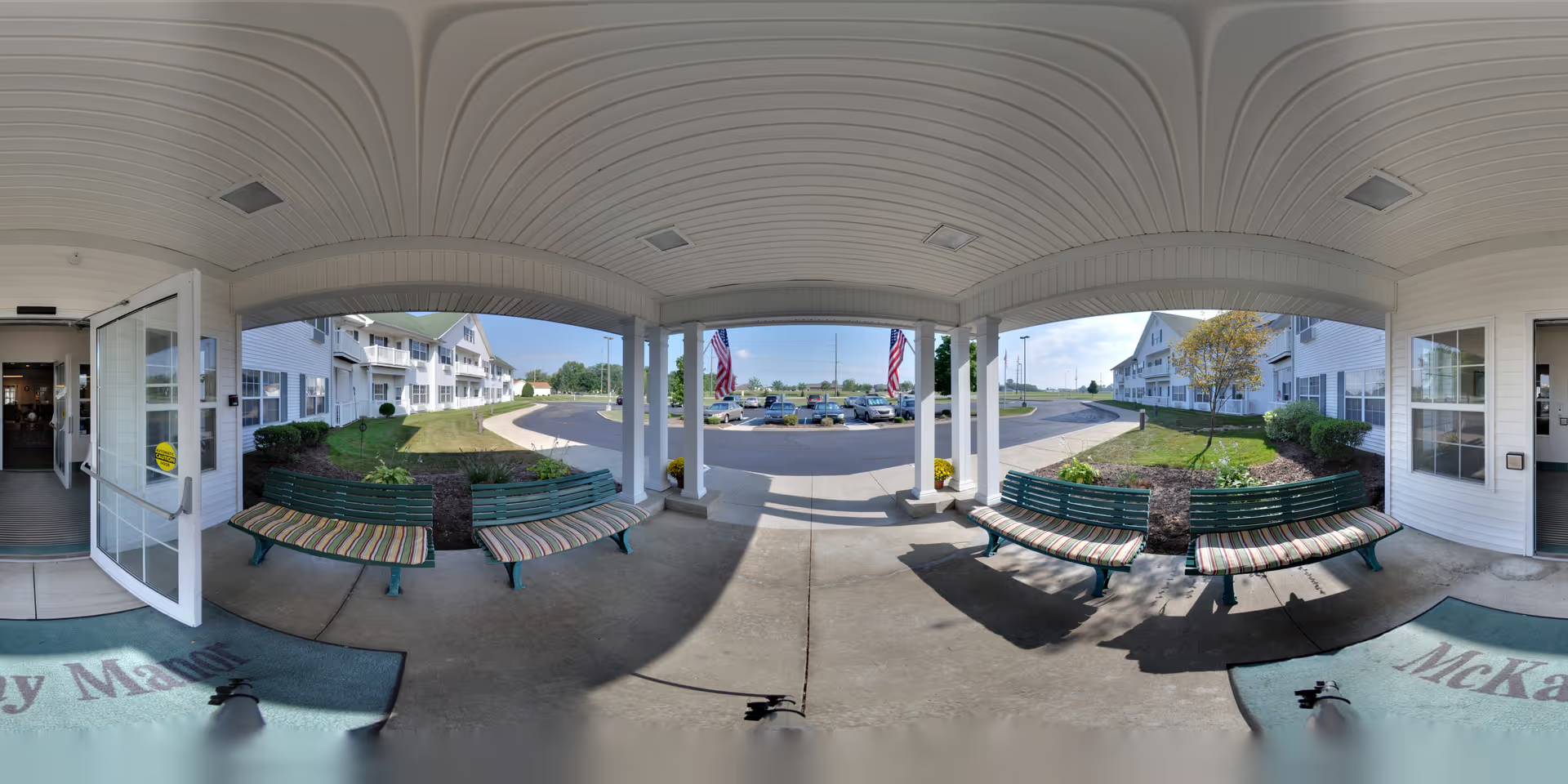
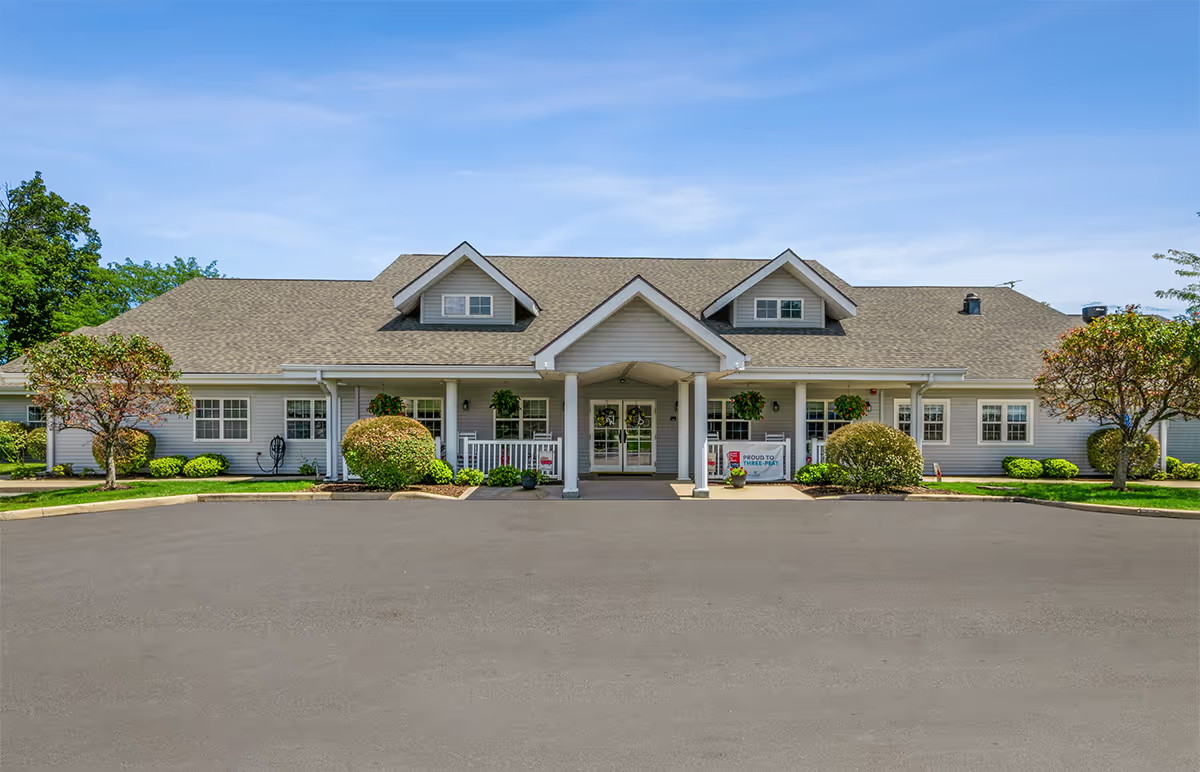
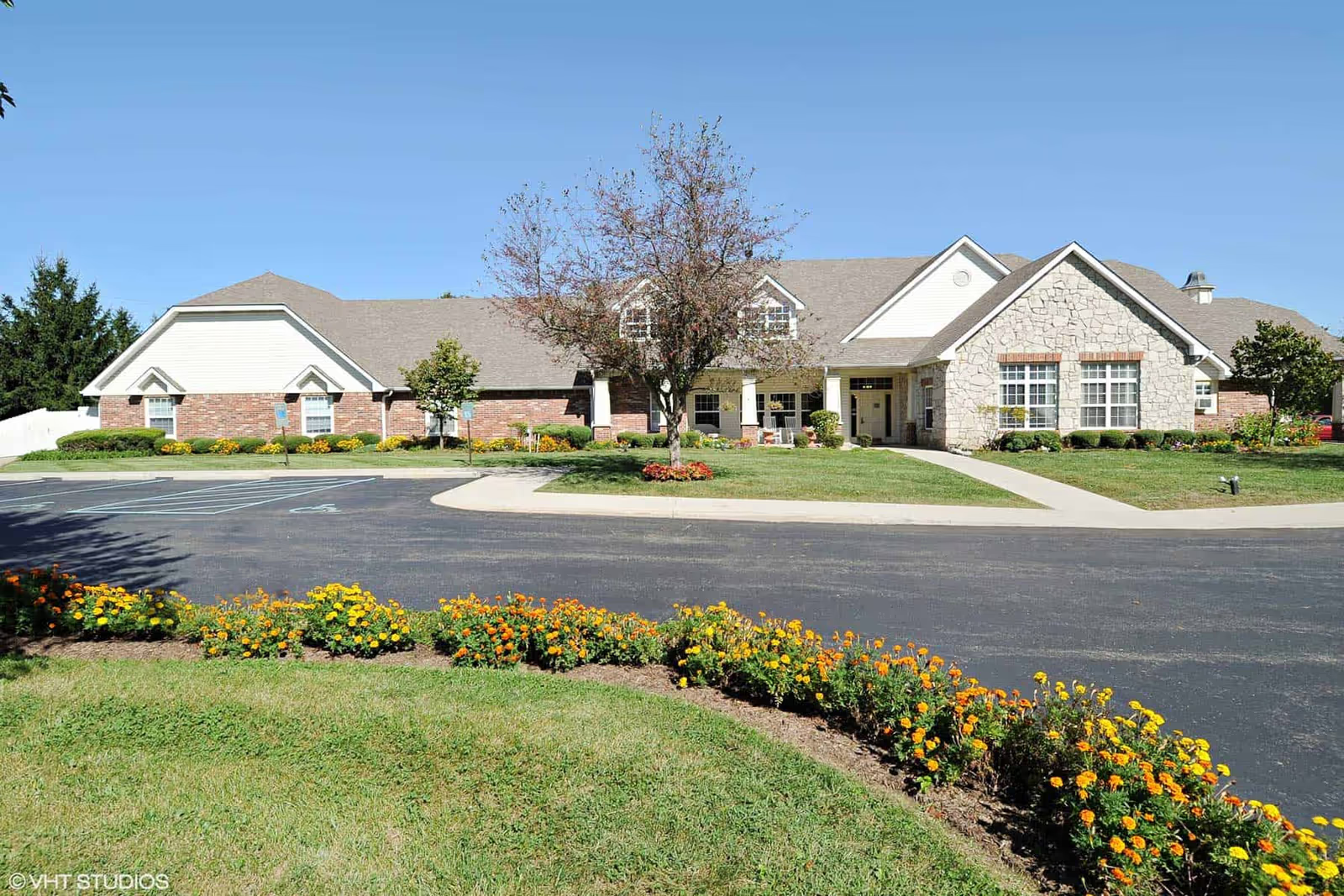
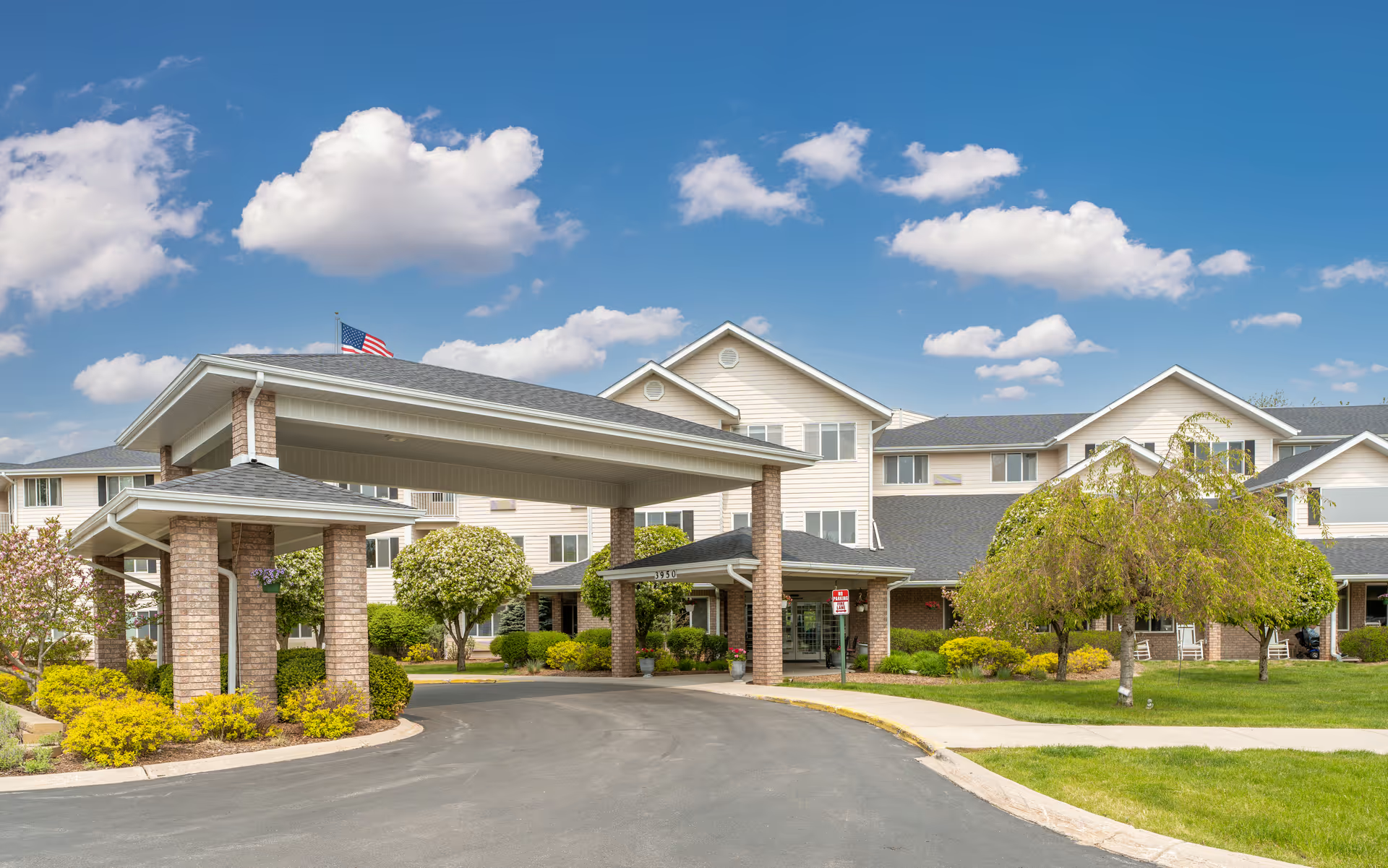
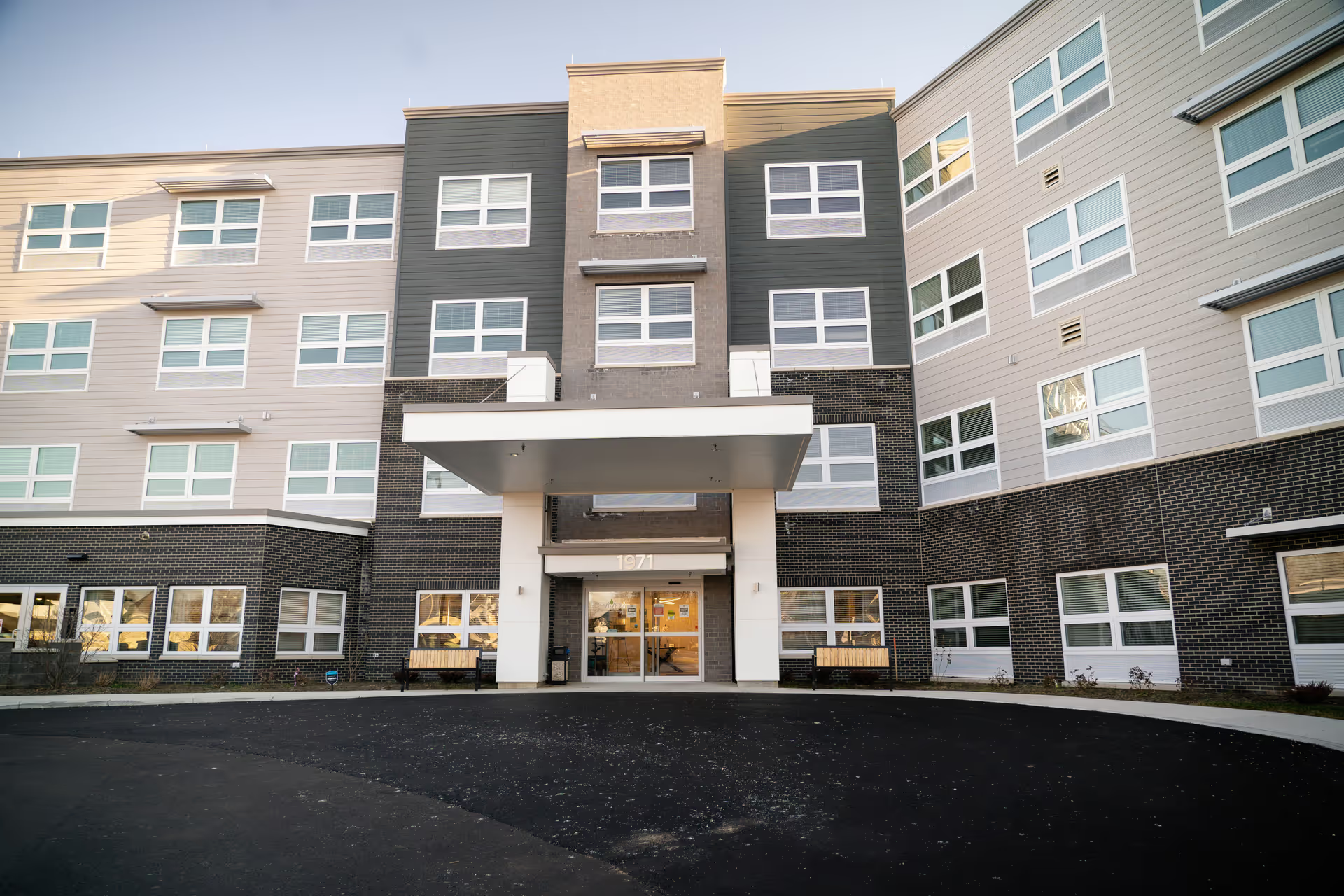
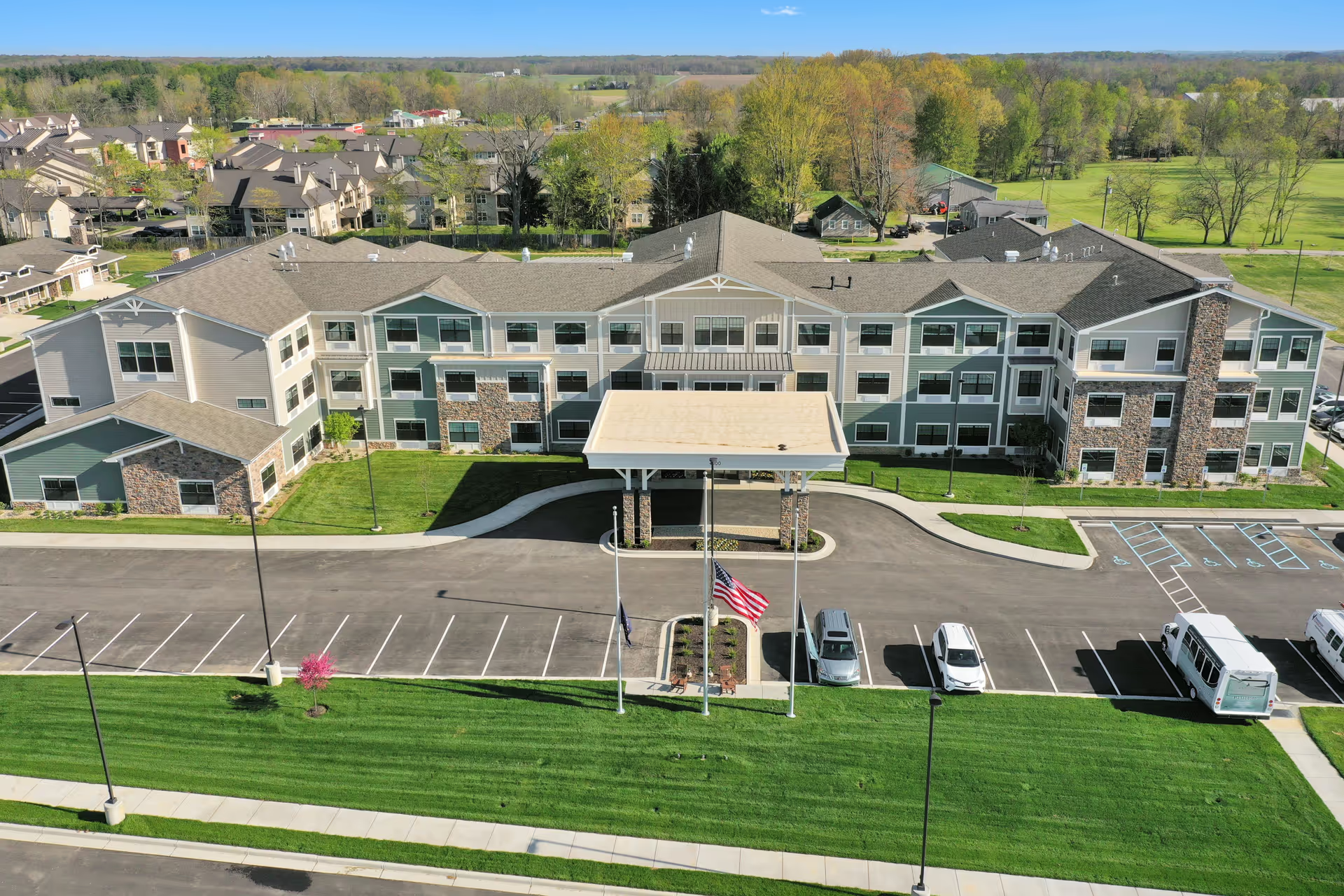
Overall impression: Reviews present a largely positive view of the facility's culture and environment while also flagging discrete but serious operational concerns. Many comments emphasize a welcoming, family-like community with staff who are caring, team-oriented, and resident-focused. The building and resident rooms are described as clean and spacious, and the activity program is viewed as active and engaging. These strengths contribute to a homelike atmosphere that families and staff frequently praise.
Care quality: Positive remarks center on warm interpersonal care and a focus on residents' needs. At the same time, reviewers raised clinical concerns that point to operational weaknesses rather than isolated compliments: inconsistencies in meal-assistance and reported lapses in medication handling and follow-through. These accounts suggest variability in day-to-day clinical execution—particularly around feeding assistance and pain-management continuity—that could lead to uneven resident experience depending on shift or unit.
Staff and management: Staff are commonly described as friendly, appreciative, and collaborative; management is noted for supporting teamwork and creating a learning environment for employees. This supportive culture appears to be a clear organizational strength. However, concerns about responsiveness and attentiveness indicate that staffing patterns, training reinforcement, or supervision practices may not always ensure consistent execution of care tasks. There are also indications of gaps in documentation and follow-up processes that affect clinical oversight.
Dining, activities, and facilities: The facility receives positive comments for clean, spacious rooms and a warm, homelike atmosphere. The activity roster is viewed favorably, offering residents engagement and social opportunities. Dining oversight is an area of concern when it comes to assistance and scheduling rather than the physical dining environment itself; prospective families should clarify how meal assistance is managed across shifts.
Notable patterns and recommendations: The dominant pattern is one of strong relational care and a pleasant physical environment combined with intermittent operational weaknesses affecting clinical consistency—especially around meal assistance, medication control, and staff responsiveness. Prospective residents and families may wish to ask about staffing ratios, medication storage and tracking procedures, meal-assistance protocols, shift-to-shift handoffs, and how management addresses and documents care concerns. These inquiries can help determine whether the facility’s supportive culture is matched by robust clinical controls and consistent care delivery.