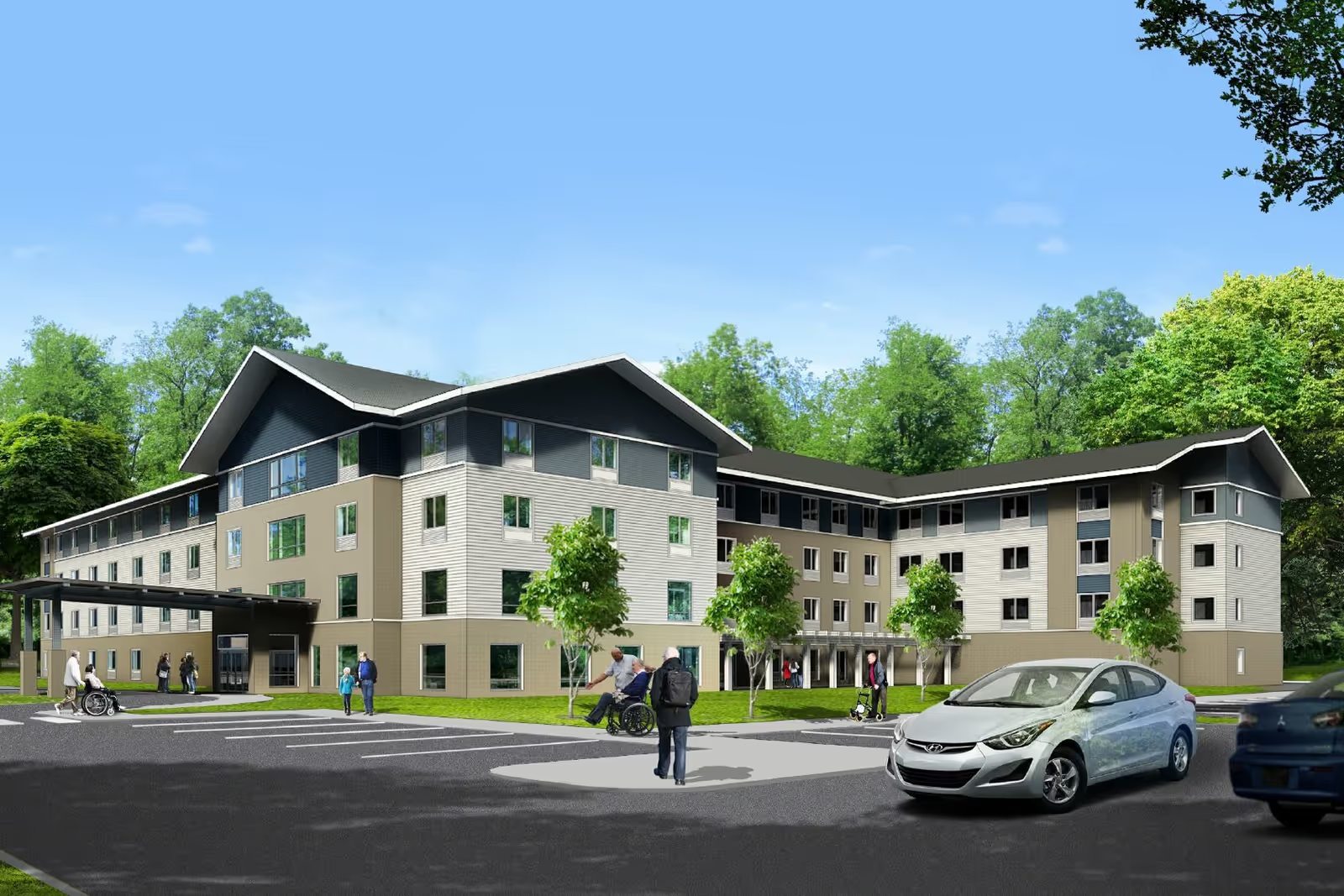
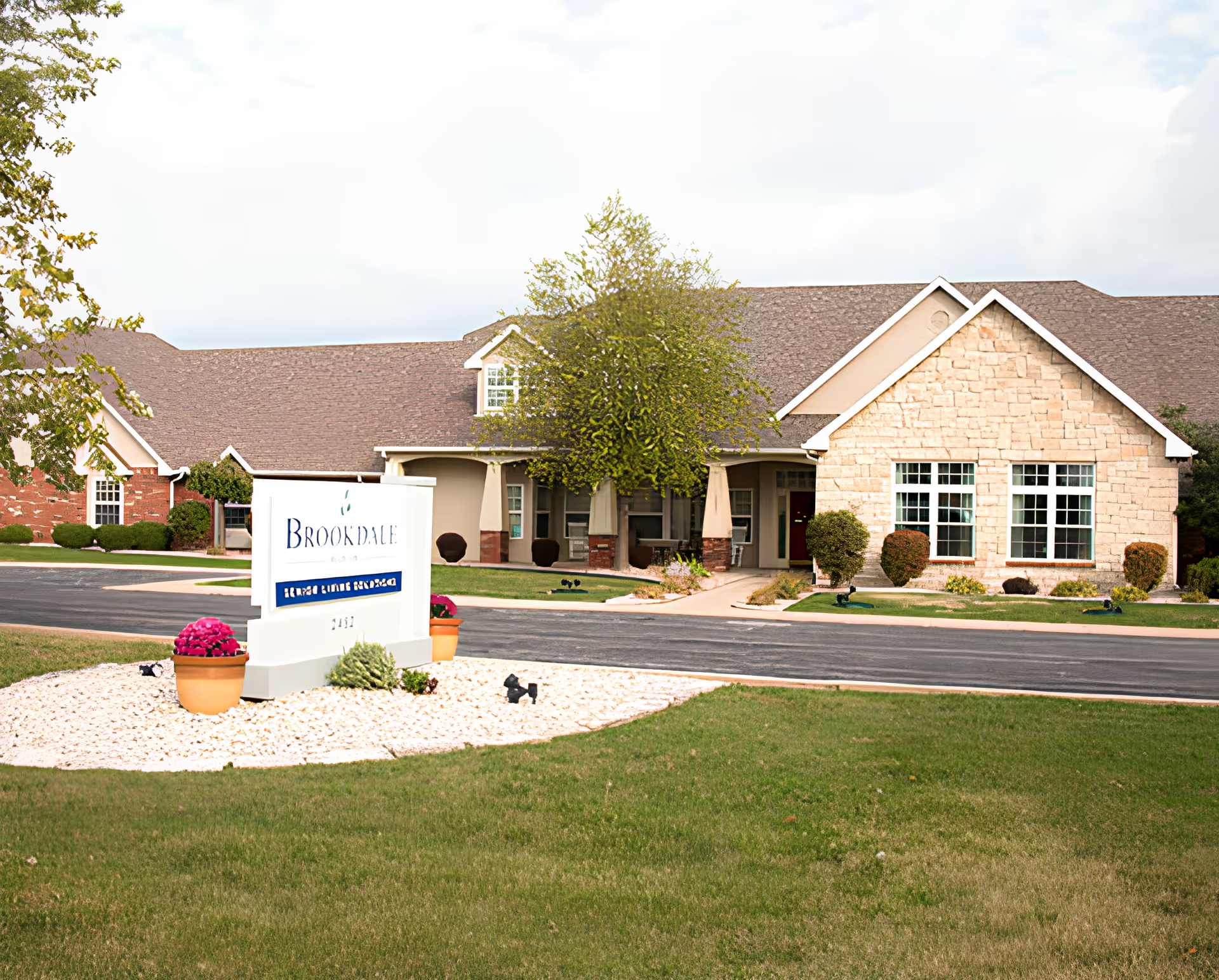
Hickory Creek at Huntington is described in review summaries primarily as a small, close‑knit skilled nursing and long‑term care community with a pronounced family atmosphere. Multiple comments emphasize compassionate, attentive caregiving from CNAs and nurses, a workplace culture that values staff and residents as family, and leadership that is visible and responsive. The facility’s size is often framed positively — contributing to personalized attention, continuity of staff, and a community feel that reviewers associate with strong teamwork and staff retention.
Clinical care is generally portrayed as supportive and individualized. Reviewers name skilled nursing services, long‑term care, and rehabilitation as core offerings; families highlight individualized care plans and programs addressing both mental and physical needs. At the operational level, management is frequently cited for addressing concerns in a timely manner and for fostering an environment where staff feel supported. These factors appear to contribute to a consistently positive resident experience for many families and employees.
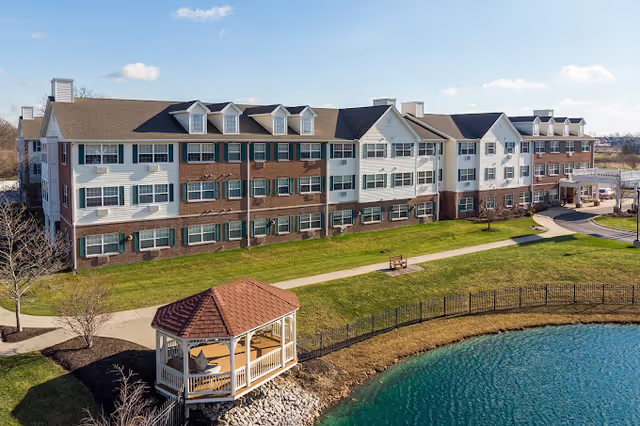
Dining and activities receive repeated praise. Reviewers note regular, engaging daily activities and social programming that help residents stay active and connected. Food quality is described positively by several reviewers, and staff engagement during activities is noted as a strength. Facility amenities are characterized as clean and updated: rooms and bathrooms are called well maintained, and housekeeping practices are generally presented favorably. Some reviewers did describe minor comfort or supply issues (for example, an uncomfortable bed or temporary shortages of toiletries), but staff responsiveness to those requests was also noted.
Notable areas of concern that emerge from the summaries are operational rather than pervasive. A few remarks indicate inconsistent provisioning of in‑room comfort items and occasional lapses in supplies or amenities, which suggests room‑level variability in accommodations. There are also statements pointing to barriers when arranging external physician appointments; that pattern suggests potential gaps in care coordination with outside medical providers. A small number of comments raise more serious communication concerns; one summary characterizes this as an allegation of deceptive admissions or communication practices. Finally, while the overall tone is positive about clinical care, isolated references to variable care quality indicate that clinical consistency may vary across cases.
For prospective residents and families, the prevailing impression is of a well‑staffed, attentive small facility with strong social programming, a family‑style culture, and generally good cleanliness and dining. When evaluating the community, families may wish to confirm specific operational items in person — such as bedding and room comfort, processes for arranging outside medical appointments, and the facility’s communication practices — to ensure that those aspects meet their expectations.