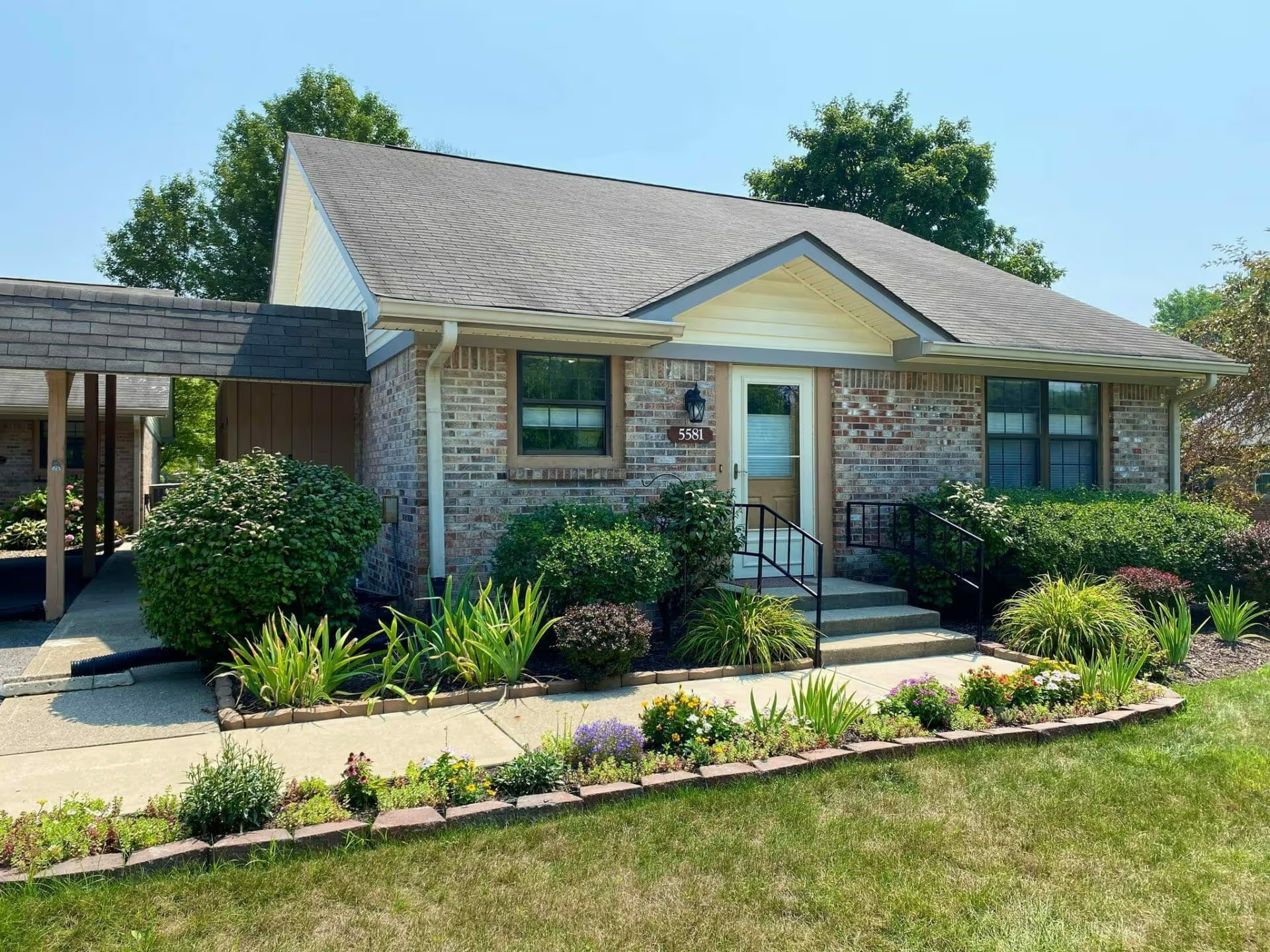
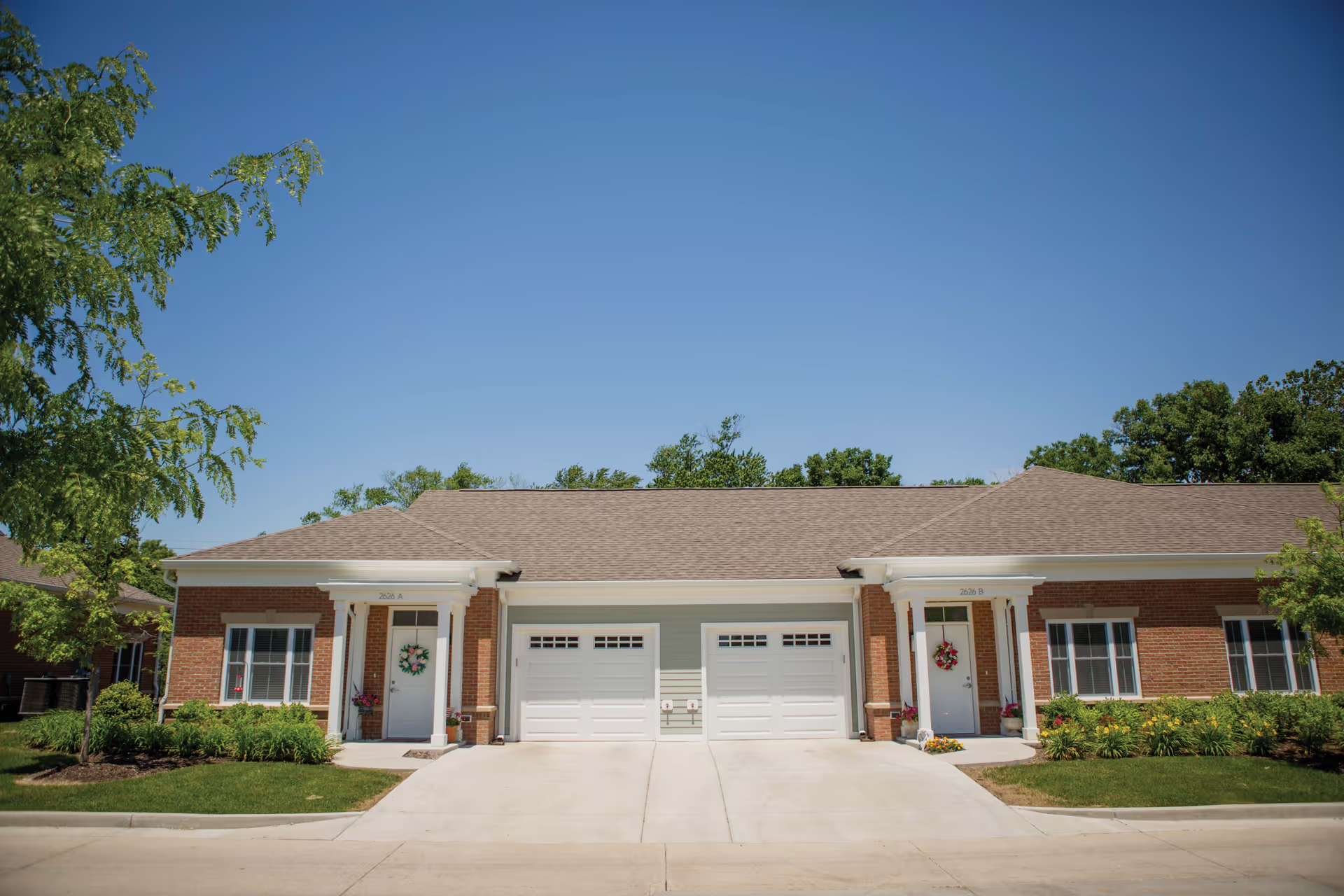
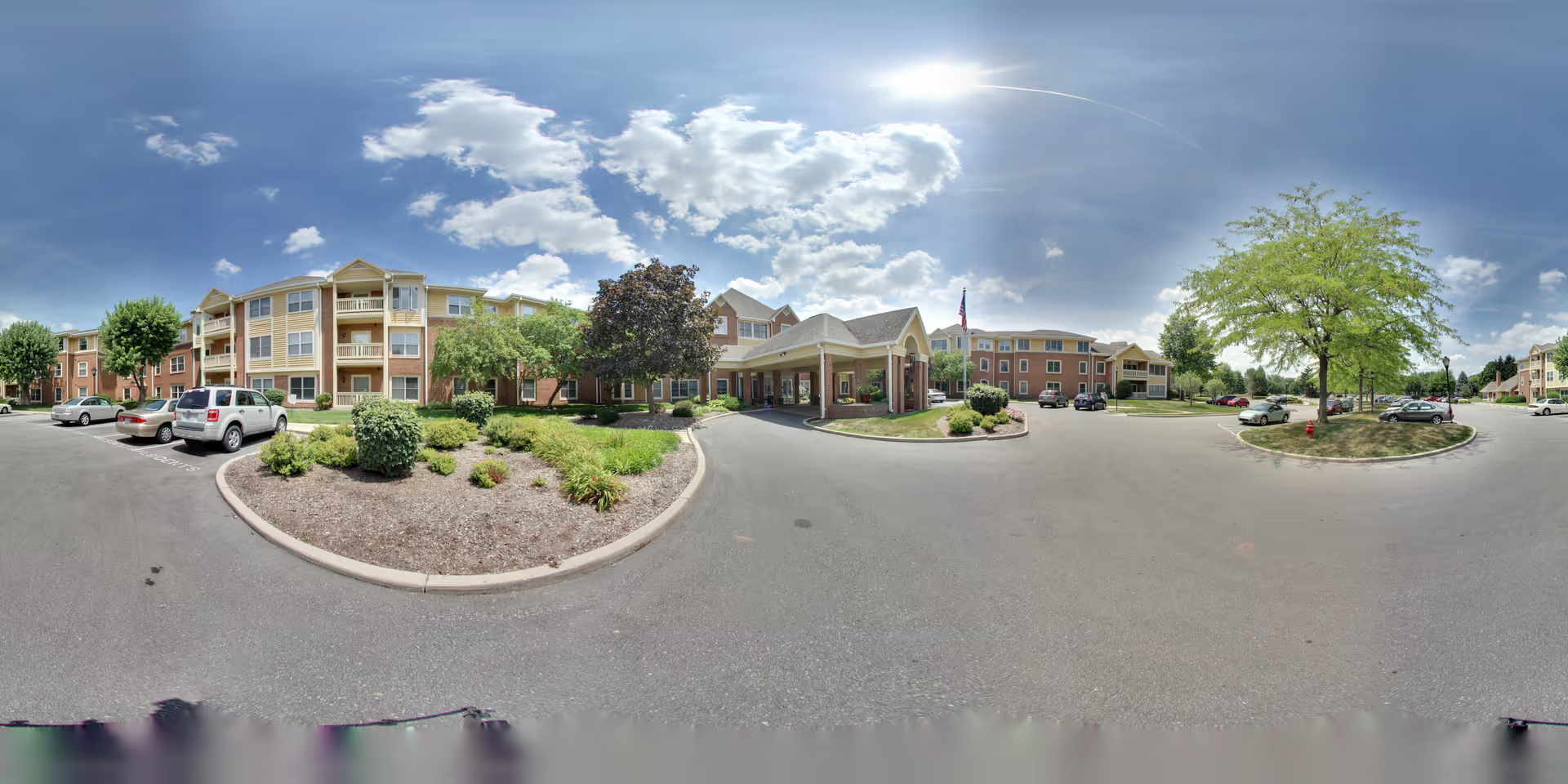
The reviews present a mixed but informative portrait of American Village. Strengths consistently cited include a compassionate, often long‑tenured caregiving team and numerous staff who know residents by name and build personal relationships. The campus setting, lakefront grounds, and multiple living options (independent living cottages, assisted living, memory care, and skilled nursing) are frequently praised. Residents and families highlight a strong dining program with an accomplished chef, an active calendar of social and wellness offerings (fitness classes, chair exercise, card groups, Bible study, outings), and a robust transportation program. Many reviewers also note helpful move‑in support, proactive COVID communication, and generally clean, inviting common areas and outdoor spaces.
At the same time, there are recurring operational concerns that prospective families should weigh. Clinical processes — especially medication administration, vital‑sign monitoring, and post‑incident follow‑up — are described as inconsistent across shifts. Linked to those clinical-process issues are communication gaps: families reported delayed or absent notification after clinical events and uneven communication about changes in condition or new prescriptions. A subset of accounts raises serious concerns about outcomes, including hospital transfer and concerns following a resident's death; these appear to be isolated but are significant and warrant direct inquiry during a tour.
Staffing and responsiveness are another pattern. Many reviews praise dedicated staff, but others describe variable staffing levels (notably on weekends), slower response to call lights, and occasional inattentive behavior. These operational fluctuations also show up in ancillary services: laundry and personal‑belonging handling have produced sanitation and loss concerns for some families, and housekeeping frequency and thoroughness are described as uneven. Maintenance response is often praised, yet there are reports of accessibility equipment outages (e.g., doors, elevators) that can affect mobility‑dependent residents.
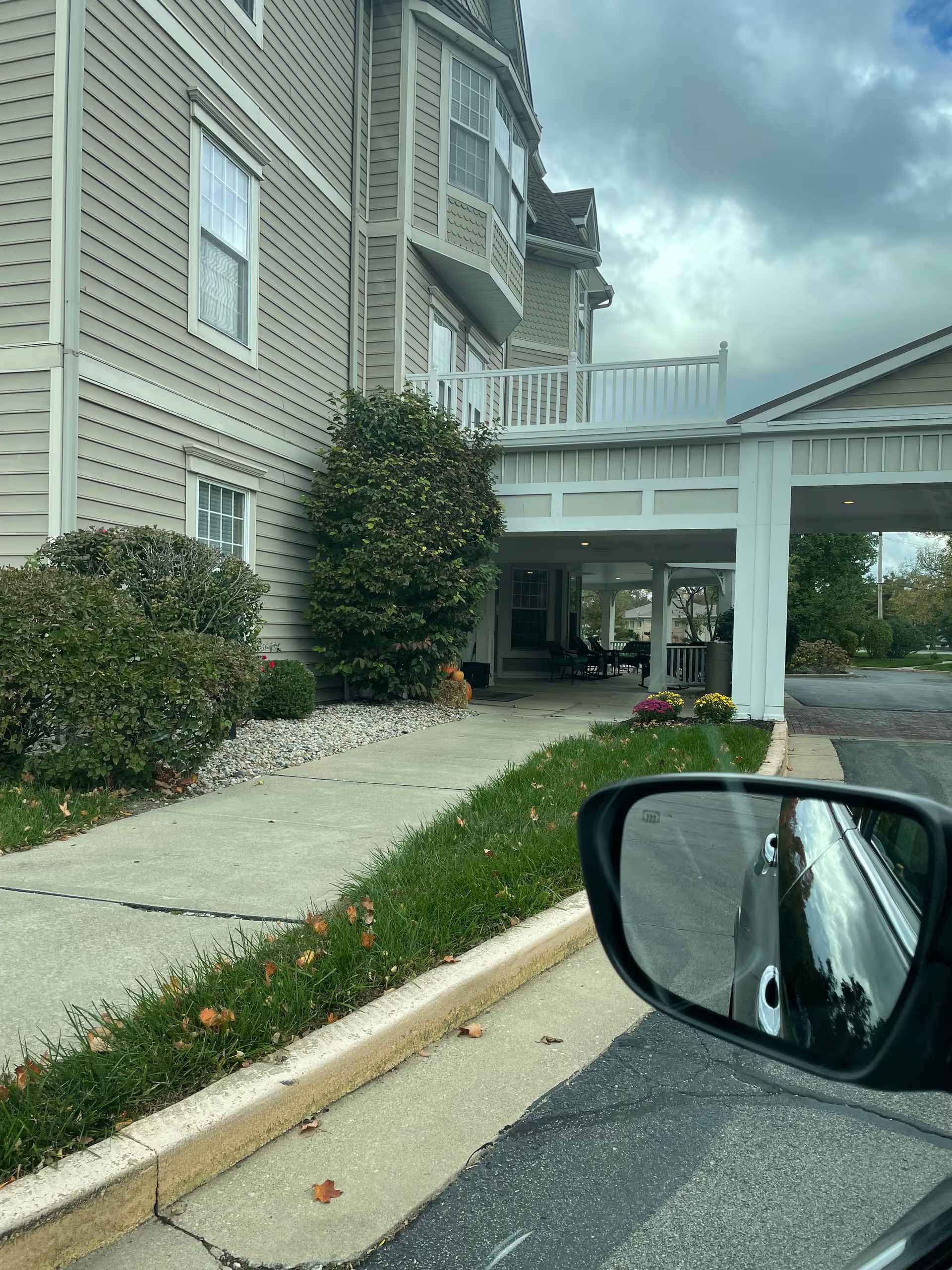
Dining and facilities are a mixed picture as well. The kitchen and several reviewers commend the food and chef‑driven offerings, while others report limited menu flexibility, weekend quality dips, or frozen/pre‑prepared tasting meals at times. The campus is attractive overall, but parts of the physical plant are aging: smaller dining rooms with low ceilings, cramped hallways, and some care suites with limited privacy were noted. Memory‑care layout varies by building, and a few accounts describe insufficient separation or small shared rooms that may not suit every resident's needs.
Management impressions range from highly professional — with managers who go above and beyond, provide advocacy, and communicate proactively — to critiques about inconsistent administrative follow‑through, billing confusion, and intermittent unresponsiveness from specific front‑desk or office staff. Several reviews recommend particular questions to ask (staffing levels by shift, formal medication‑management protocols, laundry and housekeeping schedules, memory‑care separation, and emergency/incident communication practices) and to perform an in‑person visit, ideally at different times of day.
Overall, American Village demonstrates many strengths typical of an established continuing‑care campus: engaged staff, varied programming, attractive grounds, and an evident continuum of services. However, variability in clinical processes, staffing responsiveness, ancillary service consistency, and some aging physical spaces mean experiences can differ substantially between households. Prospective residents and families should verify clinical protocols, staffing ratios and coverage, housekeeping and laundry procedures, and administrative billing practices during a visit to determine whether the facility’s operational reliability aligns with their needs and expectations.