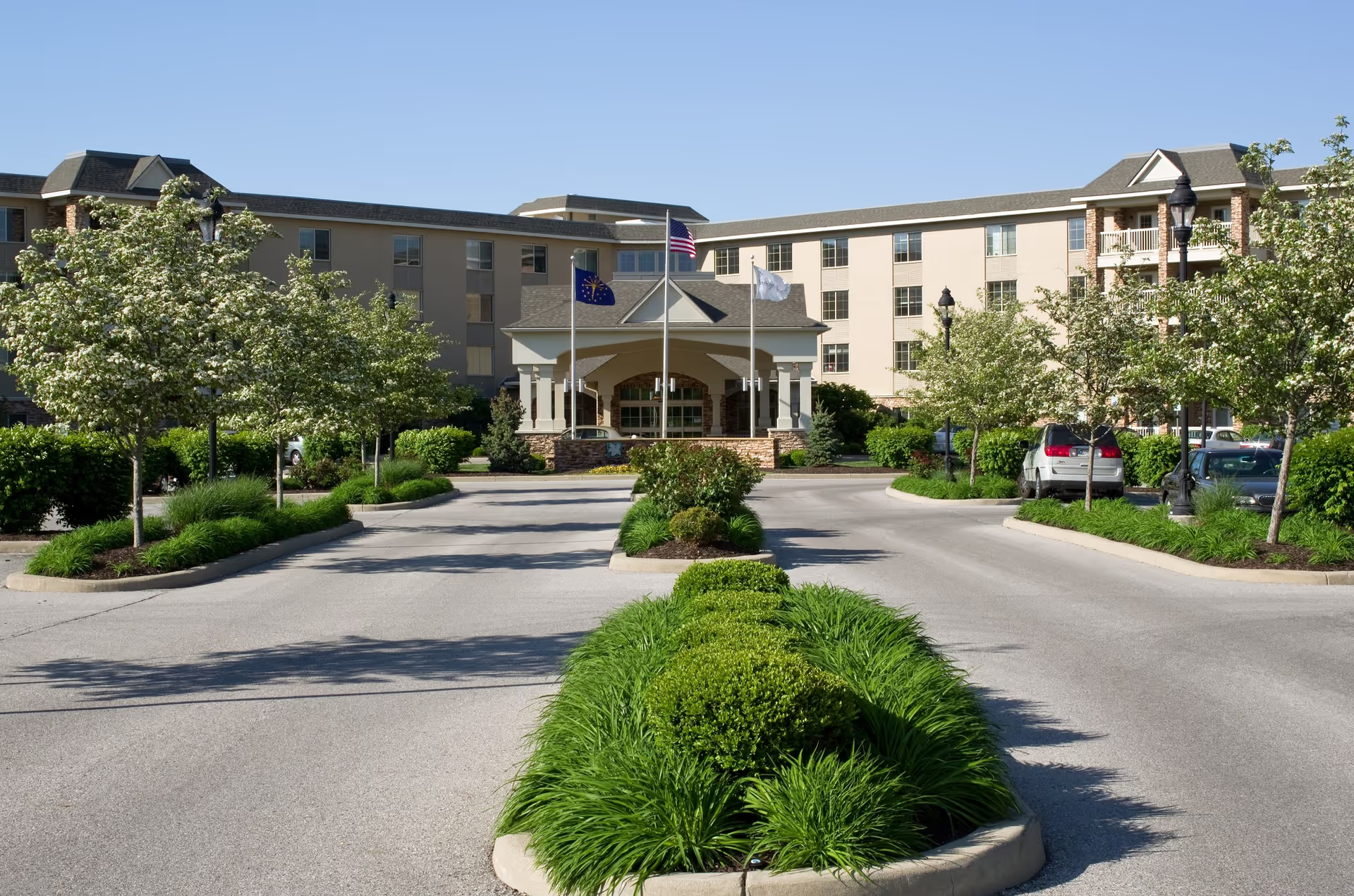
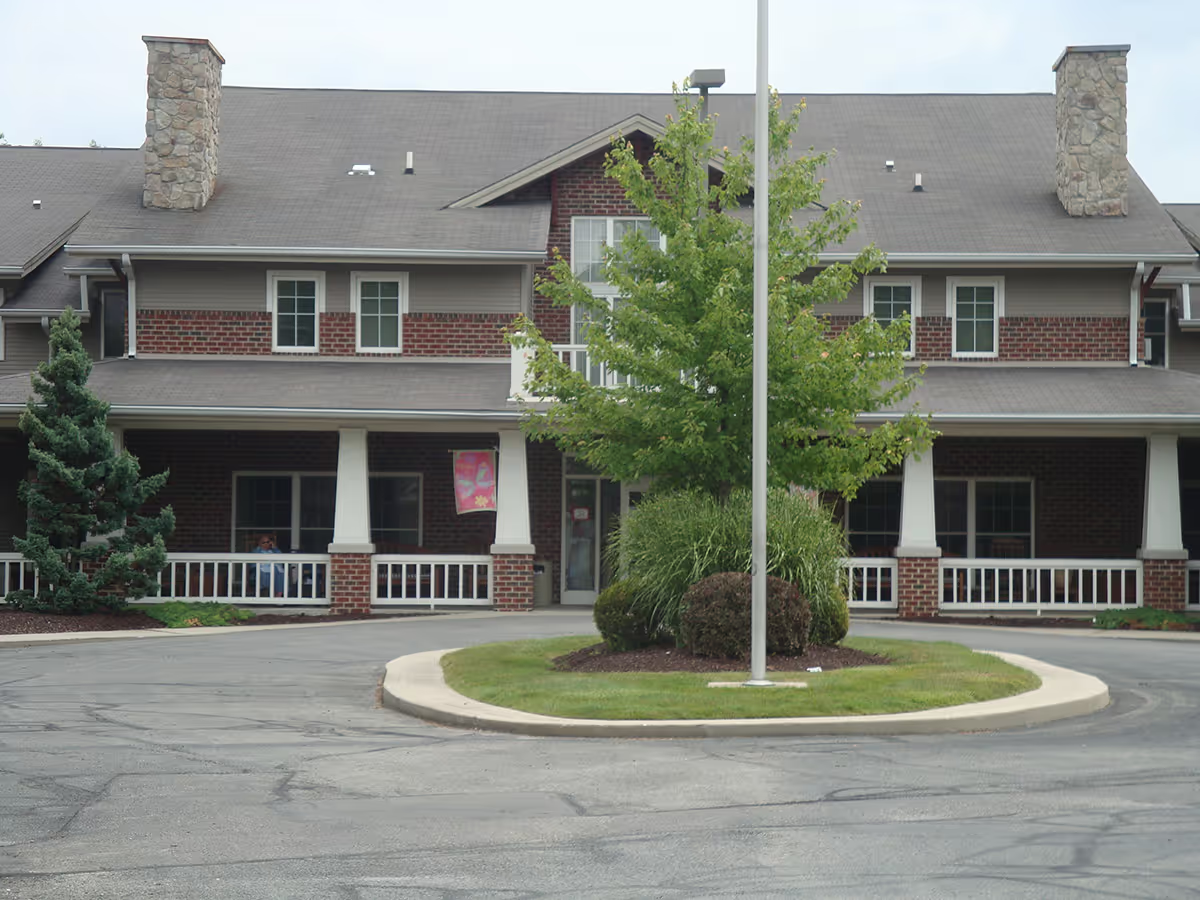
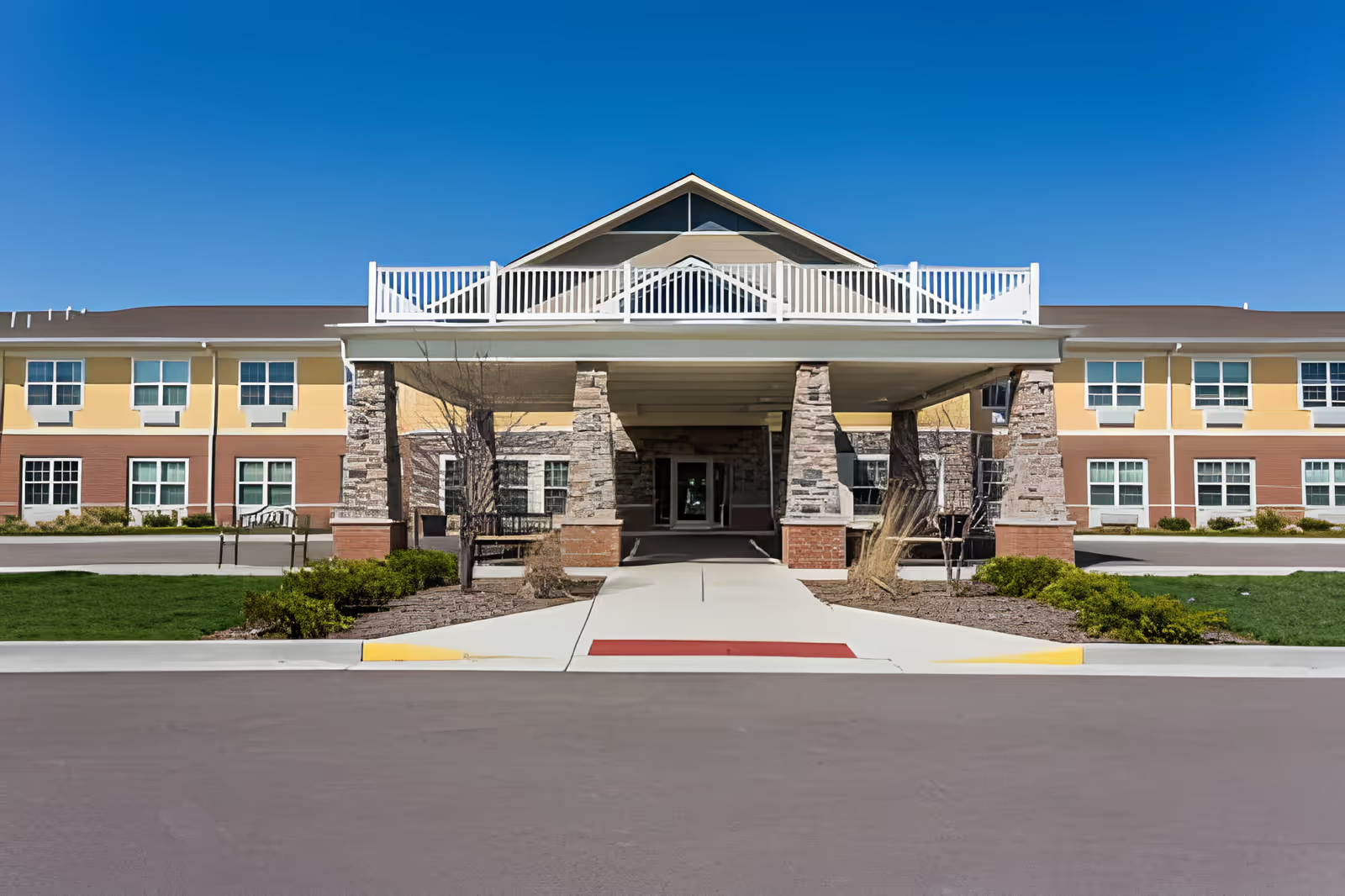
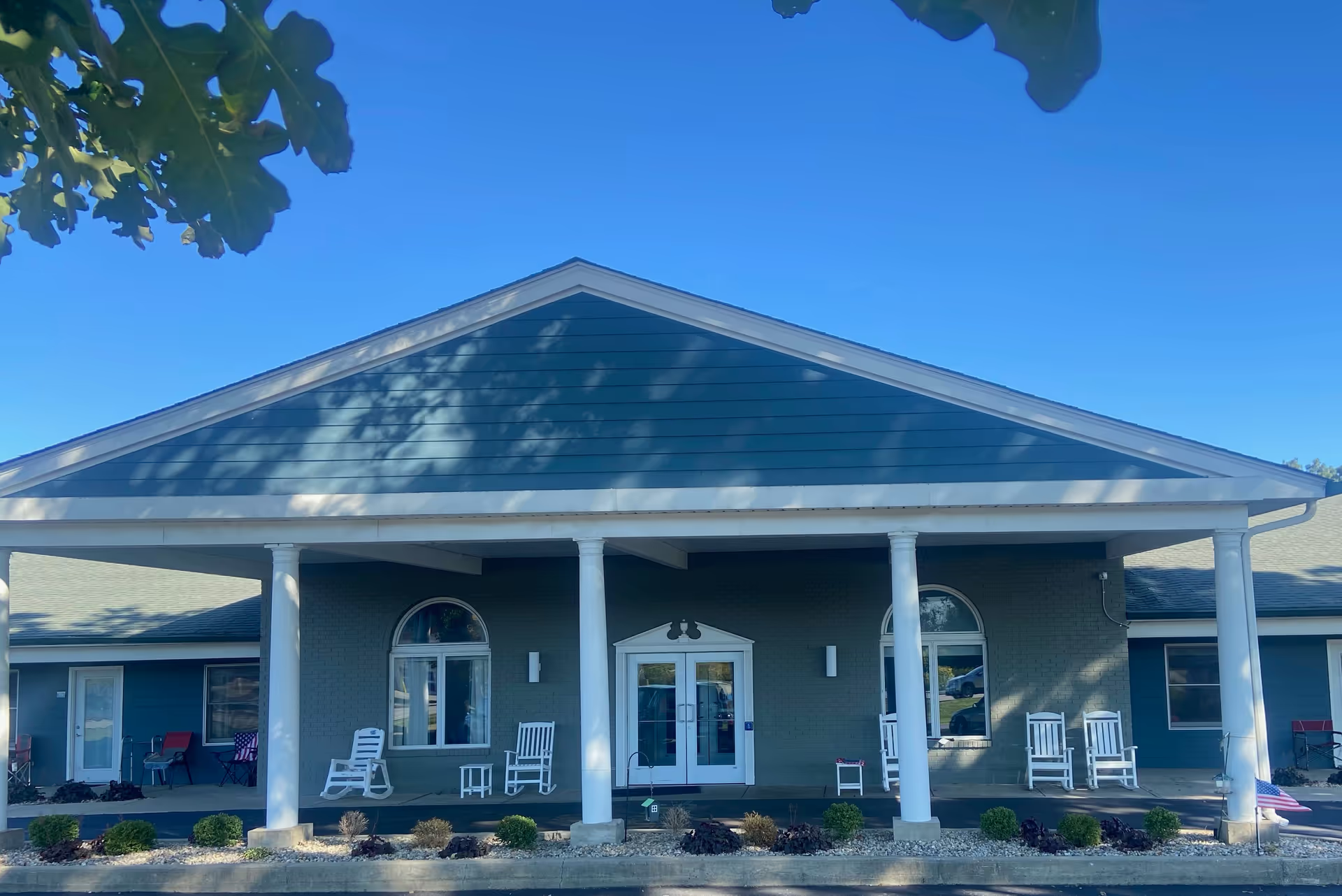
Reviewer feedback for Eagle Creek Healthcare Center is mixed, with a clear split between positive experiences tied to specific staff and services and recurring operational weaknesses that affect overall care continuity. Several families praised morning-shift personnel, named nurses and nursing leadership, and the facility’s therapy department; these elements are cited as supportive for recovery and discharge preparation. The building’s rooms are described as spacious and generally comfortable, and some communal areas and the dining room were noted as clean and active with on-site activities and routine safety drills.
Care quality appears inconsistent. Multiple accounts reference delays or errors in medication administration and incomplete medication documentation in the electronic system. Clinical monitoring practices (timing and frequency of vital-sign checks and blood-glucose measurements) were described as irregular. Nighttime coverage was repeatedly identified as weaker than daytime care, with slow responses to call lights and delayed assistance for basic needs. While a number of individual caregivers received positive mention for compassion and attentiveness, reviewers described a broader pattern of variable staff competency and responsiveness across shifts.
Dining and therapy present a mixed picture. The therapy/rehabilitation department is frequently praised, and some residents reported meaningful recovery support. Meal service quality, however, was inconsistent: reviewers noted incorrect tray deliveries, limited availability of fresh produce and greens, and variability in food quality across meals. Activities are available in the cafeteria and there are occasional engagement opportunities, though overall social programming appears variable depending on staffing and scheduling.
Facility condition and resident environment show contrasts. Many reviewers described comfortable rooms and clean communal spaces, but others identified sanitation and cleanliness issues in select resident rooms and bathrooms, odor concerns in some areas, and pest-control concerns. Lighting and decor in double rooms were described as dim, which reviewers linked to reduced comfort and privacy. Shared rooms and low lighting were also cited as privacy compromises; noise and distressing episodes involving other residents were highlighted as contributors to a disruptive nighttime environment.
Management and operational practices raise additional concerns. There are reports of missing personal items and, on that basis, allegations of theft and insufficient property safeguards; reviewers requested clearer policies and more effective investigation and resolution processes. Communication gaps were described around incident resolution, inventory of patient belongings, and follow-through after complaints. Some reviewers expressed skepticism about responsiveness to formal complaints despite examples where issues were addressed (for example, cushion replacement after escalation).
Notable patterns: experiences appear highly dependent on shift, unit staff, and individual caregivers—resulting in widely divergent accounts from families (from very positive to very negative). Strengths cluster around therapy, some nursing leadership, and day-shift caregiving; weaknesses cluster around night coverage, medication and documentation controls, property security, sanitation in specific areas, and inconsistent meal/monitoring practices. Prospective families should consider an in-person visit during both daytime and nighttime hours, ask about staffing ratios and night-shift supervision, review medication-administration and documentation procedures, inquire about property-loss policies and investigation practices, and request recent facility inspection or quality metrics to corroborate current operating conditions.