Reviews present a mixed but strongly polarized view of Harrison Terrace. Many accounts describe a compassionate, knowledgeable memory-care program and an attentive caregiving team that fosters a homelike atmosphere. Families cite successful personalized rehabilitation, improved resident function, and strong day-to-day rapport between staff and residents. Regular activities, faith-based programming, music, bingo, cookouts and other social events are frequently mentioned as meaningful contributors to residents' quality of life. Dining receives positive comment for appetizing, sufficient meals and residents who are eating well.
At the same time, there are repeated operational concerns that prospective families should evaluate. Several reviewers raised issues about inconsistent staff professionalism and gaps in staffing stability and training; these concerns were linked to variable responsiveness and delays in care attention. Specific clinical-process gaps were described around nutrition and hydration oversight and around end-of-life/hospice coordination, which some families found unclear. Communication and care coordination between the facility and families is another recurring weakness: reviewers reported difficulties obtaining timely answers, inconsistent updates, and billing disputes.
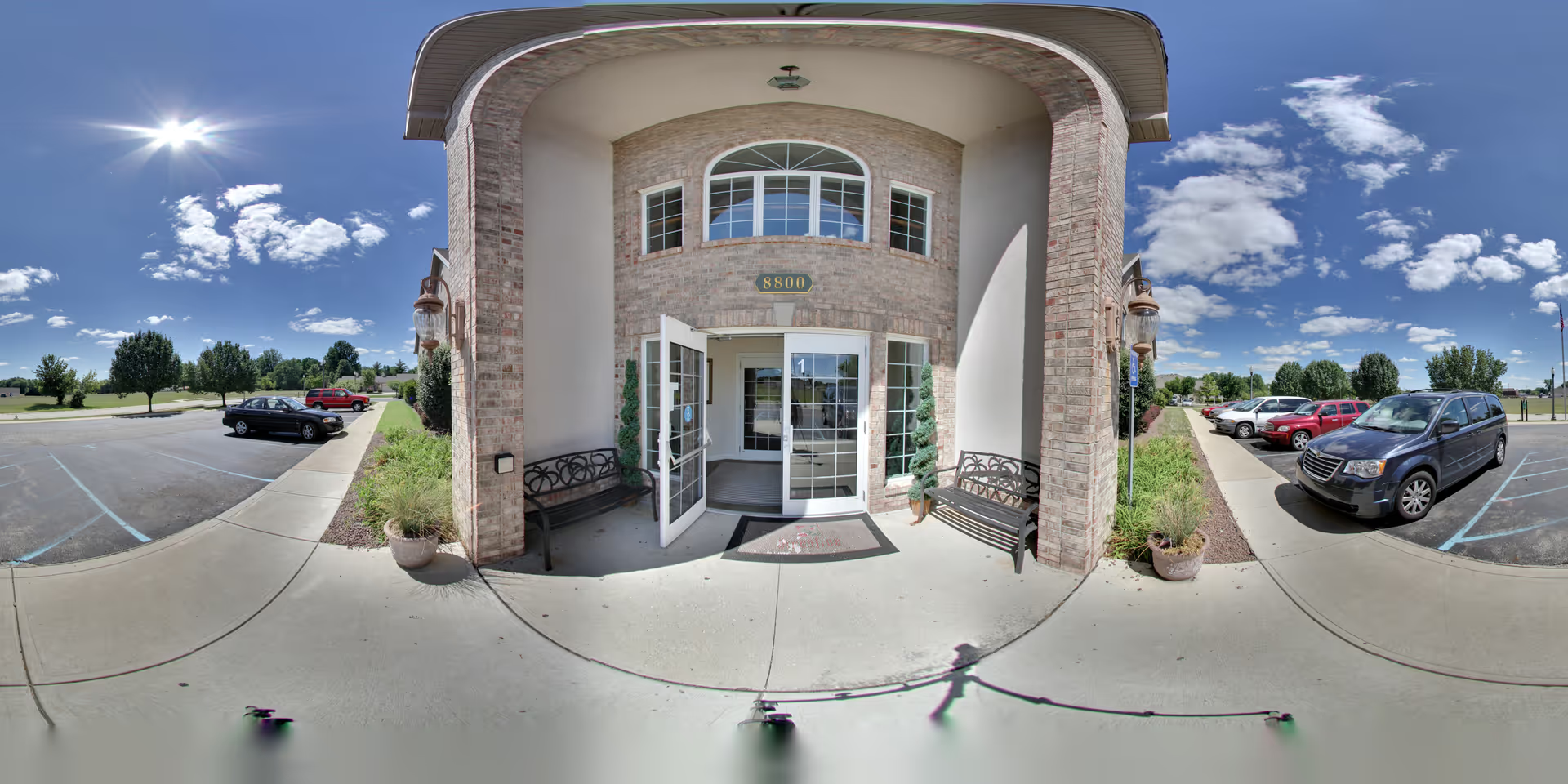
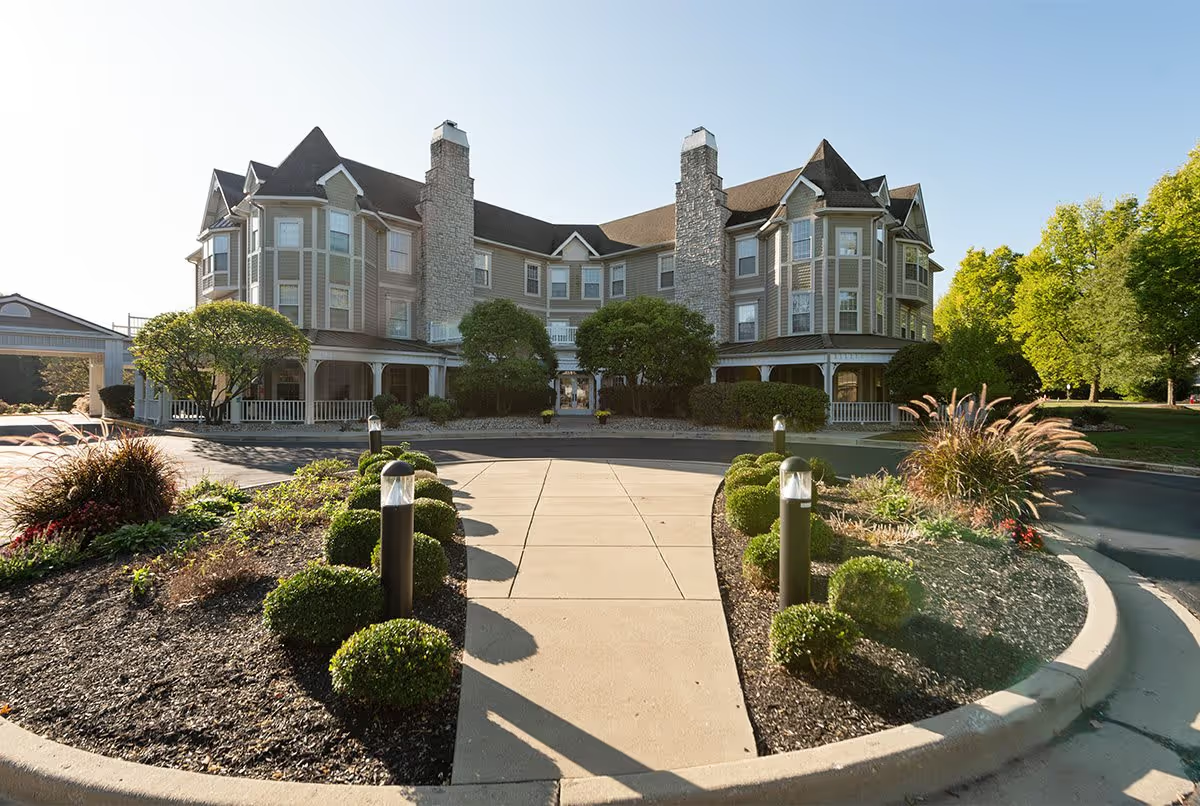
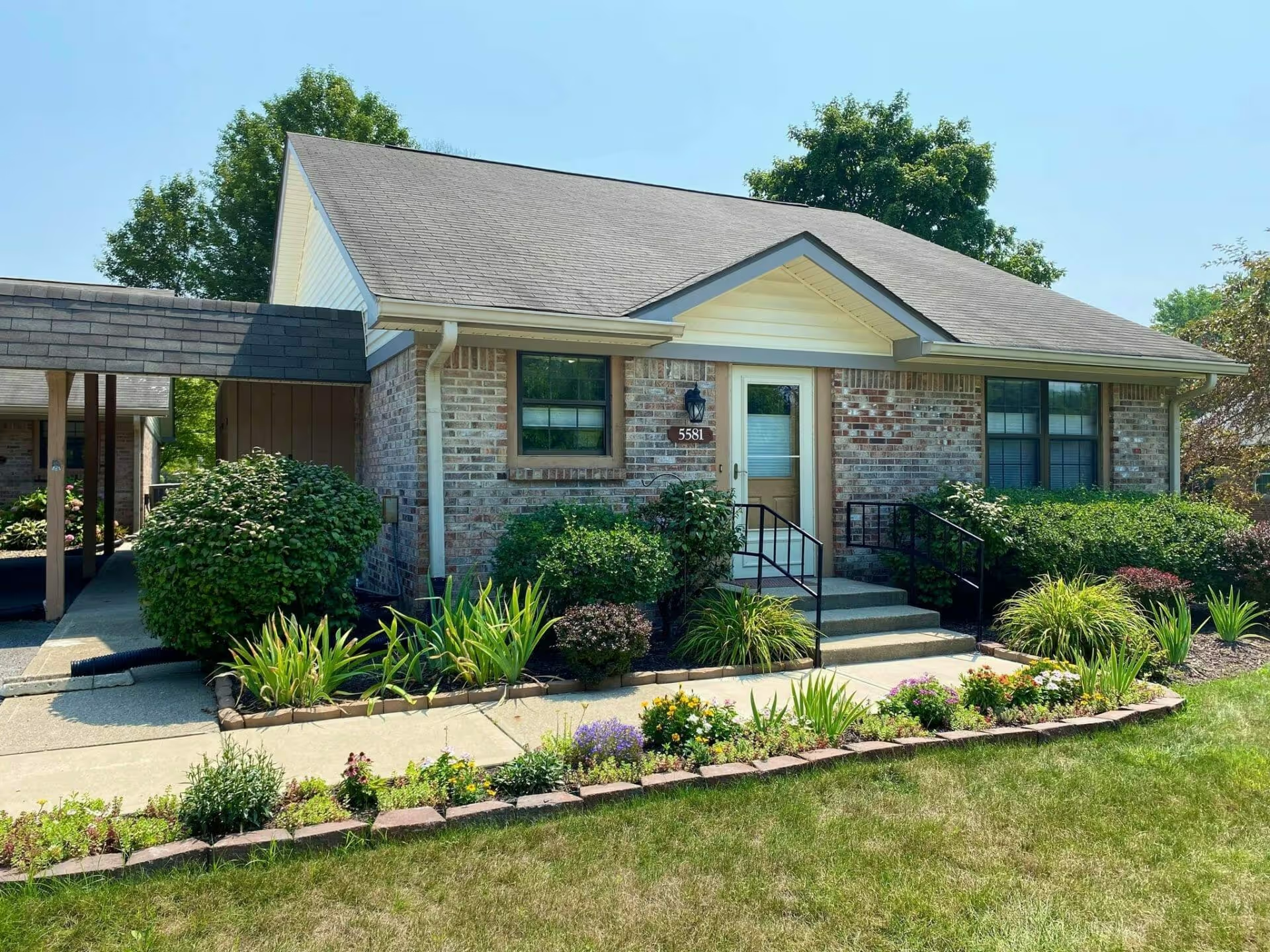
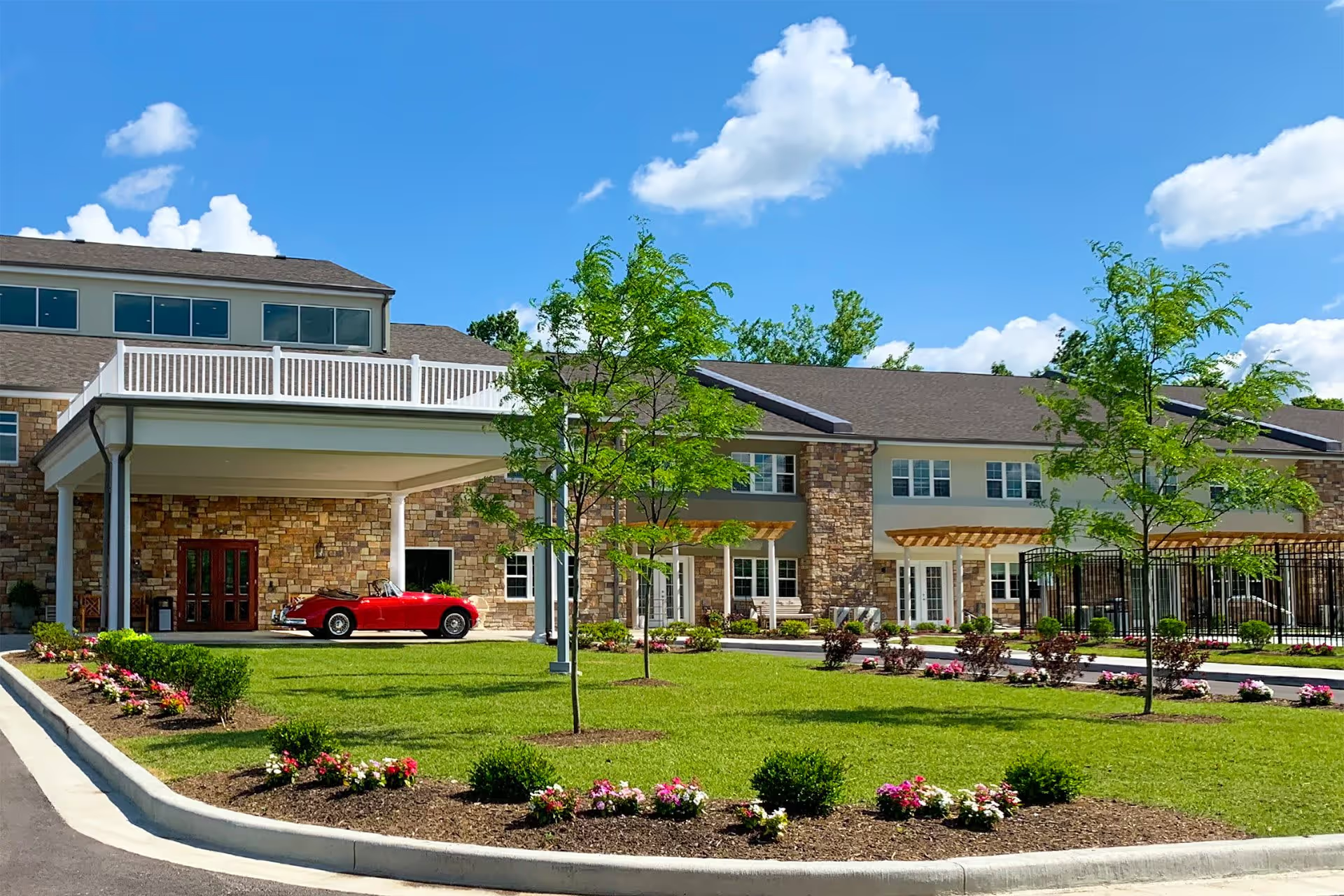
Facility-level strengths include a generally clean, home-like interior and a caregiving culture praised by many staff and families; some reviewers described the directors and office staff as supportive and easy to work with. However, there are isolated maintenance and sanitation reports (including a mention of mold in a bathing area) that indicate uneven upkeep in certain spaces. Financial-administration concerns are notable: complaints ranged from billing inconsistencies to more serious allegations regarding resident accounts, and families reported variable responsiveness when raising these issues.
In sum, Harrison Terrace appears to deliver strong memory-care programming and engaging social offerings in a homelike environment, supported by many dedicated caregivers and leaders. Offsetting those strengths are operational weaknesses in staffing consistency, family communication, clinical monitoring processes, maintenance follow-through, and financial administration. Prospective residents and their families should tour the community, meet the memory-care and nursing teams, request specifics about staffing ratios and clinical-monitoring protocols, review billing safeguards, and ask how the facility coordinates hospice/end-of-life care before making a placement decision.