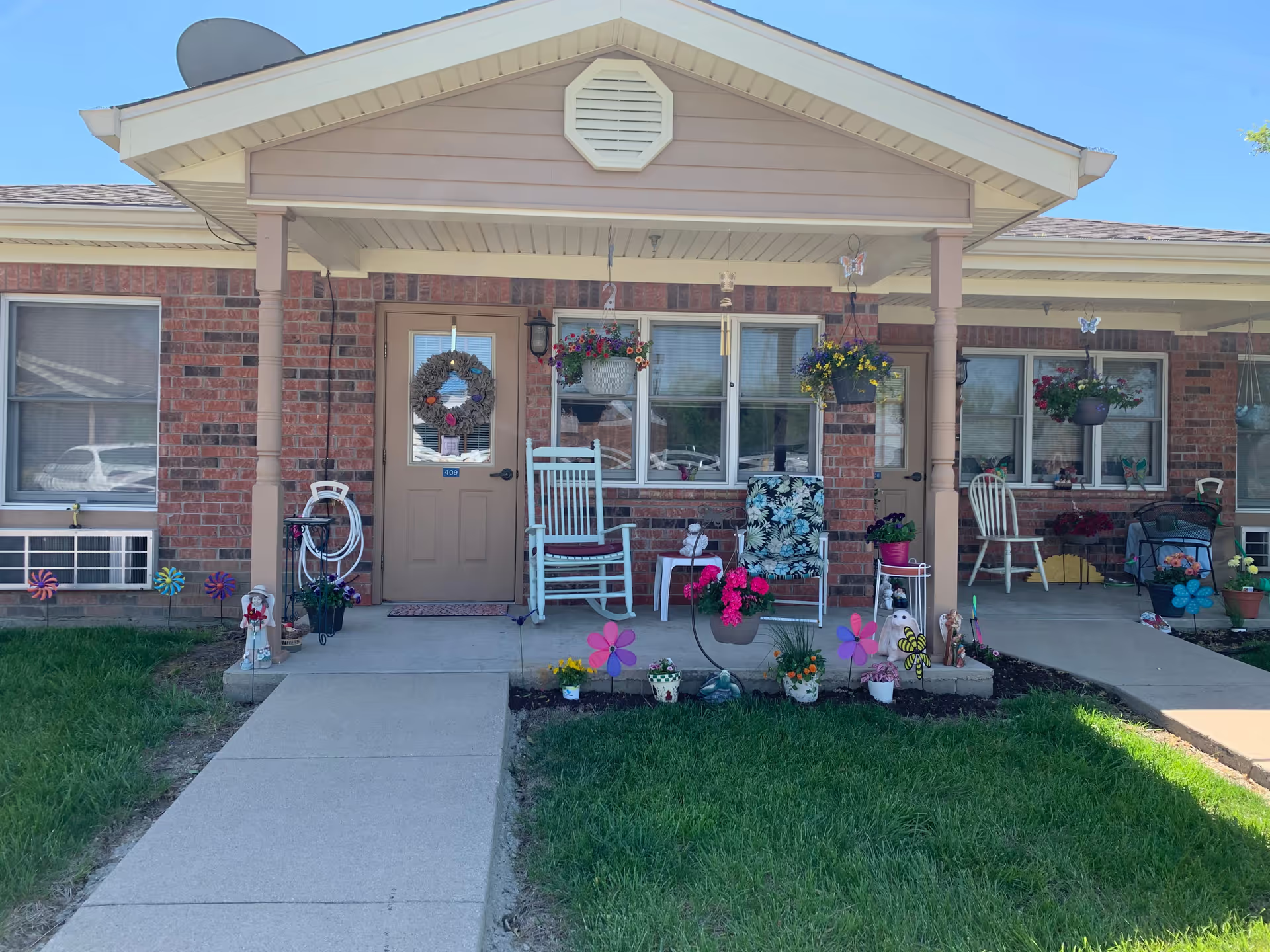
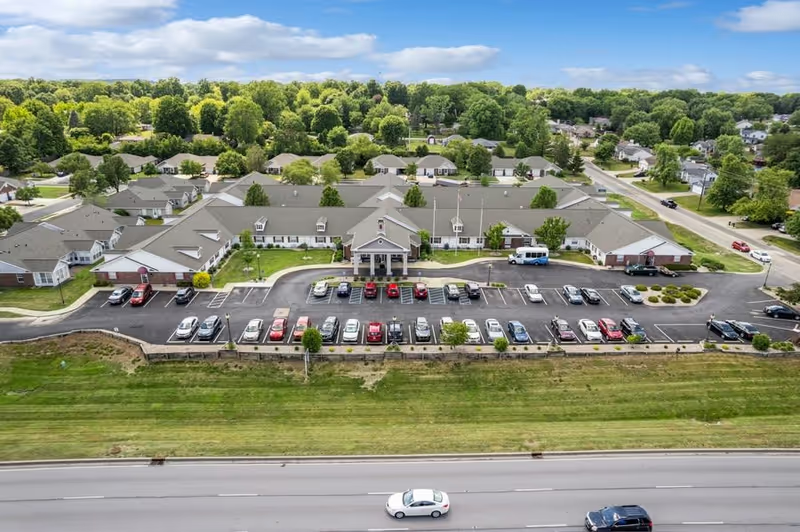
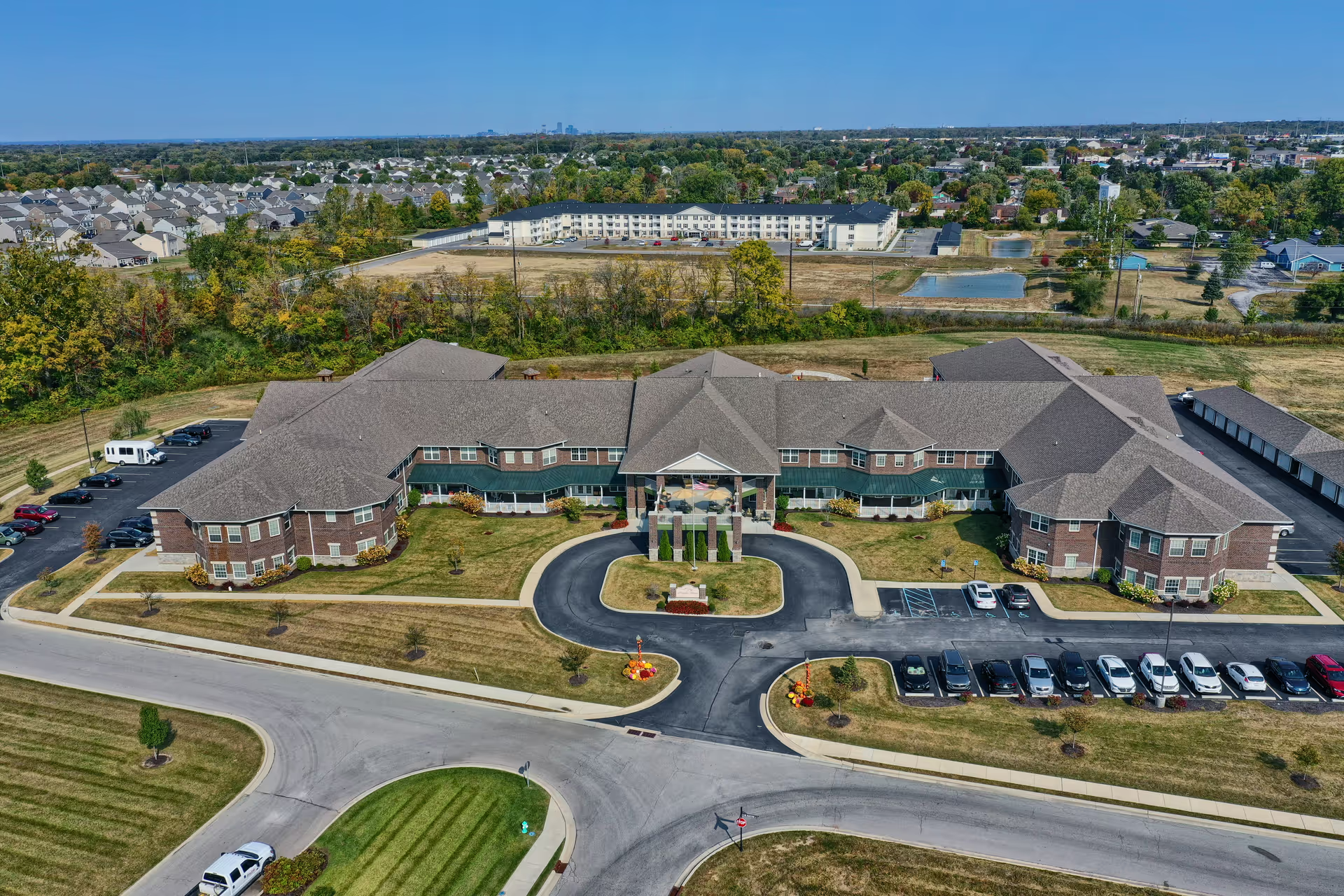
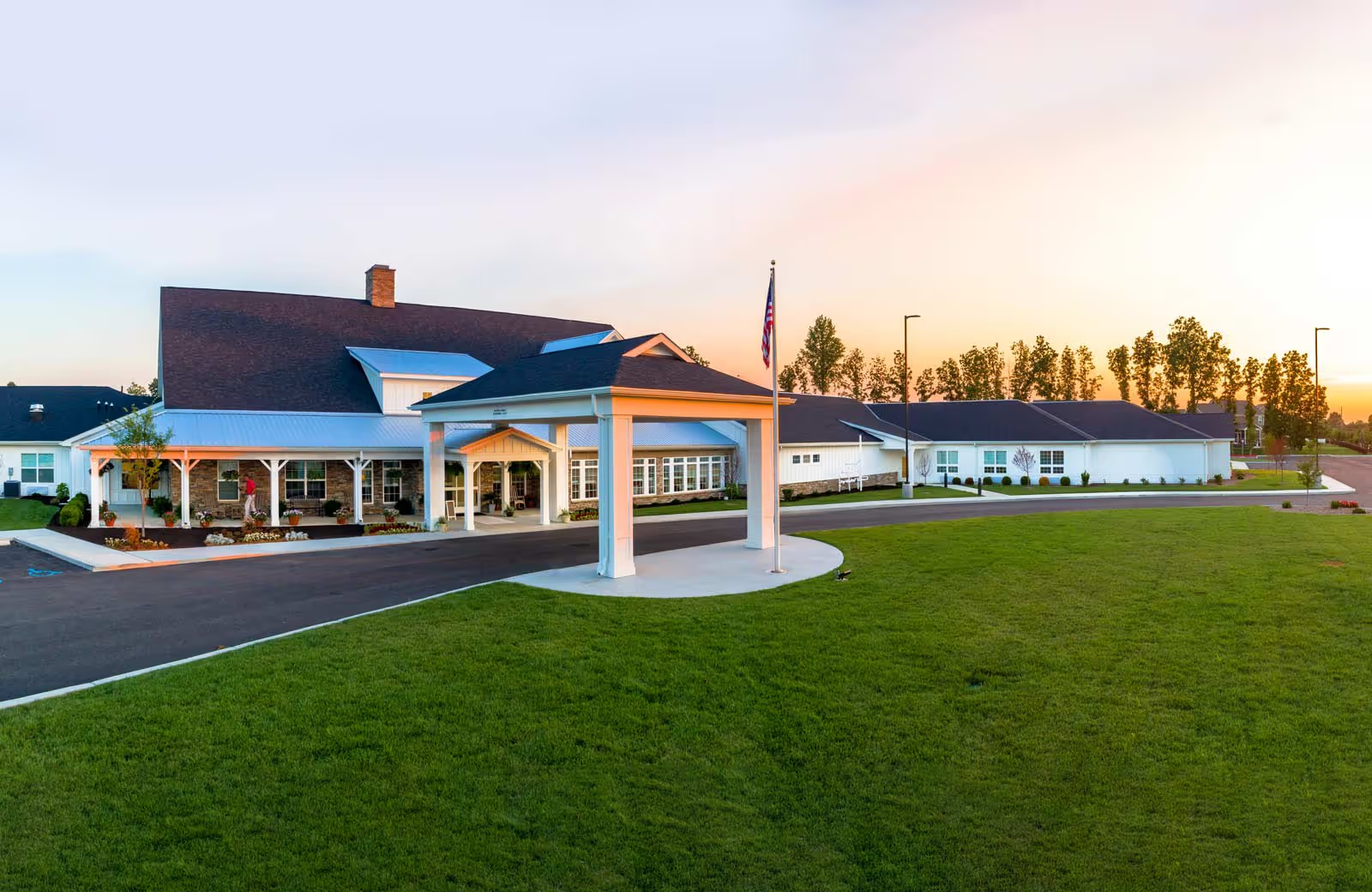
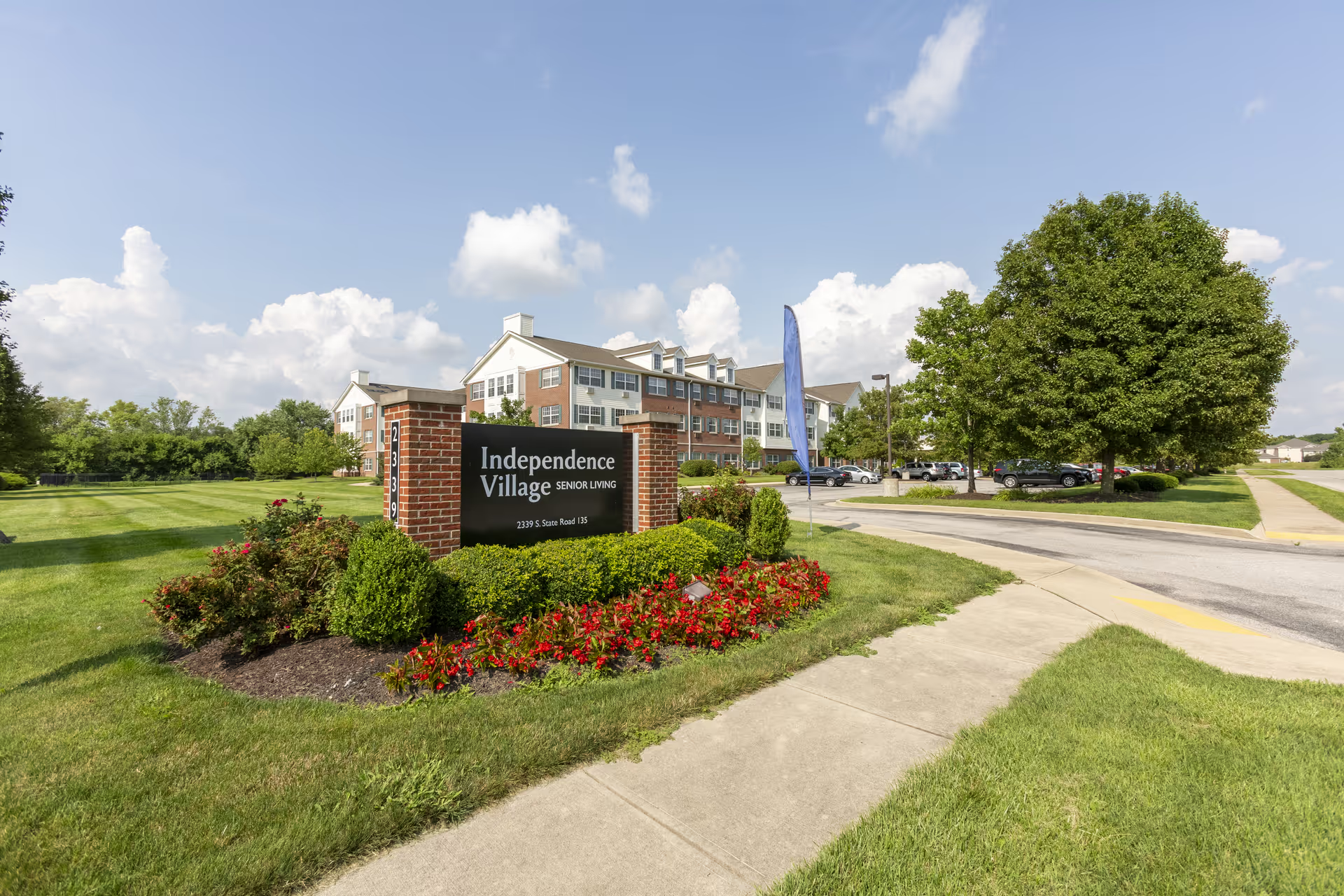
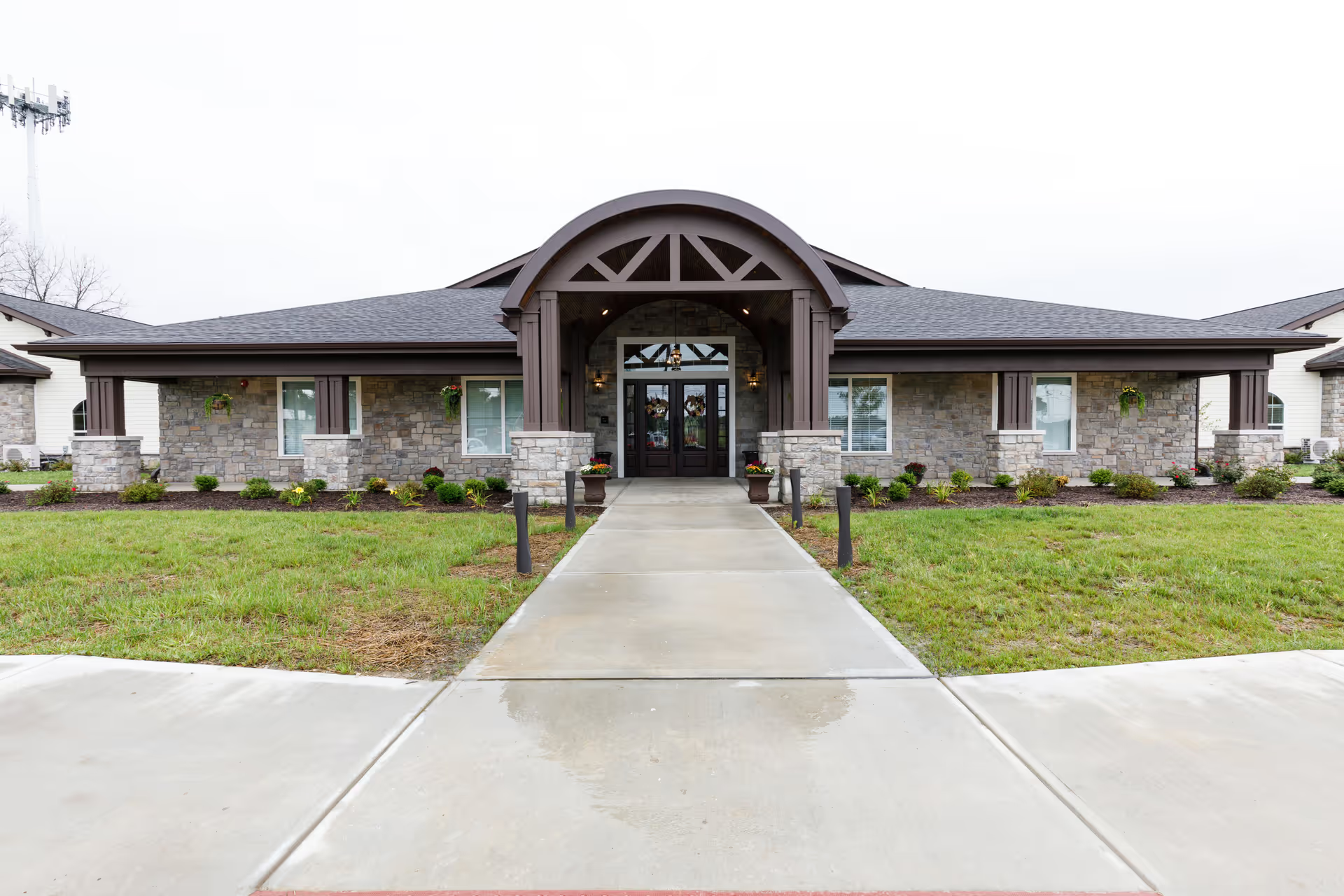
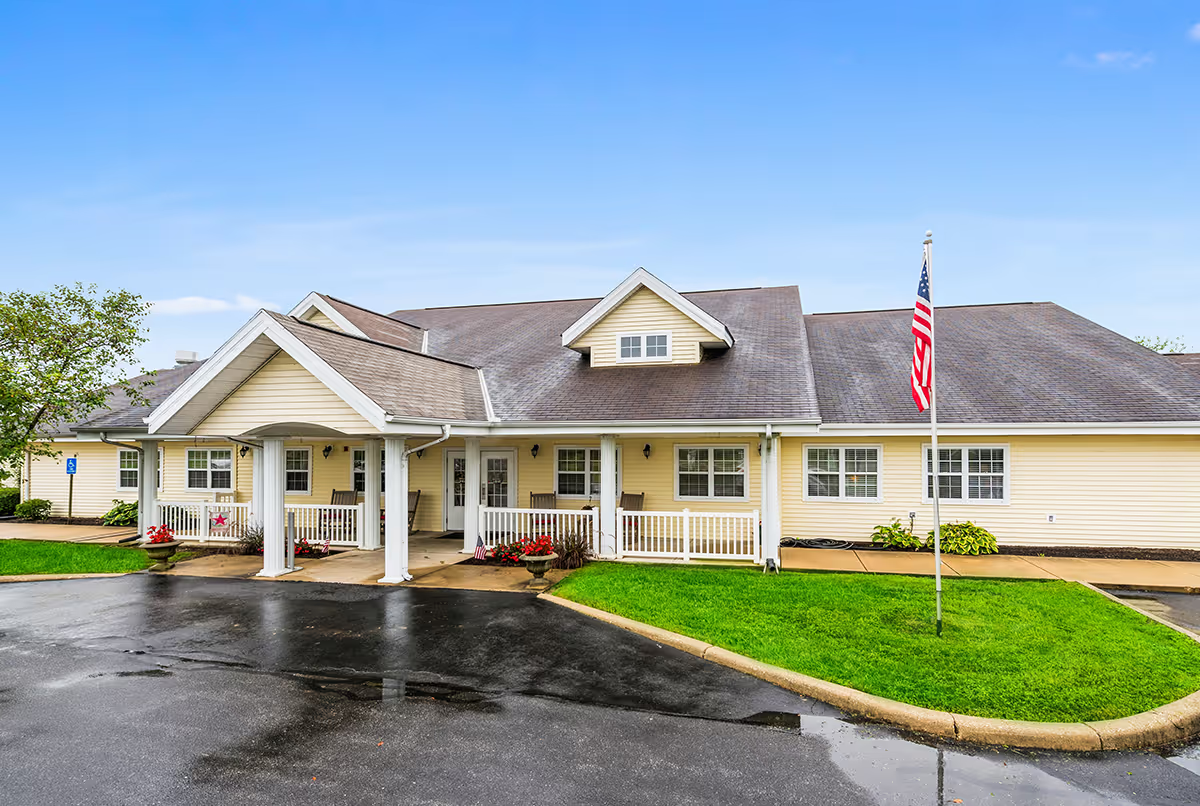
Hellenic Senior Living of Indianapolis presents as a relatively new, well-maintained assisted-living community with attractive grounds and a clean, inviting interior. Apartments — particularly one-bedroom layouts — are generally described as spacious with full kitchens and large bathrooms, and the campus offers a range of on-site amenities including patios, sitting rooms, an activity center, fitness options and a pool. Front-line staff members such as greeters, kitchen staff, and several named caregivers are frequently described as friendly and service-oriented; many reviewers praised the community’s social atmosphere and active calendar, which includes Wii bowling, walking clubs, pool/weight-room activities, bingo, monthly birthday events and restaurant outings.
Dining and housekeeping are positioned as included services: reviewers commonly noted a three-meal program, housekeeping, and positive dining experiences. That said, there are intermittent accounts of dining-supply interruptions or shortages and uneven meal-service continuity. Activity programming and opportunities for family involvement are consistent strengths and contribute to a strong sense of community for many residents and families.
Care and clinical oversight produce mixed impressions. Several reviewers complimented attentive nursing and kitchen staff and the community’s responsiveness to medication changes. Conversely, a number of reviews indicate operational gaps: delayed responses to call buttons, concerns about medication-administration oversight, and questions about prioritization of resident supervision. Importantly, the community is assisted-living only and does not provide 24-hour nursing care; prospective residents with higher clinical needs should verify available services and transfer protocols.
Operational and leadership issues recur as a notable pattern. Families described difficulties reaching the office by phone, unanswered messages, and perceived deficiencies in management communication. Reviewers also described high staff turnover, payroll/HR instability, and in some cases raised serious concerns — including allegations of financial misconduct and questions following a resident’s adverse event — that indicate a need for transparency and clear grievance/incident processes. Property-accountability lapses (misplaced groceries or belongings) and restrictive fire-safety appliance rules (limitations on in-unit ovens or electric heating devices) were also cited as friction points for some residents.
For prospective residents and families: the facility offers strong environmental, social, and amenity advantages with many examples of caring staff and an active program calendar. At the same time, consider confirming operational details before decision-making: ask for written information on call-response times and emergency protocols, medication-administration procedures, staffing ratios and turnover, appliance/fire-safety policies, dining-supply contingencies, financial-accountability safeguards, and the process for escalating clinical or administrative concerns. Doing so will help balance the evident community strengths against the operational and communication issues highlighted by reviewers.