Overview: Reviews present a mixed but informative picture of Rittenhouse Village at Northside. The facility is frequently praised for its caring staff, well-kept physical environment, and a range of amenities that support residential life. At the same time reviewers raise operational concerns that center on leadership stability, medication processes, billing practices, and ongoing staffing and supply reliability. These themes recur enough across accounts to indicate meaningful patterns families should consider when assessing fit.
Care and staff: Many accounts emphasize compassionate, attentive caregivers and long-tenured nursing staff who are described as hands-on and engaged with residents. Families report strong end-of-life attention and frequent personal check-ins. However, there are consistent concerns about medication management practices and occasional lapses in clinical processes. Staffing shortages and schedule instability were cited as a contributor to uneven coverage, which reviewers link to both clinical and nonclinical service variability. Communication style and accessibility of leadership are uneven; while some residents praise open-door administration, others describe difficulty reaching leaders and gaps in family updates.
Dining, activities, and amenities: Dining is generally seen as a strength: restaurant-style dining rooms, varied menus, and many positive comments about meal quality. The community offers a robust activities program with arts and crafts, exercise classes, outings, and a variety of social events; an active activity calendar and creative activity direction are frequently noted. On-site amenities — library, salon/barber, theater, and common arts spaces — and scheduled transportation add convenience. Reviewers also noted variability in program continuity (for example, changes to external partnerships and some canceled offerings), and limited outdoor or activity-space capacity at times.
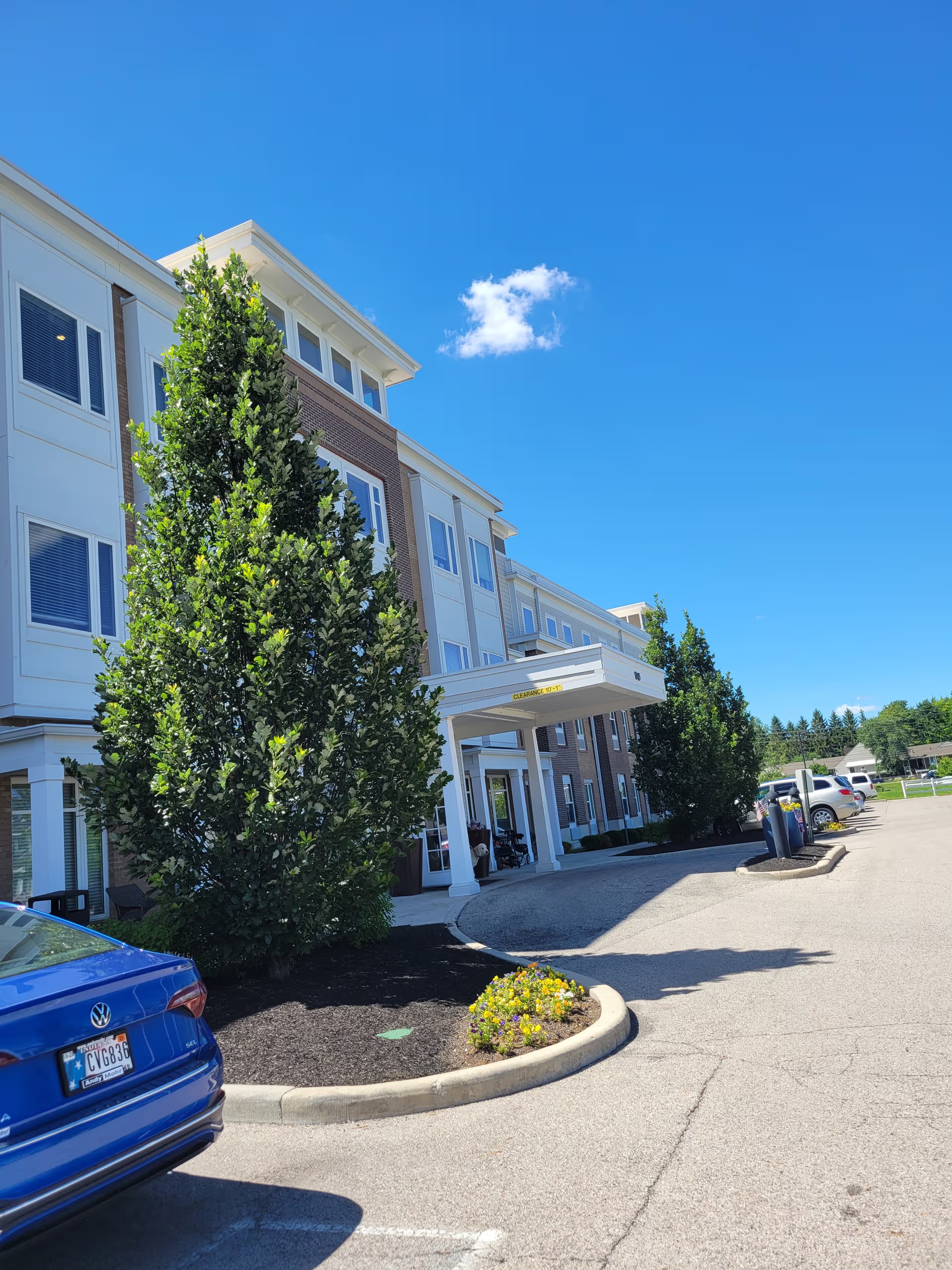
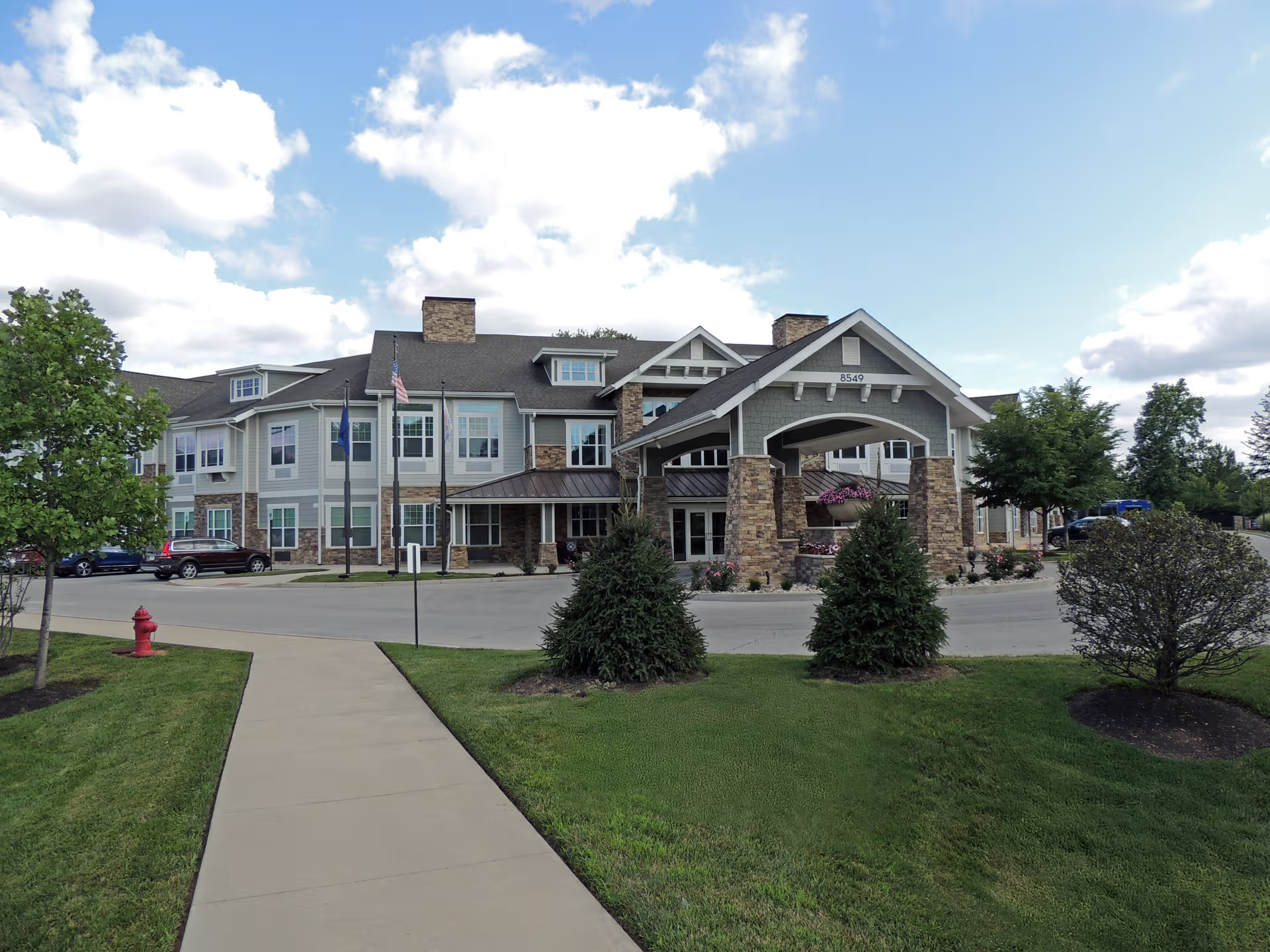
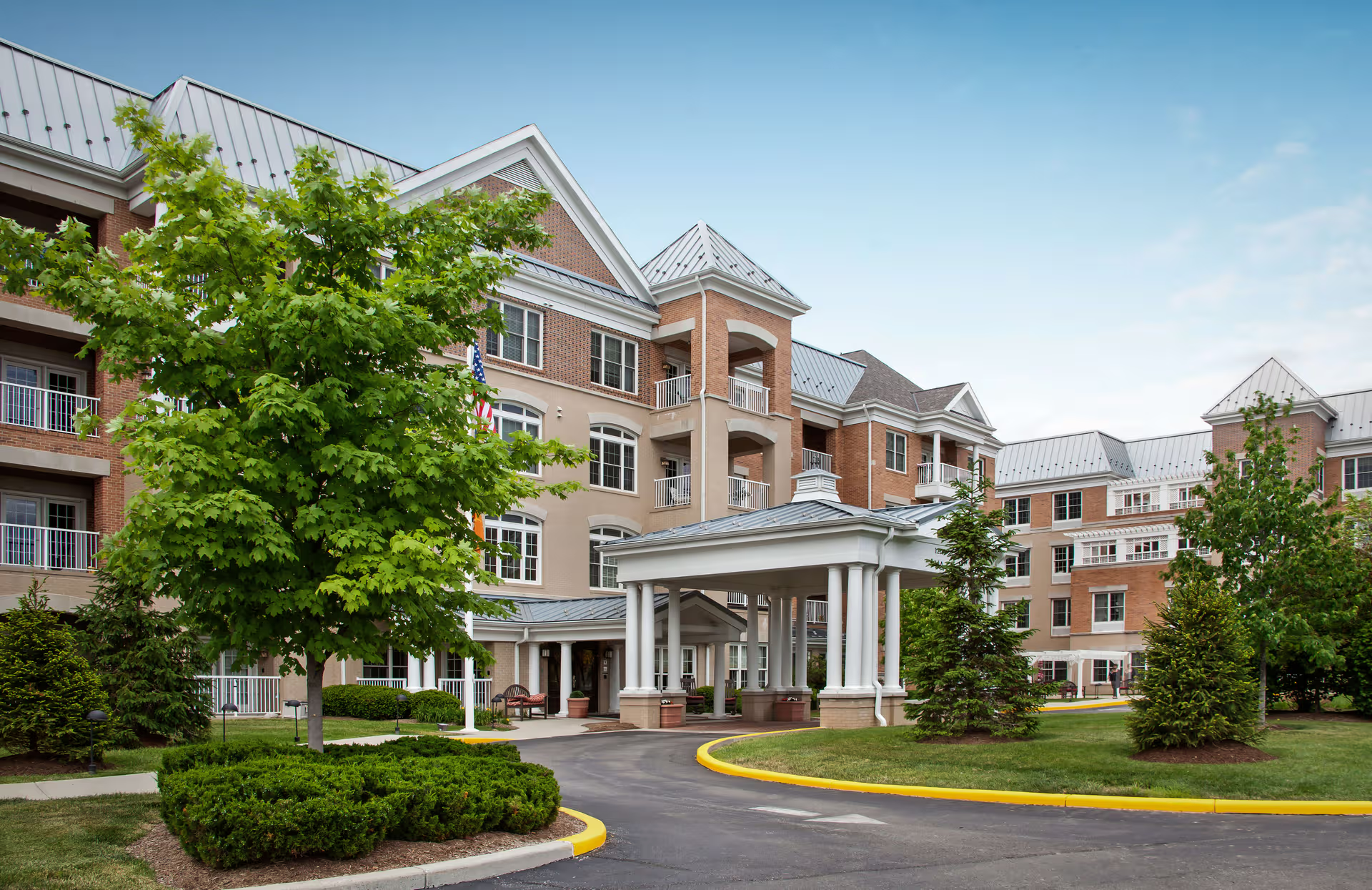
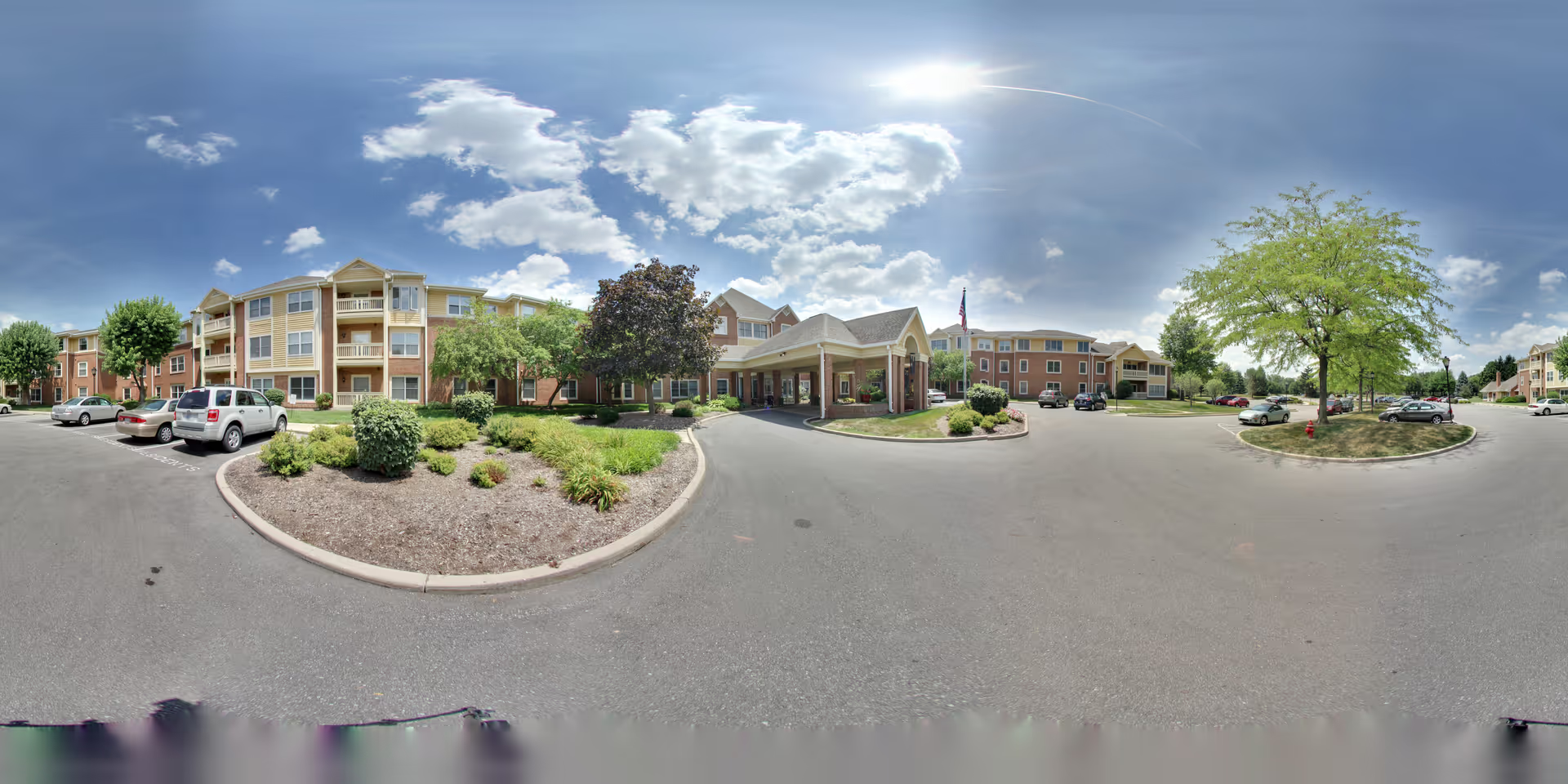
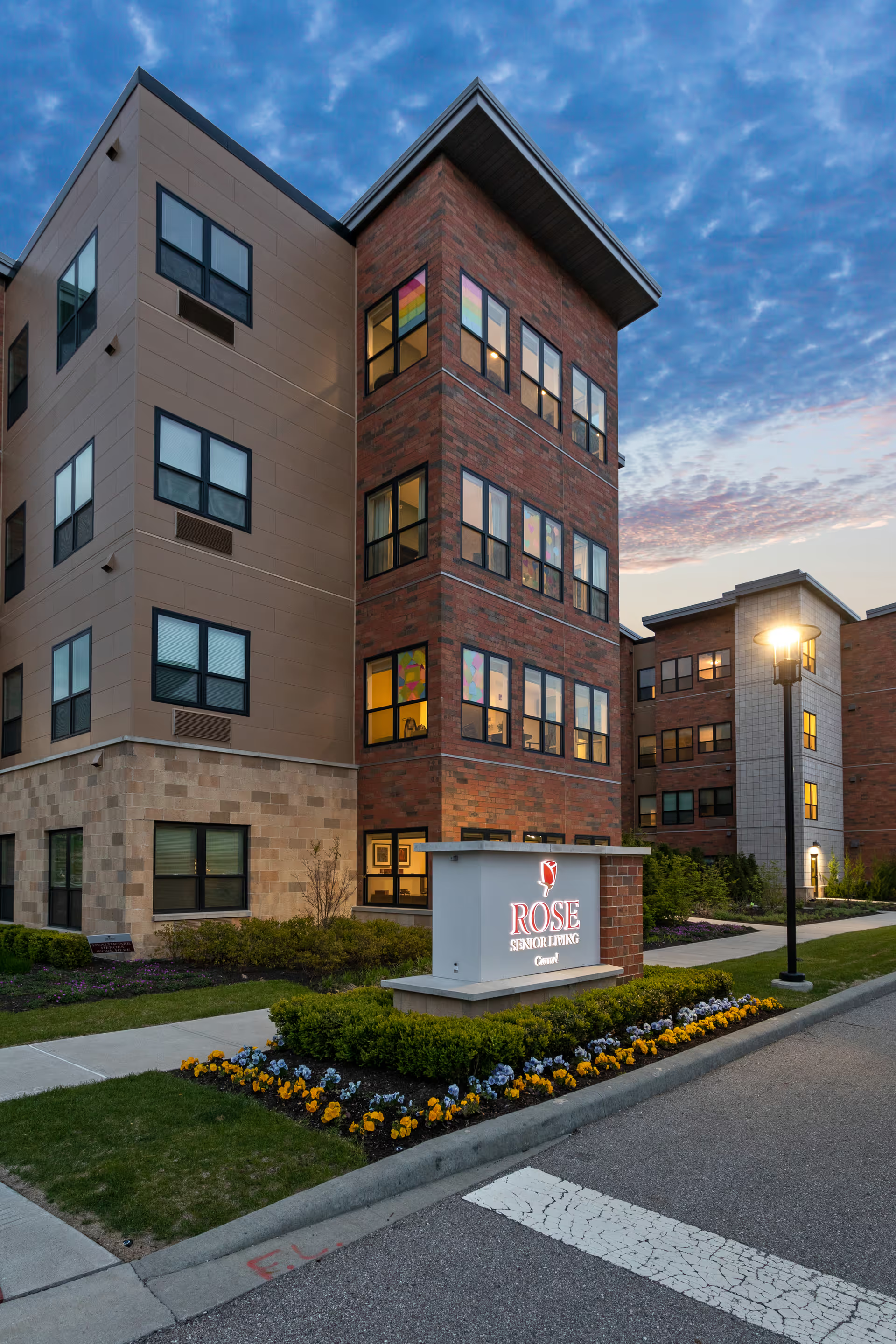
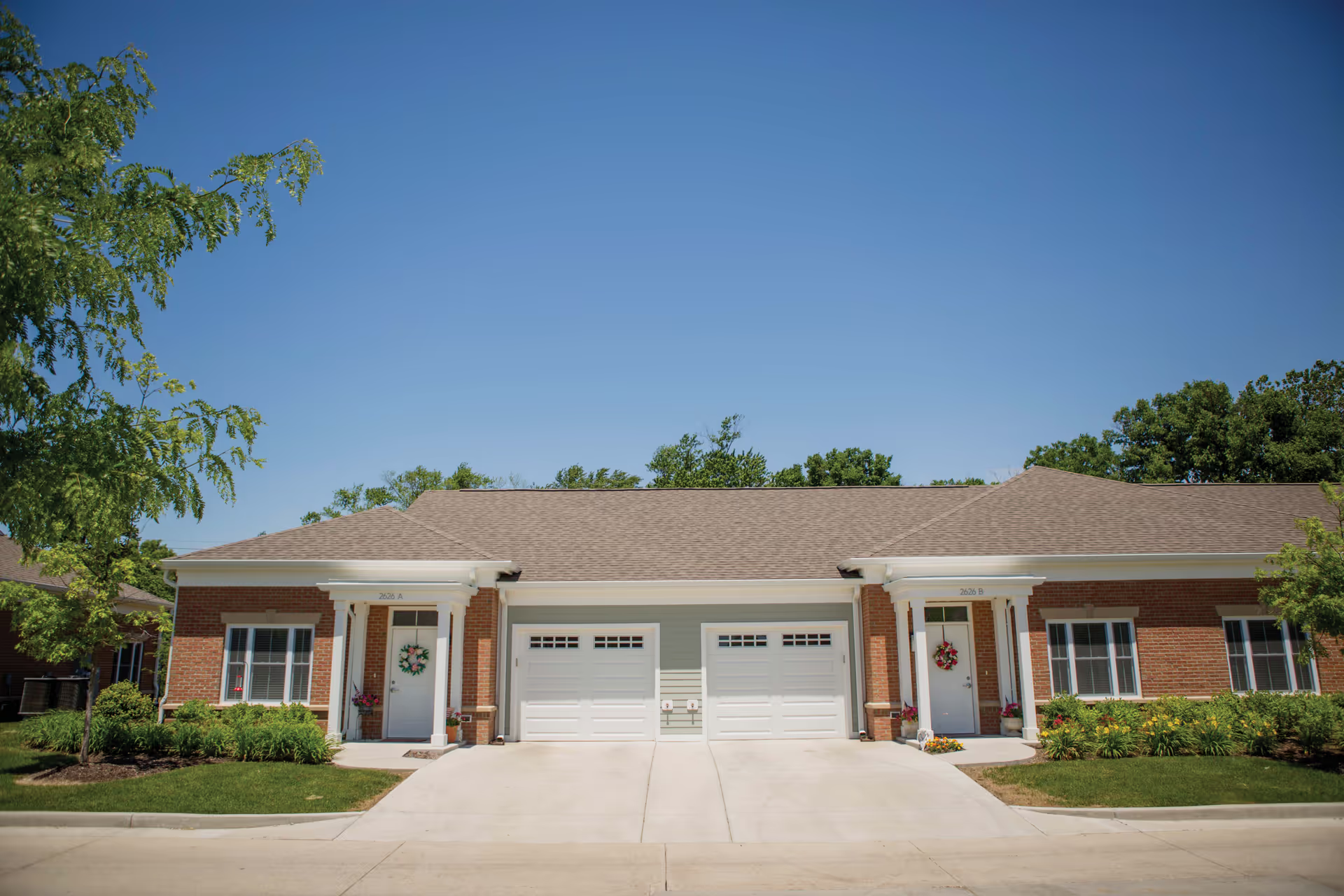
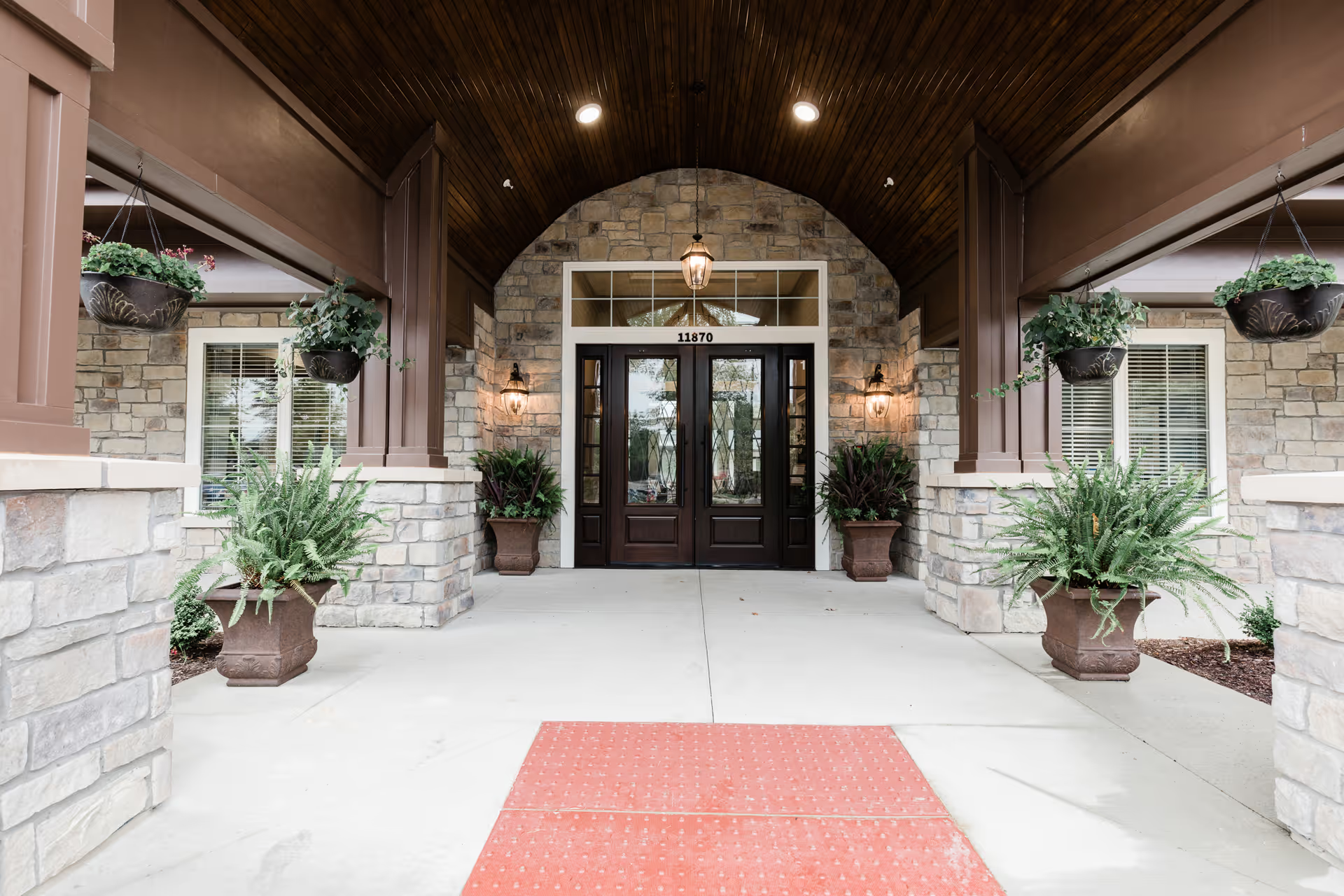
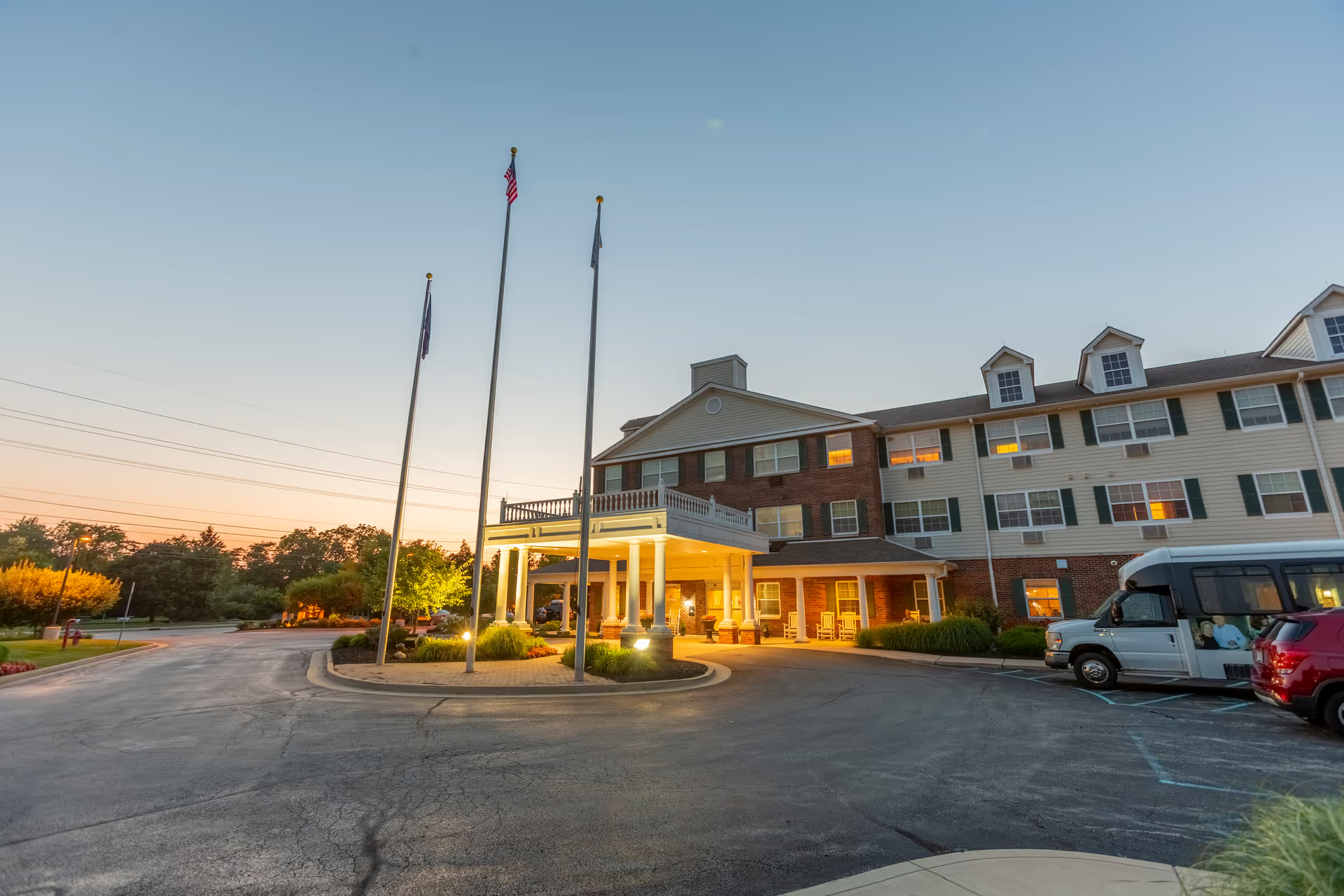
Facilities and safety: The building and grounds receive frequent praise for cleanliness and maintenance, and the accessible, mostly single-level layout is helpful for mobility. The secure memory-care wing is highlighted as providing safe opportunities for socialization. At the same time, operational concerns include pest-control issues in resident areas, inconsistent availability of basic supplies, and questions about asset control and personal-property security. A few comments suggest transfer- and mobility-safety practices may need review to reduce fall risk.
Management and operations: A clear pattern in the feedback is leadership instability and frequent management turnover, which families tie to declines in consistency for clinical and nonclinical services. Billing transparency and unexpected charge changes — including questions about Medicaid waiver room surcharges and billing communication — are recurrent frustrations. Communication gaps between families and leadership, occasional interruptions to program continuity, and supply-stock inconsistencies further contribute to perceptions of uneven operational oversight.
Notable patterns and considerations: Prospective residents and families should weigh the facility’s strengths — compassionate caregiving, well-maintained common areas, useful amenities, and Medicaid acceptance — against operational risks tied to leadership and process consistency. For families prioritizing clinical reliability and clear financial transparency, it is advisable to ask specific questions about current management tenure, medication-safety protocols, staffing levels, pest-control measures, property-security procedures, and written billing policies (including any Medicaid-waiver-related charges) before deciding. For those who value community atmosphere, activities, and onsite amenities, the facility offers many positive attributes, but direct clarification of the operational concerns above will help set realistic expectations.