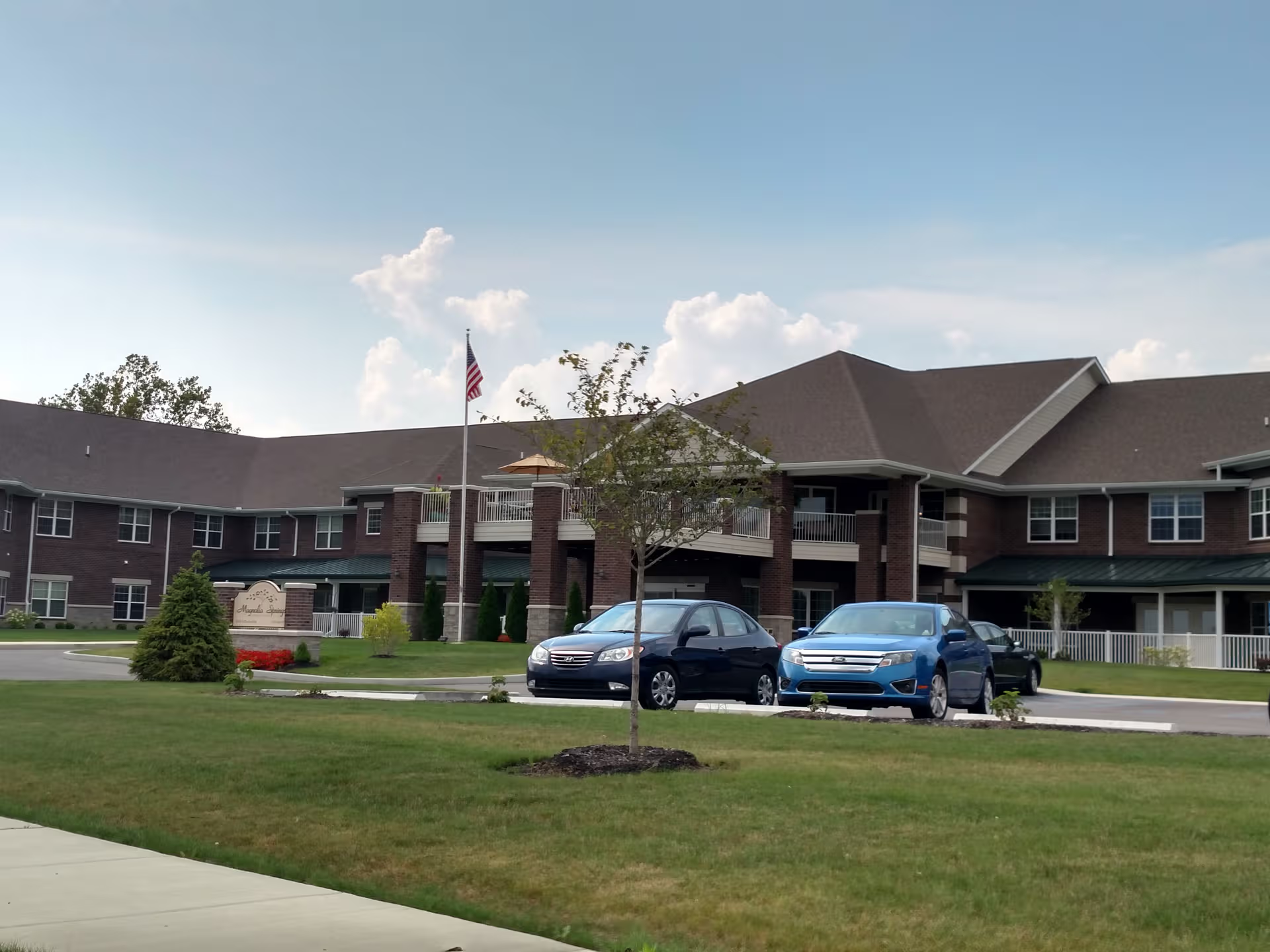
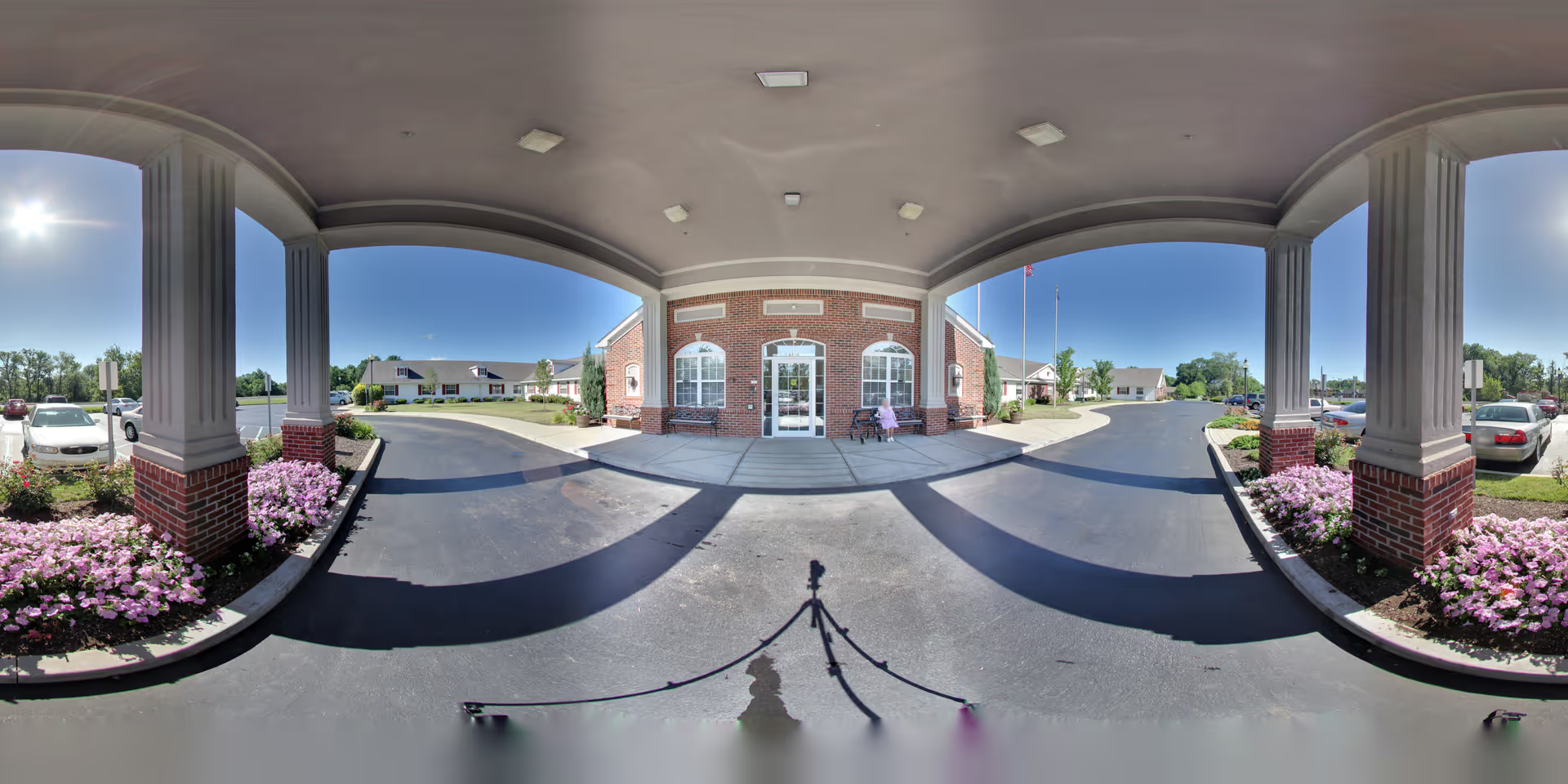
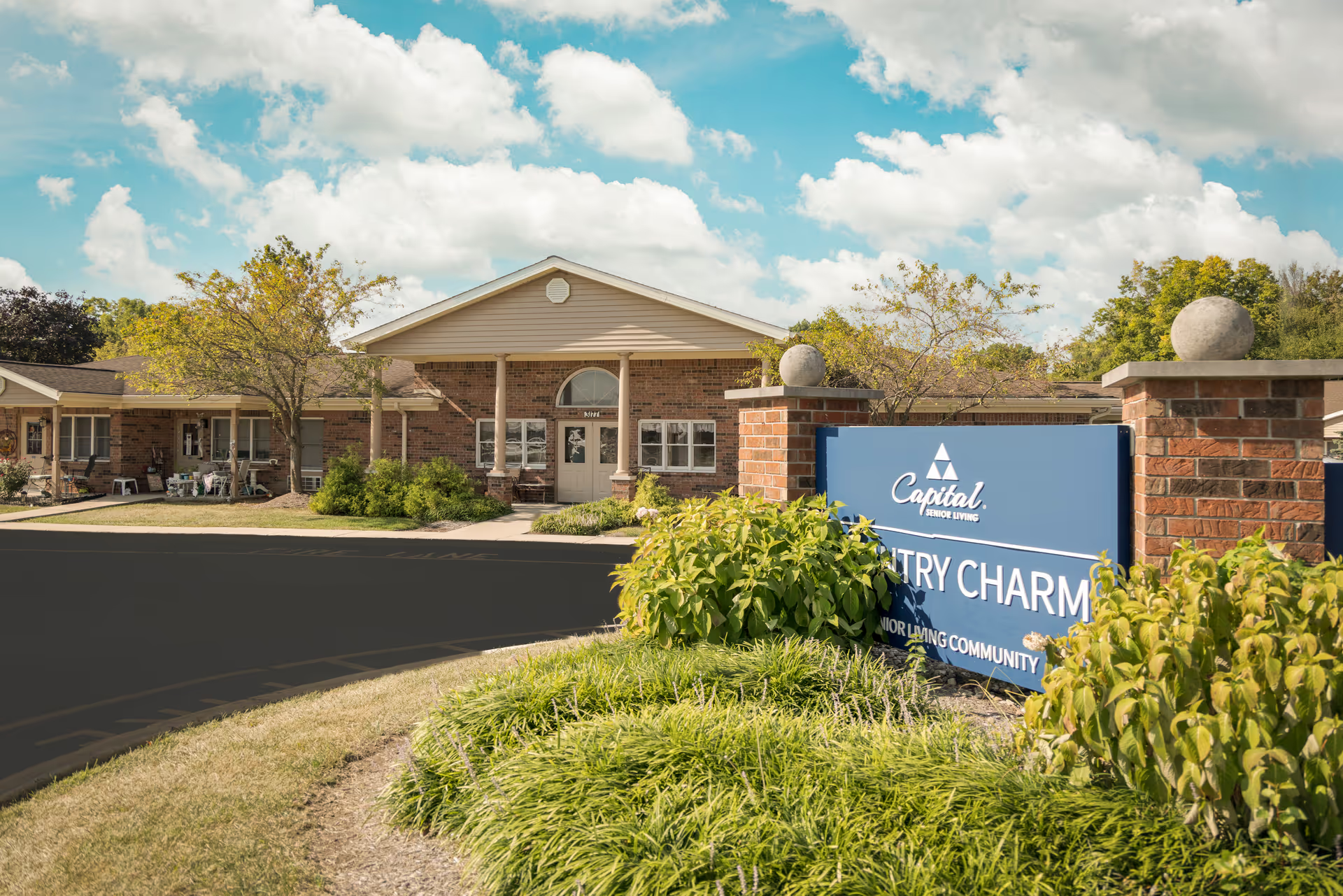
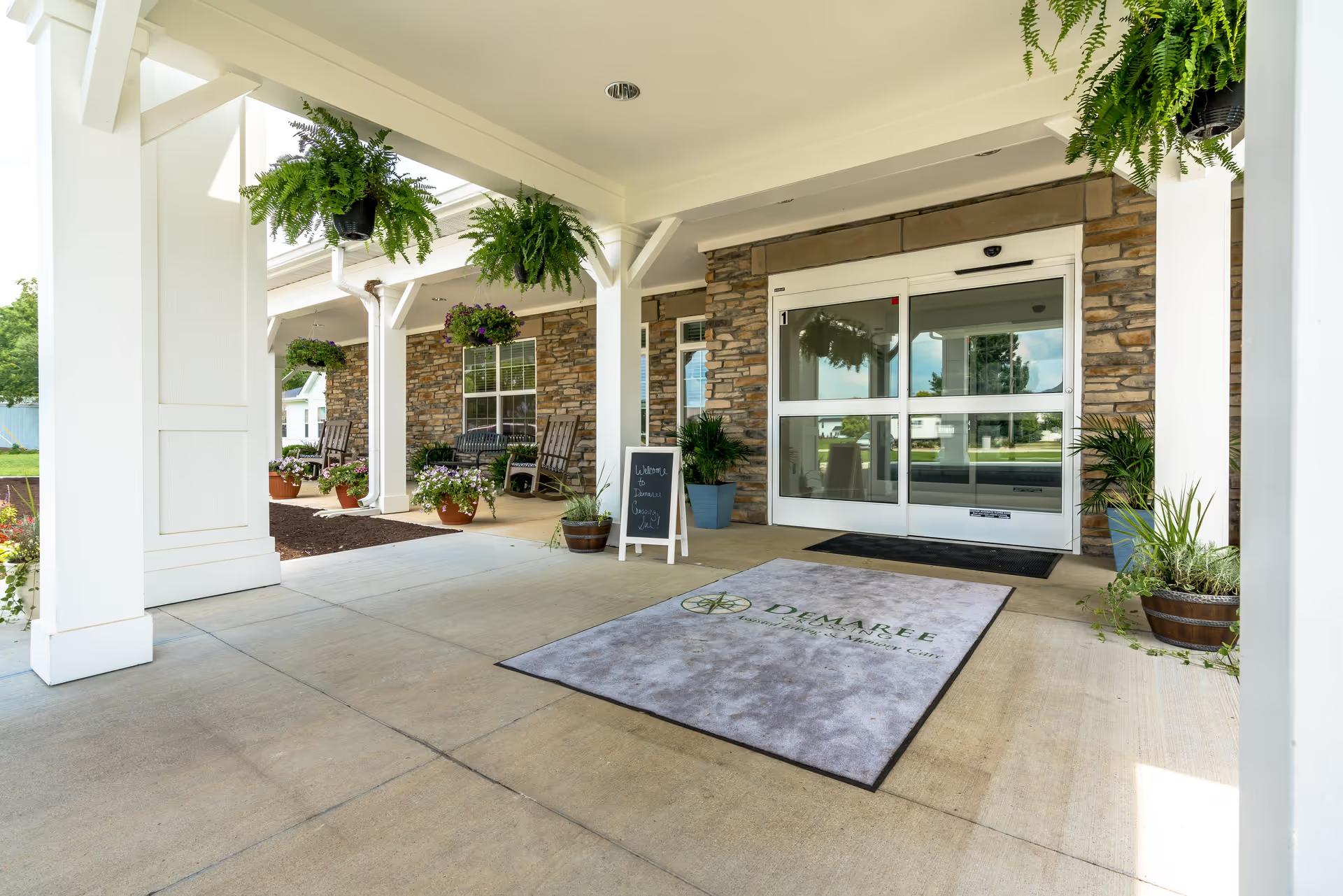
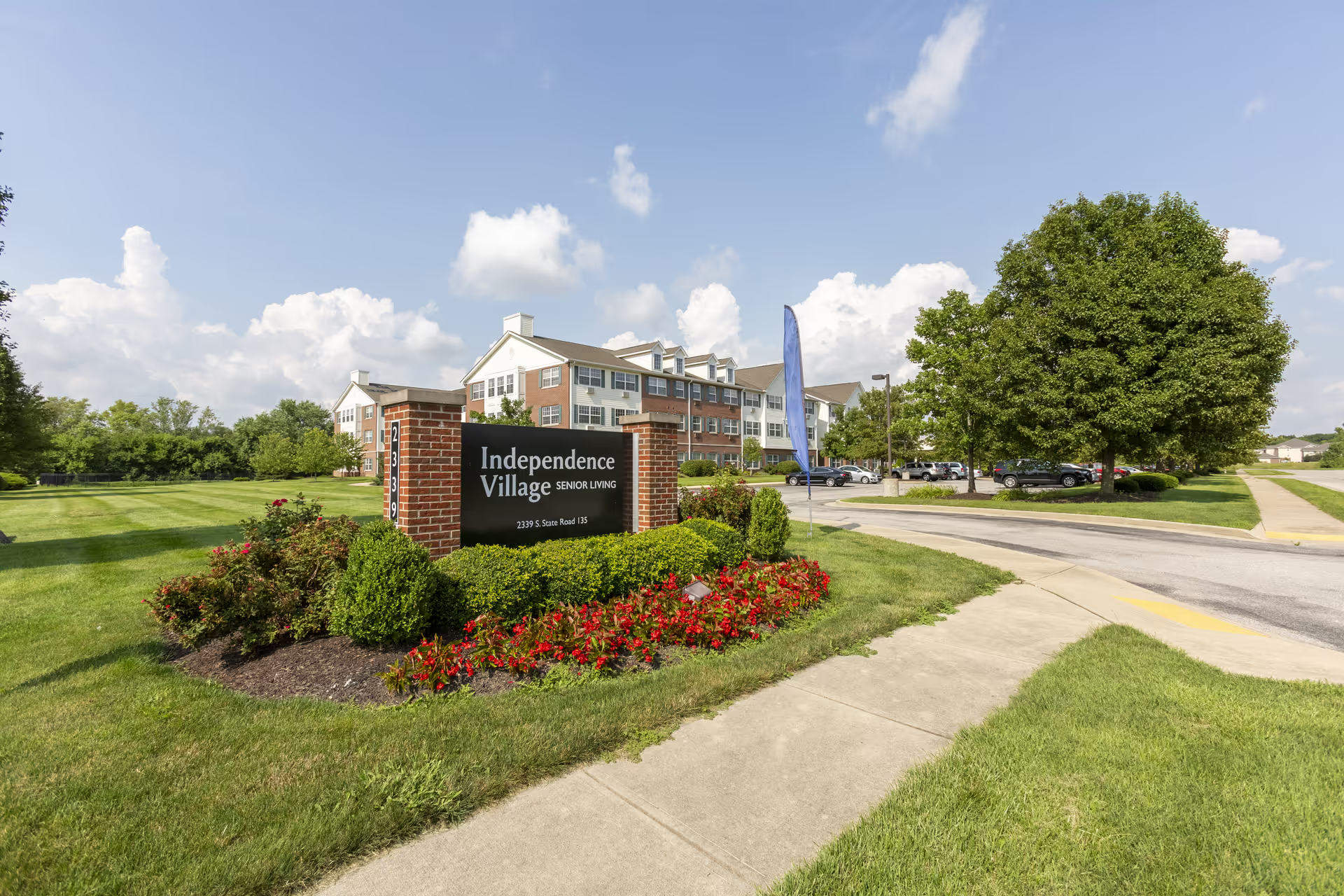
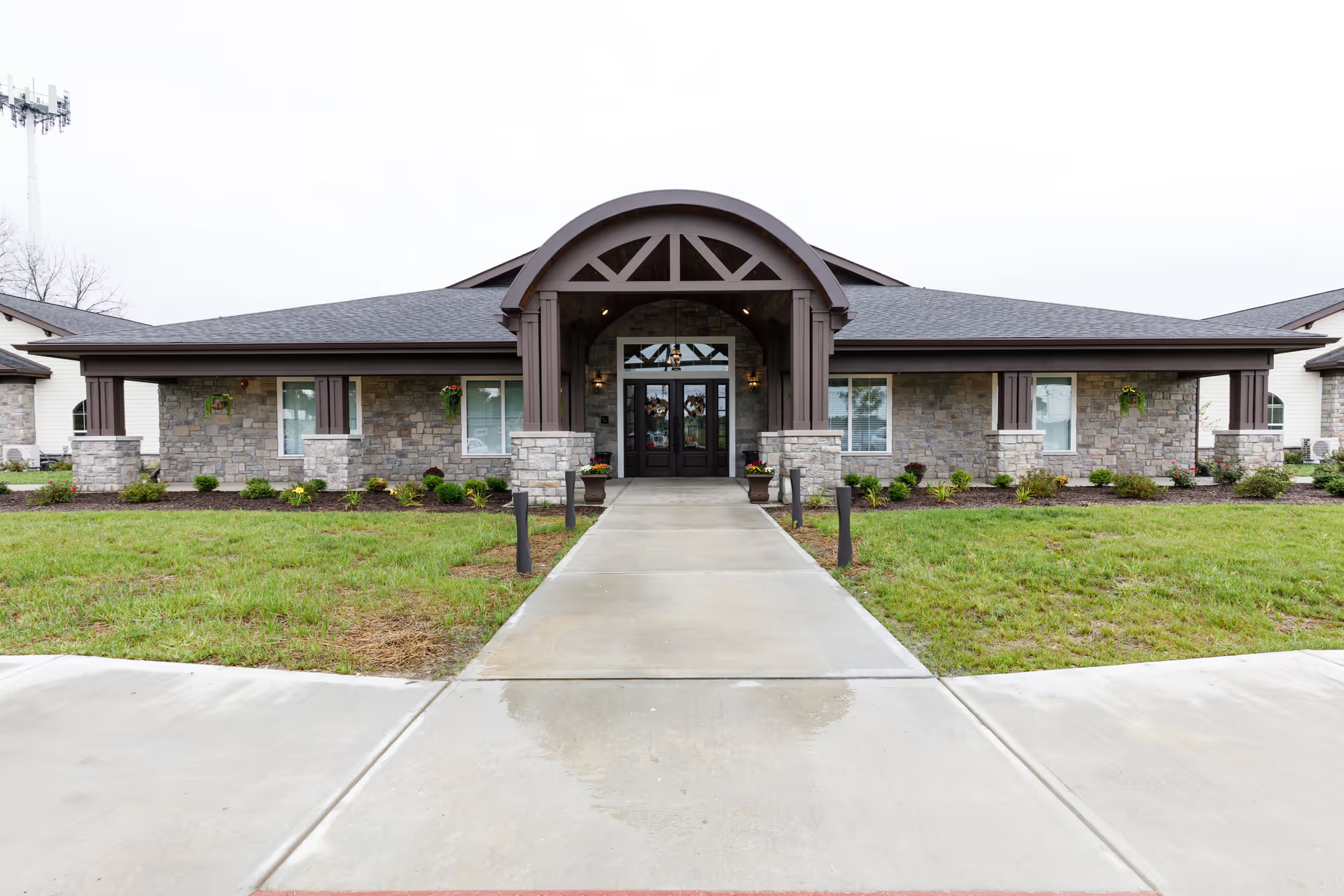
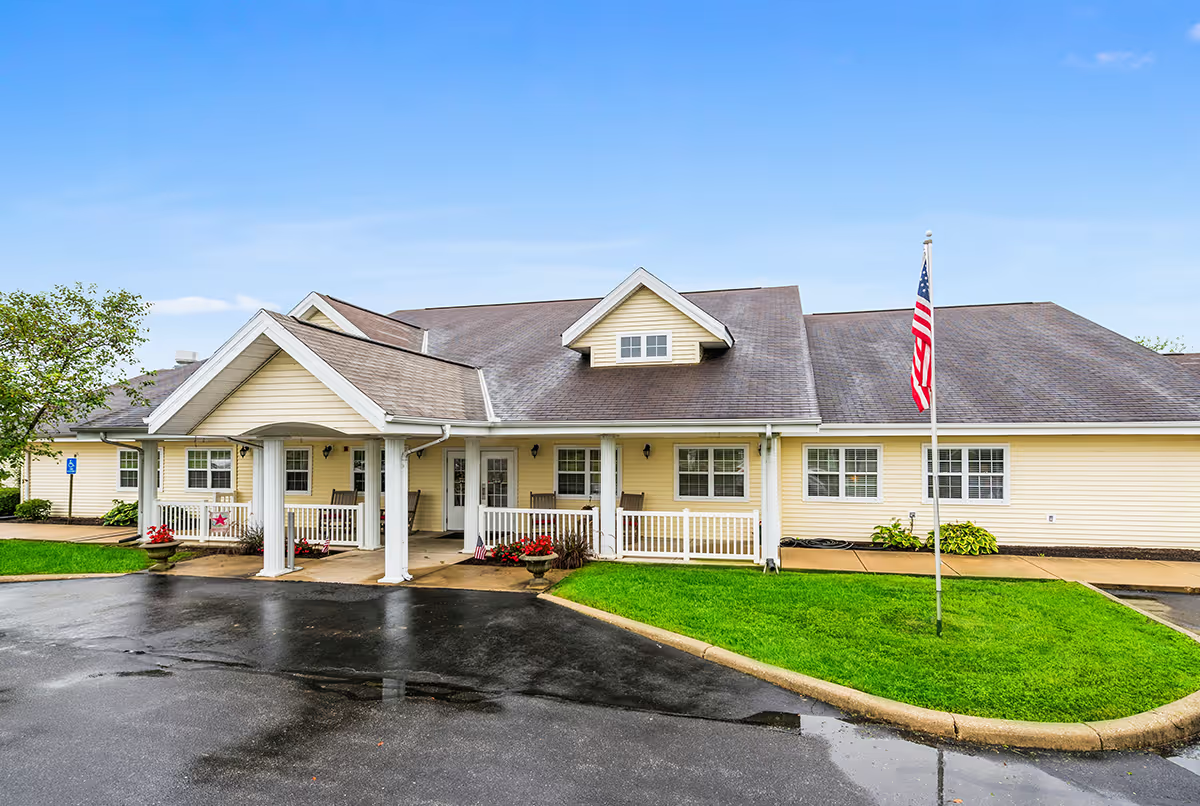
The reviews for Rosegate present a distinctly mixed picture: many families praise the facility’s clinical strengths and the compassion of individual staff members, while others describe operational lapses that they consider serious. Positive commentary centers on strong therapy offerings, attentive clinical leadership, and a supportive atmosphere in which some nurses and aides develop close, family-like relationships with residents. Several accounts highlight effective inpatient rehabilitation services, a structured activities program with outings and on-site entertainment, and available specialized services such as memory care, hospice, and a COPD-focused rehab pathway.
Care and staffing are the most polarized areas. On the positive side, reviewers frequently cite skilled physical and occupational therapists, timely physician involvement, and RNs or social workers who communicate proactively with families. Conversely, recurring concerns describe inconsistent staffing patterns (notably differences between day/night shifts and weekdays versus weekends), slow or missed responses to call lights, and delays in basic tasks such as bathing and linen changes. These responsiveness issues are associated in some reports with clinical consequences (weight change, hospital transfers) and with family distress. There are also repeated observations of variability in staff conduct and professionalism, including use of personal devices and perceived rudeness from particular shifts.
Dining and nutrition are another area of mixed feedback. The dining room experience is often described as acceptable to good, with varied menus and engaging dining spaces; however, in-room meal delivery and diet management are reported inconsistently. Complaints include cold trays delivered to rooms, inconsistent application of texture modifications, and concerns about hydration and monitoring of intake. Some families described significant weight loss or abrupt changes in diet plans; these comments point to potential gaps in nutrition monitoring and individualized meal planning.
Facilities and housekeeping show variability by unit and shift. Many reviewers describe a clean, homey environment and well-maintained common areas, while others report sanitation concerns, odor issues in certain areas, and pest-control needs. Housekeeping follow-through appears inconsistent, and families report episodic lapses in room maintenance and timely linen changes. There are also reports indicating safety supervision challenges related to roommate dynamics and transfers that warrant attention to room assignments and transfer protocols.
Management and organizational practices receive both praise and critique. Some families commend admissions staff, hospice coordination, and clinicians who keep families informed. At the same time, persistent themes include perceived poor responsiveness from leadership to complaints, inconsistent grievance resolution, and scheduling or supply-chain gaps (for example, supplies running out or delayed equipment setup). Infection-control practices were described as uneven during pandemic periods, with the pandemic also cited as a reason for slowed rehab progress in some cases.
Notable patterns for prospective residents and families to evaluate in person include: current staffing ratios across shifts and weekends; average call-light response times and night-shift practices; written protocols for nutrition monitoring and diet changes; medication-administration and documentation practices; housekeeping schedules and pest control measures; and the facility’s complaint/escalation and discharge-planning processes. Given the range of experiences, a site visit, conversations with unit managers, review of recent inspection reports, and asking for references from current families are advisable steps for anyone considering Rosegate.