Reviews for University Heights Health & Living Community show a strongly bimodal pattern: a substantive set of families and former residents describe high-quality, compassionate care—especially in therapy, activities, maintenance, and among certain nurses and CNAs—while another substantial set report systemic operational problems that affect day-to-day care. The facility's rehabilitation program, therapy staff, and activities department receive frequent praise for clinical skill, engagement, and improving residents' mobility and mood. Specific employees and teams (therapy, maintenance, certain nurses and CNAs, and the activities director) are repeatedly identified as positive contributors to resident experience.
Care quality and clinical operations are uneven. Several reviewers describe timely, attentive nursing and successful rehabilitation episodes, but a recurring theme is variability: missed or delayed medication doses, slow delivery of pain and antibiotic medications, and other medication-management lapses that create safety concerns in some cases. There are also multiple mentions of gaps in clinical follow-through — for example, wound and infection management and inconsistent assistance with activities of daily living — which suggest weaknesses in oversight and consistency of care across shifts.
Staffing and communication are central drivers of both praise and criticism. Positive comments highlight compassionate, dedicated staff who go beyond expectations and foster a family-like environment. At the same time, understaffing, shift-to-shift inconsistency, high turnover, and language-barrier or nurse-station noise issues are cited as contributors to long call-light response times, delayed assistance with feeding and hygiene tasks, and uneven family communication. Several families described frustration with unanswered phone calls, delayed follow-up on insurance/authorization matters, and perceived lack of managerial accountability for recurring problems.
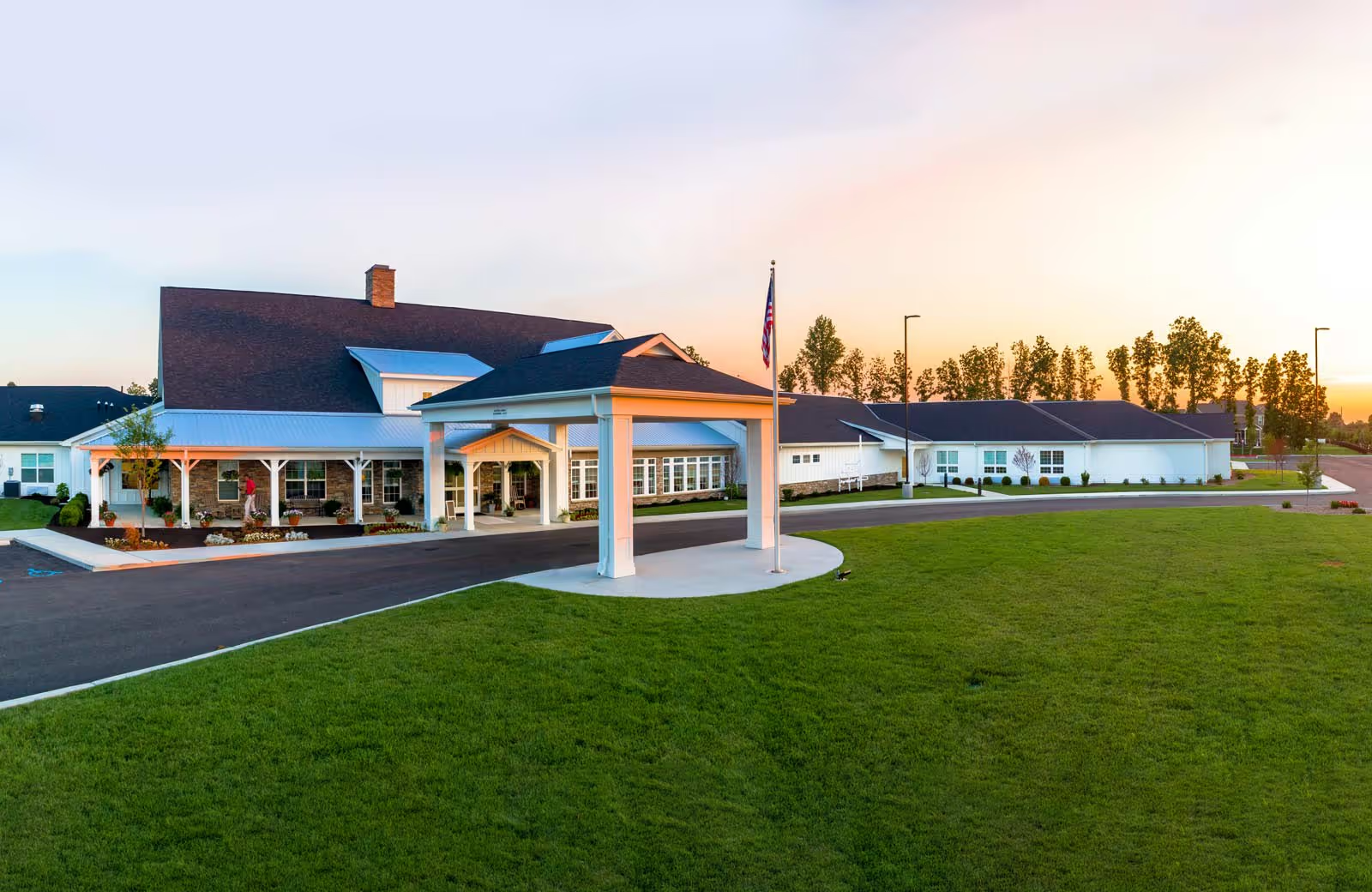
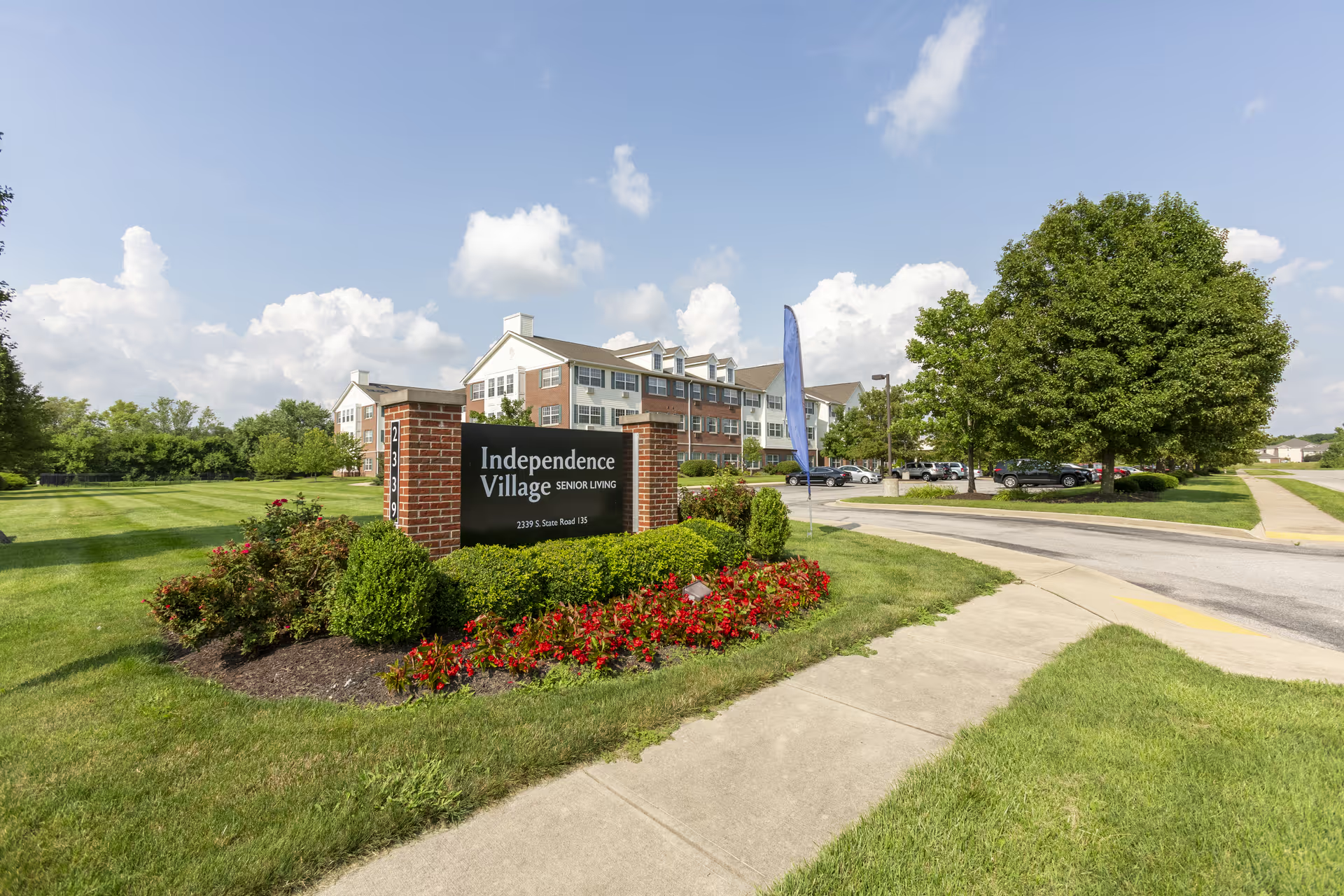
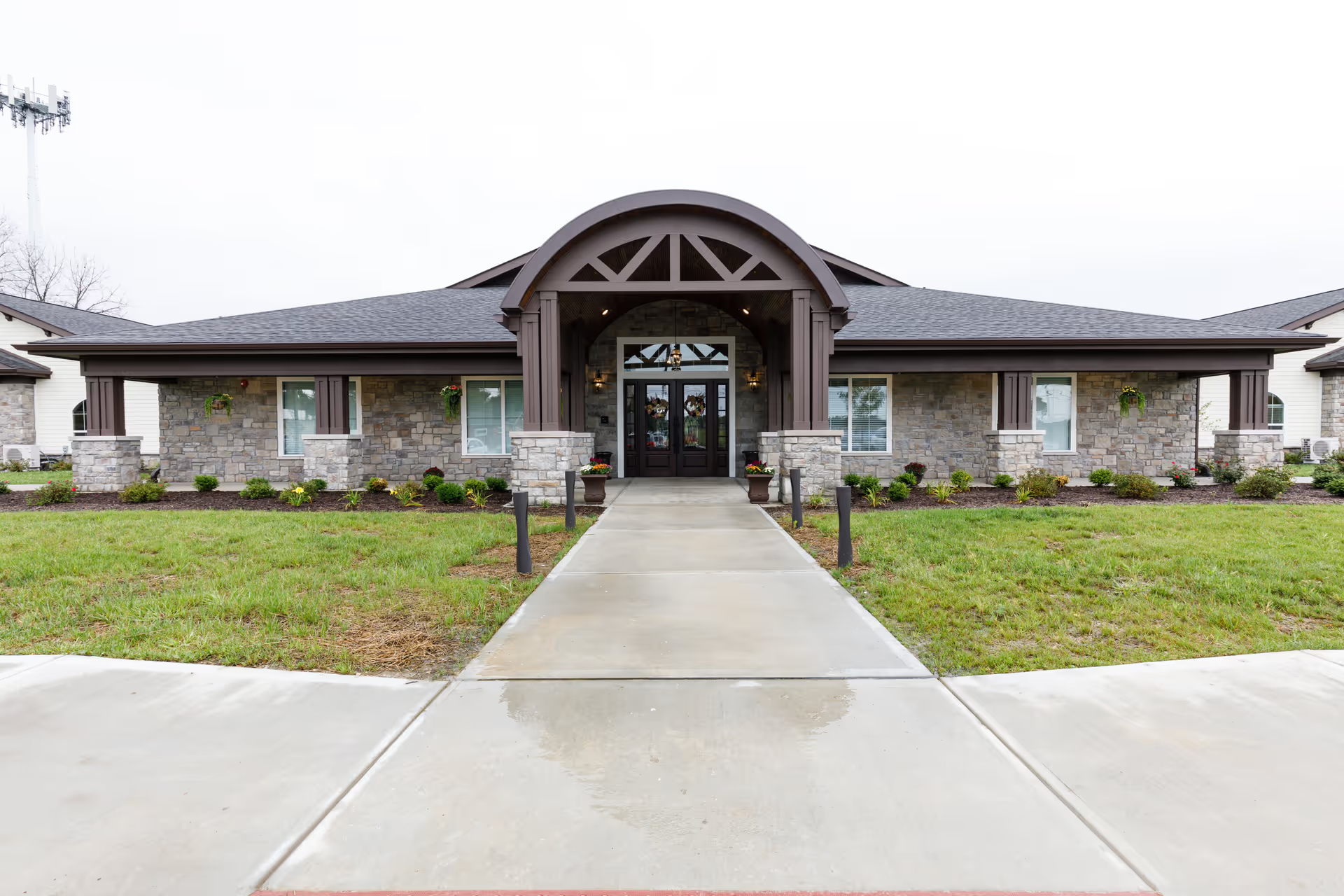
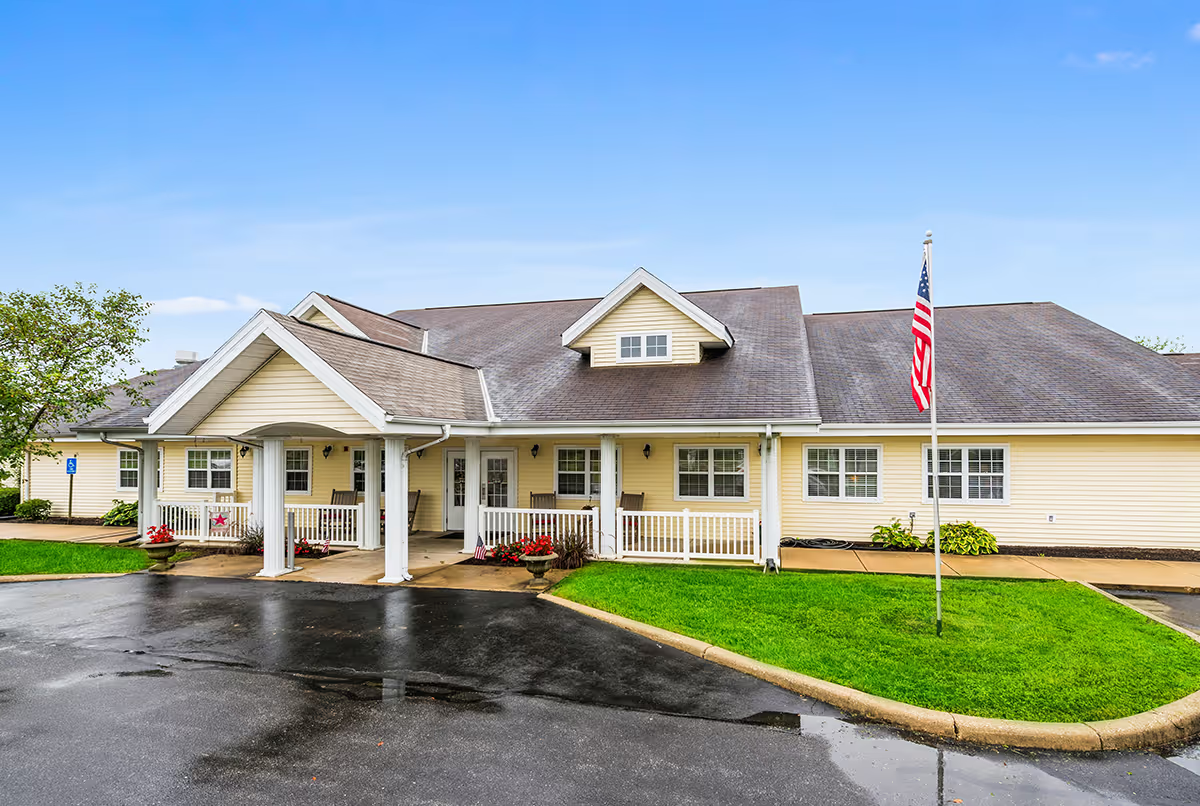
Dining, housekeeping, and laundry show mixed performance. The facility's building, common areas, and many rooms are described as clean and attractive, and some staff are praised for housekeeping responsiveness. However, there are repeated notes about inconsistent meal temperature and delivery timing, occasional missed feedings, and lapses in laundry return or linens. These operational inconsistencies affect resident comfort and satisfaction even where therapeutic care is otherwise strong.
Activities and community life are clear strengths. The activities team and directors receive widespread positive comments for programming quality, social engagement, and individualized events that improve emotional and social health. Maintenance and certain administrative staff are also highlighted for responsiveness and efforts to improve the facility's appearance and resident comfort.
Management and oversight show mixed impressions. Admissions and some front-desk coordinators are praised for responsiveness, while other families describe poor responsiveness from management when they raise concerns. There are accounts of regulatory involvement and an internal/state review process; at least one regulatory review was described as finding claims unsubstantiated, while families expressed ongoing dissatisfaction with resolution. There are also serious individual-level claims, including allegations of medication diversion, which warrant direct inquiry and transparent documentation by facility leadership.
Notable patterns for prospective residents and families: (1) Care experience may depend heavily on shift, unit, and particular staff assigned; (2) rehabilitation and therapy services are a relative strength and often reported as effective for discharge planning; (3) operational practices—medication administration, call-light responsiveness, laundry, meal delivery, and family communication—are the most commonly cited areas of concern; and (4) several named staff and departments consistently receive strong praise, indicating pockets of very good practice.
Families considering this facility should meet the therapy and nursing teams, ask about current staffing ratios and turnover, review medication-administration and incident-notification protocols, and observe mealtime and call-light responsiveness during different shifts. Request documentation of infection-control, wound-care, laundry processes, and how financial/self-pay policies affect care continuity. These targeted questions can help determine whether the facility's strengths align with an individual resident's needs and whether operational risks are being actively managed by leadership.