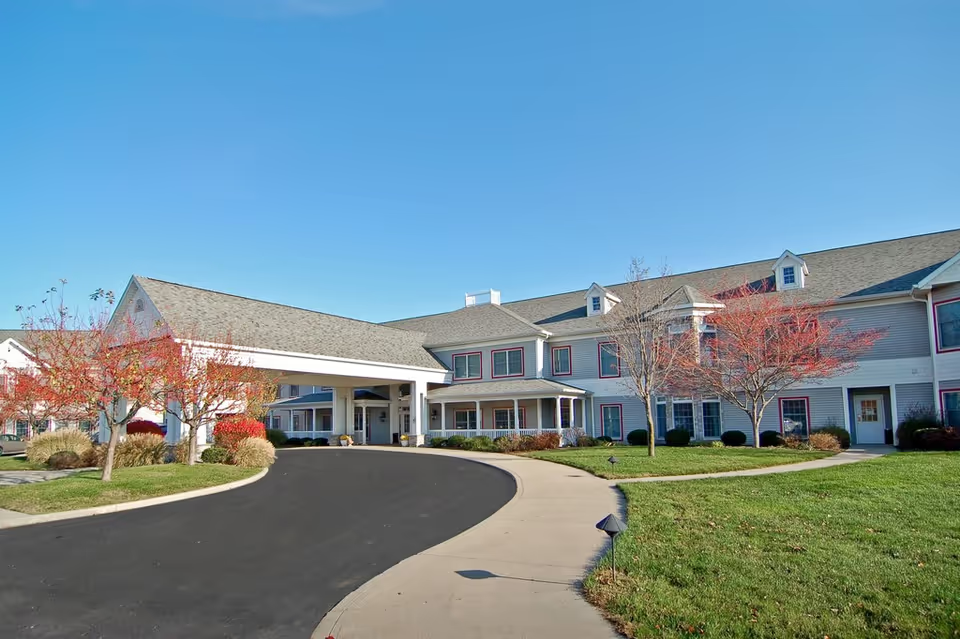
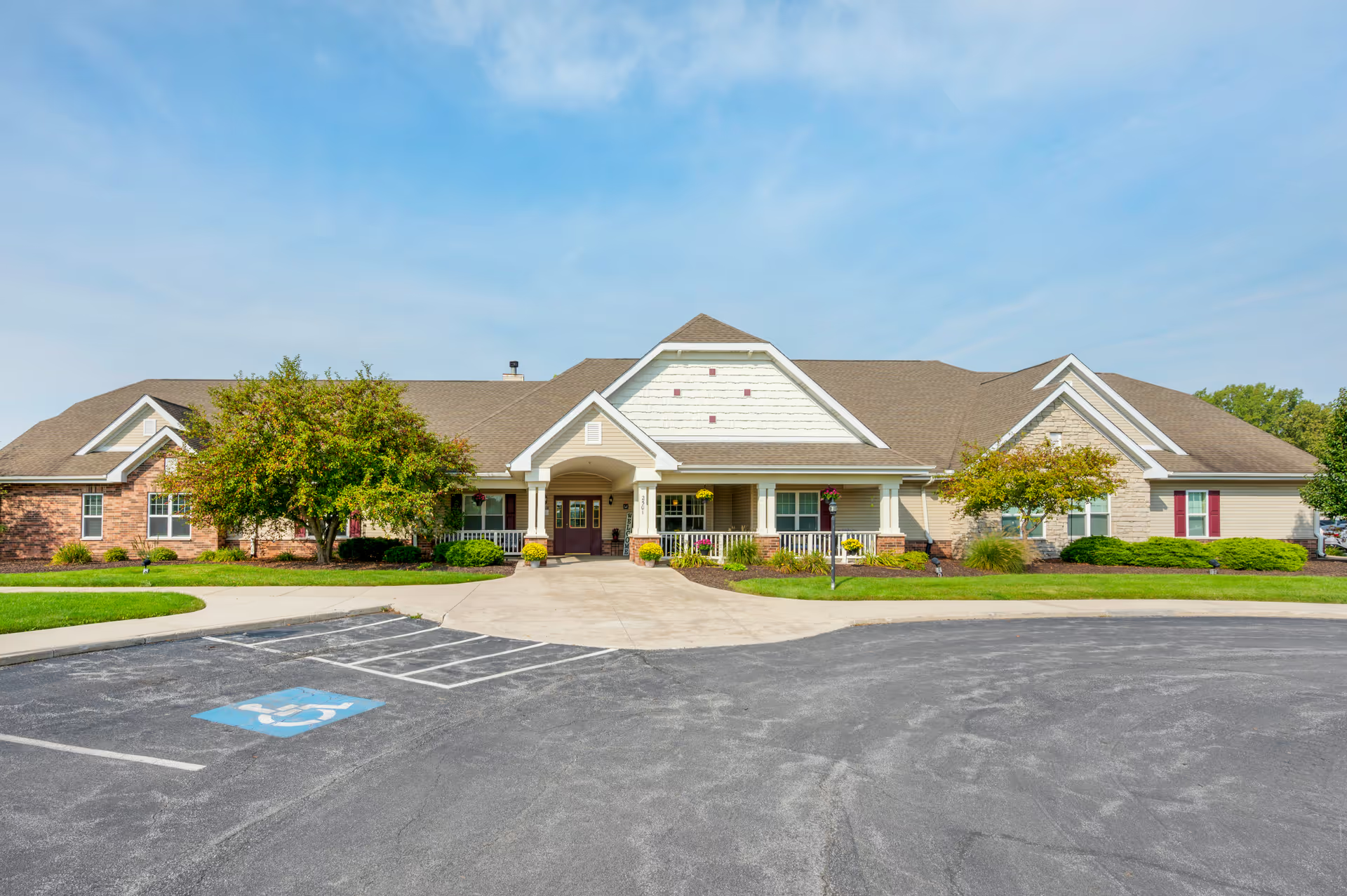
Wintersong Village presents a mixed but largely favorable profile for prospective residents seeking strong rehabilitation and a comfortable residential setting. The facility's rehabilitation services are consistently highlighted as a major strength: therapy staff are described as effective, outcome-focused, and personally engaged, delivering high-quality, individualized rehab. Families and residents frequently emphasize a close personal connection with caregivers and a smaller, more intimate facility atmosphere that can contribute to a comfortable recovery experience.
Staff-related strengths extend beyond therapy. Multiple accounts describe warmth, compassion, professionalism, and clinical knowledge among nursing and support staff. Reviewers cite open family communication and comprehensive care programming as positive operational features; these strengths appear to support transitions into and out of rehab and to foster active participation in social and enrichment activities.
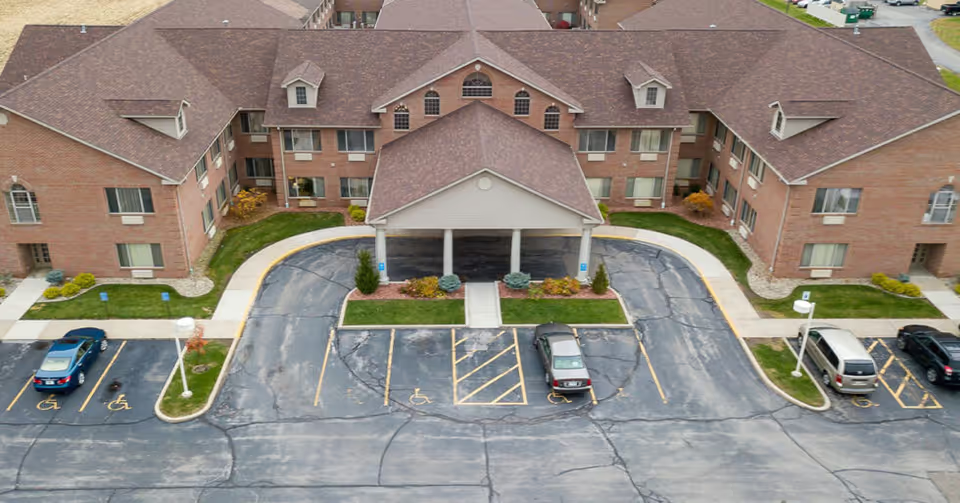
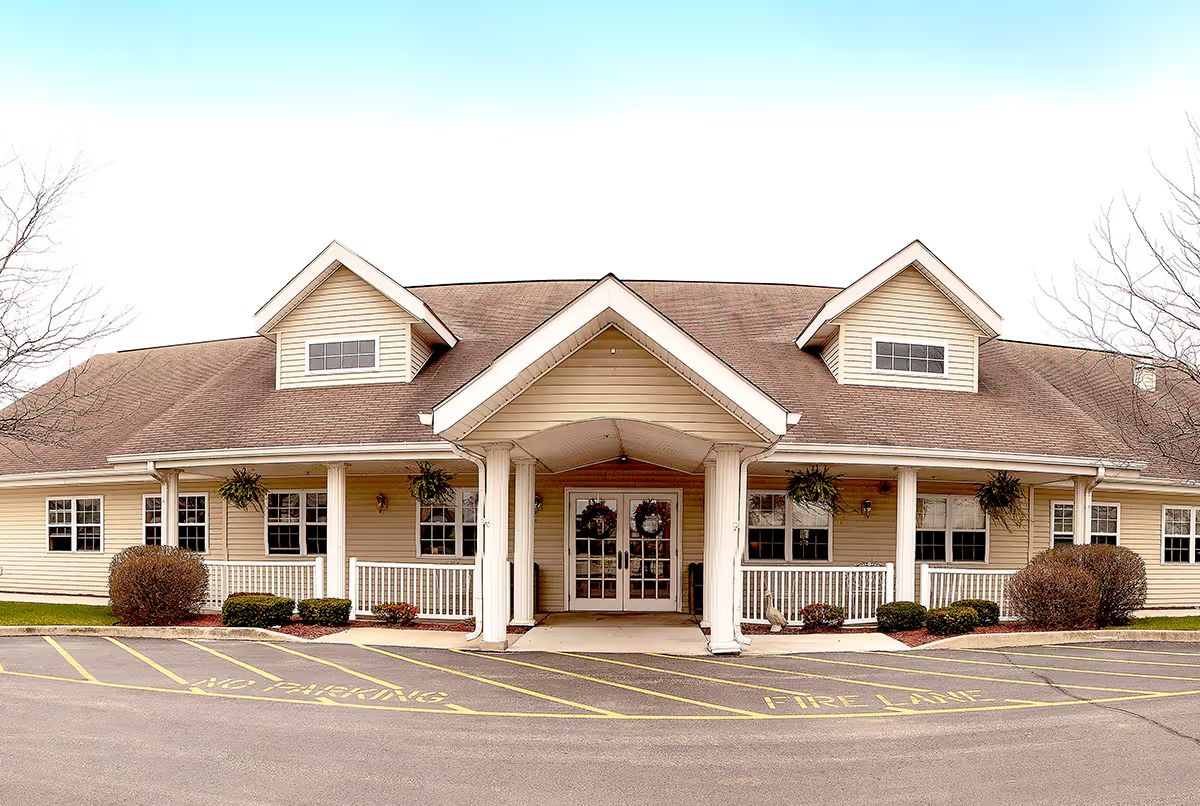
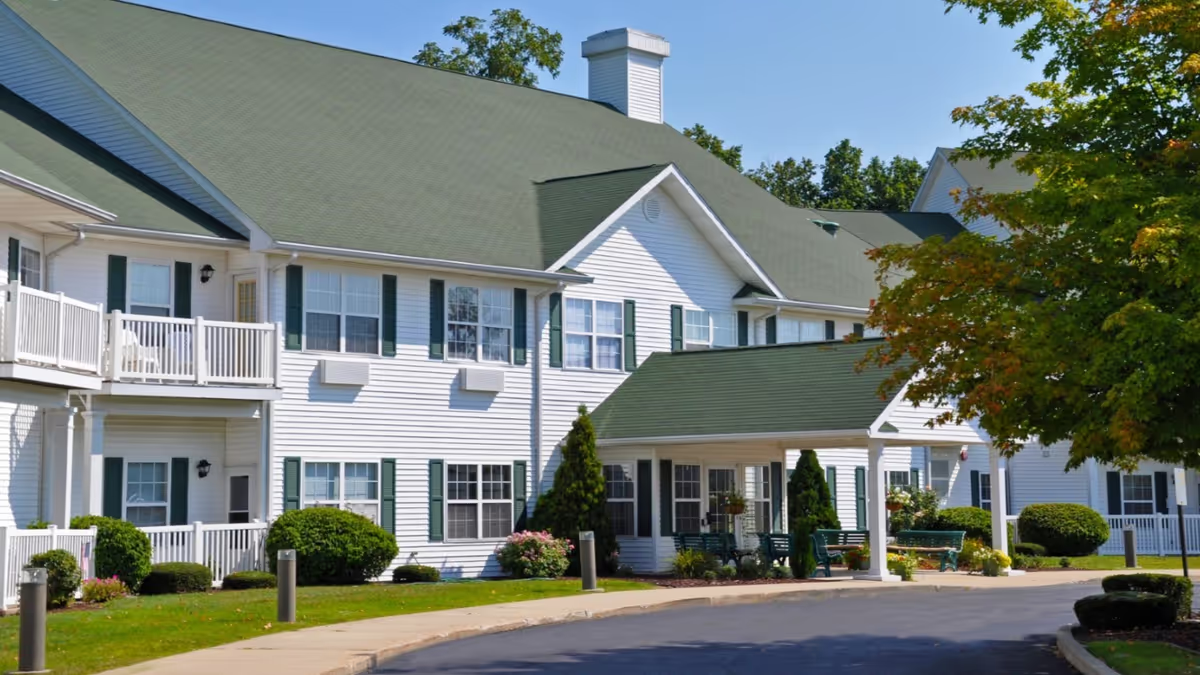
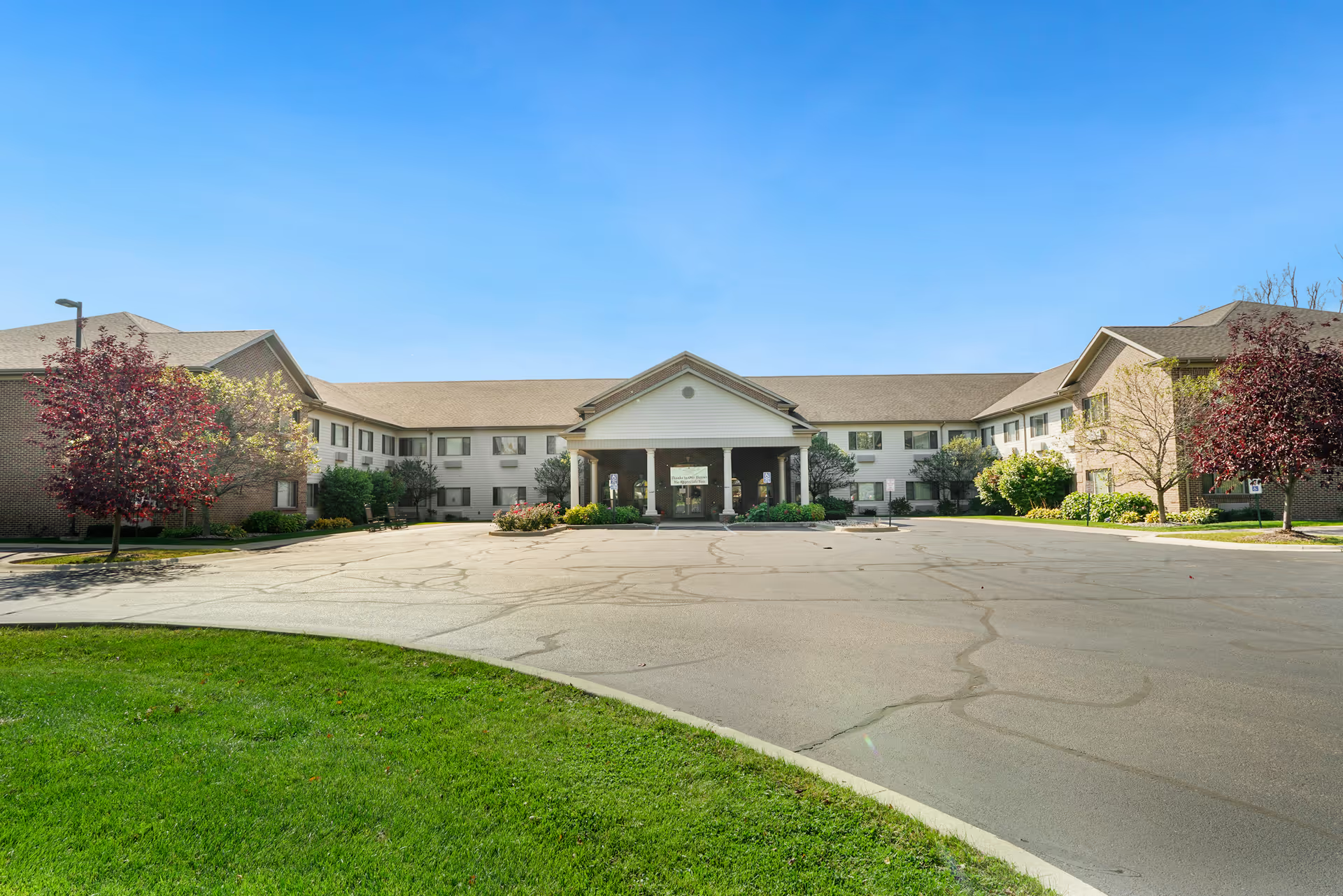
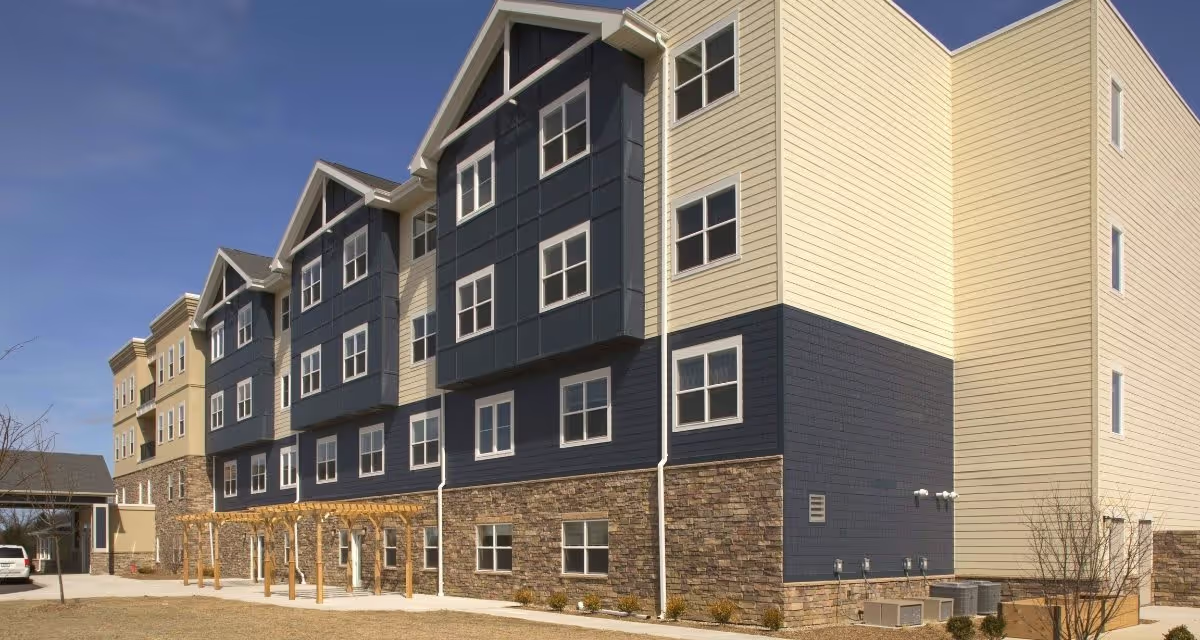
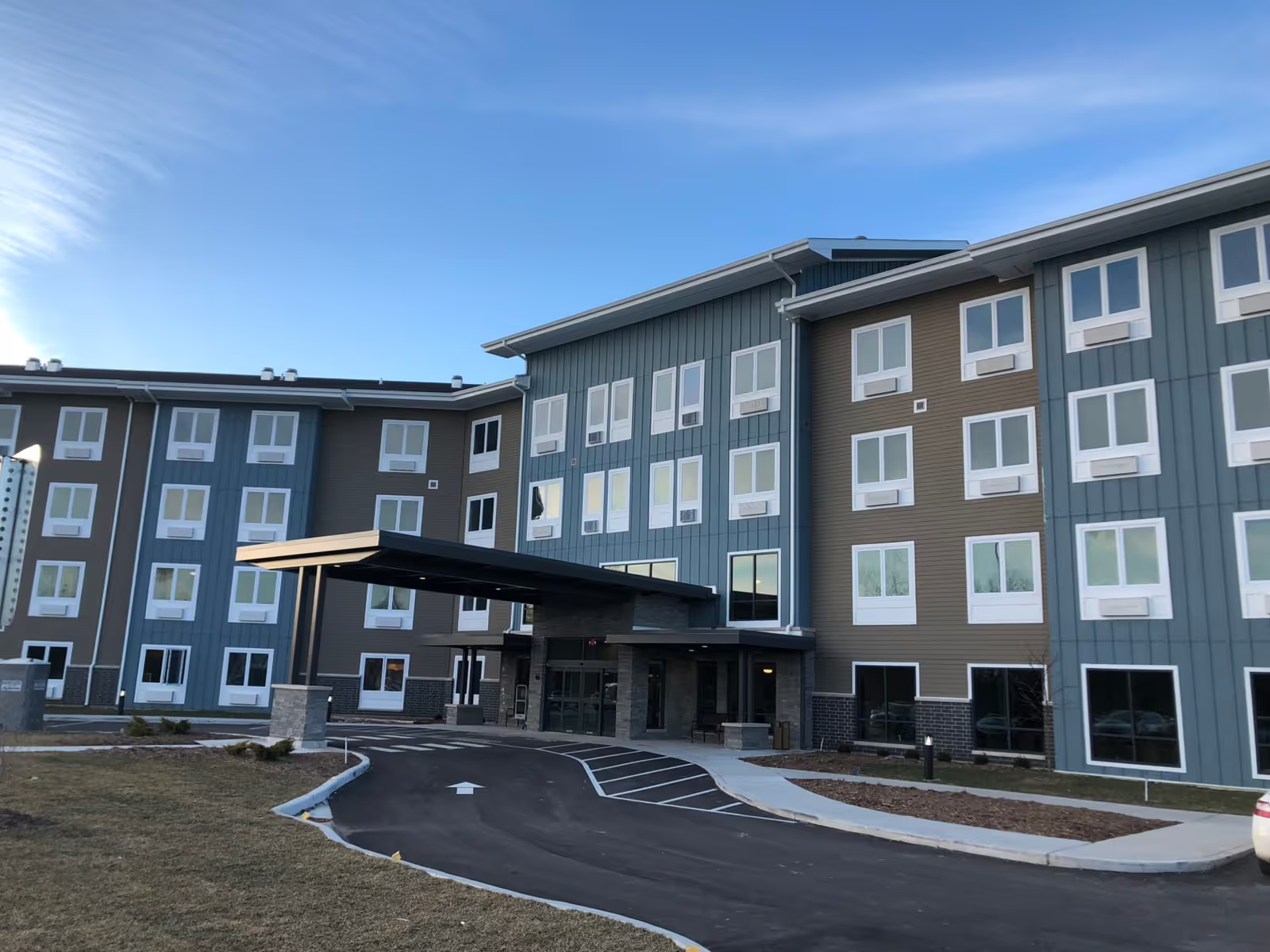
Dining, activities, and facilities are also noted positively in several areas. The building and common areas are described as clean and well-maintained, with amenities and structured activities that many residents find stimulating. Programming and enrichment opportunities are presented as a reliable component of daily life, reinforcing the facility's social and therapeutic environment.
However, reviews also identify several operational concerns that prospective families should investigate further. There are indications of gaps in medication-administration controls, including failures to recognize or act on allergy information and other medication-management inconsistencies. Pain management practices are described as limited in some cases, suggesting potential restrictions in analgesic options or in responsiveness to evolving pain needs. Dining-related issues include instances of dietary plans or therapeutic-meal oversight that do not align with residents' medical needs, such as carbohydrate-heavy offerings for residents with diabetes.
Infection-control and sanitation practices emerged as another concern; at least one account pointed to improper handling or cleaning of hygiene-related equipment, which raises the importance of reviewing the facility's sanitation protocols. Reviewers also describe episodes that reflect weaknesses in personal-property management and resident privacy safeguards (for example, items being moved between rooms) and note occasions when communication tone or conduct left residents feeling disrespected.
Taken together, Wintersong Village offers strong rehabilitative care, attentive staff, and a well-maintained environment with engaging programming. At the same time, there are operational areas—medication administration, pain protocols, dietary oversight, sanitation procedures, property/privacy safeguards, and staff communication practices—that warrant targeted questions during a tour or intake meeting. Recommended due diligence includes asking for written medication and allergy protocols, examples of therapeutic-diet menus and oversight procedures, sanitation and infection-control policies, and specific measures the facility uses to protect resident property and dignity.