Reviews for Aperion Care Kokomo are polarized, with a substantial number of families and residents describing genuinely positive experiences while others raise significant operational concerns. Positive comments emphasize hands-on nursing and CNA attention, effective rehabilitation therapy, a robust activities schedule (including evening programs and pet visits), a clean and updated environment, and the convenience of being adjacent to a hospital. Several reviewers also highlighted accessible leadership and clinical coverage, family communication options such as FaceTime, and a welcoming, home-like culture among staff and residents.
Care quality narratives are mixed. Many reviewers praised individual caregivers and the therapy team for attentive, restorative care and timely clinical responsiveness; these accounts describe proactive clinicians and reassuring family communication. Conversely, other accounts indicate variability in clinical oversight that manifested as delays in responding to resident requests, concerns about infection and skin-integrity management, and instances of clinical deterioration requiring hospitalization. These contrasting reports point to inconsistent performance across shifts and units rather than uniformly poor or uniformly excellent clinical care.
Staff and culture likewise show a split pattern. Positive reports depict engaged, smiling, and supportive staff from reception to executive leadership and clinicians, creating a family-like atmosphere. Negative reports focus on inconsistent professionalism, curt or dismissive interactions, gossip among staff, and frequent turnover in nursing leadership that reviewers link to care continuity problems. Accessibility of leadership was sometimes noted as a strength (leaders reachable by phone) but leadership instability was also described as a source of operational weakness.
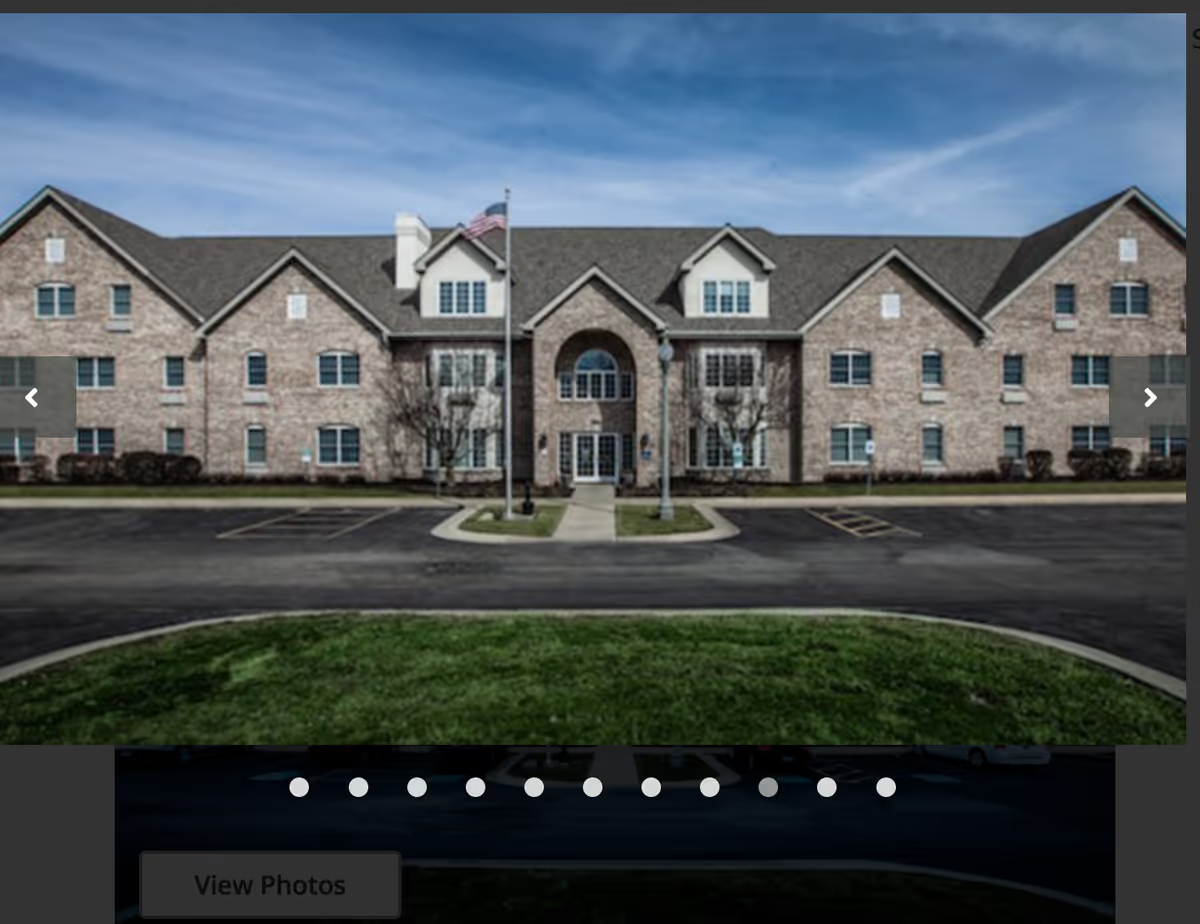
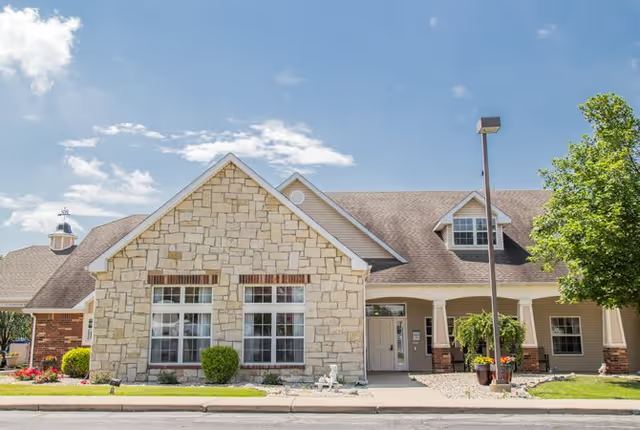
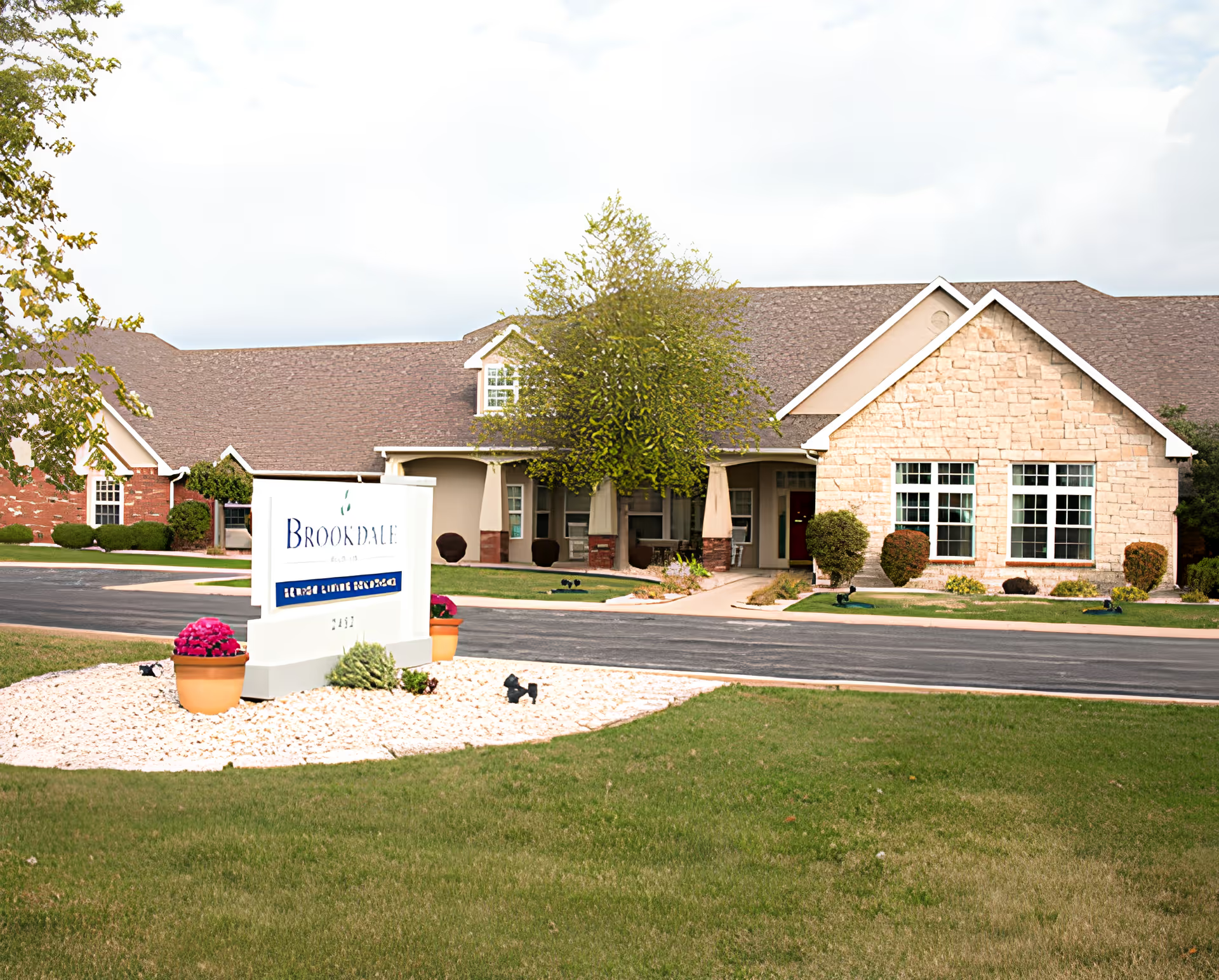
Facilities, dining, and activities receive favorable mentions overall: many reviewers found the building clean, updated, comfortable, and well supplied with meaningful activities and social opportunities. Food and meal-service were described positively by several families. That said, some reviews raised sanitation and odor concerns in specific areas and described lapses in basic incontinence and linen management, indicating inconsistent housekeeping or care processes in parts of the facility.
Management and communication emerge as a central theme in critical feedback. Reported issues include delays in discharge and care-transition coordination, gaps in timely incident reporting to families, inconsistent documentation practices, and concerns about medication administration controls. A small number of reviews include serious allegations about documentation and billing practices; such claims would warrant careful verification through official records or regulatory channels. Overall, reviewers advise prospective families to conduct an in-person visit, observe staffing during different shifts, ask detailed questions about staffing ratios, incident-reporting and medication protocols, and meet the therapy and nursing leadership to assess consistency.
In summary, Aperion Care Kokomo presents a mixture of clear strengths—especially in therapy, engaged caregivers, activities, and facility condition—and operational weaknesses centered on staffing consistency, clinical oversight, sanitation controls, and family communication. Prospective residents and families should weigh the polarized feedback, prioritize on-site assessments across multiple shifts, and request specific information about incident reporting, medication management, and recent leadership changes before making placement decisions.