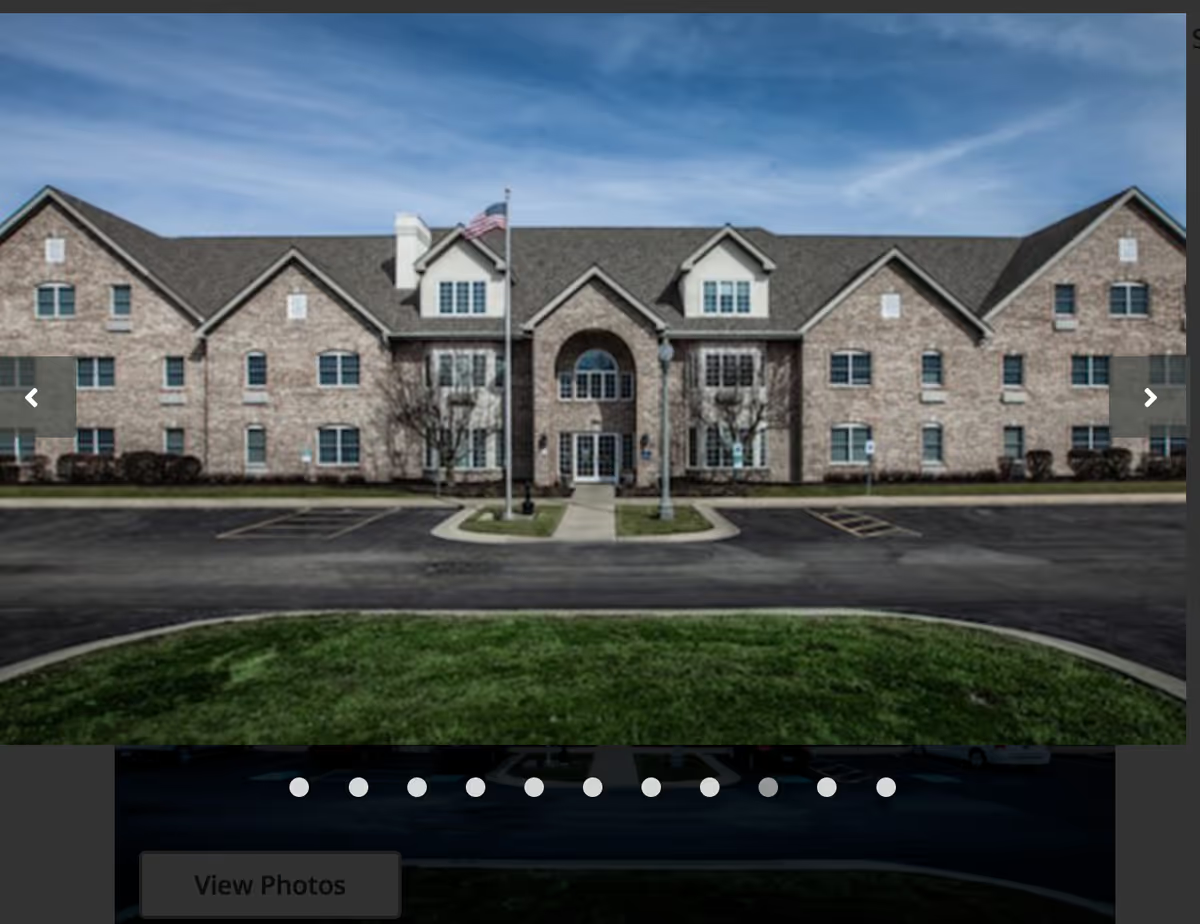
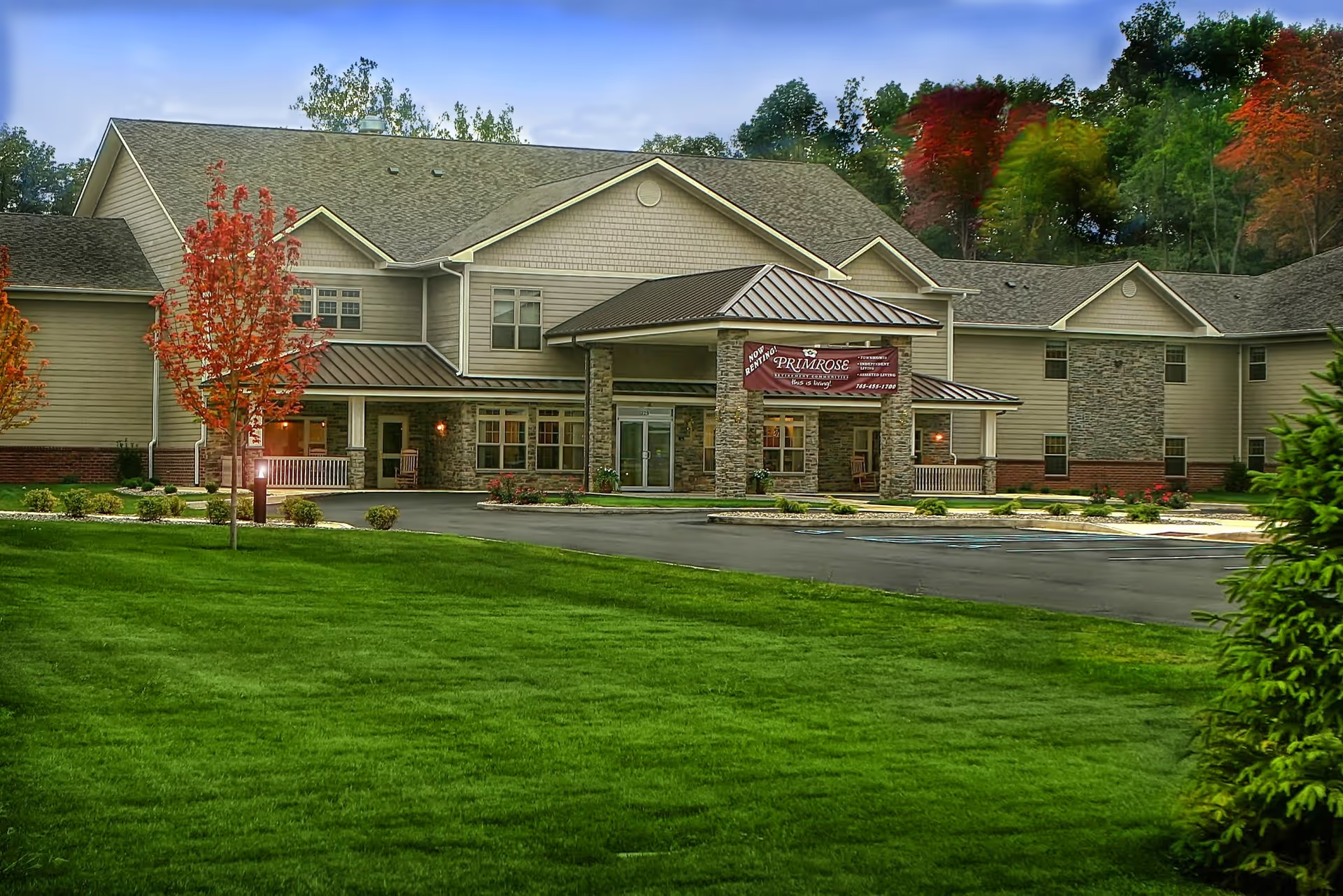
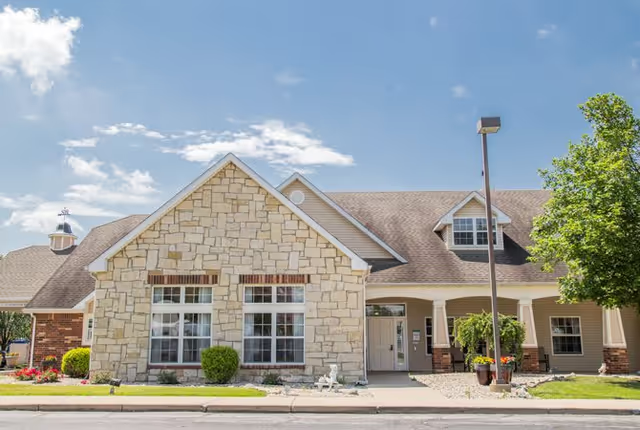
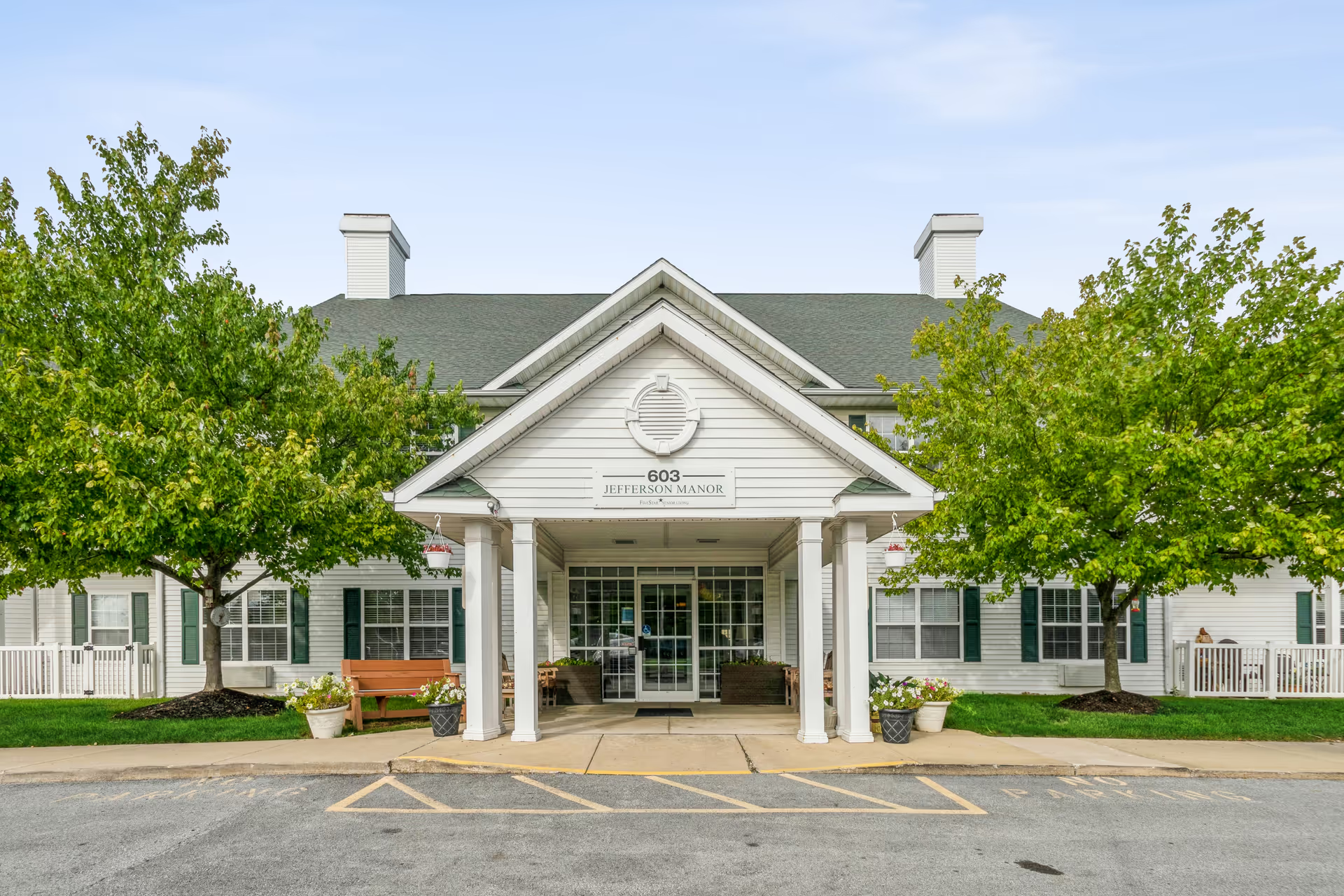
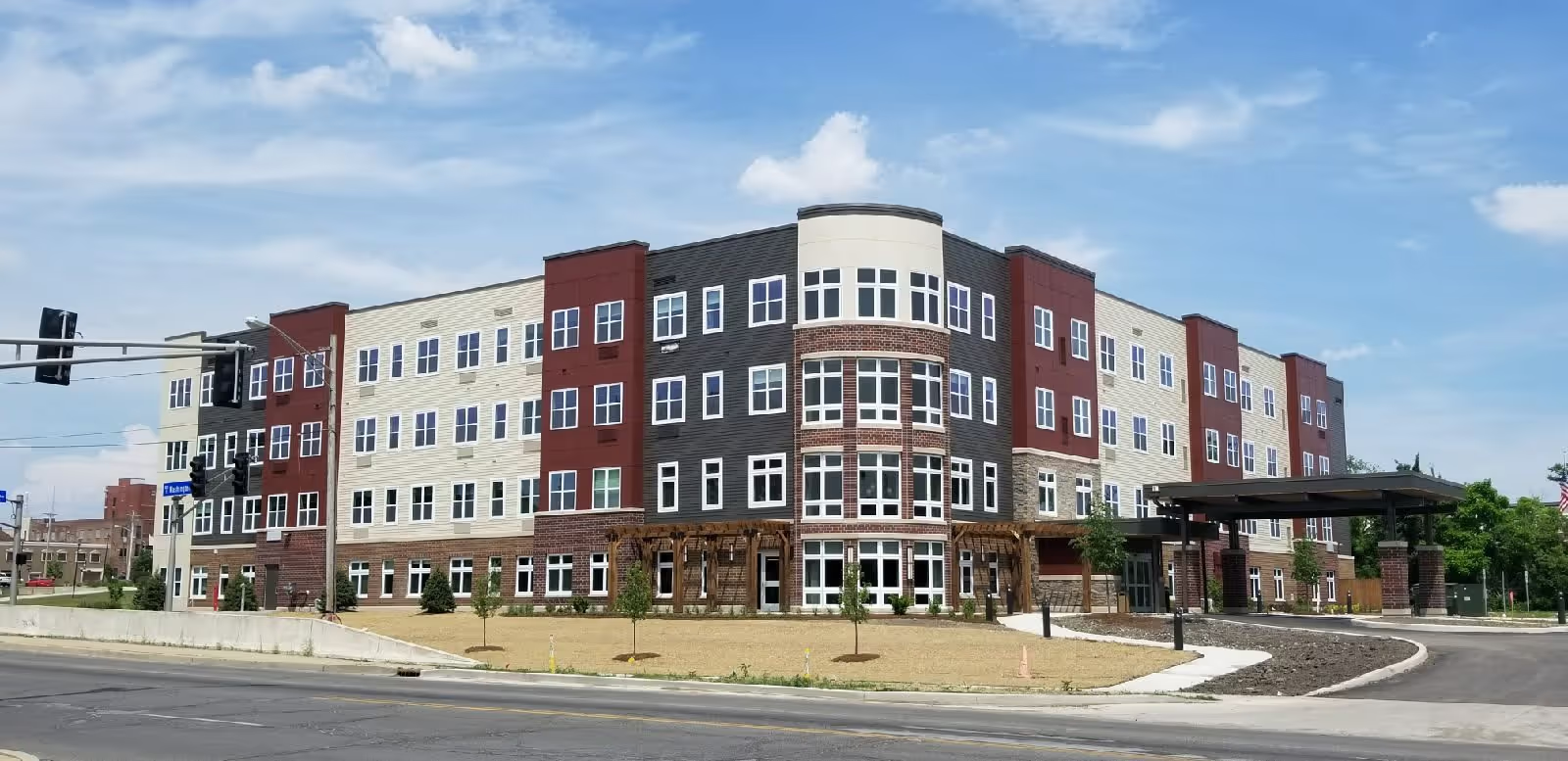
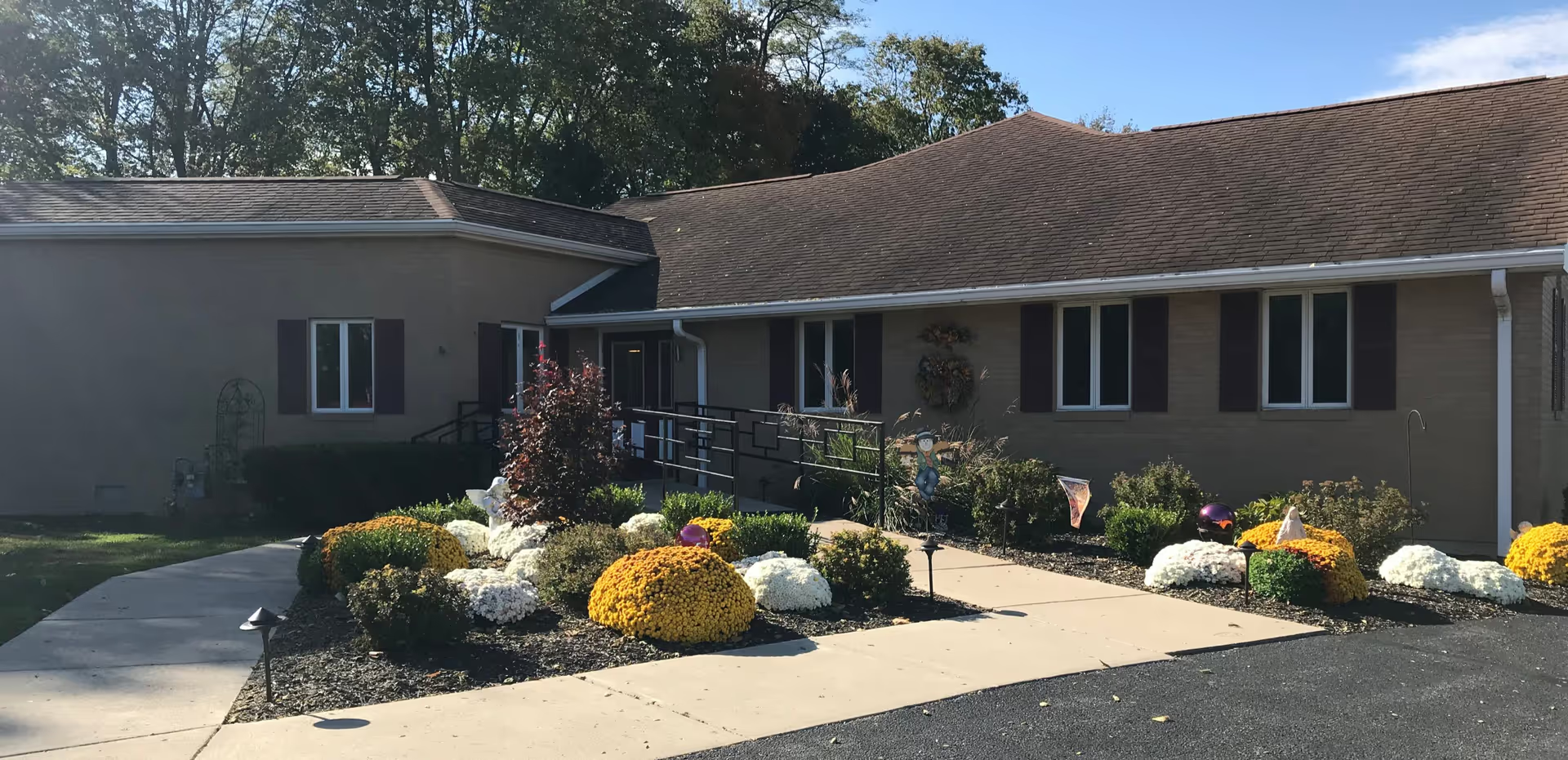
Wellbrooke of Kokomo elicits strongly mixed impressions. Many reviewers praise the day-to-day staff: aides and frontline personnel are frequently described as caring, familiar, and punctual; staff often learn residents' names and create a family-like atmosphere. The facility’s rehabilitation program and physical-therapy team receive particularly high marks from families and former residents for effective short-term rehab outcomes. Public areas and grounds are regularly noted as clean, well-maintained, and pleasant, and parts of the building are described as new or recently renovated.
Dining and activities are generally seen as strengths. Multiple accounts describe nutritious, varied menus with substitutions available and a variety of engaging social and recreational offerings that promote resident interaction. Reviewers also comment positively on good air quality in common areas and the presence of abundant activities that contribute to a lively community environment.
At the same time, a consistent pattern of operational weaknesses emerges. Response times to nurse call lights and to family requests are described as unreliable at times, and several reviews raise concerns about gaps in clinical documentation and family communication. There are serious clinical-quality concerns in some accounts, including medication-administration errors and needs for stronger clinical oversight; these reports coincide with comments about inconsistent RN staffing and instances where families felt medical needs were not promptly addressed. Therapy access is uneven in some cases: while the rehab team is praised overall, other reviewers describe unpredictable therapy scheduling and delayed visits that affected recovery timelines.
Housekeeping and room-level experience are mixed. Common areas are often spotless, yet some individual rooms are described as having inconsistent housekeeping, undesirable décor or a hospital-like layout, and occasional pest-control issues. Meal quality and variety are generally positive, but reviewers also describe intermittent meal-service timing problems and occasional missed deliveries. Administrative issues appear as a recurring theme: observers noted billing and insurance coordination problems in some cases alongside other accounts of proactive insurance assistance. Privacy-process shortcomings were also highlighted, with concerns about resident-photo consent and personal-space boundaries.
In summary, Wellbrooke of Kokomo appears to offer a strong social environment, robust rehabilitation services, and a well-kept campus in many respects. Prospective residents and families should weigh these strengths against operational variability: evaluate staffing patterns (especially RN coverage and call-light response), clarify therapy scheduling processes, review medication-safety protocols, and discuss privacy and billing procedures before admission. Visiting at different times of day and asking for recent staffing and clinical oversight policies will help families gauge whether the facility’s positive attributes align with an individual resident’s care needs.