Overall impression: Signature HealthCARE at Parkwood presents a mixed but largely constructive picture. Many families and residents describe a warm, family-like culture and strong rehabilitation results, while the facility also exhibits a set of operational weaknesses that warrant inquiry during placement decisions. Positive commentary centers on therapeutic outcomes, compassionate direct care, and robust social programming; concerns cluster around nutrition, safety processes, property control, and reliability of communication.
Care quality and clinical services: The facility's therapy department receives consistent praise for effective physical and occupational therapy that has enabled many residents to regain strength and return home. Nursing staff and CNAs are frequently described as attentive and respectful; hospice and chaplain support are noted as individualized and compassionate. At the same time, reviewers describe inconsistent clinical practices in certain areas — notably nutritional monitoring and documentation, pressure-injury prevention, and some aspects of care coordination and medical record accuracy. There are also specific concerns about transfer procedures and lift use that point to the need for stronger adherence to safe-mobility protocols.
Staff, communication, and staffing patterns: Staff are repeatedly characterized as kind, accessible, and relationship-focused, and activity staff receive particular commendation for engaging programming. However, families also describe variability in responsiveness — including delayed callbacks, unanswered messages, and slow follow-up on clinical or administrative requests. Staffing variability (exacerbated at times by pandemic-related pressures) appears to affect consistency of care and timeliness of response. Prospective families should ask about current staffing ratios, on-call arrangements, and communication protocols.
Dining, activities, and resident life: The activities program and communal offerings are a clear strength; reviewers note frequent events, outings, an activity room, and opportunities for social engagement that support quality of life. Dining and food quality receive largely positive comments, but there are also reports of inconsistent dietary management for residents with special nutritional needs and of weight-monitoring gaps. Visit options such as outdoor visits and video calls are available and valued by families.
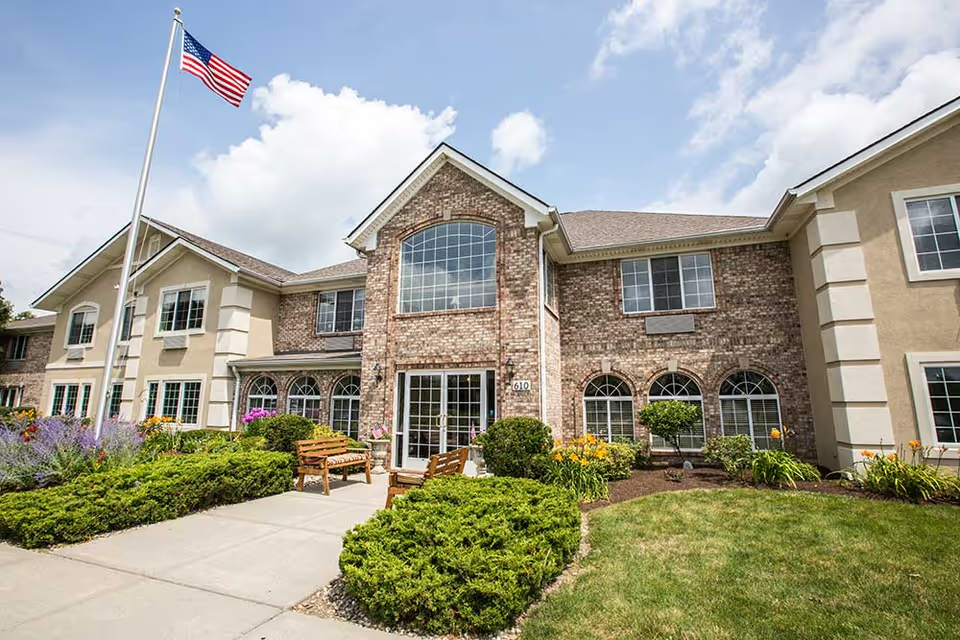
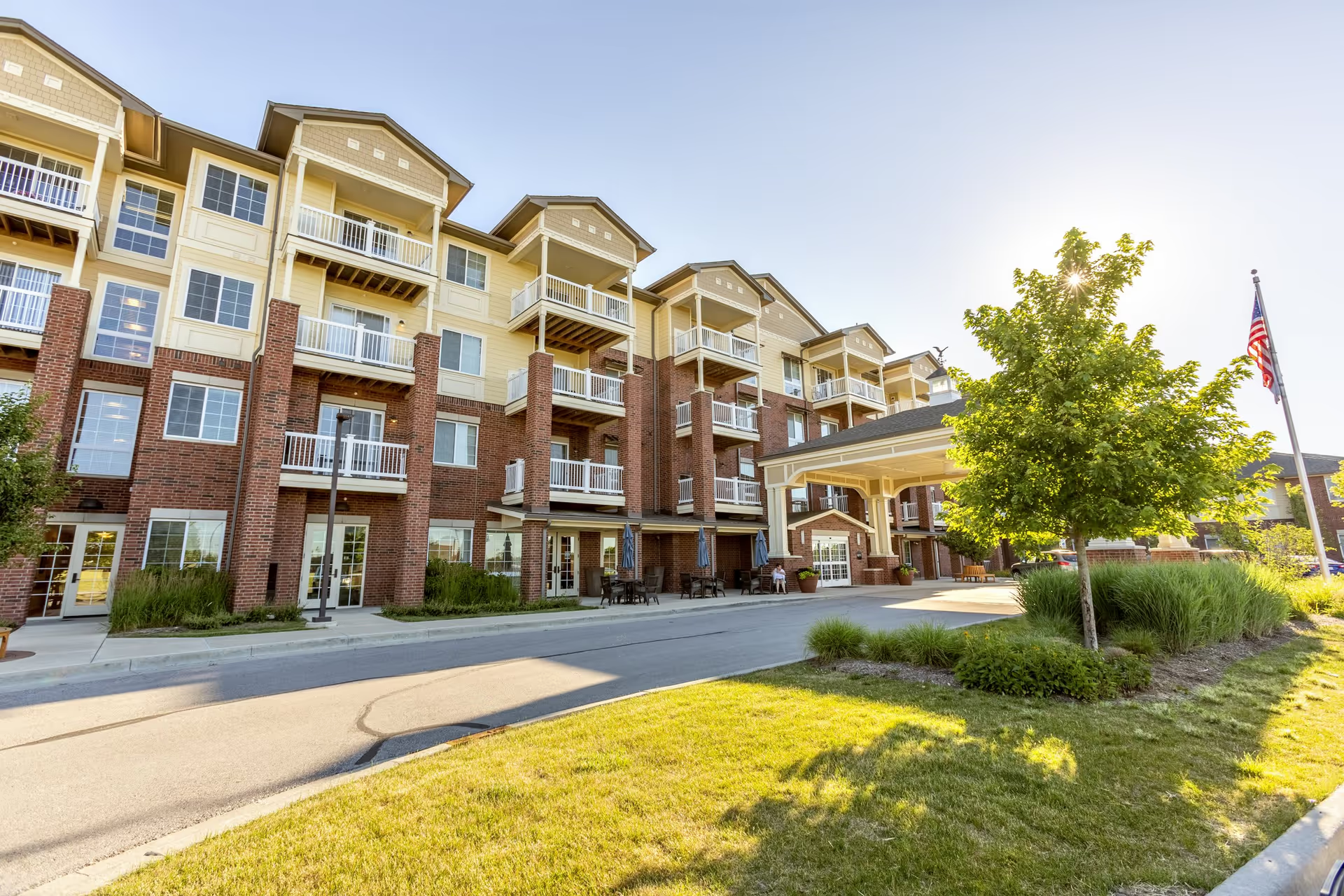
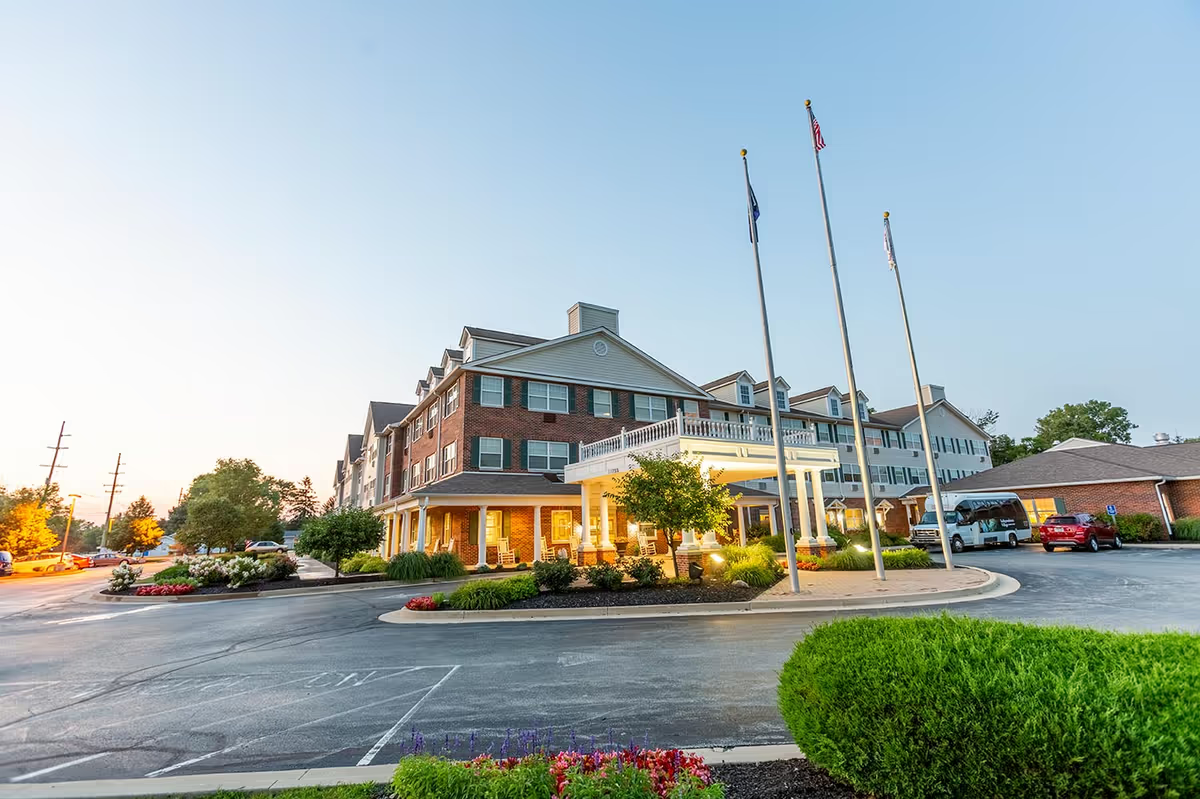
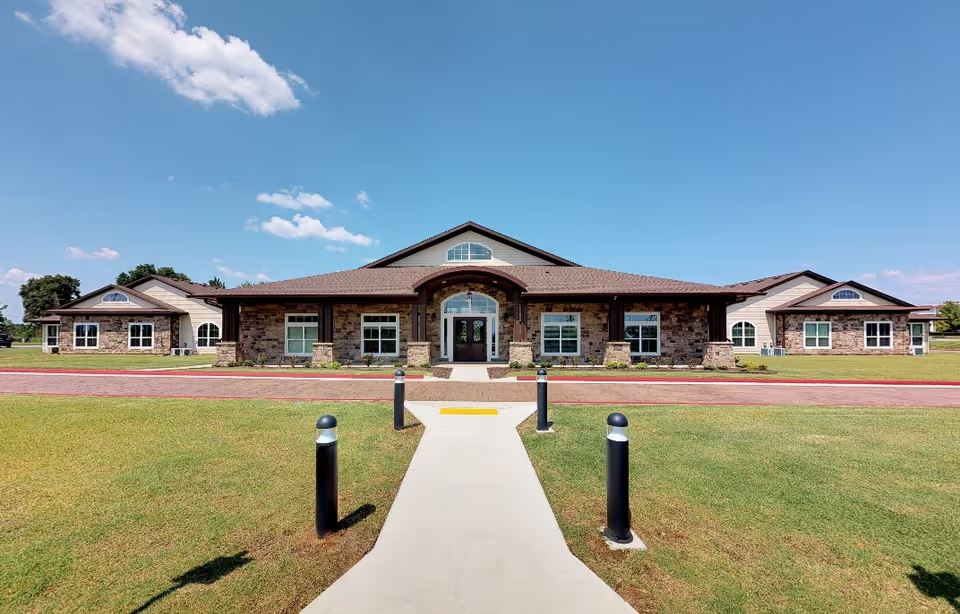
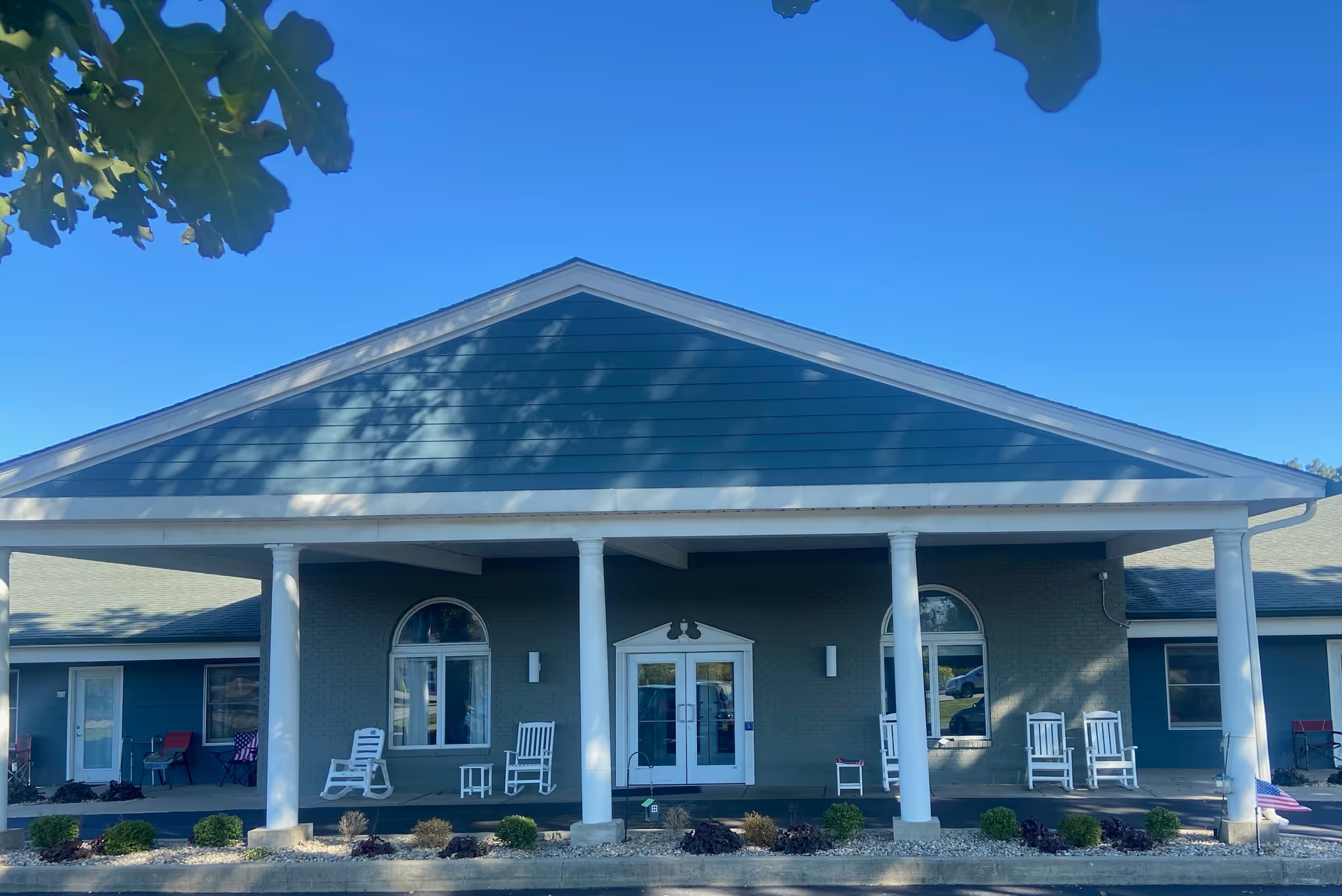
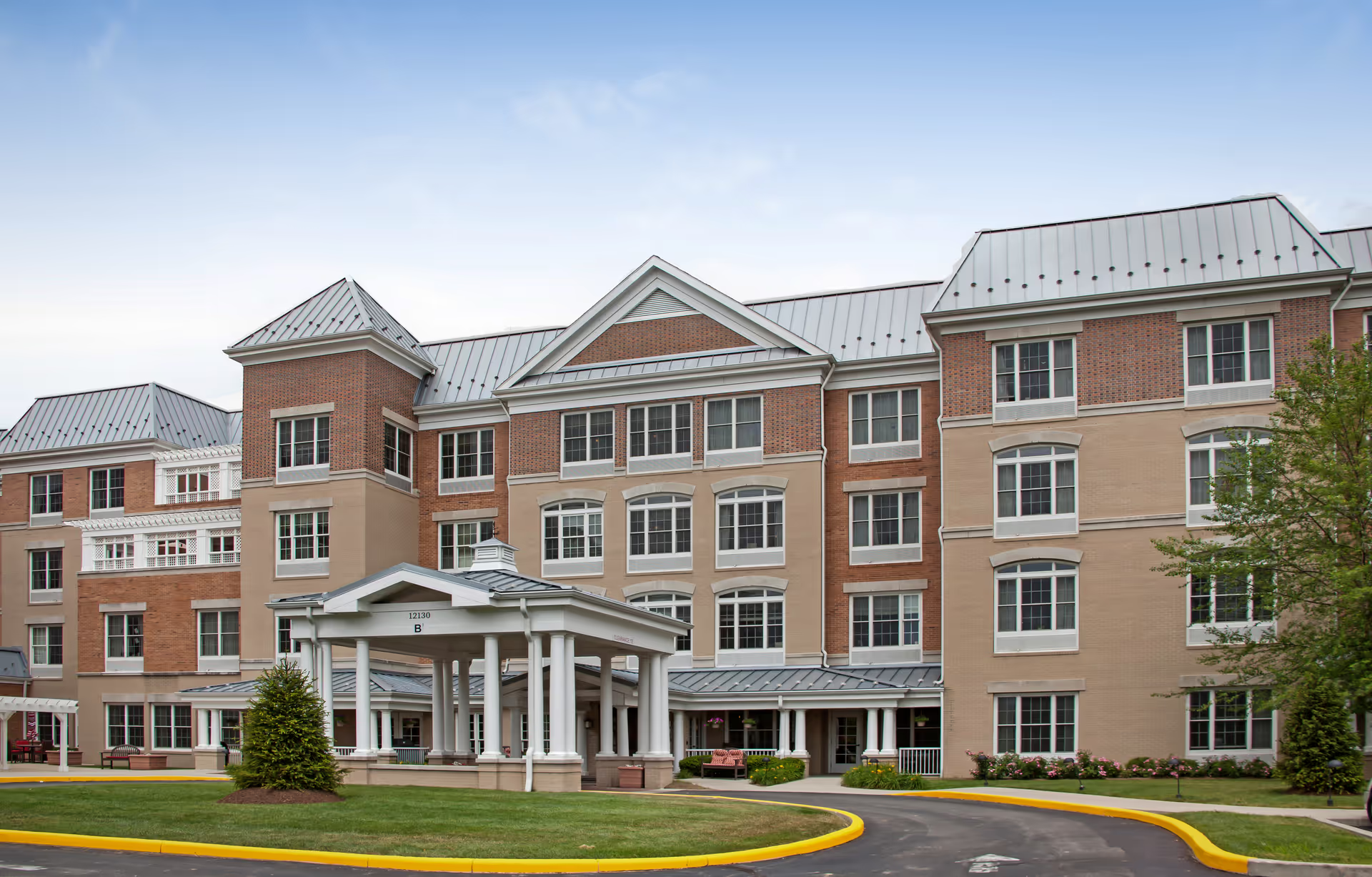
Facilities, safety, and property concerns: The facility contains well-maintained, home-like spaces and private-room options, and memory-care units are described as appropriately secured. Nevertheless, reviewers raise environmental safety and security issues — including unsecured access points in practice, unsafe areas such as laundry spaces, supervision lapses, and pest-control concerns in some locations. Personal property management is another recurring operational weakness, with accounts of lost or missing items and slow or incomplete reimbursement processes.
Management and patterns to watch: In sum, Parkwood demonstrates clear strengths in rehabilitation, resident engagement, and a compassionate caregiving culture. Concurrently, there are consistent patterns suggesting the need for improved operational controls: stronger nutrition and skin-care monitoring, tighter transfer-safety procedures, more reliable family communication, better personal-property processes, and enhanced environmental safety and supervision. Families considering the facility should tour during meal and activity times, ask for written policies on transfer protocols, nutrition monitoring, supervision and secure-unit procedures, property handling and reimbursement, and current staffing levels. These targeted questions will help determine whether the facility's positive clinical and social offerings are matched by consistent operational practice for a particular resident's needs.