The reviews present a polarized picture of the facility: many families praise the caregiving staff and interdisciplinary support, while others raise operational concerns related to management, cleanliness, staffing and safety. Positive comments emphasize compassionate, attentive caregivers, visible clinical leadership, and a home-like atmosphere that supported resident comfort and successful discharges home. At the same time, negative feedback focuses on inconsistent administrative practices, sanitation and maintenance issues, and variable clinical competence and communication.
Care and staff: Strengths are concentrated at the point of care. Numerous accounts highlight compassionate CNAs and nurses, bedside presence by nursing leadership, and individualized personal-care gestures that families found meaningful. Dietary, housekeeping, activities, reception and physician interactions were also noted positively by several families, suggesting strong teamwork in many cases. However, there is a notable pattern of variability: some families described lapses in clinical skill, perceived lack of compassion, or delays in responsiveness. This suggests uneven consistency in staff training, supervision, or shift coverage rather than uniformly poor or excellent care.
Dining and activities: Dietary and activities staff appear to be part of the facility’s supportive culture in many experiences, contributing to a home-like environment and resident engagement. There were no consistent, detailed comments about food quality across reviews; most commentary focused on the supportive role of these departments rather than on menu specifics.
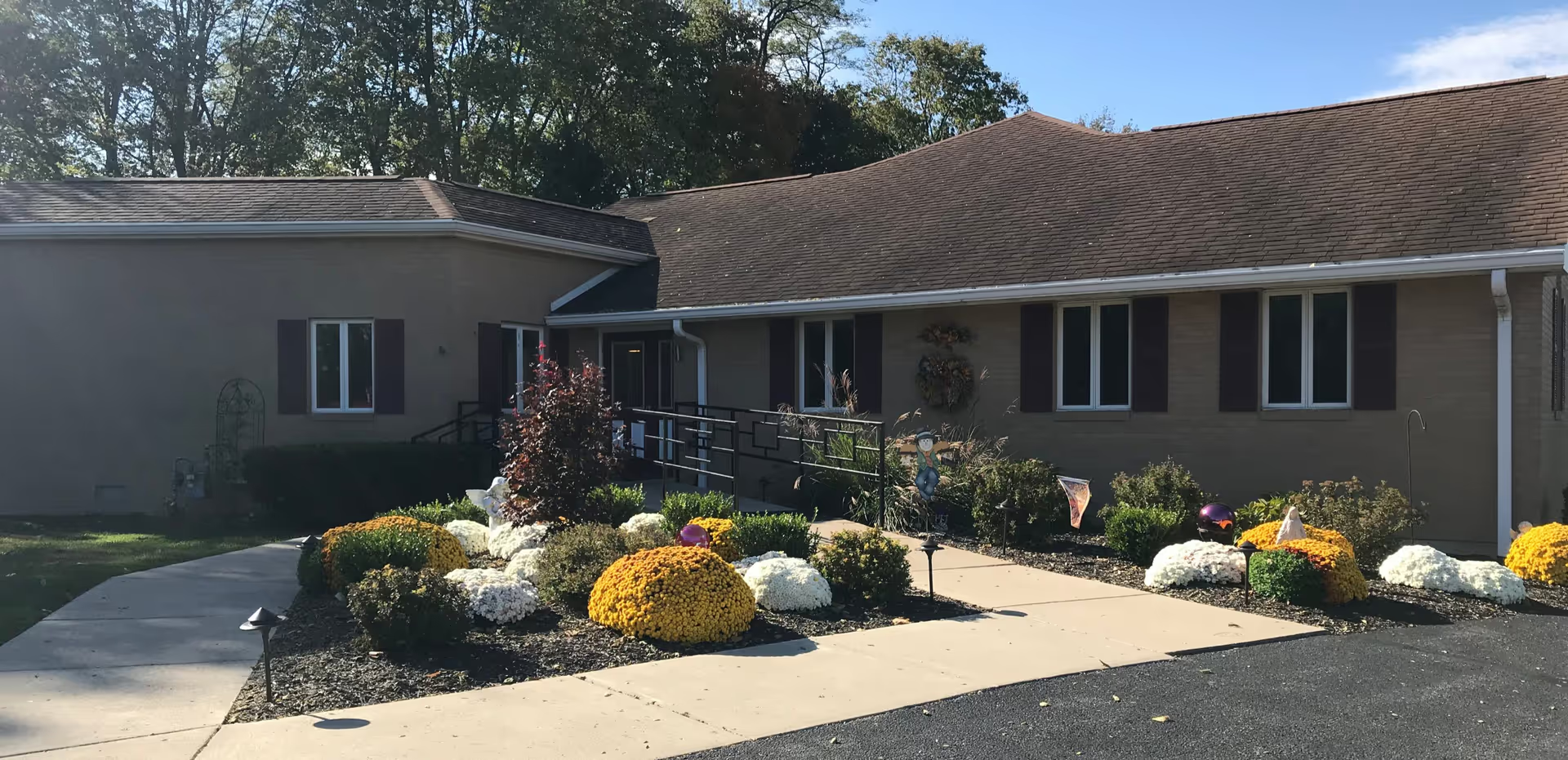
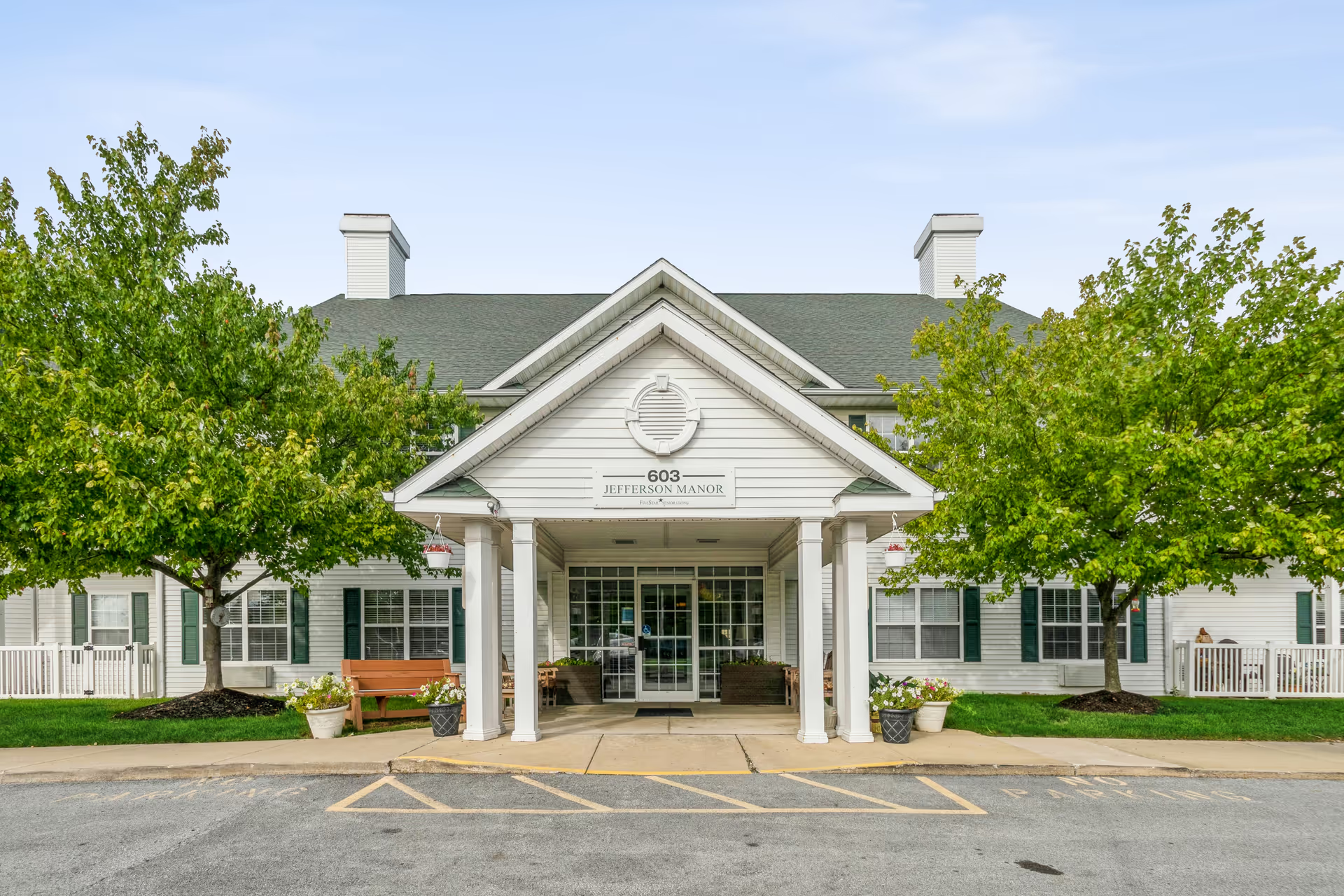
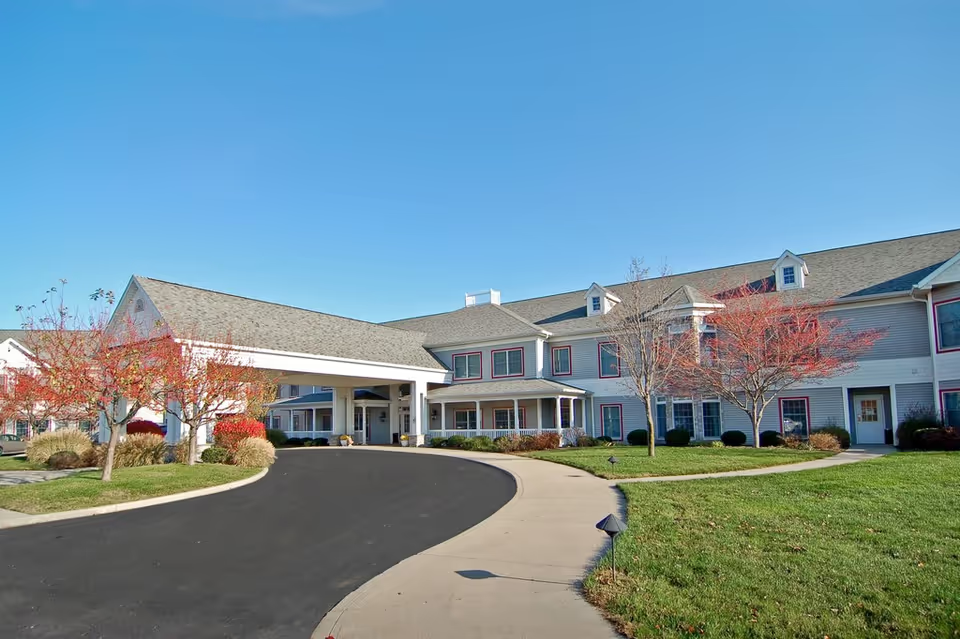
Facilities and safety: Several reviewers raised sanitation and odor concerns in entry and common areas and described issues with equipment and building maintenance. Specific references to an unsafe elevator and dirty floors point to maintenance and safety gaps that should be addressed as operational matters. These physical-environment concerns are distinct from caregiving quality but can affect perceptions of overall care and resident well-being.
Management and operations: Feedback about management is mixed. Some reviewers described professional, compassionate leadership, while others described inconsistent administrative practices and a lack of transparency around paperwork and processes. Several families also noted perceived gaps in infection-control procedures during the COVID era. Taken together, the pattern suggests that leadership and administrative consistency may vary by shift or department, which can contribute to sharply differing family experiences.
Notable patterns and implications for prospective residents: The dominant pattern is one of strong, individualized care from many front-line staff coupled with variability in facility-level consistency (management, staffing, maintenance, and infection control). Prospective residents and families who prioritize hands-on caregiving and compassionate staff may find strengths here, but those for whom operational consistency, sanitation standards, and clear administrative communication are essential should seek specific assurances. When evaluating this facility, ask about current staffing ratios and skill mix, recent maintenance and safety work orders, infection-control policies and audits, and administrative documentation procedures to clarify how the facility addresses the variability noted in reviews.