Two Hearts is consistently described as a small, residential-style community rather than a large institutional setting. Families and visitors value the warm, clean environment, shared living areas, and opportunities to socialize while retaining private space. Reviews refer to locations in Lowell and Crown Point; amenities and services may differ by location, so families should confirm the details for the specific home they are considering.
Most accounts praise the caregivers as kind, patient, and attentive, and describe residents as receiving individualized support and being treated with dignity. Families commonly appreciate help with daily routines, regular updates, and photographs of activities. Some also describe a smooth adjustment after moving from home or another community. Positive accounts include residents with memory loss, and reviewers mention memory-care services, but one sharply negative family account raises concerns about the home’s ability to support a resident with more complex dementia-related behaviors and personal-care needs. Prospective families should discuss care requirements and how changes in condition or support needs are handled.
Dining is a frequent strength in the reviews. Families describe fresh, home-style meals, shared mealtimes, snacks, and some flexibility for individual preferences. Activities mentioned include crafts, games such as bingo, exercise, music, gardening, holiday events, and outdoor gatherings. One reviewer felt the available activities might not include many options of interest to men, suggesting that families may want to ask how programming is matched to a particular resident’s interests and abilities.
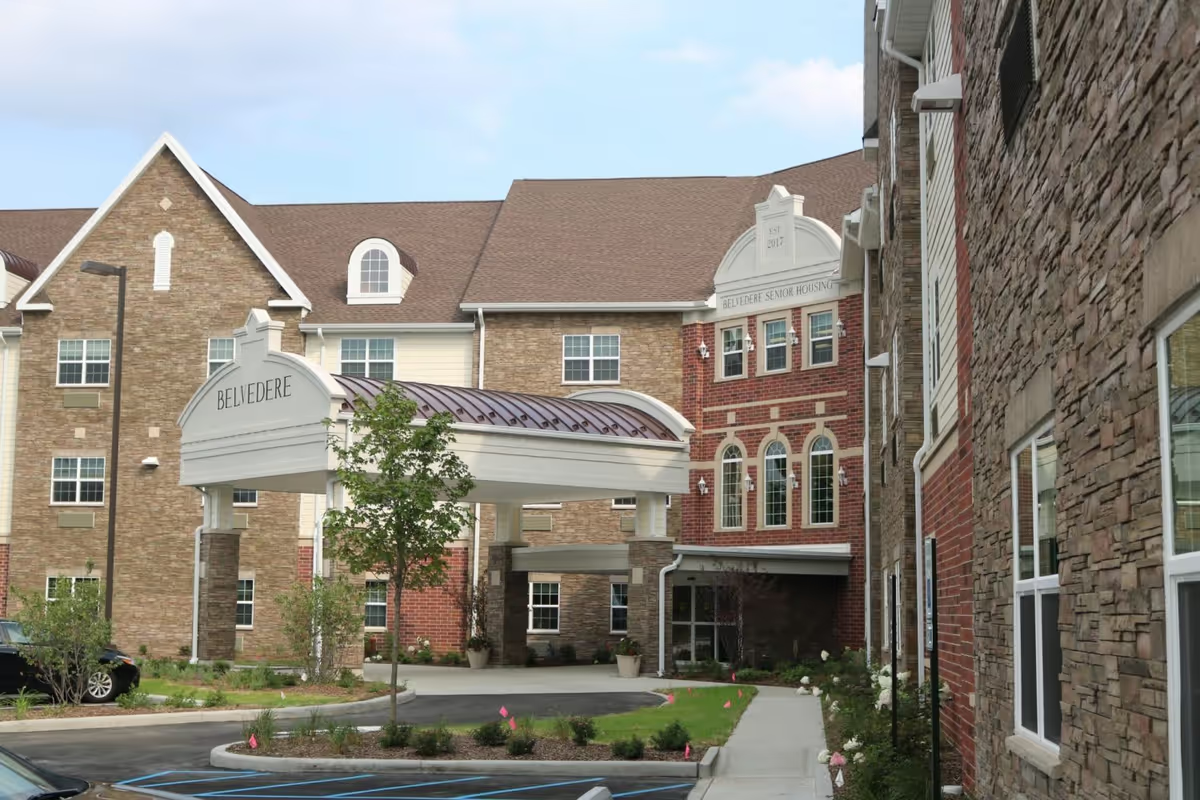
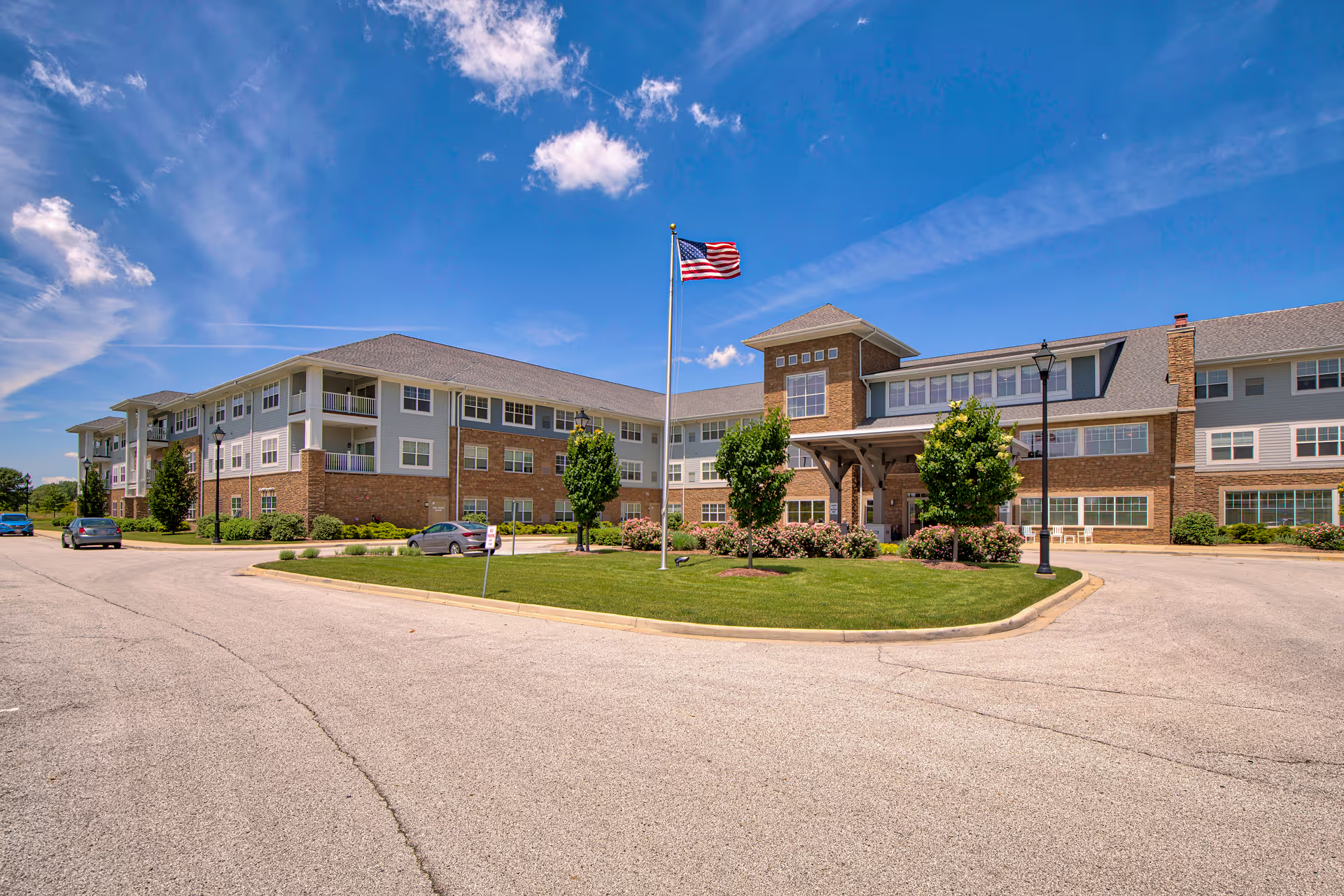
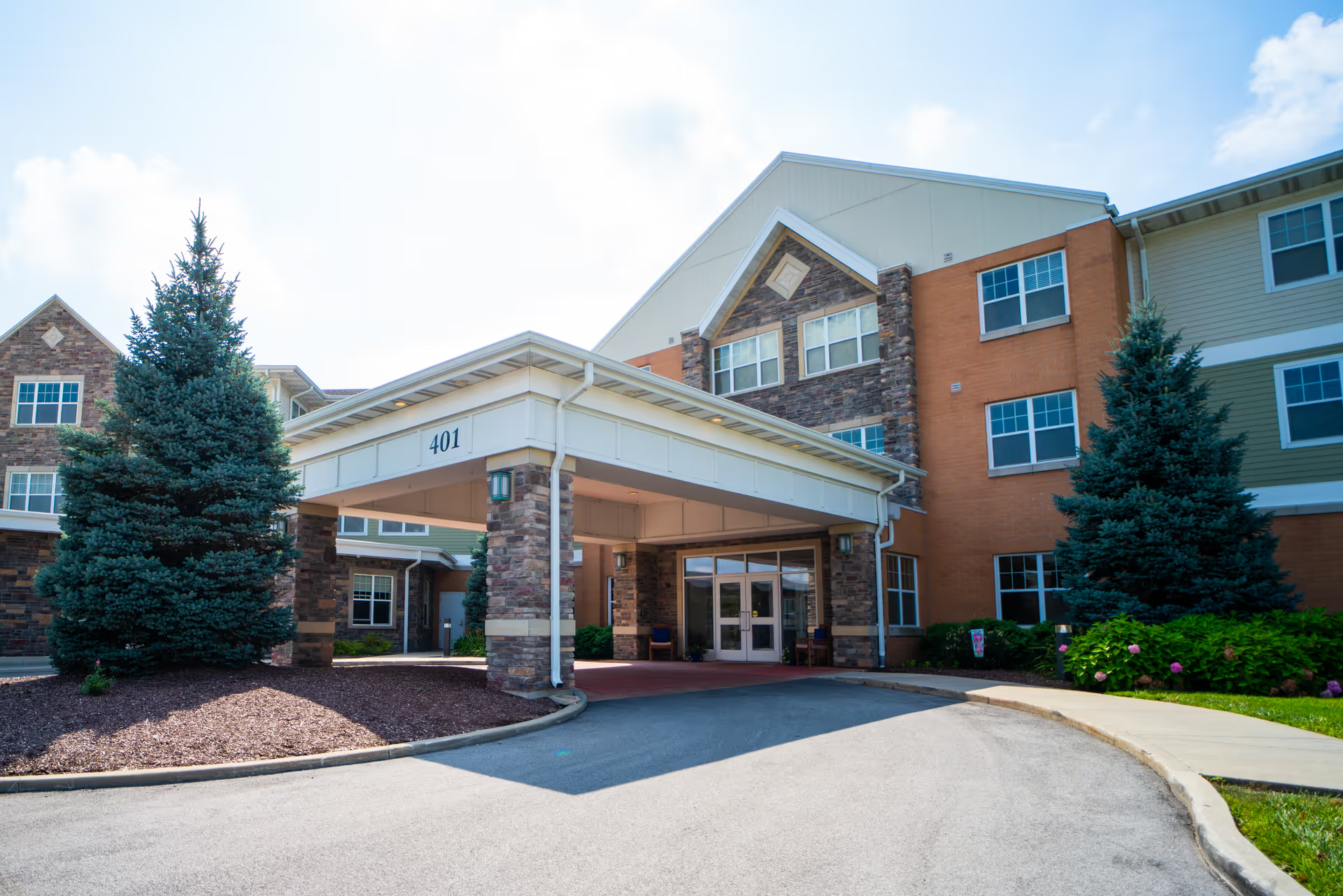
The homes are often described as clean, attractive, and well maintained, with private rooms and common areas intended to feel domestic. Reviewers also mention outdoor spaces, visiting hair services, and, in some accounts, visiting clinicians or therapy. A tour reviewer found a room fairly small, so room dimensions and furnishings are worth checking in person. Families also praise management for explaining services, answering questions, and helping with transitions; however, one family described conflicting communication during a difficult discharge and disputed additional charges and delays in receiving a refund. A separate former-employee account raised concerns about management presence, pest-control oversight, employment practices, and incident accountability; these claims are not corroborated by the broader set of accounts. Overall, positive experiences predominate, while the critical accounts underscore the importance of confirming care capacity, discharge procedures, and billing terms before admission.