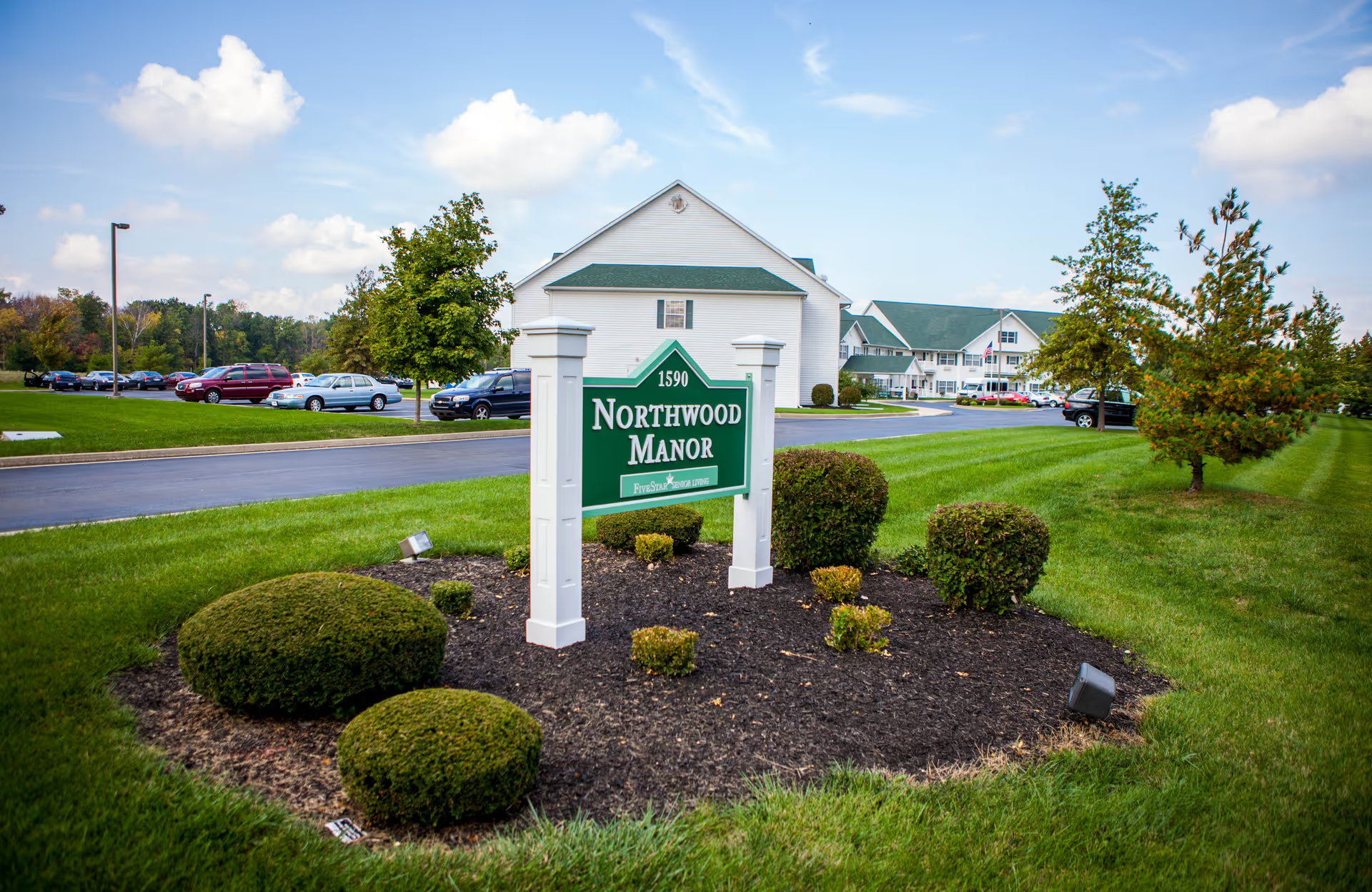
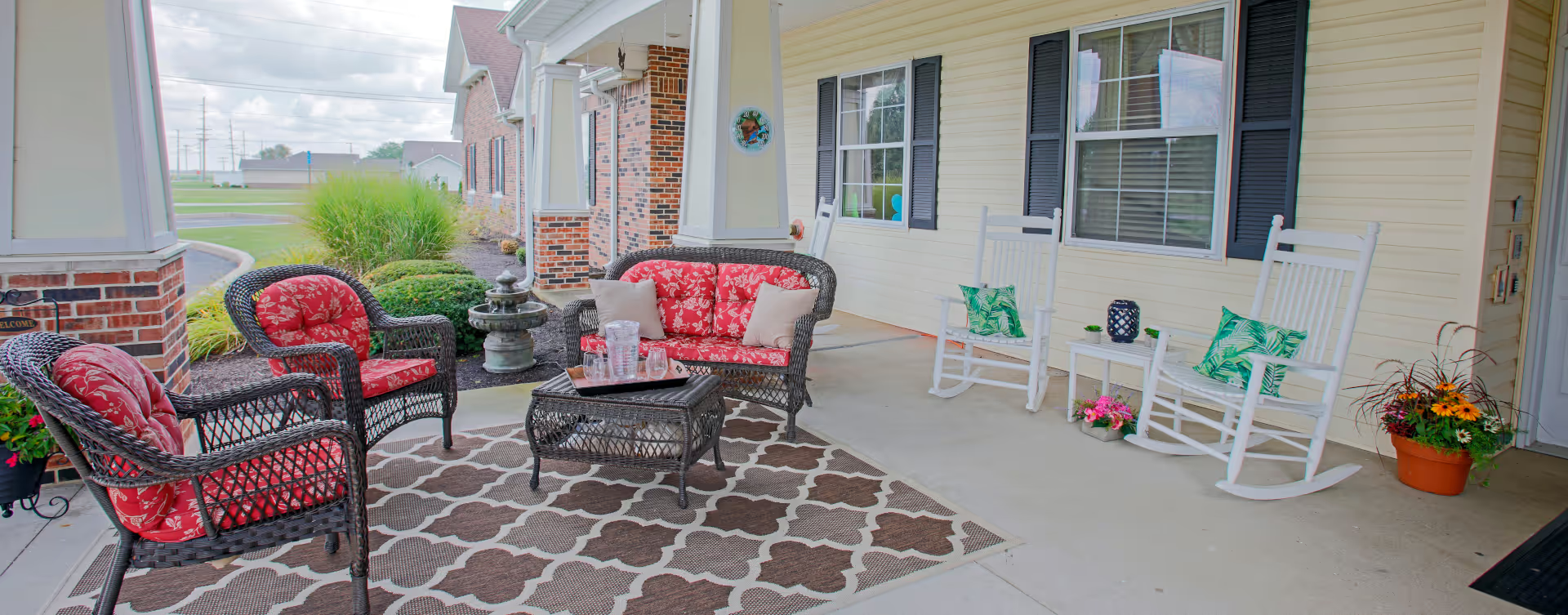
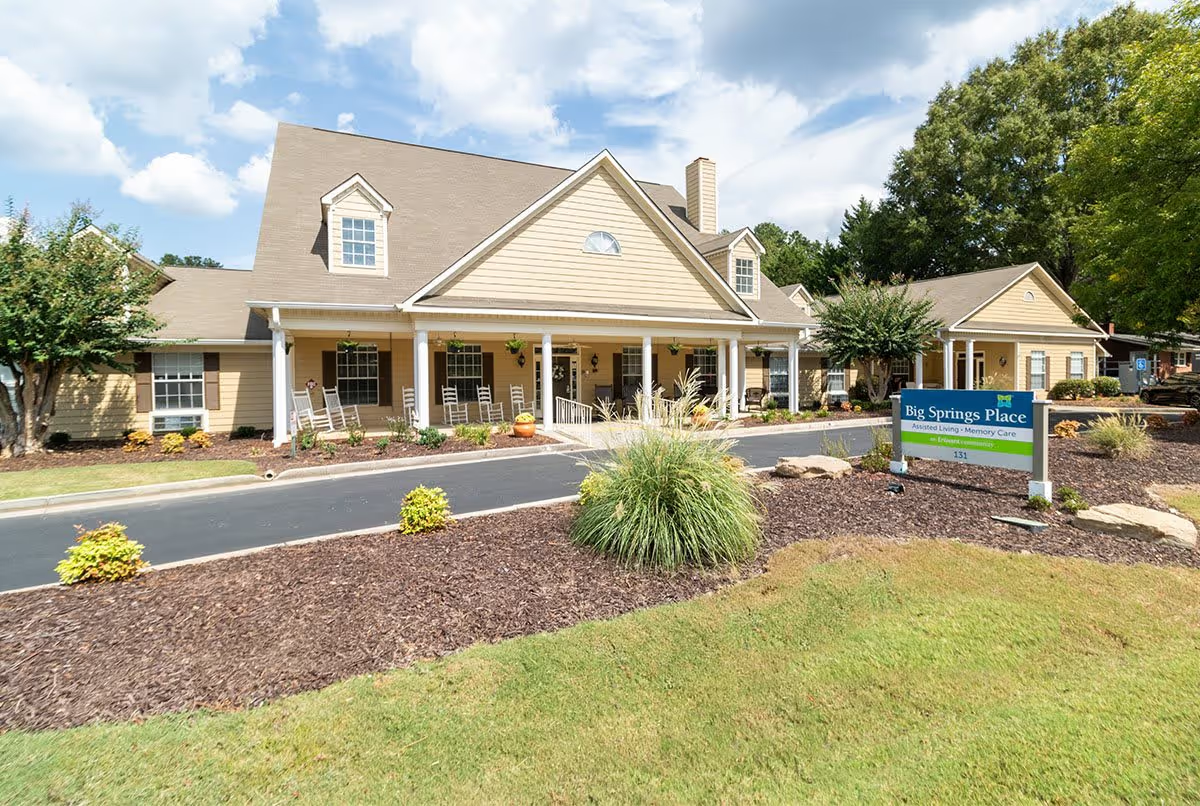
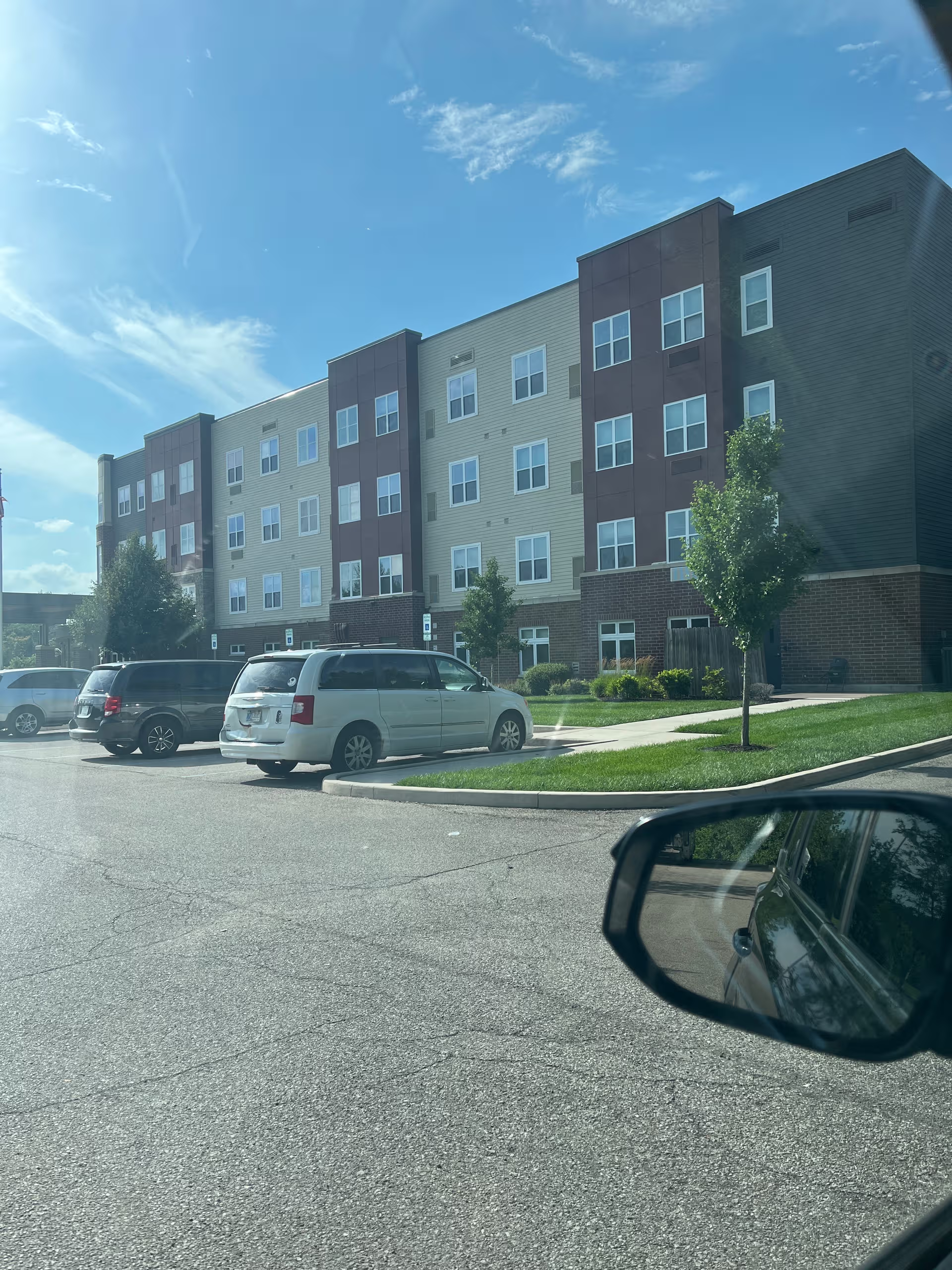
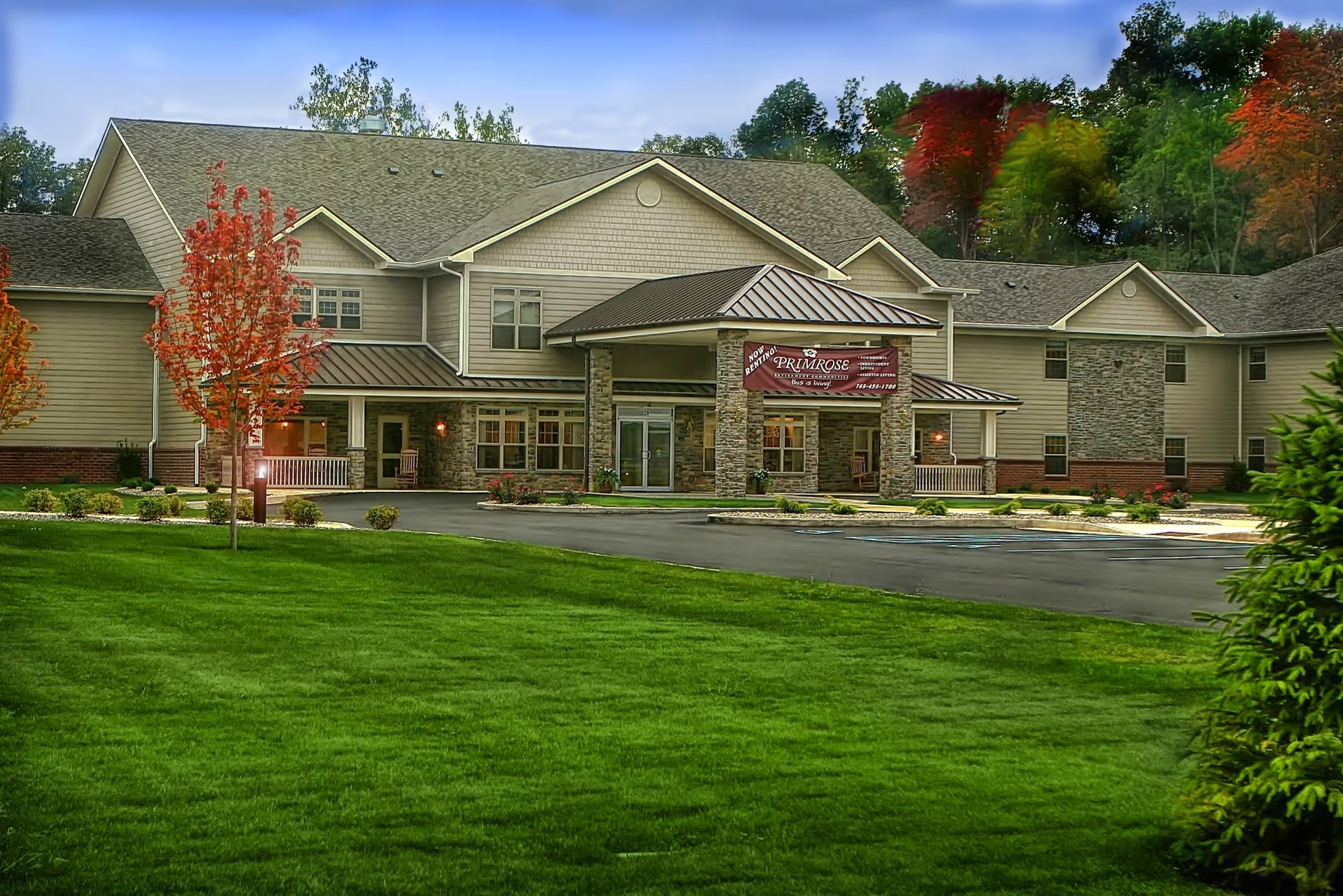
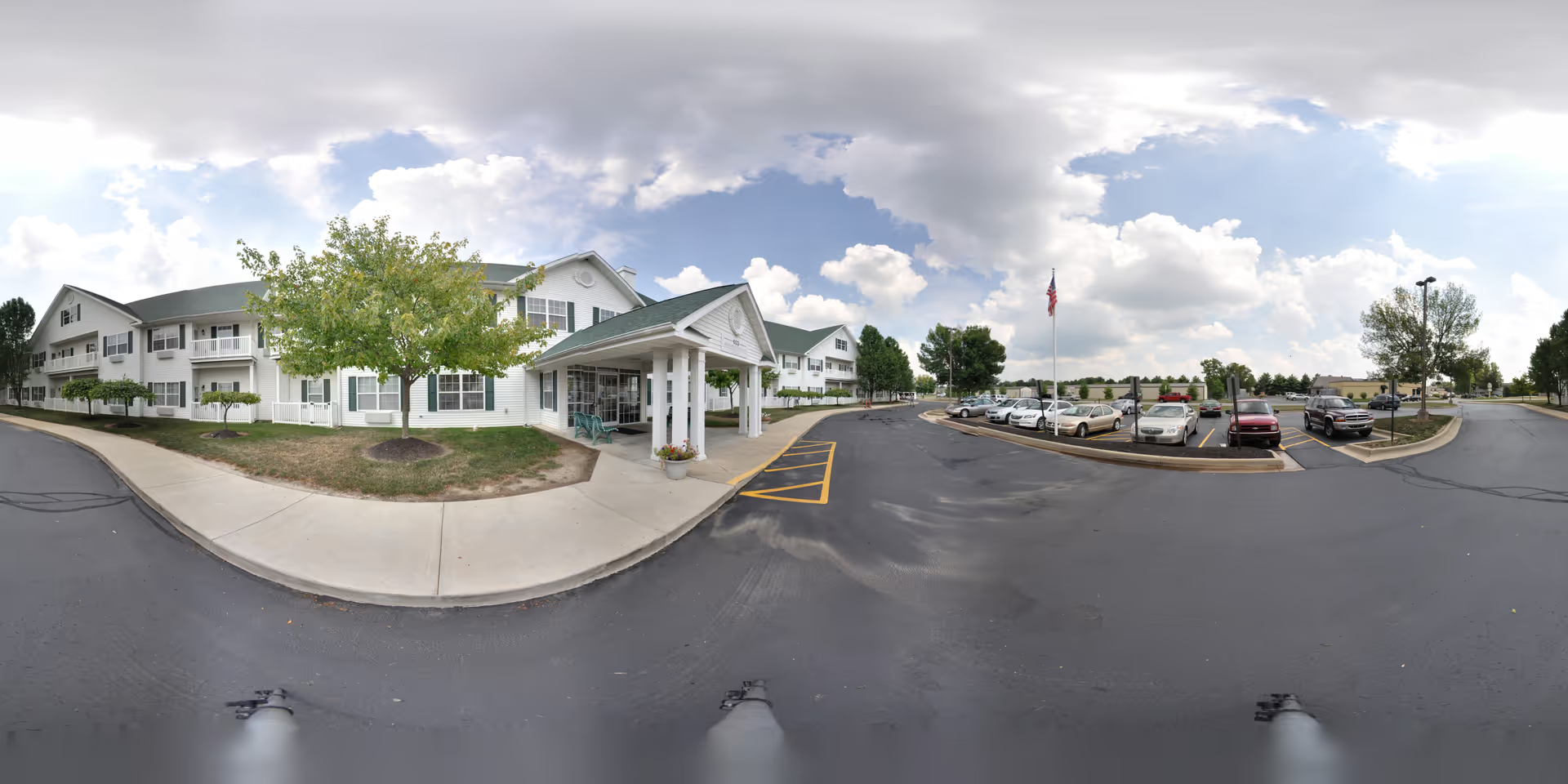
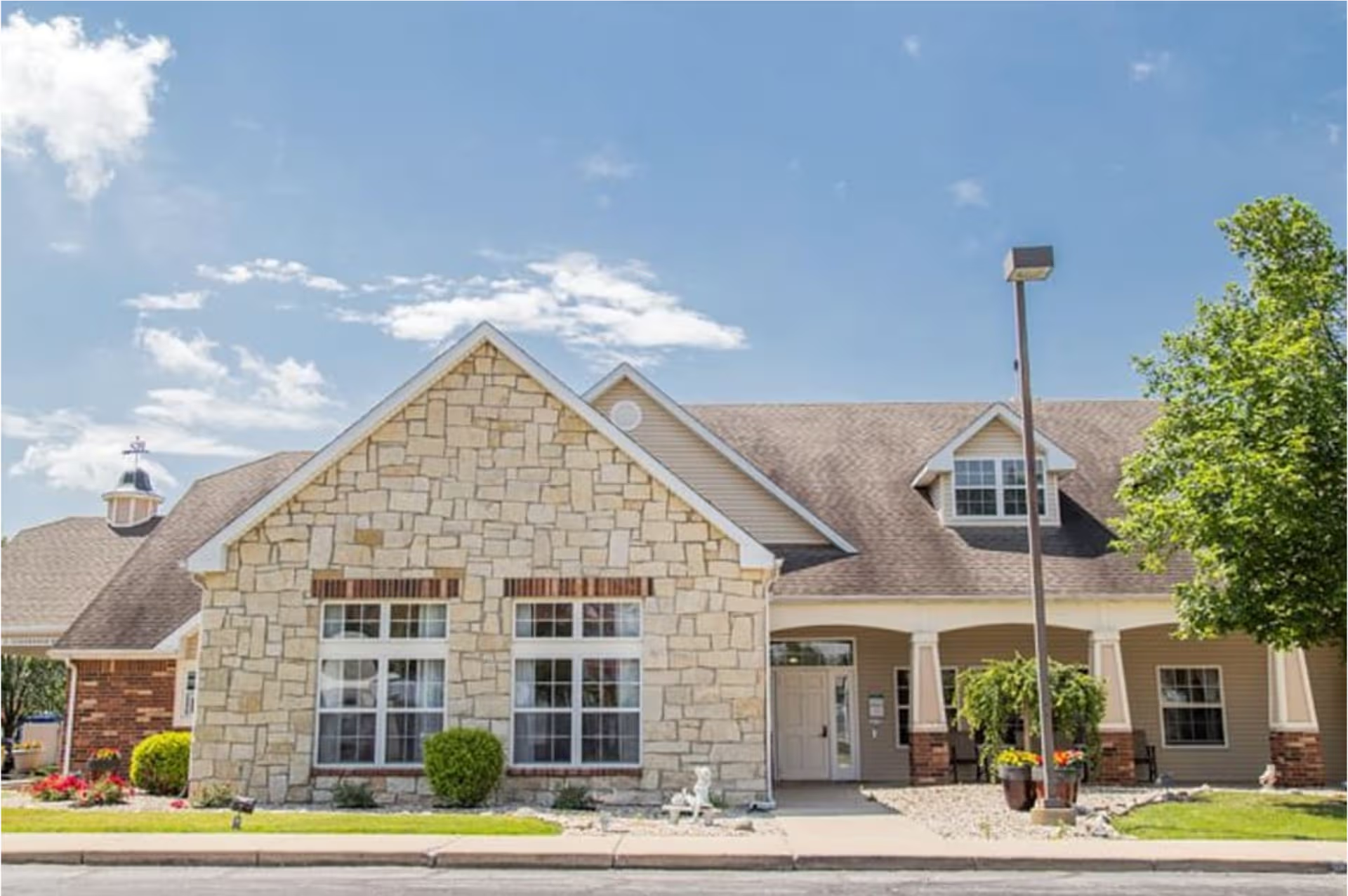
Overall impression: The facility is described predominantly as a small, homey community with a consistently clean interior, apartment-style living options, and an active social calendar. Many reviewers emphasize a welcoming atmosphere, hands-on caregiving staff who know residents by name, a variety of activities (bingo, card games, holiday events, church visits, outings), and accessible indoor/outdoor spaces such as an atrium, central plaza, and enclosed courtyard. Dining is regularly praised for taste, portion size, and choice, and there is on-site personal-care infrastructure (hair salon, accessible bathrooms) that supports daily living.
Care and staff: Staff behavior is the most frequently mentioned strength — described as compassionate, professional, and attentive. Leadership and certain named staff members receive positive attention for coordination with outside agencies and for being hands-on. At the same time, there are notable concerns about clinical operations: reviewers describe medication-management process gaps and staffing/scheduling inconsistencies that have, in some accounts, translated into delays in attending to clinical needs. These concerns include delays in administering medications or assistance and uneven availability of staff during peak times or overlapping breaks. Prospective families should seek clarification on medication-safety protocols, staffing ratios, shift coverage, and emergency response procedures.
Dining and activities: The dining program is generally viewed positively, with reviewers noting well-prepared meals, a variety of choices, and family-inclusive holiday meals. A minority of accounts describe isolated meal-service issues (timing or cold items), suggesting some variability in service continuity. Activities are a clear strength: frequent, well-attended events and an engaged activity director contribute to resident socialization and family involvement.
Facilities and accessibility: The physical environment is widely described as clean and well-maintained, with accessible bathrooms and walker-friendly circulation. Apartment-style units and kitchenettes are valued for independence and a home-like feel, though unit sizes vary and some reviewers found rooms small; there is also mention of limited availability of studio apartments. Entry procedures and buzzer/access systems have caused wait times and visitor inconvenience in certain instances, so clarify arrival and access protocols during a tour.
Management and operations: Reviewers offer mixed impressions of management. Some note strong leadership and effective coordination of care, while others raise concerns about communication and responsiveness. There is at least one serious allegation regarding payroll/financial-administration practices; in addition, several reviewers expressed that management response to clinical or operational complaints was unsatisfactory. These are substantive issues to address directly with facility administration and to corroborate through licensing records or references.
Notable patterns and guidance: The dominant pattern is positive — a small, community-oriented facility with engaged staff, good food, and a robust activity calendar. However, a minority of reviews describe significant operational lapses around medication handling, staffing coverage, and administrative/financial practices. When evaluating this facility in person, ask specifically about medication safety training and audit practices, typical staffing levels by shift, break-coverage policies, meal-service timing and contingency plans, visitor-entry procedures, unit-size availability and pricing, and payroll/contract terms if engaging as a contractor or employee. Observing a mealtime, touring a unit, and requesting written policies and recent inspection records will help reconcile the positive majority experience with the more serious isolated concerns.