The review corpus presents a strongly polarized picture of Life Care Center of Michigan City. A large portion of comments praise the facility for its compassionate staff, strong rehabilitation focus, and an activities program that supports social engagement and resident-directed events. Many families cited positive therapy outcomes, weekend availability of services, and a team of experienced therapists who work toward timely discharge home. Admissions and front‑desk personnel are often described as helpful and communicative, and maintenance and dietary teams receive frequent praise for responsiveness and home‑style meals.
Care and staffing are highlighted as the facility’s primary strengths. Numerous accounts emphasize long‑tenured, attentive nurses and aides who provide respectful, person‑centered care, including dignified end‑of‑life support. At the same time, there are recurring operational concerns about staffing consistency and response times; several reviews describe delays in attending to residents and variability in how staff conduct themselves and communicate. Clinical safety issues are a frequent theme: reviewers raised concerns about medication administration, oxygen/equipment management, and inconsistent wound‑care outcomes. There are also allegations of property loss and concerns following a resident’s death, which point to potential vulnerabilities in security and in handling serious incidents.
Dining and activities are often cited positively. Many reviewers compliment the menu, alternative selections, themed events, and social dining options; activities staff are credited with organizing meaningful programs, outings, and spiritual gatherings. However, there are also reports of inconsistent compliance with medically prescribed diets (for example, renal diet adherence), indicating a need to confirm dietary protocols for residents with specific nutritional restrictions.
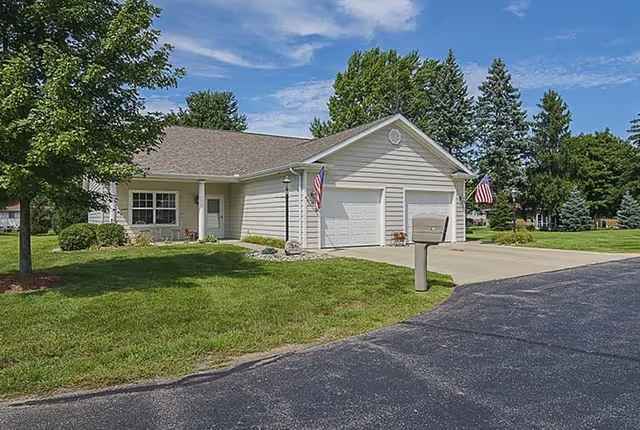
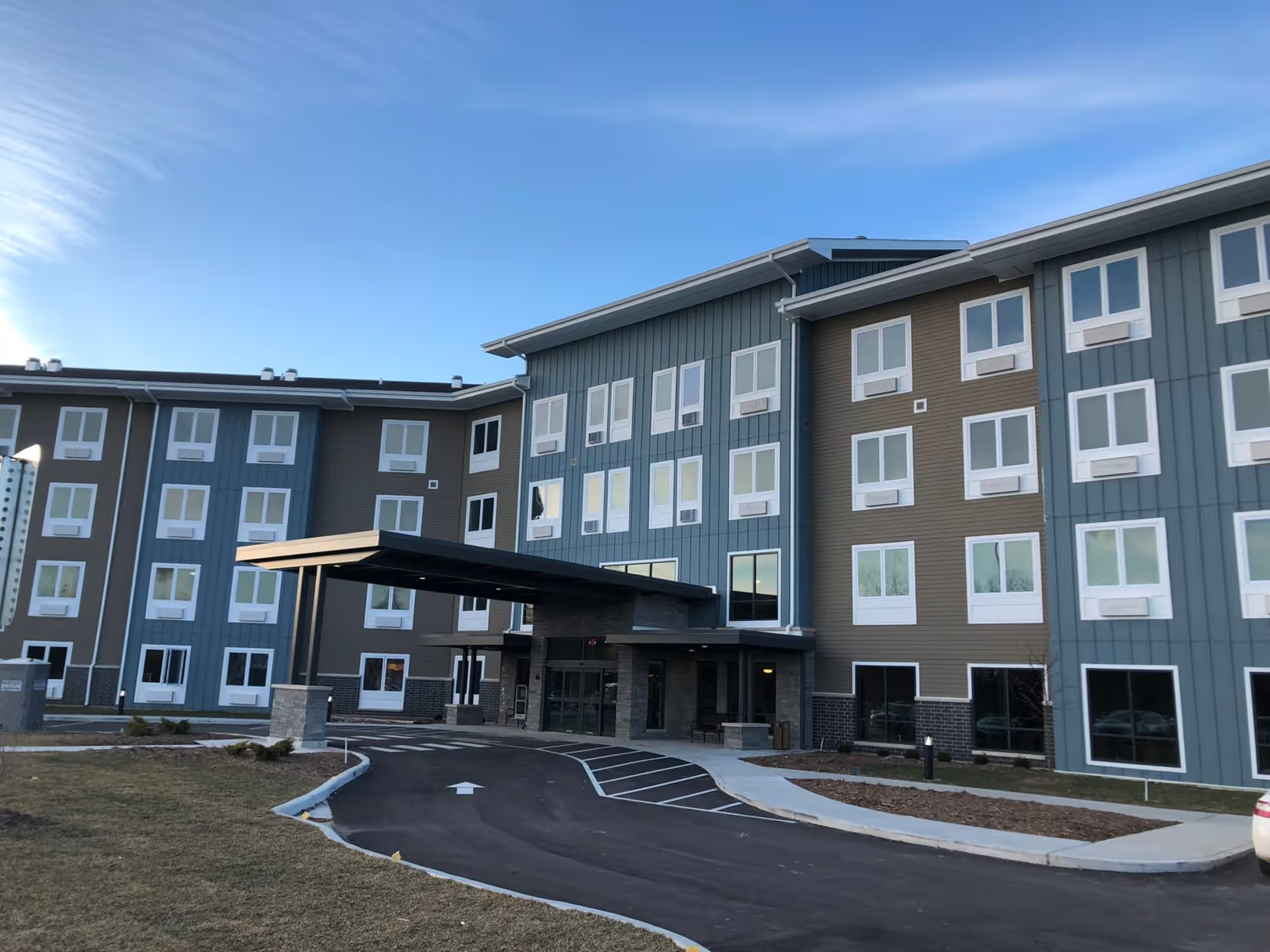
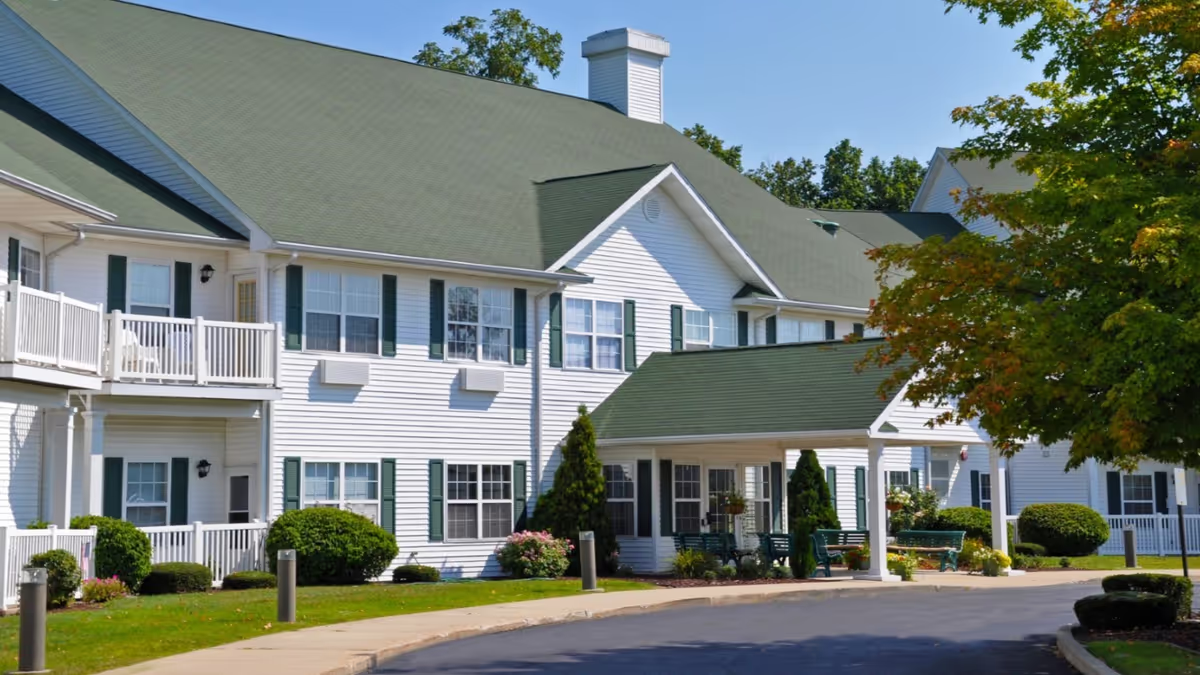
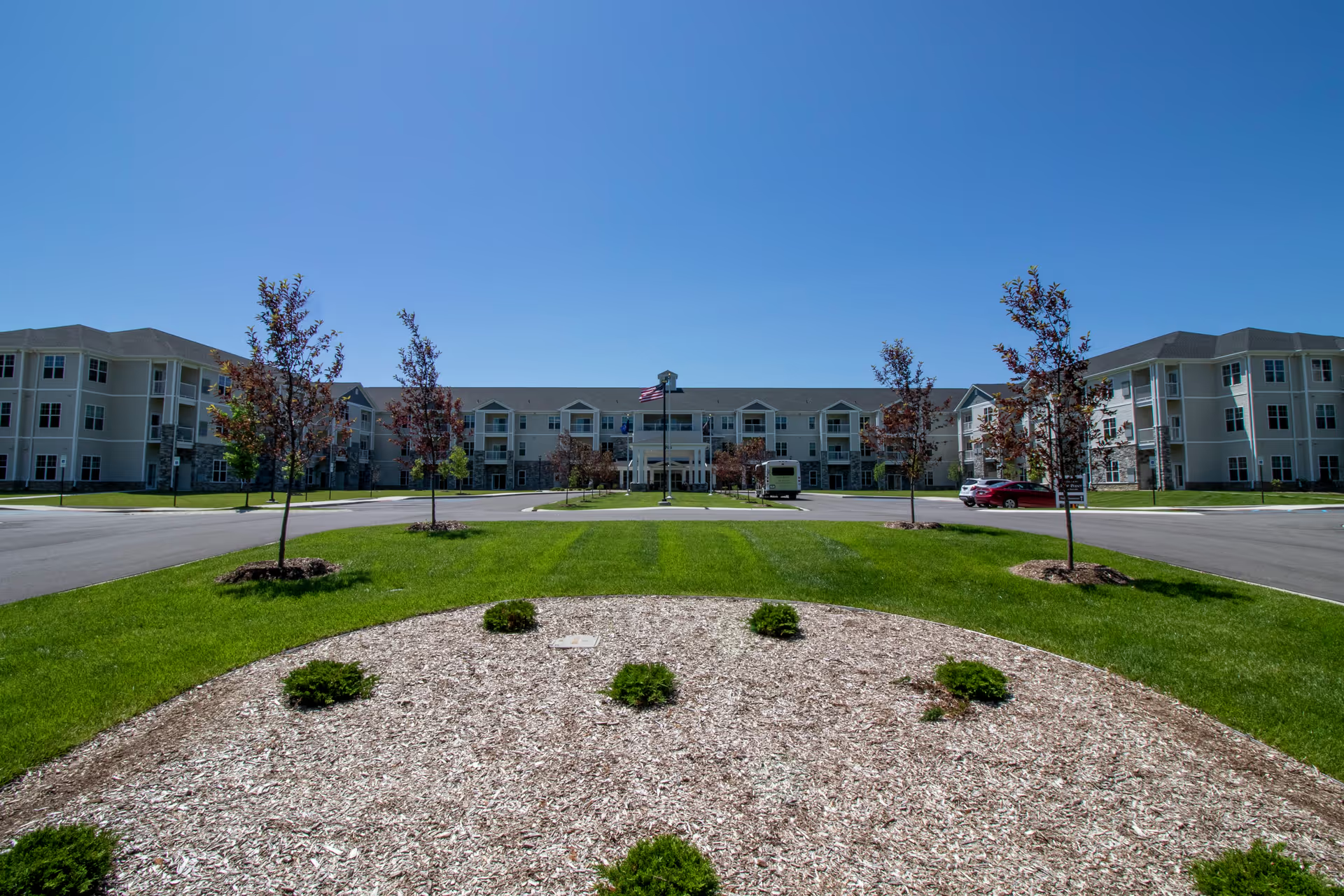
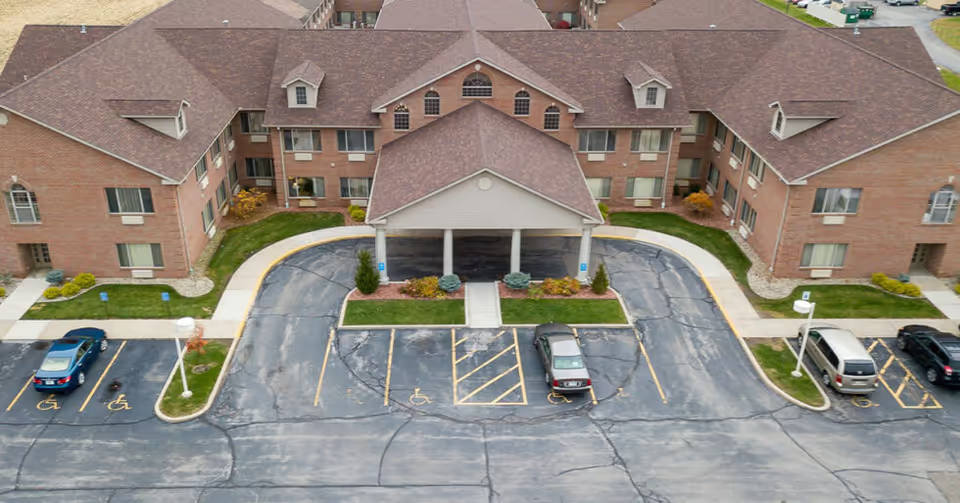
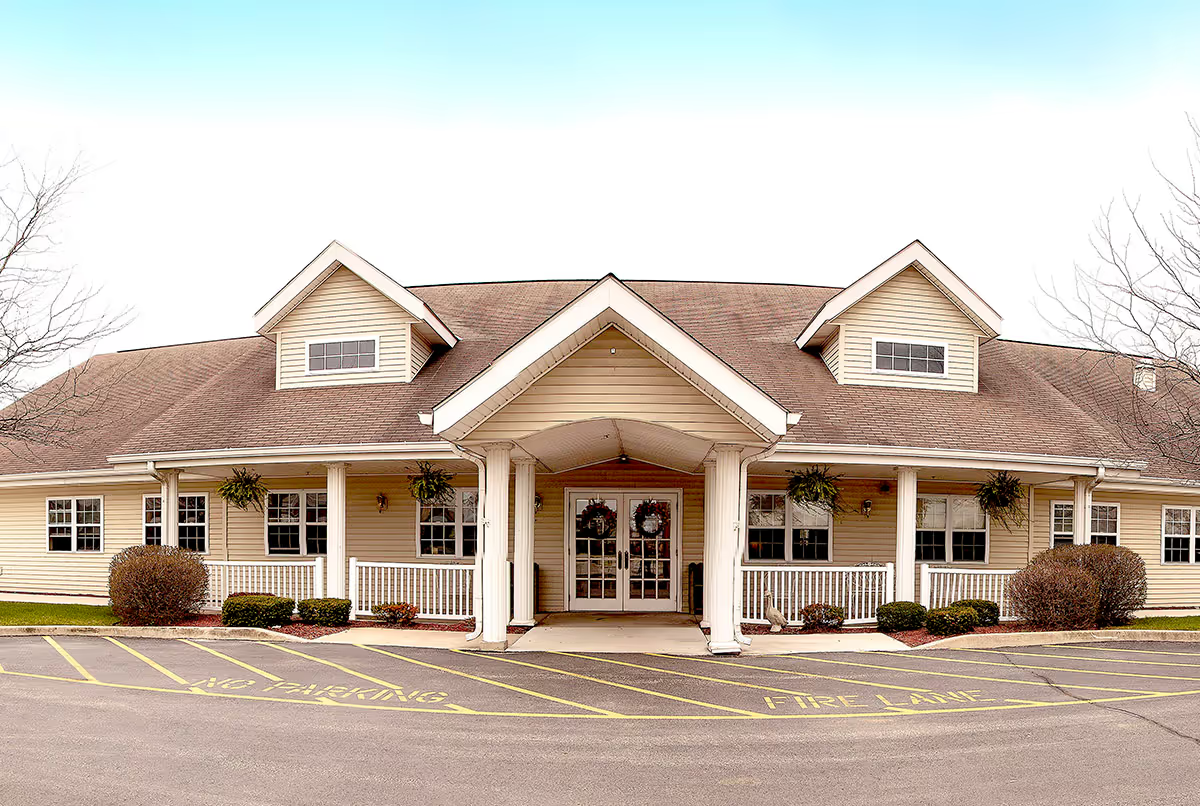
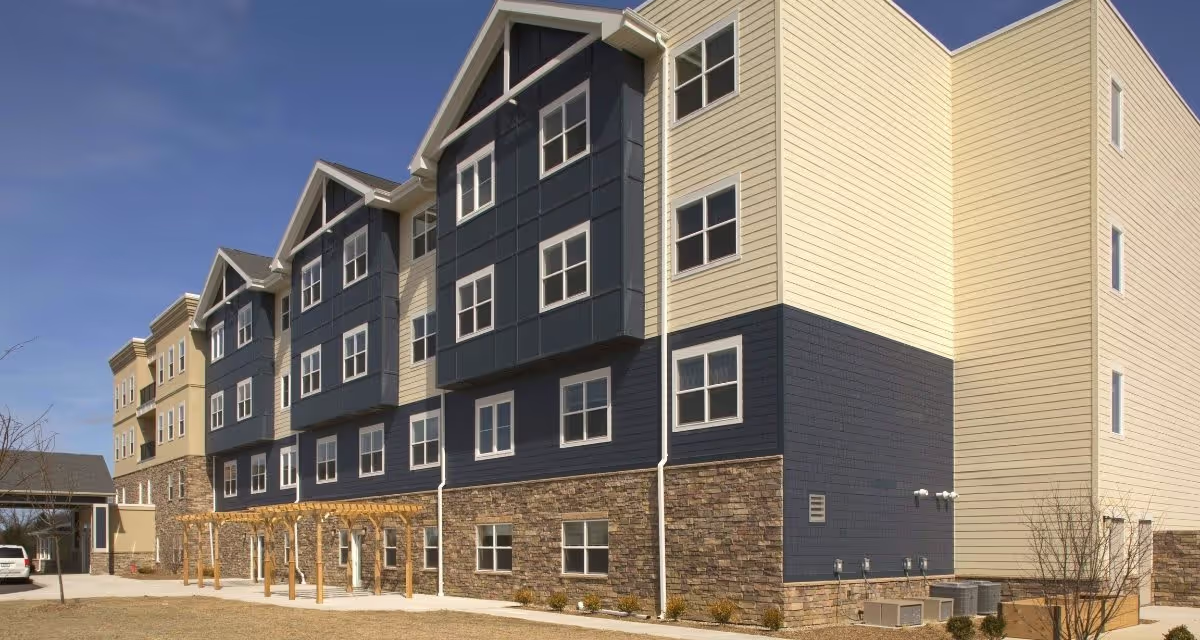
Facility condition and environment show mixed impressions. Several families describe the building as clean, freshly painted, and well maintained; others note sanitation and odor concerns in particular areas, inconsistent room cleanliness, and issues with heating/cooling comfort. The physical design of some rooms is described as institutional—cinderblock walls or sparse finishes—limiting personalization and contributing to a less homelike feel in parts of the building.
Management and admissions receive both praise and critique. Some reviewers commend clear transition processes from hospital to facility and helpful admissions staff; opposing accounts raise questions about marketing transparency, advertised capabilities versus available equipment or services, and an emphasis on sales‑style admissions. Communication and care coordination between clinical teams and families also appear inconsistent: while some families report proactive updates and smooth transitions, others describe delayed follow‑up, appointment mix‑ups, and unclear scheduling.
Notable patterns for prospective residents and families to weigh include the facility’s strong rehabilitation track record and engaged activity environment versus operational variability in clinical consistency, dietary adherence, sanitation in parts of the building, and security/property controls. When considering this facility, visitors should observe staffing levels during different shifts, ask for details on medication and oxygen management protocols, verify specialty services (wound care, dietary accommodations), review property‑loss prevention procedures, and assess room finishes and climate controls to ensure they meet the resident’s needs.